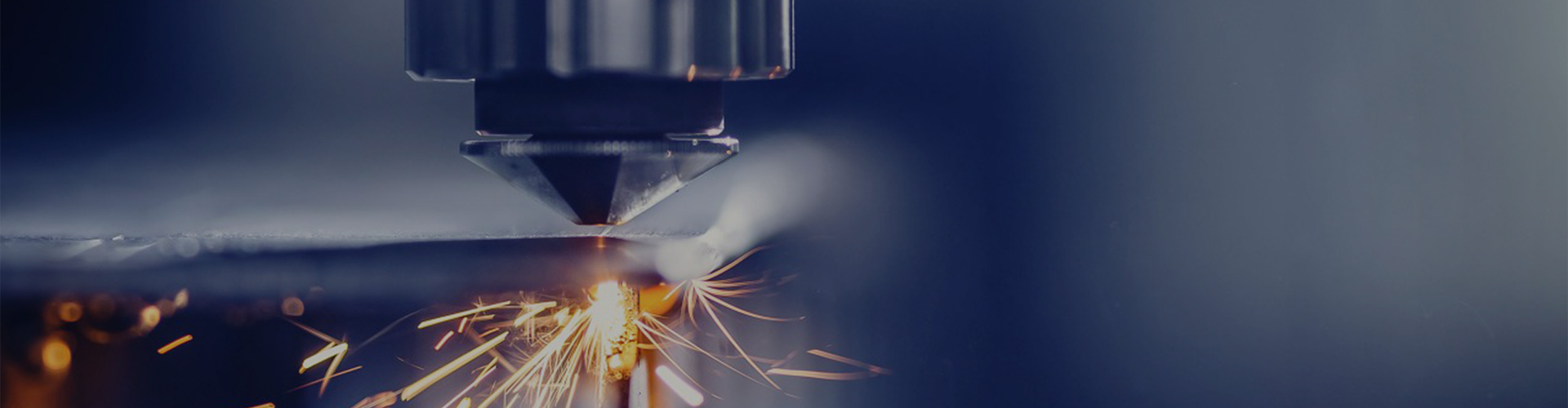
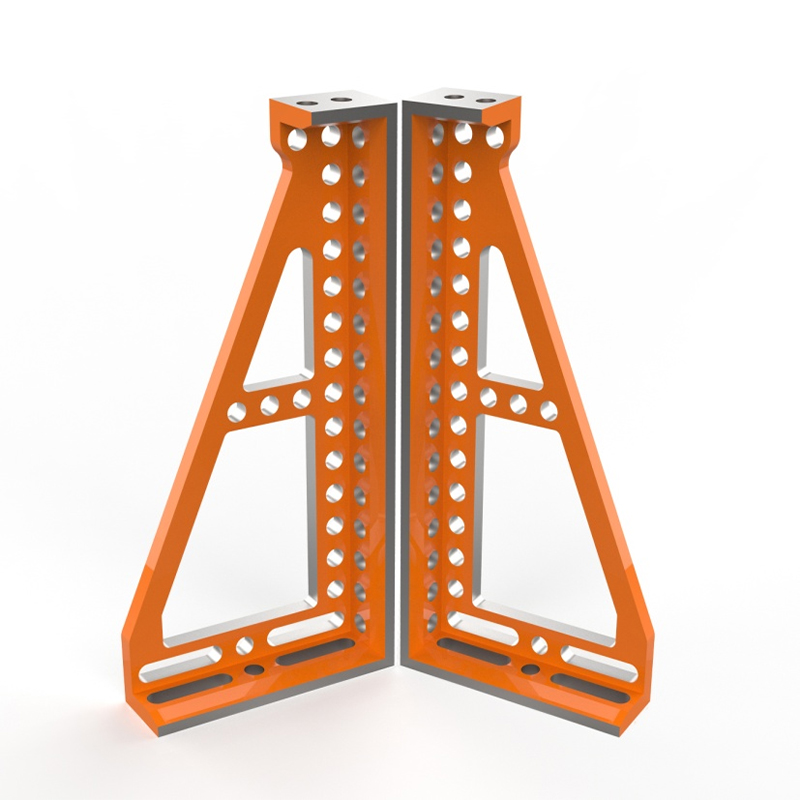
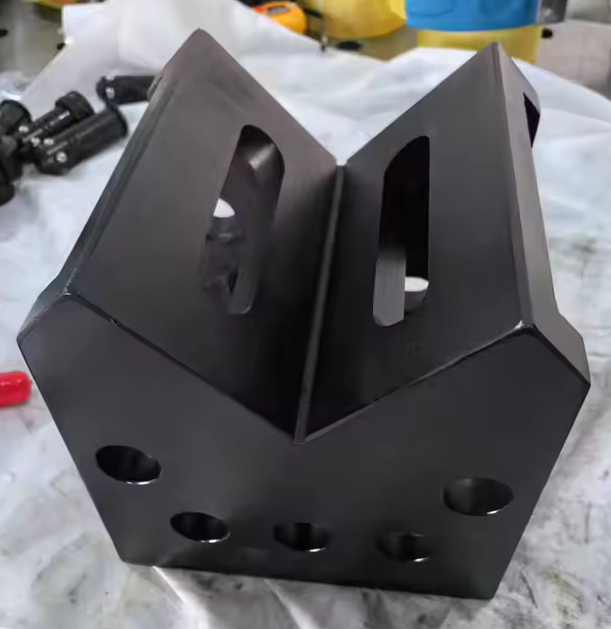
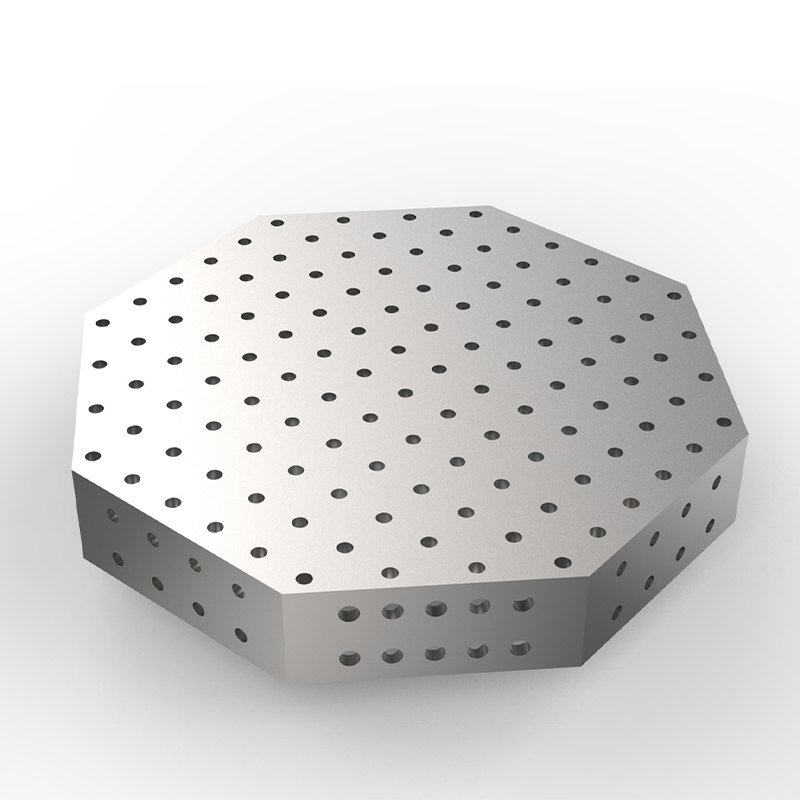
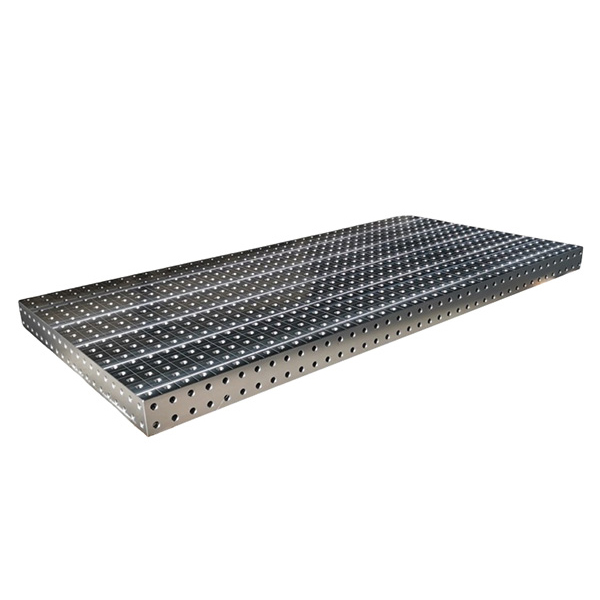
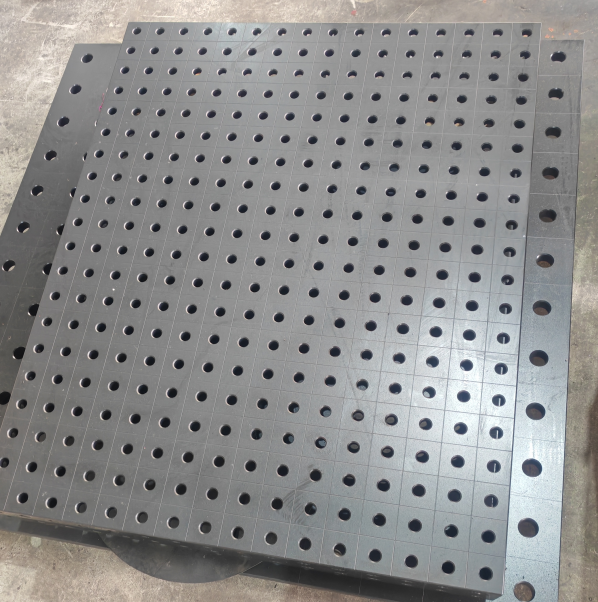
Laser welding fixture design separates reliable production from costly rework. We’ve seen clients spend weeks debugging weld splatter, misalignment, or part distortion—only to trace the root cause back to an under-engineered fixture. Precision isn’t added in post-processing; it’s locked in *before* the laser fires. At Botou Haijun Metal Products Co., Ltd., we build laser welding fixtures not as passive holders, but as active contributors to repeatability, thermal management, and geometric fidelity.
Why Standard Fixtures Fail Under Laser Conditions
Mechanical clamping force alone doesn’t guarantee stability during 1–10 kW laser exposure. Thermal expansion differentials between fixture base material and workpiece can shift a part by 0.08 mm within 3 seconds—enough to open a 0.2 mm gap at the weld joint. We measured this repeatedly using embedded thermocouples and high-speed CMM tracking on stainless steel assemblies. Most off-the-shelf fixtures use 6061-T6 aluminum for lightness—but its coefficient of thermal expansion (23.6 µm/m·°C) is nearly double that of 304 stainless (17.3 µm/m·°C). That mismatch induces micro-movement, inconsistent beam focus, and porosity.
Fixtures also fail when they ignore laser-specific constraints: line-of-sight access for collimated optics, clearance for nozzle purge gas flow, and non-reflective surface treatments. A polished 316L stainless locating pin may look premium—but it reflects 65% of 1070 nm beam energy back toward optics. We switched to matte-finish Inconel 718 pins after two lens replacements in one week.
Four Non-Negotiable Design Principles We Apply
Every laser welding fixture we deliver follows these field-validated rules:
Thermal Decoupling: Fixture bases use low-conductivity materials like G10 fiberglass or ceramic-filled PEEK where direct heat transfer must be minimized. Critical locators mount on isolated stainless steel sub-plates with thermal breaks.
Dynamic Clamping: Pneumatic or servo-electric actuators apply 15–25 N/mm² clamping pressure—measured in real time—not preset spring force. Over-clamping deforms thin-gauge brackets; under-clamping allows vibration-induced weld ripple.
Reference Surface Integrity: All datum surfaces are ground to Ra ≤ 0.4 µm and verified with optical flat interferometry. We reject any surface with >0.005 mm total indicator reading across 100 mm—because 0.003 mm error at the locator becomes 0.012 mm at a 400 mm weld seam.
Modular Reconfigurability: No welded-in pins. Every locator uses M4–M8 threaded inserts with hardened steel dowel pins (HRC 60–62), allowing full retooling in under 90 minutes without recalibration.
When to Choose Custom vs. Modular Laser Welding Fixtures
Some engineers assume modular kits save time. But we’ve tracked 17 projects where “quick-fit” systems required three rounds of shimming, five hours of laser path reprogramming, and final weld strength drops of 12–18%. Modular works only when part geometry stays identical across ≥10 variants—and even then, thermal drift accumulates faster than with purpose-built designs.
Custom laser welding fixture development pays back in under 420 production hours for parts with ≥3 weld seams or tolerances tighter than ±0.1 mm. Our typical lead time? 12 working days from approved GD&T drawing to first-article inspection report—including CMM validation of all datum features against ISO 1101.
We don’t quote fixtures in isolation. Every request triggers a DFM review: Is the joint accessible at 15° minimum approach angle? Does the part’s stiffness support clamping without elastic recovery? Are weld seam locations free of trapped gas pockets? We flag issues before cutting metal—because fixing them later costs 7× more.
Real-World Performance Metrics You Can Verify
Our fixtures consistently deliver measurable outcomes—not marketing claims:
Weld position repeatability: ±0.03 mm over 1,000 cycles (verified via laser tracker)
Fixture-to-fixture interchangeability: ≤0.05 mm max deviation across 5 units built to same print
Mean time between adjustments: 14,200 welds (based on 2023 internal data across 47 automotive bracket programs)
Surface finish retention: Ra ≤ 0.6 µm on critical locators after 2 years of daily use
All fixtures ship with calibration certificates traceable to NIM China, including thermal expansion coefficients per material zone and clamping force maps generated from strain-gauge testing.
Laser welding fixture performance isn’t theoretical—it’s measured in microns, milliseconds, and yield rates. Botou Haijun Metal Products Co., Ltd. builds fixtures that hold true when the laser hits, not just when the part sits still. If your next project demands laser welding fixture reliability—not just holding power—start with engineering intent, not catalog numbers. Precision begins where the part meets the base plate.