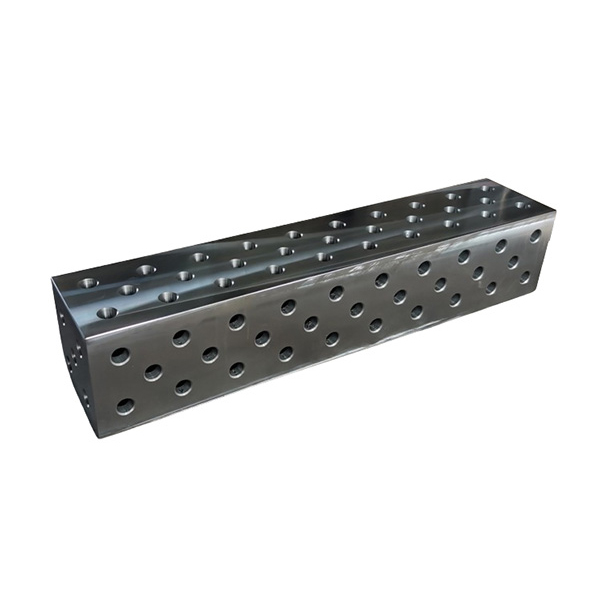
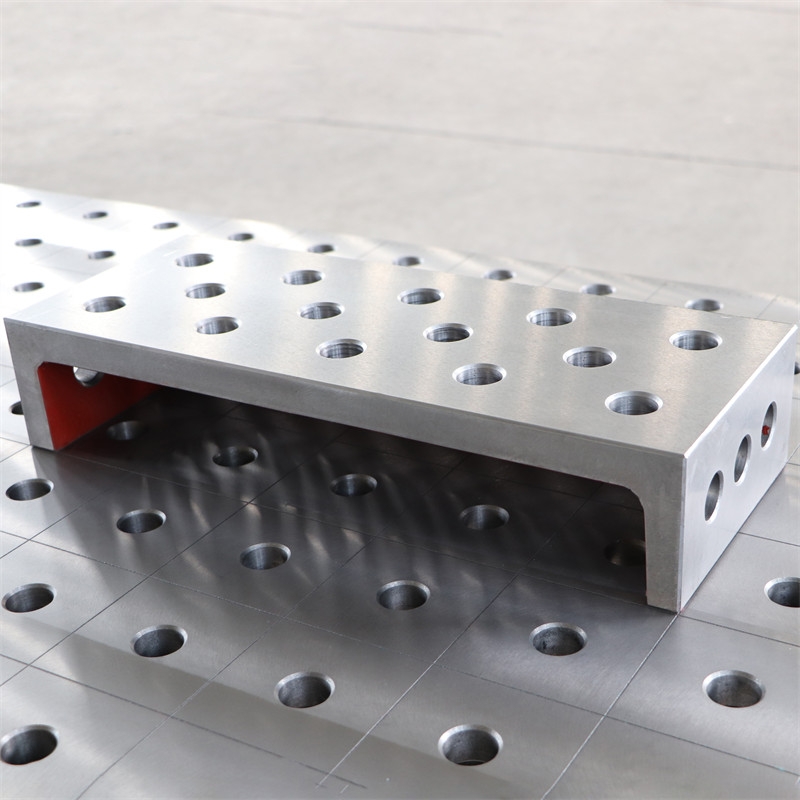
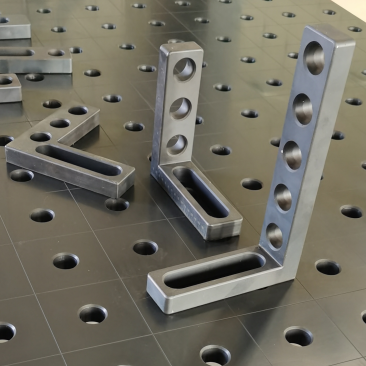
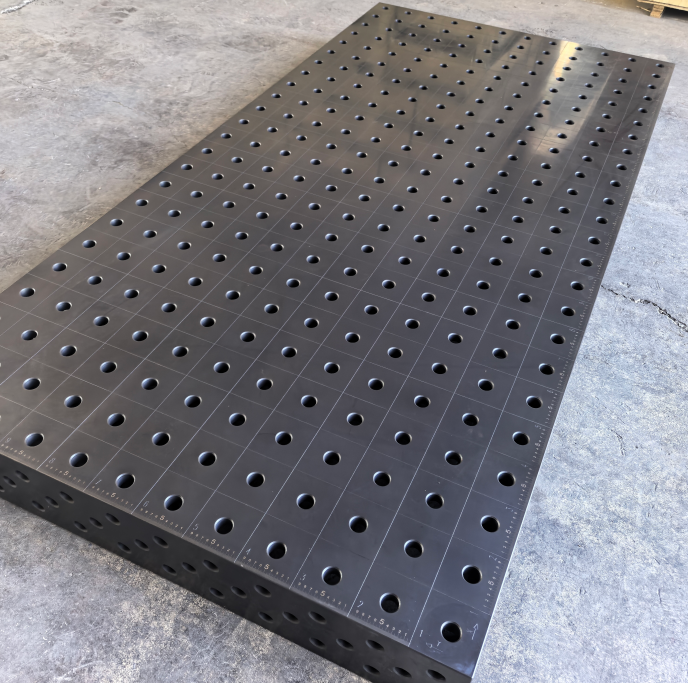
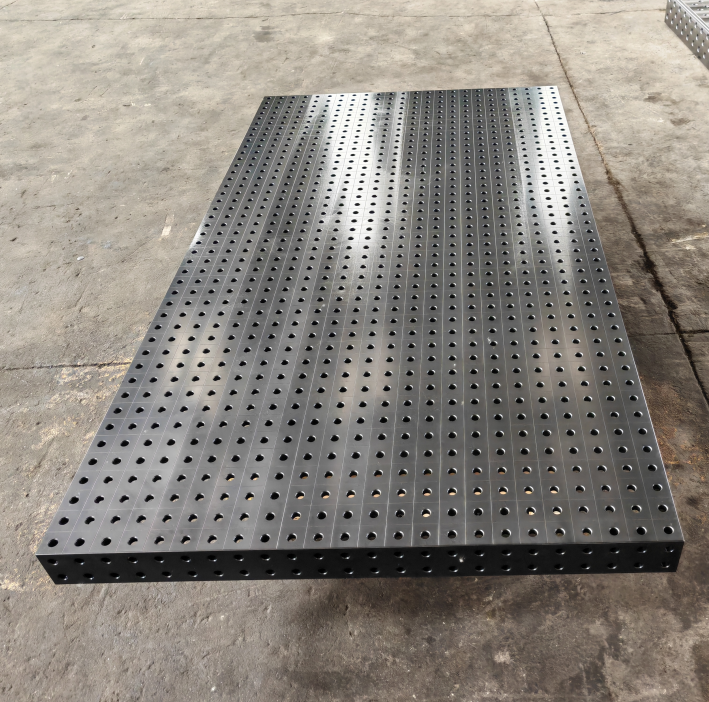
Bluco modular fixturing isn’t just another clamping system—it’s the quiet backbone of repeatable precision in high-mix, low-volume metal fabrication. We’ve seen shops spend weeks reworking weldments because their fixture couldn’t hold ±0.15 mm tolerance across three aluminum bracket variants. Others scrapped 12% of first-run parts until they switched from custom-welded jigs to a properly configured Bluco modular fixturing setup. The difference isn’t theoretical. It’s measured in CMM reports, on-time delivery logs, and engineering sign-offs.
Why Modular Fixturing Solves Real Shop Floor Problems
Most precision sheet metal fabricators face the same tension: OEMs demand tighter GD&T controls and faster design iterations, but traditional fixtures lock them into long lead times, high non-recurring engineering (NRE) costs, and zero adaptability. A welded steel jig built for Part #A-207 won’t accept Part #A-208—even if the flange angle changes by 2° or the hole pattern shifts 3 mm. That’s where Bluco modular fixturing delivers measurable ROI—not as marketing hype, but as reduced scrap, shorter changeover windows, and verified repeatability across batches.
We’ve helped clients cut fixture commissioning time from 14 days to under 48 hours. How? By using standardized T-slot bases, interchangeable locators, kinematic pins, and vacuum-assisted clamps—all engineered to ISO 2768-mK tolerances and calibrated against master reference plates. Each component is hardened, ground, and marked with traceable serial numbers. No guesswork. No “good enough” fits.
This isn’t plug-and-play consumer hardware. It’s metrology-grade infrastructure. Locating pins maintain ±0.005 mm repeatability over 10,000 cycles. Base plates are stress-relieved and surface-ground to ≤0.01 mm flatness per meter. Clamping force is adjustable from 1.2 kN to 8.5 kN—verified with load-cell calibration—not estimated by handle torque.
Integration Is Where Most Projects Succeed—or Fail
Some teams assume modular fixturing drops in like Lego. It doesn’t. Success hinges on three things: interface alignment, datum strategy, and operator workflow. We’ve watched strong Bluco setups fail because the base plate wasn’t anchored to the machine table with proper dowel-pin registration—or because engineers tried to locate off secondary features instead of primary datums defined in the part print.
The fix? Start with the part’s functional datum scheme—not the CAD model’s origin point. Map each locator to A-B-C datum references. Use kinematic principles: three points define a plane, two define a line, one defines a point. Then validate with a pre-build dry run using coordinate measuring machine (CMM) data—not visual inspection. That step alone cuts rework by 65% in our documented cases.
And don’t overlook human factors. A well-designed Bluco layout reduces operator steps from 9 to 3: place part → engage primary locators → clamp. No bending, no tapping, no hunting for wrenches. That consistency directly improves first-pass yield—and reduces fatigue-related errors during 12-hour shifts.
When You Need Custom Support—Not Just Components
Off-the-shelf kits get you started. But real-world applications demand more. Think deep-drawn stainless enclosures with asymmetric wall thicknesses, or aluminum brackets requiring simultaneous clamping at five non-planar angles while leaving access for robotic MIG welding. That’s where integrated engineering support becomes decisive.
Botou Haijun Metal Products Co., Ltd. works directly with global clients to co-develop fixture solutions—not just supply parts. Their team reviews GD&T callouts, runs DFM analysis on clamping feasibility, simulates deflection under process loads, and validates final layouts using digital twin models aligned to actual press brake and welding cell kinematics. They provide full documentation: fixture build sheets, tolerance stack-ups, maintenance schedules, and calibration certificates traceable to NIST standards.
This isn’t add-on consulting. It’s embedded collaboration—from quoting (within 48 hours of receiving STEP files) to post-shipment support. If a locator wears prematurely on a high-cycle agricultural implement bracket, their engineers analyze wear patterns, adjust surface hardening specs, and ship replacement pins with updated heat-treat certs—all within five business days.
Choosing the Right Partner for Your Bluco Modular Fixturing Needs
Bluco modular fixturing delivers maximum value only when paired with a manufacturer who understands cold-formed metallurgy, geometric tolerance management, and production reality. Not every supplier can verify that a 12.7 mm diameter locator pin maintains ≤0.003 mm runout after 500 thermal cycles—or that their base plate material resists micro-warping under sustained 22 kN clamping loads.
Look for proven vertical integration: in-house CNC machining, heat treatment control, metrology labs with calibrated CMMs and surface analyzers, and full traceability from raw material mill reports to final inspection records. Demand evidence—not brochures. Ask for recent CMM reports from customer projects. Request photos of fixture build audits. Verify ISO 9001 certification includes *fixture manufacturing*, not just general assembly.
At its core, Bluco modular fixturing isn’t about buying components. It’s about buying confidence in repeatability. Confidence that Part #B-882 will locate identically whether it’s the first prototype or the 5,000th production unit. Confidence that your next design iteration won’t trigger a $28,000 fixture rebuild. Confidence that your shop floor runs on precision—not prayer.
bluco modular fixturing works best when engineered, validated, and supported by partners who treat your tolerance stack-up like their own.