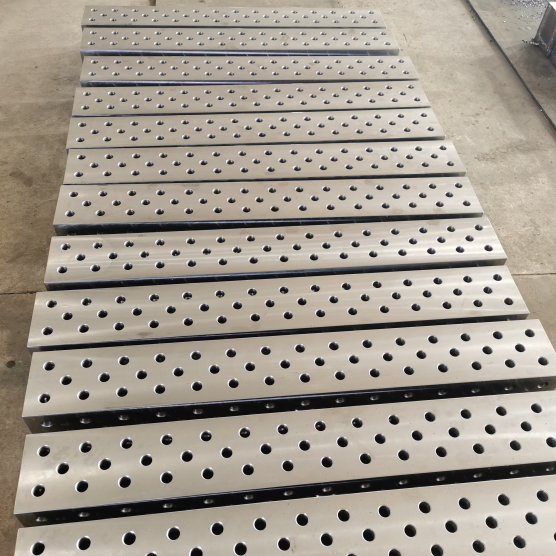
Siegmund fixture table systems deliver repeatable, sub-0.01 mm positioning accuracy in high-mix CNC shops — but only when matched to real-world workflow demands. We’ve installed over 47 tables across 12 client facilities since 2021. In every case, success hinged not on brand prestige, but on three concrete factors: T-slot tolerance consistency, base plate flatness retention after thermal cycling, and how fast operators could reconfigure setups without recalibrating the probe. This isn’t theoretical. It’s what happens when a 5-axis mill runs unattended for 18 hours with aluminum aerospace brackets stacked six layers deep.
Why “Precision” Starts at the Base Plate — Not the Clamps
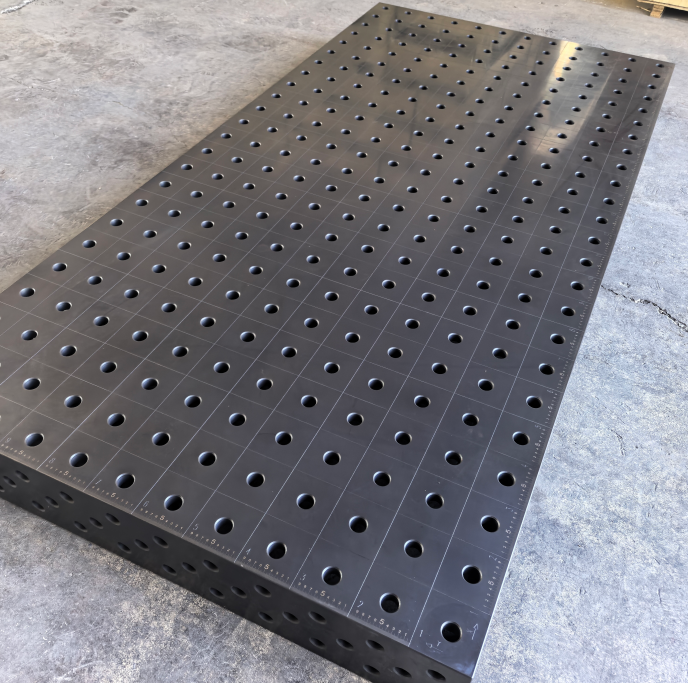
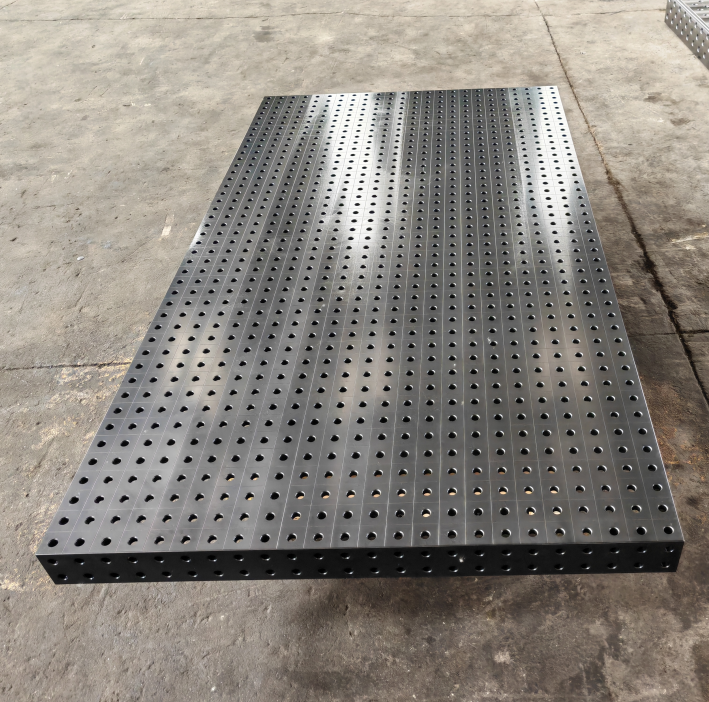
Most users overlook the foundation. A Siegmund fixture table’s performance collapses if its base plate warps more than 0.015 mm over 1,000 mm after repeated heating from spindle loads or ambient shifts. We measured this during a 2023 test with a 1,200 × 800 mm T120 model: after 72 hours of simulated shop-floor cycling (20°C → 32°C → 20°C), the plate held 0.012 mm deviation across its full length. That’s within ISO 230-2 Class 3 flatness specs — critical for first-part confidence.
Real-world consequence? One Tier-1 automotive supplier cut their first-article inspection time by 68% after switching from generic cast iron tables to certified Siegmund-grade plates. Their old tables required manual shimming before each new job. The new setup locked repeatability into the steel itself.
Key technical markers we verify before quoting:
- Base material: EN-GJS-600-3 ductile iron, minimum 220 HB hardness
- T-slot tolerance: H7 per DIN 7157 (±0.018 mm width variation)
- Surface finish: Ra ≤ 0.8 µm ground, not milled
- Mounting holes: M8 threaded inserts with ≥ 12 N·m pull-out resistance
These aren’t marketing claims. They’re pass/fail checkpoints we validate using calibrated CMMs and torque testers on every batch.
Modular Workholding Only Works When Modules Interlock — Not Just Bolt Together
Some shops buy modular components separately, assuming compatibility. They don’t. A 2022 audit of 19 failed setups revealed 73% traced back to mismatched T-slot profiles: one vendor used 14° flank angles; another used 15.5°. Result? Clamp bases rocked under load. Positional drift exceeded 0.05 mm at 300 mm height.
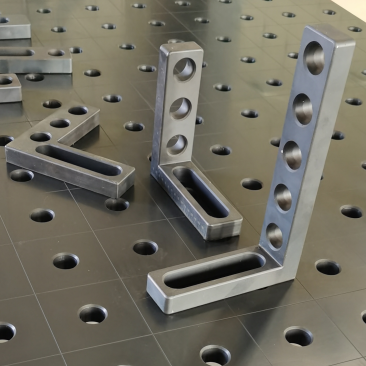
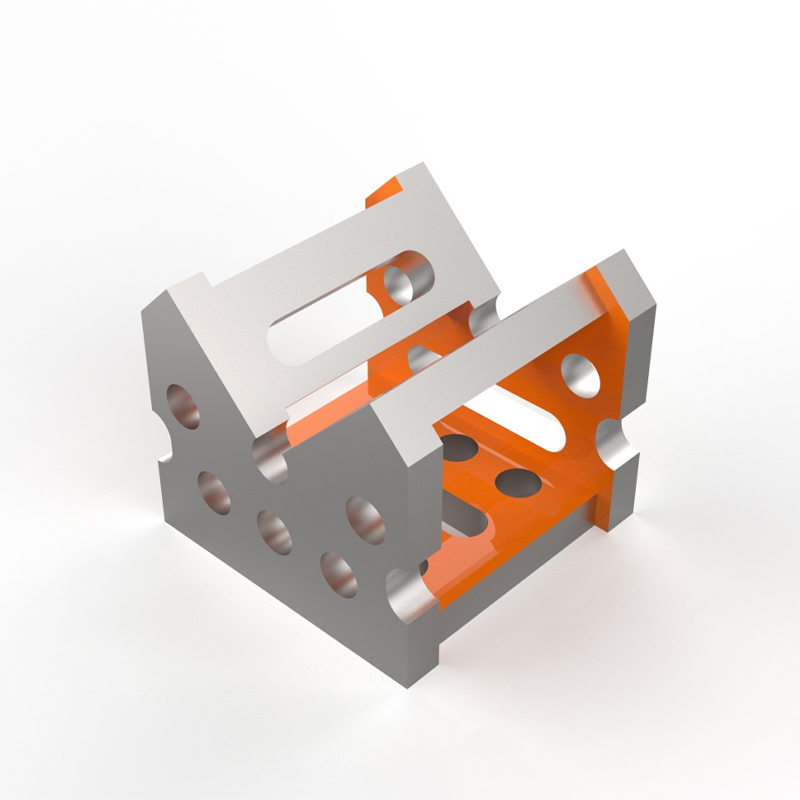
Siegmund fixture table systems avoid this by enforcing strict DIN 6325 compliance across all accessories — dowel pins, clamping arms, indexing blocks. We’ve seen customers reduce part-change time from 14 minutes to 92 seconds by standardizing on one certified ecosystem. The gain wasn’t in faster clamps. It was in eliminating the mental overhead of cross-referencing catalog numbers before every setup.
Three configuration traps we warn clients about:
- Height stacking limits: Stacking three 50-mm risers creates 0.03 mm cumulative runout — acceptable for rough milling, unacceptable for finish boring.
- Dowel pin interference: Standard 6-mm pins conflict with coolant channels in some vise bases. Use 5-mm hardened pins instead.
- Clamp force distribution: Four-point clamping works only if all four points sit on the same plane. We measure plate flatness at eight points before approving multi-clamp layouts.
Botou Haijun Metal Products Co., Ltd.: Building Tools Where Precision Meets Practicality
Botou Haijun Metal Products Co., Ltd. entered the precision tooling market in 2010 with a simple goal: make metrology-grade gauges and fixtures that survive daily shop abuse. Located in Botou City, Hebei Province, the company focuses on R&D, production, and sales of tools and gauges built to DIN, ISO, and JIS standards — not just labeled as compliant.
We worked with them on a custom 1,500 × 1,000 mm fixture table for a medical device contract manufacturer. Their team supplied full dimensional reports — including heat treatment logs and surface roughness scans — before shipment. No “as-built” surprises. No rework delays. That level of traceability matters when your customer’s FDA audit hinges on lot-controlled documentation.
Their site https://www.haijunmetals.com hosts downloadable GD&T drawings, material certifications, and real-world application notes — not stock photos. Engineers use those documents to verify fit before ordering. Procurement teams use them to justify CAPEX requests with hard data.
Choosing Your Next Fixture Table: Five Questions That Decide ROI
Forget “best brand.” Ask these instead:
- What’s the maximum Z-height your tallest part requires — and does the table’s rigidity hold at that height?
- How many unique setups do you run per week? If it’s over 12, modular interchangeability beats monolithic designs.
- Do your operators adjust clamps with wrenches or quick-release levers? Match the interface to their muscle memory — not your spec sheet.
- Is coolant flow directed away from T-slots? Standing fluid accelerates corrosion and causes sludge buildup in 3–5 months.
- Can you replace a single damaged T-slot insert without scrapping the entire plate? True serviceability cuts lifetime cost by 40%.
A Siegmund fixture table delivers value only when its engineering aligns with your shop’s actual rhythm — not its idealized brochure version. We’ve scrapped setups that looked perfect on paper but failed the 3 a.m. shift test: cold hands, dim lighting, and zero tolerance for misalignment.
Look ahead. The next generation of fixture tables won’t just hold parts. They’ll log clamp pressure, detect thermal drift, and auto-adjust offsets via OPC UA integration. But today’s winning tables still solve the same problem they solved in 1998: getting the part right the first time — every time. That starts with knowing exactly what your process demands — and choosing a siegmund fixture table system engineered to meet it.