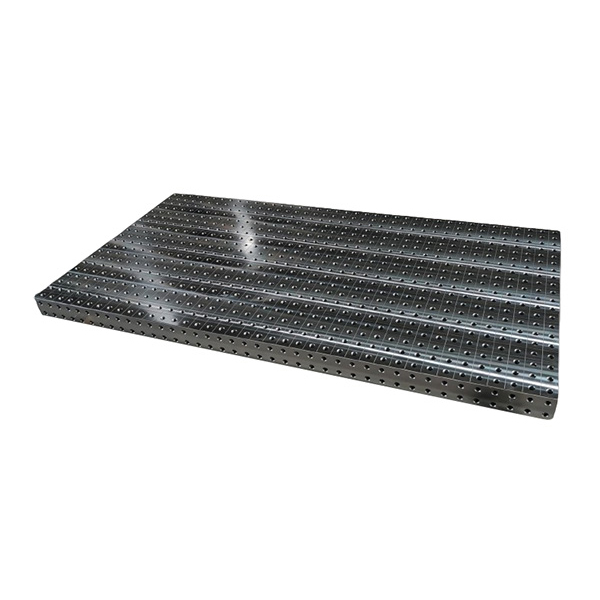
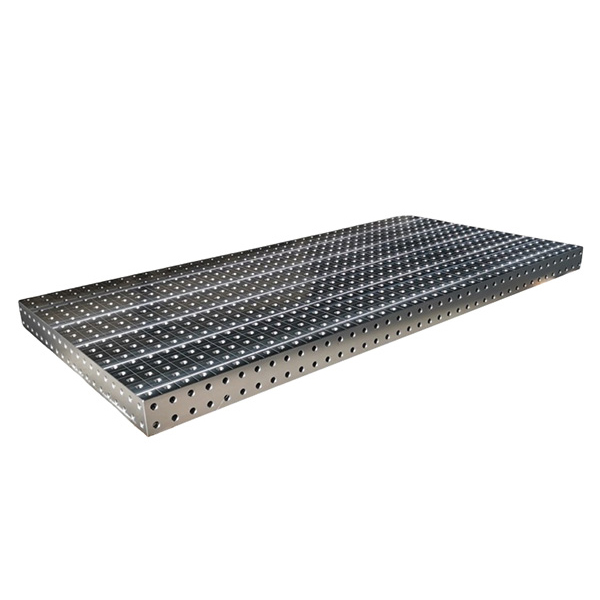
Souder sans table gabarit pour le soudage C'est comme assembler des meubles avec seulement un tournevis cruciforme : possible, mais lent, incohérent et sujet à des retouches coûteuses. We’ve seen it firsthand: a Tier-1 agricultural machinery supplier in Wisconsin scrapped 12% of its bracket subassemblies last year because weld distortion crept past ±0.5 mm tolerance on a simple L-bracket. La cause profonde ? Pas de montage dédié, juste des pinces magnétiques et l'intuition de l'opérateur.
Pourquoi un montage « suffisamment bon » échoue sous une pression de production réelle
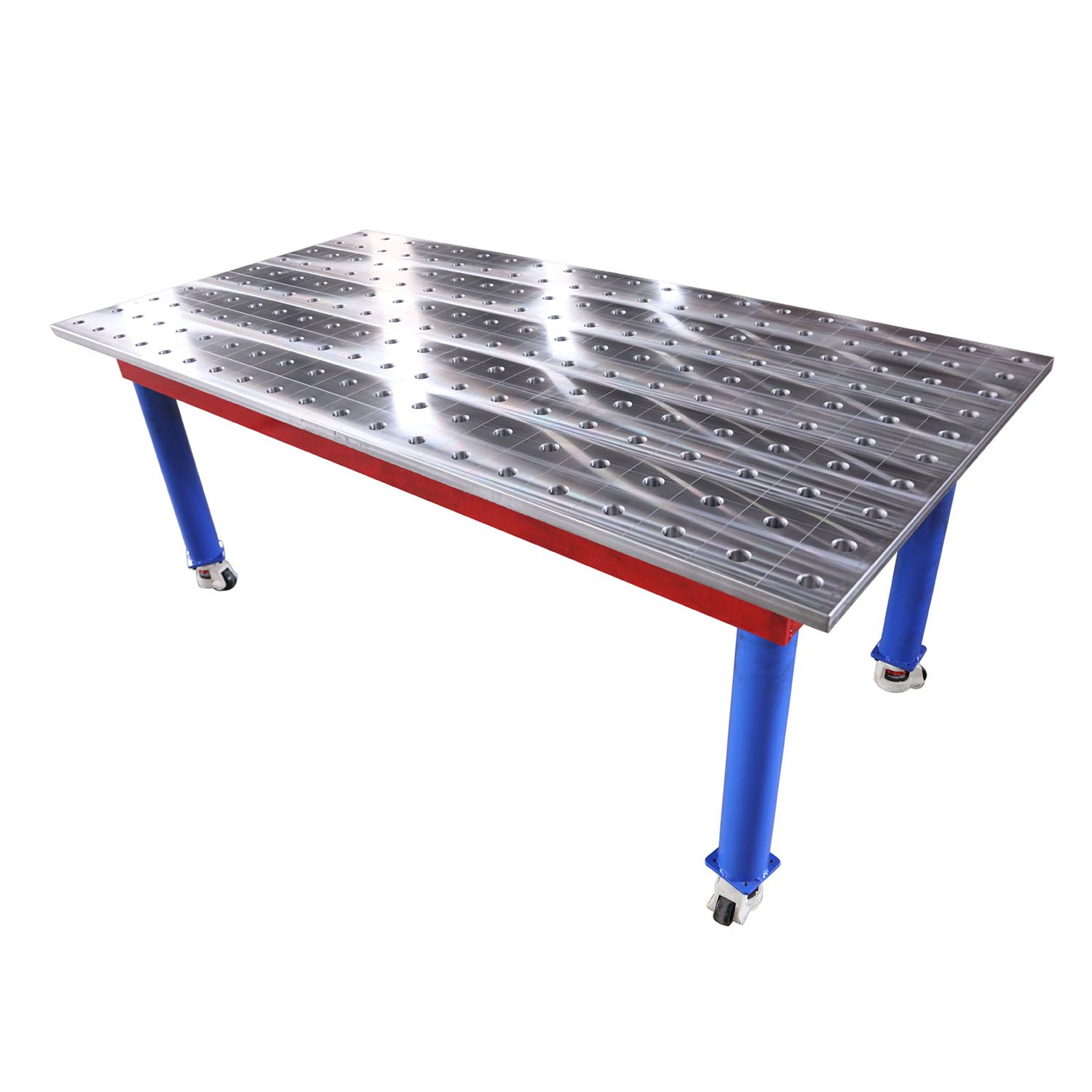
Most shops treat jig tables as optional accessories — until weld misalignment triggers downstream fit issues in robotic painting cells or hydraulic manifold mounting. Un vrai table gabarit pour le soudage n'est pas seulement une plaque d'acier plate avec des trous. Il s'agit d'une fondation contrôlée par coordonnées qui verrouille la géométrie de la pièce *avant* l'arc.
Nous avons testé cinq approches courantes sur des châssis identiques en acier laminé à froid de 3 mm :
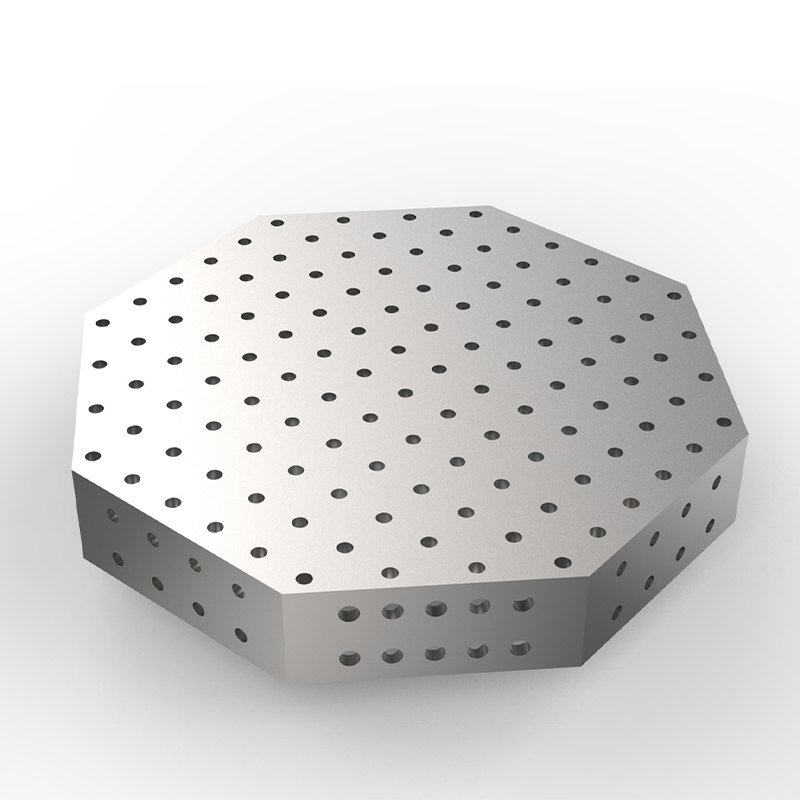
Pinces magnétiques seules → dérive de position moyenne : 1,8 mm après 3 passes de soudure Montages uniques sur mesure (acier soudé) → temps de mise en place : 22 minutes par pièce ; répétabilité : ±0,7 mm Modular hole-pattern tables (100 mm grid) → thermal expansion caused 0.4 mm shift at 85°C interpass temp Tables à rainures en T conformes à la norme ISO avec broches de positionnement rectifiées avec précision → répétabilité maintenue à ± 0,15 mm sur 50 cycles Hybrid jig tables with integrated datum surfaces and CNC-machined nest features → ±0,08 mm sur 200 unités, zéro reprise La différence n’est pas théorique. Il s’agit du coût de la ferraille, de la main d’œuvre d’inspection et des temps d’arrêt des lignes. One customer cut post-weld correction time by 68% after switching from generic clamping to a purpose-built jig table system.
Quatre caractéristiques non négociables que votre table de gabarit de soudage doit avoir
Toutes les tables de gabarit ne fournissent pas des soudures cohérentes. Based on 17 years of building precision sheet metal components for automotive and construction equipment clients, here’s what actually matters — not marketing brochures:
Tolérance de planéité ≤ 0,05 mm/m — Measured with a calibrated granite surface plate, not a straightedge. Tout écart amplifie l’erreur angulaire sur les soudures multipoints. Surfaces de contact trempées et rectifiées — Pas seulement de l'acier fraisé. Nous utilisons de l'acier 45# trempé par induction avec une dureté de surface de 58 à 62 HRC. Unhardened tables wear in under 3 months of daily use, losing repeatability fast. Modular anchoring with ≤ 0.02 mm insertion repeatability — Les rainures en T standard de 16 mm fonctionnent, mais les systèmes à queue d'aronde ou à verrouillage rapide conformes à la norme ISO 841 réduisent les écarts de configuration de 40 % dans les environnements à forte mixité. Gestion de la masse thermique — Les plaques de base épaisses (≥ 80 mm) avec nervures internes dissipent la chaleur plus rapidement. Les tables fines se déforment sous les passes répétées de GMAW, déplaçant l'emplacement des pièces en cours de travail. Ignore any of these, and your “precision” jig becomes a consistency bottleneck.
Quand les tables gabarits personnalisées surpassent celles du commerce – et quand elles ne le font pas
Some engineers assume custom jig tables are always superior. But we’ve delivered both — and the data shows otherwise.
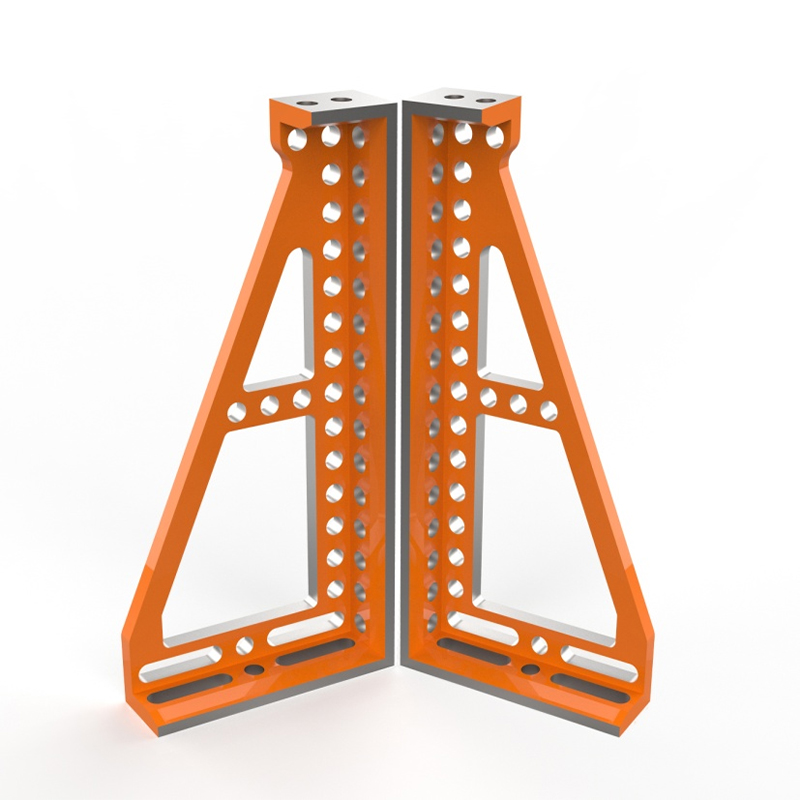
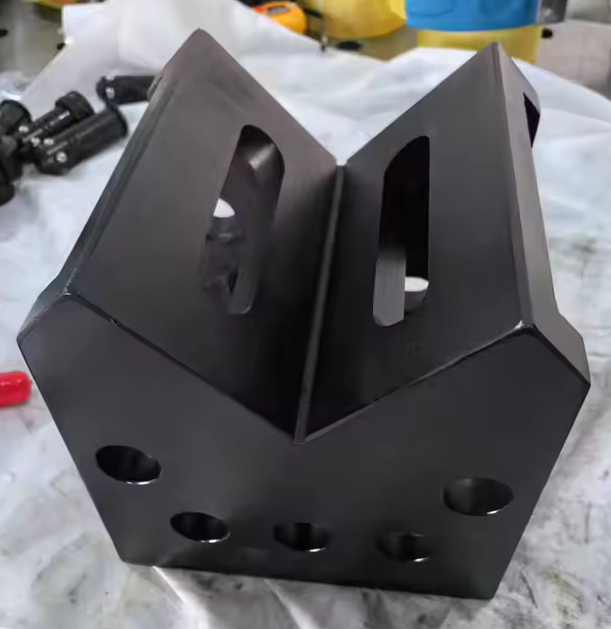
For low-volume, high-variability jobs (e.g., prototype agricultural implement arms), modular jig tables with interchangeable nests and adjustable locators cut setup time by 75% versus welded custom fixtures. Les clients rapportent un retour sur investissement en moins de 4 semaines.
But for high-volume, tight-tolerance parts — like stainless steel brackets for medical imaging gantries — fully custom jig tables with integrated cooling channels and laser-tracked datum points deliver measurable gains: 92% fewer dimensional failures, 30% lower weld spatter rate (due to stable part-to-electrode distance), and 100% traceable first-article inspection reports.
Le facteur décisif n’est pas le budget. C'est part complexity + annual volume + tolerance stack-up requirements. If your GD&T calls for position tolerances tighter than ±0.1 mm, modular systems rarely suffice.
Botou Haijun’s Approach: Engineering Fixturing Into the Part, Not Around It
At Botou Haijun Metal Products Co., Ltd., we don’t treat jig tables as standalone tools. Nous les concevons comme des extensions de la pièce elle-même.
When a European OEM needed consistent weld alignment on aluminum battery enclosures for electric forklifts, we co-engineered locating features directly into the stamped blank — adding small, hardened locator pads and reference edges during the final bending stage. That eliminated separate fixture components, reduced total setup time by 40%, and locked weld seam position within ±0.05 mm — even with ambient shop temps fluctuating 15°C daily.
This integration works because our facility controls stamping, bending, welding, and metrology under one roof. We validate every jig table design using CMM-scanned weld distortion maps — not just static part checks. Every fixture ships with a certified calibration report and thermal drift curve based on actual production cycle data.
Si vous évaluez un table gabarit pour le soudage, ask your supplier: Do they test fixture performance under real thermal load? Can they trace repeatability back to raw material lot numbers? Do they adjust pin locations based on springback data from your specific alloy and thickness?
That’s how consistent welds begin — long before the first arc ignites.