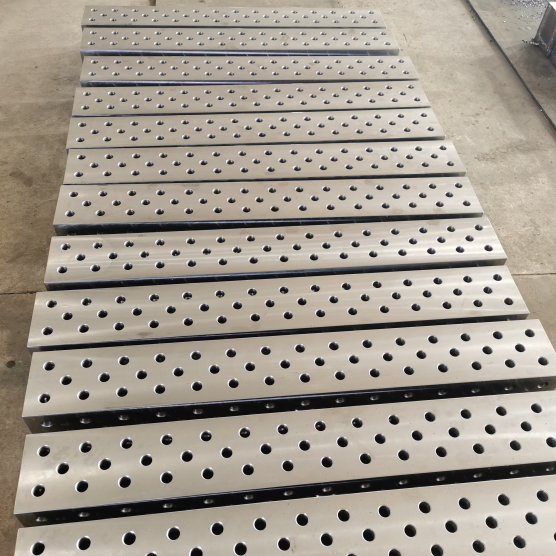
Gravity cast aluminum parts are high-precision metal components manufactured by pouring molten aluminum alloy into a reusable mold under the influence of gravity. This casting method is ideal for producing complex, medium-to-high volume components with superior mechanical properties, excellent surface finish, and tight dimensional tolerances. As a specialized OEM factory, we provide end-to-end solutions for automotive, aerospace, and industrial machinery sectors, ensuring every part meets rigorous international quality standards such as ISO 9001 and IATF 16949.
What Are Gravity Cast Aluminum Parts?
Gravity casting, also known as permanent mold casting, is a manufacturing process where liquid metal is poured into a mold without the application of external pressure other than gravity. Unlike high-pressure die casting (HPDC), which forces metal into molds at high speeds, gravity casting allows for a smoother, more controlled fill. This results in components with lower porosity, higher density, and improved structural integrity.
The term gravity cast aluminum parts refers to the final products created through this process. These parts are typically made from aluminum-silicon alloys, such as A356 or A357, which offer an optimal balance of castability, strength, and heat treatability. The process is particularly valued in industries where part reliability and consistency are critical, such as in safety-critical automotive components or high-performance aerospace structures.
Key Characteristics of Gravity Casting
- Low Porosity: The gentle filling process minimizes air entrapment, resulting in denser parts compared to die casting.
- Superior Mechanical Properties: Gravity cast parts exhibit higher tensile strength and elongation, making them suitable for load-bearing applications.
- Excellent Surface Finish: The use of permanent metal molds yields a smooth surface that often requires minimal post-processing.
- Dimensional Stability: Metal molds maintain their shape over thousands of cycles, ensuring consistent dimensions across large production runs.
- Heat Treatability: Most gravity cast aluminum alloys can be heat-treated (T6 temper) to further enhance hardness and strength.
How Does the Gravity Casting Process Work?
Understanding the manufacturing workflow is essential for engineers and procurement specialists looking to optimize design for manufacturability (DFM). The gravity casting process involves several precise stages, each contributing to the final quality of the component.
Step 1: Mold Preparation and Coating
The process begins with the preparation of the permanent mold, typically made from steel or cast iron. To prevent the molten aluminum from sticking to the mold and to control the cooling rate, a refractory coating is applied to the internal surfaces. This coating also helps in extending the mold’s lifespan by protecting it from thermal shock.
Step 2: Melting and Alloying
High-purity aluminum ingots are melted in a furnace at temperatures ranging from 680°C to 720°C (1256°F to 1328°F). Specific alloying elements, such as silicon and magnesium, are added to achieve the desired chemical composition. Molten metal quality is strictly monitored to remove impurities and hydrogen gas, which can cause porosity if not properly managed.
Step 3: Pouring
The molten aluminum is manually or automatically poured into the mold cavity. In gravity casting, the flow is steady and controlled. Some advanced setups utilize a tilting mechanism, where the mold rotates as it fills. This “tilt pouring” technique further reduces turbulence and air entrapment, ensuring a laminar flow of metal into intricate sections of the mold.
Step 4: Solidification and Cooling
Once the mold is filled, the aluminum begins to solidify. The metal mold acts as a heat sink, drawing heat away from the casting rapidly and uniformly. Controlled cooling is critical to prevent shrinkage defects and ensure the microstructure of the aluminum is fine and consistent. Cooling channels within the mold may be used to regulate temperature in specific areas.
Step 5: Ejection and Triming
After the part has solidified and cooled sufficiently, the mold is opened, and the casting is ejected. At this stage, the part still has gating systems (runners and risers) attached. These excess materials are removed through trimming or sawing. The result is a near-net-shape component ready for secondary operations.
Step 6: Heat Treatment and Finishing
To maximize mechanical properties, many gravity cast parts undergo heat treatment, specifically solution heat treatment followed by artificial aging (T6 temper). Finally, parts may undergo CNC machining, shot blasting, powder coating, or anodizing to meet specific aesthetic and functional requirements.
Gravity Casting vs. High-Pressure Die Casting (HPDC)
One of the most common questions in procurement is whether to choose gravity casting or high-pressure die casting. While both processes produce aluminum components, they serve different engineering needs. Understanding the differences is crucial for selecting the right manufacturing method for your project.
| Feature | Gravity Casting | High-Pressure Die Casting (HPDC) |
| Filling Method | Poured under gravity; low turbulence. | Injected at high pressure and speed. |
| Porosity Level | Very low; dense structure. | Moderate to high; potential for air pockets. |
| Mechanical Strength | High; suitable for heat treatment. | Lower; limited heat treatability due to blisters. |
| Wall Thickness | Thicker walls (typically >3mm). | Very thin walls possible (<1mm). |
| Surface Finish | Smooth; good for painting/coating. | Excellent; often requires minimal finishing. |
| Production Speed | Moderate; slower cycle times. | Very fast; ideal for mass production. |
| Tooling Cost | Lower; simpler mold design. | Higher; complex, hardened steel molds. |
| Best For | Structural, safety-critical, heat-treated parts. | Complex, thin-walled, high-volume consumer parts. |
In summary, if your application requires high structural integrity, leak tightness, or heat treatment, gravity cast aluminum parts are the superior choice. If you need ultra-thin walls and extremely high production volumes with less emphasis on tensile strength, HPDC may be more appropriate.
Advantages of Choosing Gravity Cast Aluminum Parts
For B2B buyers and engineers, the decision to use gravity casting is driven by several key benefits that directly impact product performance and lifecycle costs.
1. Enhanced Structural Integrity
Because the metal fills the mold slowly and without turbulence, gravity castings have significantly fewer internal voids and gas pockets. This density translates to better mechanical performance, particularly in terms of fatigue resistance and impact strength. This makes them ideal for components subjected to dynamic loads.
2. Superior Heat Treatment Response
Aluminum alloys used in gravity casting, such as A356, are fully heat-treatable. The low porosity ensures that the parts do not develop surface blisters during the T6 heat treatment process. This allows manufacturers to achieve maximum hardness and yield strength, which is often not possible with standard die-cast parts.
3. Cost-Effective Tooling
The molds used in gravity casting are generally less complex and expensive than those used in high-pressure die casting. They do not need to withstand extreme injection pressures, allowing for the use of less expensive steel grades and simpler construction. This lowers the initial investment barrier for new projects.
4. Design Flexibility for Complex Geometries
Gravity casting allows for the incorporation of complex internal features, such as undercuts and cores, using sand cores or metal inserts. This flexibility enables the production of intricate shapes that would be difficult or impossible to achieve with other casting methods without extensive secondary machining.
5. Environmental Sustainability
Aluminum is highly recyclable, and the gravity casting process generates less waste compared to machining from solid billet. The scrap rate is low, and any sprues or runners generated can be immediately remelted and reused. Furthermore, the energy consumption per part is often lower than in high-pressure processes due to the absence of high-energy injection systems.
Common Aluminum Alloys Used in Gravity Casting
Selecting the right alloy is critical for meeting the mechanical and physical requirements of your application. Our factory specializes in working with industry-standard aluminum-silicon alloys that offer the best combination of fluidity and strength.
A356 (AlSi7Mg)
A356 is the most widely used alloy for gravity casting. It contains approximately 7% silicon and 0.3-0.5% magnesium. This alloy offers excellent castability, good corrosion resistance, and high ductility. It is the preferred choice for automotive wheels, suspension components, and aerospace structures. A356 responds very well to T6 heat treatment.
A357 (AlSi7MgFe)
Similar to A356 but with stricter controls on iron content and additional grain refinement, A357 offers slightly higher mechanical properties and better elongation. It is often used in high-performance applications where maximum reliability is required, such as in military or aerospace hardware.
A319 (AlSi6Cu4)
A319 contains copper, which increases its strength and hardness at elevated temperatures. However, it has lower corrosion resistance and ductility compared to A356. This alloy is commonly used for engine cylinder heads and blocks where thermal conductivity and high-temperature strength are paramount.
ZL101A
In international trade, particularly with Asian markets, ZL101A is a common designation equivalent to A356. It is widely recognized for its balanced properties and is frequently specified in industrial machinery and pump housings.
Applications of Gravity Cast Aluminum Parts
The versatility of gravity casting makes it suitable for a wide range of industries. Below are some of the primary sectors where our custom OEM services deliver significant value.
Automotive Industry
The automotive sector is the largest consumer of gravity cast aluminum parts. The push for lightweight vehicles to improve fuel efficiency and reduce emissions has driven the replacement of steel and cast iron components with aluminum.
- Wheels: Aluminum alloy wheels are predominantly gravity cast (or low-pressure cast) due to the need for high strength and aesthetic finish.
- Suspension Components: Control arms, knuckles, and subframes require high fatigue resistance, which gravity casting provides.
- Engine Blocks and Heads: These components benefit from the thermal properties and complex internal cooling passages achievable with gravity casting.
- Brake Calipers: High-strength aluminum calipers reduce unsprung weight, improving handling and braking performance.
Aerospace and Defense
In aerospace, weight savings directly translate to fuel efficiency and payload capacity. Gravity cast parts are used in non-critical and semi-critical structural applications.
- Housings and Brackets: Lightweight enclosures for avionics and electrical systems.
- Structural Nodes: Connection points in airframe structures that require high strength-to-weight ratios.
- Missile Components: Guidance system housings and structural fins.
Industrial Machinery and Robotics
Heavy-duty machinery requires components that can withstand vibration, shock, and continuous operation. Gravity cast aluminum parts offer the durability needed for these environments.
- Pump and Valve Bodies: Leak-tight casings for hydraulic and pneumatic systems.
- Robot Arms: Lightweight yet rigid structures for robotic manipulators, reducing motor load and increasing speed.
- Compressor Housings: Components that require good thermal dissipation and pressure containment.
Energy and Power Generation
From renewable energy to traditional power plants, gravity cast aluminum parts play a role in efficient energy transmission and conversion.
- Wind Turbine Components: Hub adapters and gearbox housings.
- Heat Sinks: Large, complex heat sinks for power electronics and LED lighting systems.
- Solar Mounting Structures: Durable, corrosion-resistant brackets and frames.
Design Guidelines for Gravity Casting
To ensure the highest quality and cost-efficiency of your gravity cast aluminum parts, designers should adhere to specific guidelines. Optimizing your design for the gravity casting process can reduce tooling costs, minimize defects, and shorten lead times.
Wall Thickness
Uniform wall thickness is crucial to prevent shrinkage and warping. Ideally, walls should be between 3mm and 10mm. Sudden changes in wall thickness should be avoided; instead, use gradual transitions or ribs to add strength without adding bulk.
Draft Angles
Draft angles are necessary to facilitate the ejection of the part from the mold. For gravity casting, a draft angle of 1° to 3° is typically sufficient. Internal surfaces may require slightly higher draft angles due to the contraction of the metal around the core during cooling.
Ribs and Bosses
Ribs are used to strengthen the part without increasing wall thickness. They should be designed with a thickness of 60-80% of the adjacent wall to prevent sink marks. Bosses, used for mounting screws or pins, should also be ribbed to distribute stress and avoid localized thick sections.
Undercuts and Cores
While gravity casting can accommodate undercuts using removable cores, complex core mechanisms increase tooling cost and cycle time. Designers should aim to minimize undercuts or design them in a way that allows for simple core extraction.
Tolerances
Gravity casting offers good dimensional accuracy. Standard tolerances are typically around ±0.5mm for the first 100mm and ±0.2mm for each additional 100mm. However, tighter tolerances can be achieved with CNC machining on critical features. It is cost-effective to specify tight tolerances only where functionally necessary.
Quality Control and Testing Standards
As a trusted OEM manufacturer, we implement rigorous quality control measures to ensure every batch of gravity cast aluminum parts meets client specifications and international standards. Our quality assurance process includes both in-process checks and final inspection.
Visual Inspection
Every part undergoes a visual check for surface defects such as cracks, cold shuts, and misruns. This is the first line of defense against non-conforming products.
Dimensional Inspection
We use Coordinate Measuring Machines (CMM) and optical scanners to verify critical dimensions against CAD drawings. First-article inspections (FAI) are conducted for new tools, and statistical process control (SPC) is used for ongoing production runs.
X-Ray and Radiographic Testing
To detect internal porosity and inclusions, we employ X-ray inspection. This non-destructive testing method is essential for safety-critical components, ensuring that the internal structure is free from significant voids.
Mechanical Testing
Test bars are cast alongside production parts and subjected to tensile testing to verify yield strength, ultimate tensile strength, and elongation. Hardness testing (Brinell or Rockwell) is also performed to confirm proper heat treatment.
Leak Testing
For components such as pump housings and valve bodies, leak testing is mandatory. We use air decay or water immersion tests to ensure absolute tightness under specified pressure conditions.
Why Choose Us as Your Gravity Cast Aluminum Parts Manufacturer?
In 2026, the demand for high-quality, reliable aluminum components is higher than ever. Choosing the right manufacturing partner is critical to your supply chain’s success. Here is why leading global brands trust us for their OEM needs.
1. Advanced Manufacturing Capabilities
Our facility is equipped with state-of-the-art gravity casting machines, including tilt-pour systems that minimize turbulence. We have a wide range of mold sizes, allowing us to produce parts weighing from a few hundred grams to over 50 kilograms. Our integrated CNC machining center ensures that we can deliver fully finished, ready-to-assemble components.
2. Engineering Support and DFM Analysis
We do not just manufacture; we collaborate. Our engineering team provides comprehensive Design for Manufacturability (DFM) feedback early in the development phase. We help optimize your designs to reduce weight, improve strength, and lower production costs, ensuring a smoother transition from prototype to mass production.
3. Strict Quality Management Systems
We are certified to ISO 9001:2015 and IATF 16949:2016 standards. Our quality management system is deeply embedded in every step of the production process, from raw material sourcing to final shipment. This commitment to quality ensures consistency and reliability for our clients.
4. Global Supply Chain Expertise
With years of experience in cross-border trade, we understand the logistics and documentation requirements for international shipping. We provide timely delivery, competitive pricing, and transparent communication, making us a seamless extension of your procurement team.
5. Sustainable Practices
We are committed to environmental responsibility. Our recycling programs recover nearly 100% of aluminum scrap, and our energy-efficient furnaces reduce our carbon footprint. By choosing us, you align your supply chain with sustainable manufacturing practices.
Frequently Asked Questions (FAQ)
What is the minimum order quantity (MOQ) for gravity cast aluminum parts?
The MOQ depends on the complexity of the part and the tooling requirements. Generally, for custom OEM projects, we recommend a initial run of 500-1000 pieces to amortize the mold cost effectively. However, we can accommodate smaller prototype runs for testing and validation purposes.
Can gravity cast aluminum parts be welded?
Yes, most gravity cast aluminum alloys, particularly A356 and A357, are weldable. TIG (Tungsten Inert Gas) and MIG (Metal Inert Gas) welding are commonly used. However, welding may affect the heat-treated properties in the local area, so post-weld heat treatment or careful process control may be required for critical applications.
How long does it take to create a new mold?
Lead time for mold creation typically ranges from 4 to 8 weeks, depending on the complexity and size of the part. This includes design, simulation, machining, and trial runs. Once the mold is approved, production lead times are significantly shorter, usually 2-4 weeks for standard orders.
What is the typical lifespan of a gravity casting mold?
A well-maintained steel mold for gravity casting can last for 50,000 to 100,000 cycles or more. The lifespan depends on the alloy being cast, the complexity of the part, and the maintenance regimen. Regular cleaning and recoating of the mold are essential to maximize its life.
Do you provide secondary machining services?
Yes, we offer full-service secondary machining, including CNC milling, turning, drilling, and tapping. This allows us to deliver parts with tight tolerances on critical features, reducing the need for you to manage multiple suppliers.
How do you ensure the confidentiality of our designs?
We take intellectual property protection seriously. All clients sign a Non-Disclosure Agreement (NDA) before any technical data is shared. Our facilities have strict access controls, and digital files are stored on secure, encrypted servers. We never share client designs or proprietary information with third parties.
Conclusion: Partner with a Trusted Gravity Casting Expert
Gravity cast aluminum parts offer an unparalleled combination of strength, precision, and cost-effectiveness for a wide range of industrial applications. Whether you are developing next-generation automotive components, aerospace structures, or heavy machinery parts, the gravity casting process provides the reliability and performance you need.
By choosing our custom OEM factory, you gain access to decades of engineering expertise, advanced manufacturing technology, and an unwavering commitment to quality. We are not just a supplier; we are a strategic partner dedicated to helping you bring innovative products to market faster and more efficiently.
If you are ready to optimize your supply chain with high-quality gravity cast aluminum parts, contact our engineering team today. Let us review your drawings, provide a detailed DFM analysis, and offer a competitive quote tailored to your specific needs.
Explore Our Custom Gravity Casting Solutions and Request a Quote