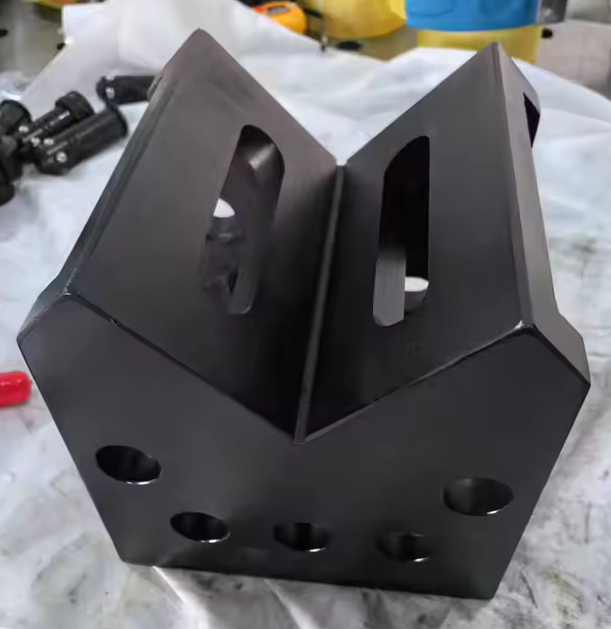
A CNC plasma fabrication table is a computer-controlled cutting system that uses a high-velocity jet of ionized gas (plasma) to cut electrically conductive materials, primarily steel, stainless steel, and aluminum. The process works by generating an electrical arc between an electrode inside the torch and the workpiece, superheating the gas into plasma state to melt the metal, while high-pressure gas blows the molten material away. This technology enables precise, automated shaping of complex geometries with minimal manual intervention, serving as a cornerstone for modern metal fabrication shops aiming for efficiency and repeatability.
The Core Mechanics: How a CNC Plasma Table Operates
Understanding how a CNC plasma fabrication table works requires breaking down the interaction between its three primary subsystems: the power supply, the CNC motion controller, and the plasma torch. Unlike manual cutting methods, this integrated system ensures that every cut follows a digital blueprint with micron-level precision.
1. The Plasma Arc Generation Process
The heart of the system is the plasma arc. When the operator initiates a cut, the power supply generates a direct current (DC). This current flows through the electrode and jumps to the workpiece, creating a pilot arc. Simultaneously, a gas—such as compressed air, oxygen, nitrogen, or argon-hydrogen mixtures—is forced through the torch nozzle at high velocity.
The transformation occurs in milliseconds:
- Ionization: The electrical energy strips electrons from the gas atoms, turning the gas into plasma, the fourth state of matter.
- Constriction: The nozzle constricts the plasma stream, increasing its velocity and temperature, which can exceed 20,000°C (36,000°F).
- Cutting: This concentrated heat melts the metal locally, while the kinetic energy of the gas ejects the molten slag from the kerf (the cut width).
2. CNC Motion Control and G-Code Interpretation
While the plasma torch provides the cutting force, the CNC (Computer Numerical Control) unit provides the intelligence. The machine operates based on G-code, a programming language that dictates coordinate positions, feed rates, and torch height.
The CNC controller manages the X and Y axes to move the torch across the material. In high-end fabrication tables, a Z-axis is also controlled to maintain the optimal stand-off distance between the torch tip and the metal surface. Maintaining this distance is critical; if the torch is too high, the cut quality degrades due to arc divergence. If it is too low, the nozzle may collide with the workpiece or suffer from excessive splashback.
3. Automatic Torch Height Control (THC)
A defining feature of professional-grade CNC plasma tables is the Automatic Torch Height Control (THC) system. As the plasma arc cuts through the metal, the voltage across the arc changes relative to the distance between the torch and the plate. The THC monitors this arc voltage in real-time.
If the plate warps or has uneven surfaces, the THC automatically adjusts the Z-axis height to keep the voltage constant. This ensures consistent cut quality throughout the entire job, preventing beveled edges or incomplete cuts. For manufacturers like Botou Haijun Metal Products Co., Ltd., precision in positioning is not just about the cutting tool but also about how the workpiece is secured and aligned during this dynamic process.
Key Components of a CNC Plasma Fabrication System
To fully grasp how these tables function, one must understand the hardware ecosystem that supports the cutting process. Each component plays a specific role in ensuring stability, accuracy, and safety.
| Component | Function | Impact on Performance |
| Power Supply | Converts AC line voltage to DC and regulates current output. | Determines maximum cut thickness and speed. Higher amperage allows for thicker materials. |
| CNC Controller | Interprets CAD/CAM files and drives stepper/servo motors. | Dictates positioning accuracy, acceleration, and cornering smoothness. |
| Plasma Torch | Houses the electrode, nozzle, and shield cap. | Directly affects cut width (kerf), edge squareness, and consumable life. |
| Cutting Table Bed | Supports the material and allows slag to fall through. | Prevents back-reflection of the arc and minimizes distortion. Common types include slat, water, and downdraft tables. |
| Fume Extraction | Removes hazardous smoke and particulates. | Essential for operator health and compliance with environmental regulations. |
The Role of Fixturing and Workholding in Plasma Cutting
While the plasma cutter removes material, the integrity of the final product depends heavily on how the raw material is held in place. This is where the expertise of companies specializing in modular fixturing becomes invaluable. Even the most advanced CNC plasma table cannot compensate for a workpiece that shifts, vibrates, or lacks proper reference points during secondary operations like welding or assembly.
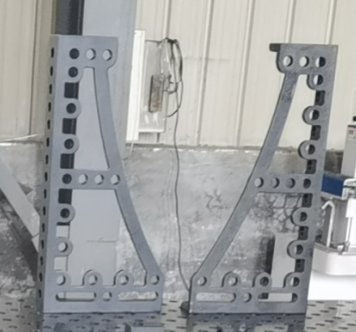
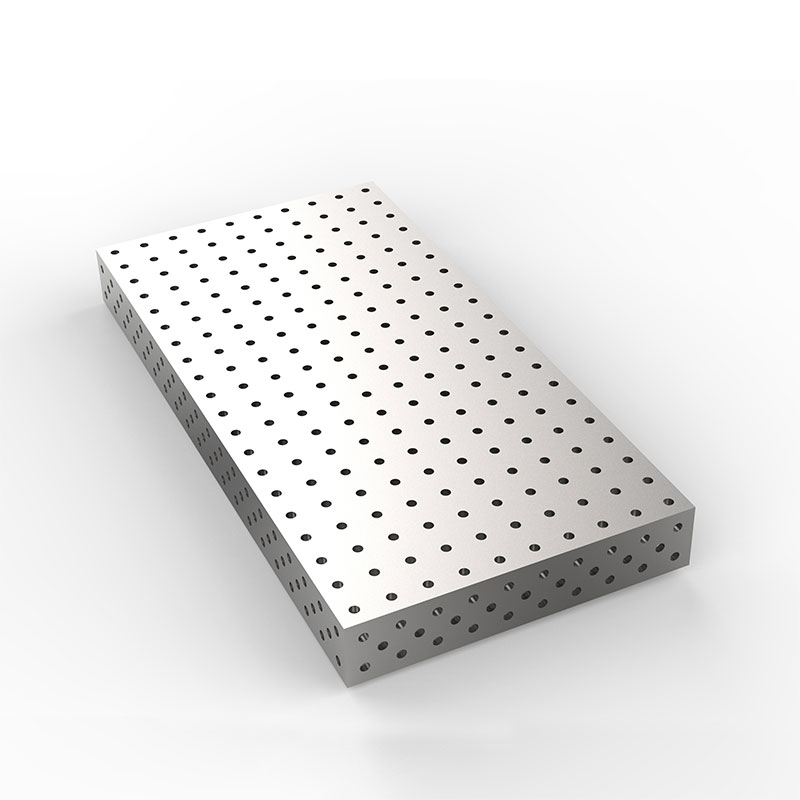
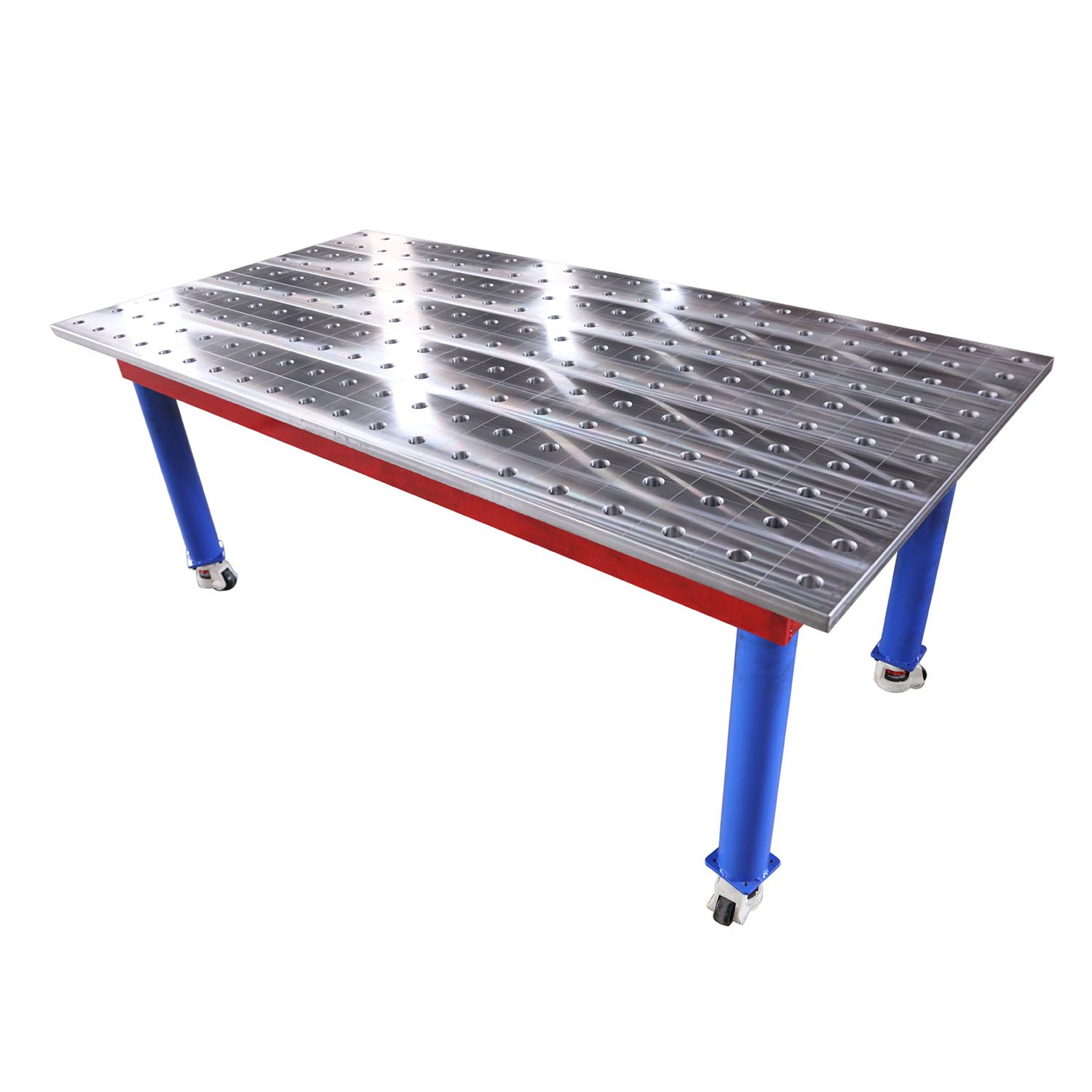
Botou Haijun Metal Products Co., Ltd. specializes in the research, development, and production of high-precision flexible modular fixtures and metalworking tools. Their commitment to providing efficient and flexible welding and positioning solutions complements the plasma cutting workflow perfectly. After parts are cut, they often require immediate fixturing for welding assemblies. Haijun’s core product line, including 2D and 3D flexible welding platforms, ensures that the precision achieved during plasma cutting is maintained through subsequent manufacturing stages.
Integration with Flexible Welding Platforms
In a typical fabrication shop, plasma-cut parts are moved directly to welding stations. Here, the versatility of Haijun’s 2D and 3D flexible welding platforms becomes apparent. These platforms serve as the preferred jigging equipment in machining, automotive, and aerospace industries due to their exceptional versatility and precision.
The synergy between plasma cutting and modular fixturing involves:
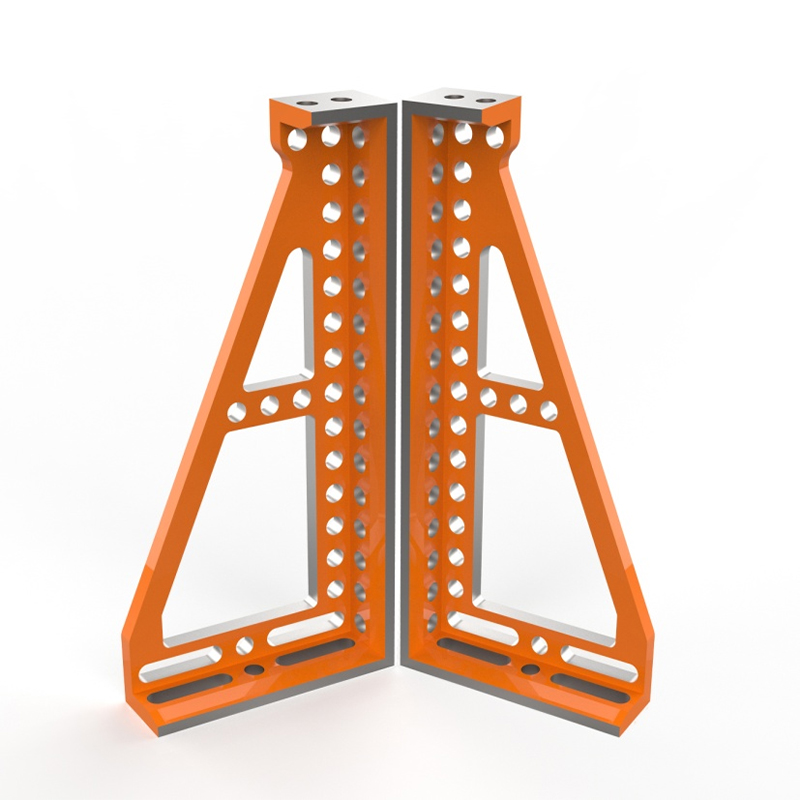
- Rapid Positioning: Cut components can be quickly aligned using Haijun’s U-shaped and L-shaped multi-purpose square boxes.
- Angular Accuracy: The 0-225° universal angle gauges allow fabricators to set complex angles for welded assemblies without custom jigs.
- Structural Stability: The 200-series support angle irons and cast iron 3D welding platforms provide the rigid base needed to prevent distortion during the heat-intensive welding process.
This holistic approach—combining precise cutting with robust fixturing—reduces overall production time and minimizes rework caused by misalignment.
Step-by-Step Workflow: From Design to Cut
Operating a CNC plasma fabrication table follows a logical sequence. Adhering to this workflow ensures optimal results and extends the lifespan of the equipment.
Step 1: CAD Design and CAM Nesting
The process begins with a Computer-Aided Design (CAD) file, typically in DXF or DWG format. This file defines the geometry of the parts. Next, Computer-Aided Manufacturing (CAM) software is used to “nest” these parts onto a virtual sheet of metal. Nesting optimizes material usage by arranging parts closely together, minimizing scrap.
Key Consideration: During nesting, the operator must account for the “kerf”—the width of the material removed by the plasma arc. Failure to compensate for kerf will result in parts that are slightly undersized.
Step 2: Machine Setup and Material Loading
The metal sheet is loaded onto the cutting table. It must be flat and free of excessive rust or paint, which can interfere with the arc initiation. Using grounding clamps, the workpiece is electrically connected to the plasma power supply. Poor grounding is a common cause of cut failures.
At this stage, if the shop utilizes Botou Haijun Metal Products accessories, the surrounding area might already be prepped with modular stops or references to streamline the post-cut handling process.
Step 3: Parameter Selection
The operator selects the appropriate cutting parameters based on material type and thickness. These parameters include:
- Amperage: Higher amps for thicker materials.
- Gas Type: Air for mild steel up to 25mm; Oxygen for cleaner cuts on mild steel; Nitrogen/Argon mixes for stainless steel and aluminum.
- Cut Speed: Too slow causes excessive dross (slag buildup); too fast results in incomplete cuts.
- Pierce Height and Cut Height: Critical for protecting the torch and ensuring quality.
Step 4: Execution and Monitoring
Once the program starts, the CNC moves the torch to the pierce point. The plasma arc ignites, pierces the material, and begins the cut path. The operator monitors the first few seconds to ensure the arc is stable and the slag is ejecting correctly from the bottom of the plate.
Step 5: Post-Cut Handling
After the cycle completes, the parts are unloaded. Edges may require light grinding to remove minor dross. This is where the transition to welding fixturing occurs. Utilizing Haijun’s comprehensive range of complementary components, such as angle connection blocks and support irons, fabricators can immediately begin assembling the cut parts into larger structures with guaranteed alignment.
Advantages of CNC Plasma Fabrication Tables
Why do modern manufacturers choose CNC plasma over other cutting methods? The benefits are rooted in speed, cost-effectiveness, and versatility.
1. High Cutting Speed
Plasma cutting is significantly faster than oxy-fuel cutting for materials under 25mm (1 inch). For medium-thickness steel, it offers a superior balance of speed and edge quality. This throughput is essential for high-volume production environments.
2. Versatility in Materials
Unlike oxy-fuel, which is limited to ferrous metals, plasma can cut any electrically conductive material. This includes:
- Mild Steel
- Stainless Steel
- Aluminum
- Copper and Brass (with specialized tips)
3. Lower Operational Costs
While the initial investment in a CNC plasma table is higher than manual tools, the operational cost per part is low. There is no need for expensive fuel gases like acetylene when using air plasma. Furthermore, the automation reduces labor costs, as one operator can manage multiple machines.
4. Precision and Repeatability
Modern CNC systems offer tolerances within ±0.5mm. This level of precision ensures that parts fit together correctly during assembly, reducing the need for forceful fitting or extensive rework. When paired with high-quality fixturing solutions from trusted suppliers like Botou Haijun Metal Products Co., Ltd., the entire fabrication workflow achieves a level of dimensional stability that is critical for aerospace and automotive applications.
Common Challenges and Troubleshooting
Even with advanced technology, operators may encounter issues. Understanding these challenges helps in maintaining consistent quality.
Excessive Dross Formation
Dross is the resolidified slag that sticks to the bottom edge of the cut. Low-speed dross is hard and difficult to remove, often caused by cutting too slowly. High-speed dross is softer and angled, caused by cutting too fast. Adjusting the feed rate and ensuring the correct amperage usually resolves this.
Beveled Edges
Plasma arcs naturally have a slight cone shape, leading to beveled edges. To minimize this:
- Use a shielded torch with a swirl ring to stabilize the arc.
- Ensure the torch is perfectly perpendicular to the workpiece.
- Consider high-definition plasma systems for near-vertical edges.
Nozzle and Electrode Wear
Consumables have a finite life. Signs of wear include wider kerfs, difficulty starting the arc, and erratic cut paths. Regular inspection and timely replacement are crucial. Using high-quality consumables recommended by the manufacturer extends uptime.
Selection Guide: Choosing the Right CNC Plasma Table
Selecting the right equipment depends on your specific production needs. Here are key factors to consider:
| Factor | Recommendation |
| Material Thickness | Choose amperage based on max thickness. For 25mm steel, a 100-130A system is ideal. For 50mm+, look at 200A+. |
| Table Size | Match table dimensions to standard sheet sizes (e.g., 4×8 ft, 5×10 ft) to minimize material waste. |
| Cutting Method | Downdraft tables are cost-effective for general use. Water tables reduce noise and fumes but require maintenance. Slat tables are durable and easy to maintain. |
| Fixturing Compatibility | Ensure your downstream welding setup supports the precision of the cut. Invest in modular fixturing like Haijun’s 2D/3D platforms to maximize ROI. |
| Software Integration | Look for controllers that support common CAD formats and offer intuitive nesting software. |
FAQ: People Also Ask
What is the difference between CNC plasma and laser cutting?
Laser cutting offers higher precision and narrower kerfs, making it ideal for thin sheets and intricate details. However, lasers are significantly more expensive to purchase and operate. CNC plasma is more cost-effective for thicker materials (6mm and above) and offers faster cutting speeds for heavy industrial applications. Plasma is also more forgiving of rusty or painted surfaces compared to laser.
How thick can a CNC plasma table cut?
The cutting capacity depends on the power supply’s amperage. A standard 40A unit can cleanly cut up to 10mm. Industrial units ranging from 100A to 400A can cut steel from 25mm up to 150mm, though edge quality decreases at maximum capacities. For most fabrication shops, a 100-130A system provides the best balance for materials up to 25mm.
Why is my plasma cut not square?
Non-square cuts are often due to incorrect torch height, worn consumables, or mechanical play in the gantry. Ensure the THC is calibrated correctly. Check that the torch is perpendicular to the plate. If the issue persists, inspect the rack and pinion or ball screw drives for backlash.
Can I cut aluminum with a CNC plasma table?
Yes, plasma cutting is excellent for aluminum. However, aluminum reflects heat and conducts it rapidly, requiring higher amperage than steel of the same thickness. Using nitrogen or argon-hydrogen gas mixes improves cut quality and reduces oxidation on the edge.
Maintenance Best Practices for Longevity
To ensure your CNC plasma fabrication table remains productive, regular maintenance is non-negotiable.
- Daily: Clean the torch head, check gas lines for leaks, and remove slag from the table slats.
- Weekly: Inspect cables for wear, lubricate guide rails and bearings, and check the grounding clamp connection.
- Monthly: Calibrate the THC sensor, inspect the coolant system (if water-cooled), and verify the squareness of the gantry.
- Annually: Replace air filters, check electrical connections for tightness, and service the compressor.
Proper maintenance not only extends equipment life but also ensures that the precision required for downstream processes—such as welding on Botou Haijun flexible platforms—is consistently met.
Conclusion: Integrating Precision Cutting with Efficient Assembly
A CNC plasma fabrication table is more than just a cutting tool; it is the starting point of a streamlined manufacturing workflow. By understanding how it works—from arc generation to CNC motion control—fabricators can optimize their operations for speed, quality, and cost-efficiency. The technology allows for the rapid transformation of raw metal into precise components, ready for assembly.
However, the value of precise cutting is fully realized only when paired with equally precise assembly solutions. This is where the strategic integration of high-quality fixturing becomes essential. Botou Haijun Metal Products Co., Ltd. stands out as a trusted supplier in this domain, offering 2D and 3D flexible welding platforms, universal angle gauges, and modular accessories that seamlessly integrate with the output of plasma cutting systems. Their products ensure that the accuracy achieved during cutting is preserved during welding and positioning, reducing errors and accelerating production cycles in industries ranging from automotive to aerospace.
For manufacturers looking to enhance their fabrication capabilities, investing in a reliable CNC plasma system is the first step. Complementing this with robust, flexible workholding solutions ensures a cohesive, efficient, and high-quality production line.
Ready to optimize your fabrication workflow?
Whether you need guidance on selecting the right plasma parameters or exploring modular fixturing solutions to streamline your assembly process, our team is here to help. Discover how our high-precision tools can elevate your manufacturing efficiency.
Explore Our Flexible Welding Platforms and Metalworking Tools