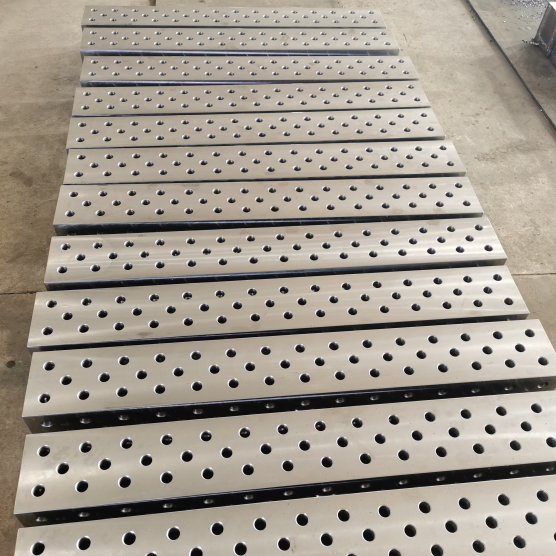
Sand cast aluminum parts are metal components manufactured by pouring molten aluminum alloy into a sand mold cavity. This casting method is ideal for producing complex geometries, large-scale components, and low-to-medium volume runs with high dimensional accuracy. As a specialized manufacturer, we provide end-to-end solutions from pattern design to final machining, ensuring compliance with international standards such as ISO 9001 and ASTM. Our sand cast aluminum parts serve critical industries including automotive, aerospace, industrial machinery, and energy sectors, offering a balance of cost-efficiency, mechanical strength, and design flexibility.
What Are Sand Cast Aluminum Parts?
Sand casting is one of the oldest and most versatile metal forming processes. When applied to aluminum alloys, it allows for the creation of intricate shapes that would be difficult or prohibitively expensive to produce via die casting or machining from solid stock. The process utilizes a reusable pattern to create a sand mold, which is then filled with molten aluminum. Once cooled, the sand is broken away to reveal the raw casting, which may undergo further heat treatment or CNC machining to meet precise tolerances.
The core advantage of sand cast aluminum parts lies in their adaptability. Unlike high-pressure die casting, which requires expensive steel molds and is best suited for millions of identical parts, sand casting uses relatively inexpensive sand molds. This makes it economically viable for prototyping, custom orders, and production runs ranging from single units to thousands of pieces. The resulting components exhibit excellent mechanical properties, particularly when using high-grade aluminum-silicon (Al-Si) or aluminum-magnesium (Al-Mg) alloys.
Key Characteristics of Aluminum Sand Casting
- Complex Geometry Capability: Undercuts, internal passages, and varying wall thicknesses can be incorporated directly into the mold design.
- Size Flexibility: Capable of producing parts weighing from a few kilograms to several tons, limited primarily by foundry capacity.
- Material Versatility: Compatible with a wide range of aluminum alloys, allowing engineers to select specific grades for strength, corrosion resistance, or weldability.
- Cost-Effective Tooling: Pattern costs are significantly lower than steel dies, reducing upfront investment for new product launches.
The Sand Casting Process: Step-by-Step Manufacturing Logic
Understanding the manufacturing workflow is essential for buyers to appreciate the quality control measures inherent in producing high-performance sand cast aluminum parts. The process is not merely about pouring metal; it involves precise engineering at every stage to prevent defects such as porosity, shrinkage, or sand inclusion.
1. Pattern Making and Mold Design
The process begins with the creation of a pattern, typically made from wood, plastic, or metal, which replicates the final part’s geometry. Engineers must account for “shrinkage allowance,” as aluminum contracts upon cooling. Modern facilities often use CAD/CAM software to design patterns and gating systems that ensure optimal metal flow and minimize turbulence. The gating system includes the sprue, runners, and risers, which guide the molten metal into the mold and compensate for volume loss during solidification.
2. Mold Preparation
The pattern is placed in a molding box, and specialized sand is packed around it. In modern foundries, green sand (silica sand mixed with clay and water) or resin-bonded sand (no-bake) is used. Resin-bonded sands offer higher dimensional stability and smoother surface finishes, which are critical for precision sand cast aluminum parts. Once the sand hardens, the pattern is removed, leaving a cavity ready for pouring. Cores, made from sand and binder, are inserted if the part requires internal hollow sections.
3. Melting and Pouring
Aluminum ingots or scrap are melted in induction or gas-fired furnaces at temperatures between 660°C and 750°C. Strict chemical composition analysis is performed to ensure the alloy meets specifications such as A356 or A380. Before pouring, the molten metal undergoes degassing and filtration to remove hydrogen gas and non-metallic inclusions. This step is vital for preventing porosity, a common defect in aluminum casting. The metal is then poured into the mold cavity through the gating system.
4. Cooling and Shakeout
After pouring, the mold is allowed to cool until the aluminum solidifies completely. Cooling time depends on the part’s thickness and complexity. Once solidified, the sand mold is broken apart in a shakeout process. The rough casting, still attached to the gating system and risers, is removed. At this stage, visual inspections are conducted to identify major surface defects.
5. Cleaning and Finishing
The gates and risers are cut off using saws or grinding wheels. The casting surface is cleaned via shot blasting to remove residual sand and improve surface texture. For sand cast aluminum parts requiring tight tolerances, CNC machining is performed on critical faces, holes, and mounting points. Finally, heat treatment (such as T6 tempering) may be applied to enhance mechanical properties like tensile strength and hardness.
Advantages of Sand Cast Aluminum Over Other Methods
When selecting a manufacturing process, engineers must weigh factors such as volume, complexity, cost, and material properties. While die casting and investment casting have their places, sand casting offers distinct advantages for specific applications. Below is a detailed comparison to help clarify why sand cast aluminum parts are often the preferred choice for industrial and automotive components.
| Feature | Sand Casting | High-Pressure Die Casting (HPDC) | Investment Casting |
| Tooling Cost | Low to Medium | Very High | Medium |
| Production Volume | Low to High (Flexible) | Very High Mass Production | Low to Medium |
| Part Size | Small to Very Large | Limited by Machine Capacity | Small to Medium |
| Surface Finish | Moderate (Ra 6.3–12.5 μm) | Excellent (Ra 1.6–3.2 μm) | Excellent (Ra 1.6–3.2 μm) |
| Internal Complexity | High (Using Cores) | Moderate (Limited by Ejectors) | Very High |
| Lead Time | Short (Quick Pattern Making) | Long (Steel Die Fabrication) | Medium |
| Material Properties | Good Mechanical Strength | Potential Porosity Issues | High Precision, Good Finish |
Why Choose Sand Casting for Industrial Applications?
For many B2B buyers, the flexibility of sand casting is the deciding factor. In industries like heavy machinery or energy, parts are often large and produced in moderate quantities. Investing in steel dies for die casting would be financially unjustifiable. Sand casting allows for rapid iteration during the product development phase. If a design change is required, modifying a wooden or resin pattern is far quicker and cheaper than re-machining a steel die.
Furthermore, sand casting supports a wider range of aluminum alloys. Some high-strength or high-temperature alloys are difficult to cast under high pressure due to their fluidity characteristics. Sand casting’s gravity-fed or low-pressure filling mechanism reduces turbulence, allowing these specialized alloys to fill complex molds without premature solidification or air entrapment.
Common Aluminum Alloys Used in Sand Casting
The performance of sand cast aluminum parts is heavily dependent on the alloy selected. Different alloys offer varying levels of castability, strength, corrosion resistance, and machinability. Understanding these differences is crucial for specifying the right material for your application.
A356 (Al-Si-Mg Alloy)
A356 is arguably the most popular alloy for high-quality sand casting. It offers an excellent combination of castability, mechanical properties, and pressure tightness. After T6 heat treatment, A356 exhibits high tensile strength and good elongation, making it ideal for structural components such as automotive wheels, pump housings, and aircraft parts. Its low iron content ensures good corrosion resistance and ductility.
A380 (Al-Si-Cu Alloy)
While more commonly associated with die casting, A380 is also used in sand casting for parts requiring high fluidity and moderate strength. The addition of copper improves hardness and tensile strength but reduces corrosion resistance compared to A356. It is often chosen for engine blocks and transmission cases where wear resistance is critical.
A319 and A333
These alloys are designed for elevated temperature applications. A319, containing copper and silicon, retains its strength at higher operating temperatures, making it suitable for cylinder heads and exhaust manifolds. A333 offers better corrosion resistance and is often used in marine environments or chemical processing equipment.
ZL101 and ZL104 (Chinese Standards)
In international trade, you may encounter Chinese standard alloys like ZL101 (equivalent to A356) and ZL104. These materials are widely available and cost-effective, providing reliable performance for general industrial applications. Ensuring that the supplier adheres to strict chemical composition controls is vital when sourcing these grades.
Design Guidelines for Optimizing Sand Cast Aluminum Parts
To maximize the quality and cost-efficiency of sand cast aluminum parts, designers should follow specific guidelines. Poor design can lead to defects such as shrinkage cavities, warping, or excessive machining costs. Collaborating with experienced foundry engineers early in the design phase can prevent these issues.
Uniform Wall Thickness
Variations in wall thickness cause uneven cooling rates, leading to internal stresses and shrinkage defects. Designers should aim for uniform wall thickness throughout the part. Where changes in thickness are necessary, gradual transitions using fillets and radii should be employed to reduce stress concentration and improve metal flow.
Draft Angles
Draft angles are tapers added to vertical surfaces to facilitate the removal of the pattern from the sand mold. Without adequate draft, the pattern can damage the mold cavity during extraction, resulting in defective castings. Typical draft angles range from 1° to 3°, depending on the depth of the feature and the surface finish required.
Fillets and Radii
Sharp corners act as stress concentrators and can hinder the flow of molten metal. Adding fillets to internal corners and radii to external corners improves the structural integrity of the part and reduces the risk of cracking during cooling. Fillets also help in distributing heat more evenly, minimizing thermal gradients.
Core Prints and Parting Lines
If the part has internal features, cores are used. Core prints are extensions on the pattern that support the core within the mold. Designers must ensure that core prints are robust enough to hold the core in place against the buoyancy of the molten metal. Additionally, the location of the parting line (where the two halves of the mold meet) should be planned to minimize flash and simplify machining.
Quality Control and Inspection Standards
Trustworthiness in manufacturing is built on rigorous quality control. For sand cast aluminum parts, ensuring dimensional accuracy and internal integrity is paramount. Reputable manufacturers implement multi-stage inspection protocols aligned with international standards.
Dimensional Inspection
Coordinate Measuring Machines (CMM) are used to verify that critical dimensions match the CAD drawings. First Article Inspection (FAI) reports are generated for new projects to validate the tooling and process capability. Regular spot checks during production runs ensure consistency.
Non-Destructive Testing (NDT)
- X-Ray Inspection: Detects internal voids, porosity, and inclusions that are not visible on the surface. This is critical for pressure-bearing components like valve bodies.
- Dye Penetrant Testing: Identifies surface-breaking cracks and leaks. The part is coated with a fluorescent dye, which seeps into defects and is revealed under UV light.
- Ultrasonic Testing: Used for thicker sections to detect subsurface flaws and measure material thickness.
Mechanical Property Testing
Tensile test bars are cast alongside the production parts and subjected to heat treatment. These bars are then tested for yield strength, tensile strength, and elongation to ensure the material meets the specified alloy standards. Hardness testing (Brinell or Rockwell) is also performed to verify heat treatment effectiveness.
Applications of Sand Cast Aluminum Parts Across Industries
The versatility of sand cast aluminum parts makes them indispensable across a broad spectrum of industries. Their ability to combine light weight with durability drives innovation in sectors ranging from transportation to energy generation.
Automotive and Transportation
The push for fuel efficiency and electric vehicle (EV) range extension has increased the demand for lightweight components. Sand casting is used to produce engine blocks, cylinder heads, transmission housings, and suspension components. In EVs, large structural battery trays and motor housings are increasingly sand cast to reduce overall vehicle weight while maintaining structural rigidity.
Aerospace and Defense
Aerospace components require high strength-to-weight ratios and reliability. Sand cast aluminum parts are used in aircraft engine housings, landing gear components, and avionics enclosures. The ability to cast complex internal cooling channels in turbine components is a significant advantage of this process.
Industrial Machinery and Robotics
Heavy-duty machinery relies on durable housings for pumps, compressors, and gearboxes. Sand casting allows for the integration of mounting bosses, ribs, and cooling fins into a single component, reducing assembly time and potential leak points. In robotics, lightweight yet rigid frames improve speed and energy efficiency.
Energy and Oil & Gas
Components in this sector must withstand harsh environments, high pressures, and corrosive substances. Sand cast aluminum parts, particularly those made from corrosion-resistant alloys, are used in valve bodies, heat exchangers, and drilling equipment. The integrity of these parts is critical for safety and operational continuity.
Common Defects and How to Prevent Them
Even with advanced processes, defects can occur. Understanding these potential issues helps buyers evaluate supplier competence and set realistic quality expectations.
Porosity
Porosity refers to small voids or holes within the casting, caused by trapped gas or shrinkage. Gas porosity results from inadequate venting or moisture in the sand, while shrinkage porosity occurs due to improper gating or cooling rates. Prevention involves proper mold venting, controlling sand moisture, and optimizing riser design to feed liquid metal during solidification.
Sand Inclusion
This defect occurs when sand particles become embedded in the metal surface. It is usually caused by erosion of the mold cavity during pouring or poor mold strength. Using high-quality bonded sands and optimizing pouring speed can mitigate this issue.
Misruns and Cold Shuts
If the molten metal cools too quickly before filling the mold, incomplete casting (misrun) or cold shuts (where two streams of metal meet but do not fuse) can occur. This is prevented by ensuring adequate superheat temperature and designing efficient gating systems.
How to Choose a Reliable Sand Cast Aluminum Manufacturer
Selecting the right partner for your sand cast aluminum parts is critical to project success. Beyond price, several factors determine a supplier’s ability to deliver consistent quality.
Technical Expertise and Engineering Support
Look for a manufacturer with in-house engineering capabilities. They should be able to review your CAD files, suggest design improvements for castability, and simulate the casting process using software like MagmaSoft or ProCAST. This proactive approach reduces trial-and-error costs and shortens lead times.
Certifications and Compliance
Verify that the supplier holds relevant certifications such as ISO 9001 for quality management. For automotive suppliers, IATF 16949 certification is a strong indicator of process discipline. If your parts are for specific industries, check for compliance with ASTM, DIN, or JIS standards.
Production Capacity and Lead Times
Assess whether the foundry can handle your volume requirements. Do they have multiple molding lines? What is their typical lead time for prototypes versus mass production? A flexible supplier can scale up production as your demand grows, ensuring supply chain stability.
Quality Assurance Infrastructure
Visit the facility if possible, or request a virtual tour. Check for modern inspection equipment such as CMMs, X-ray machines, and spectrometers. A transparent QA process, where test reports are shared openly, builds trust and ensures accountability.
FAQ: Frequently Asked Questions About Sand Cast Aluminum Parts
What is the typical tolerance for sand cast aluminum parts?
Standard tolerances for sand casting are generally around ±0.5mm to ±1.0mm for dimensions up to 100mm, with proportional increases for larger parts. However, tighter tolerances can be achieved through secondary CNC machining. It is important to specify critical dimensions clearly in your drawings to focus machining efforts where needed.
Can sand cast aluminum parts be welded?
Yes, most aluminum sand casting alloys, particularly A356 and A380, are weldable. However, welding parameters must be carefully controlled to avoid weakening the heat-treated structure. Post-weld heat treatment may be required to restore mechanical properties. TIG (Tungsten Inert Gas) welding is commonly used for repair or assembly.
What is the minimum order quantity (MOQ) for sand casting?
One of the key benefits of sand casting is the low MOQ. Since patterns are inexpensive, manufacturers can produce small batches economically. MOQs can range from a single prototype unit to hundreds of pieces, depending on the complexity of the part and the foundry’s setup costs.
How does sand casting compare to 3D printing for aluminum parts?
3D printing (Additive Manufacturing) is excellent for highly complex, low-volume prototypes without tooling. However, for volumes above 50–100 units, sand casting becomes more cost-effective. Sand casting also offers superior mechanical properties and material density compared to some metal 3D printing processes. Hybrid approaches, such as 3D printed sand molds, are emerging to combine the benefits of both technologies.
What surface finish can be expected?
As-cast surface finish typically ranges from Ra 6.3 to 12.5 micrometers. This is rougher than die casting but sufficient for many industrial applications. If a smoother finish is required, shot blasting, tumbling, or machining can be applied. Powder coating or anodizing can also be used for aesthetic and corrosion protection purposes.
Conclusion: Partnering for Precision and Performance
Sand cast aluminum parts represent a cornerstone of modern industrial manufacturing, offering an unmatched blend of design freedom, material performance, and economic efficiency. Whether you are developing a new automotive component, upgrading industrial machinery, or sourcing parts for energy infrastructure, understanding the nuances of sand casting empowers you to make informed decisions.
By leveraging the expertise of a dedicated manufacturer, you can navigate the complexities of alloy selection, design optimization, and quality assurance. The result is a component that not only meets technical specifications but also enhances the overall value of your final product. From prototype to production, the right partnership ensures reliability, scalability, and competitive advantage.
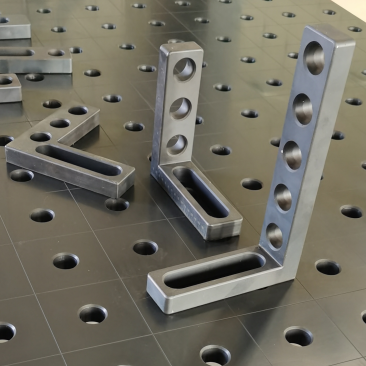
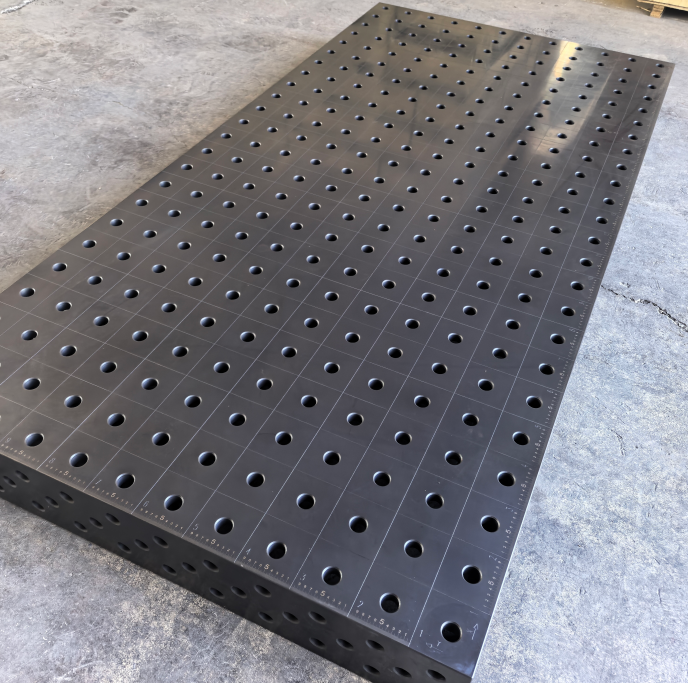
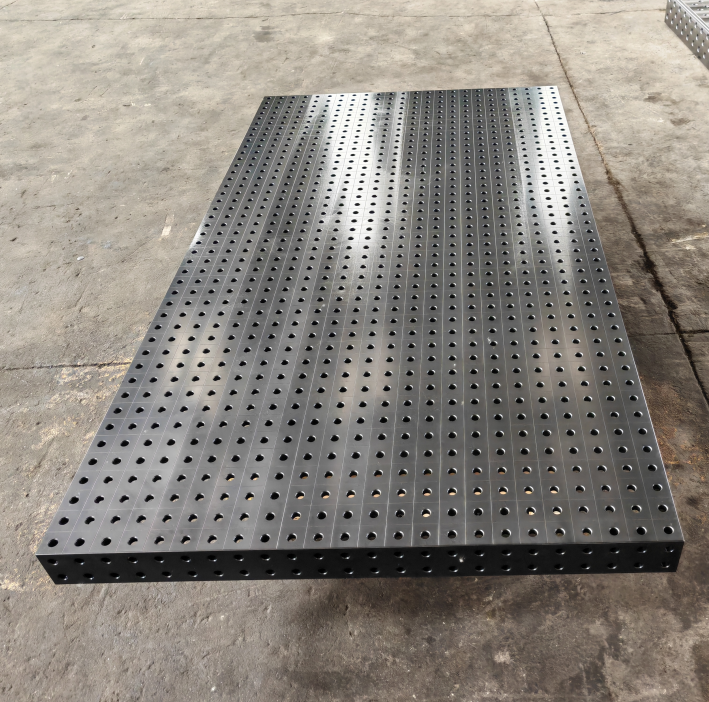
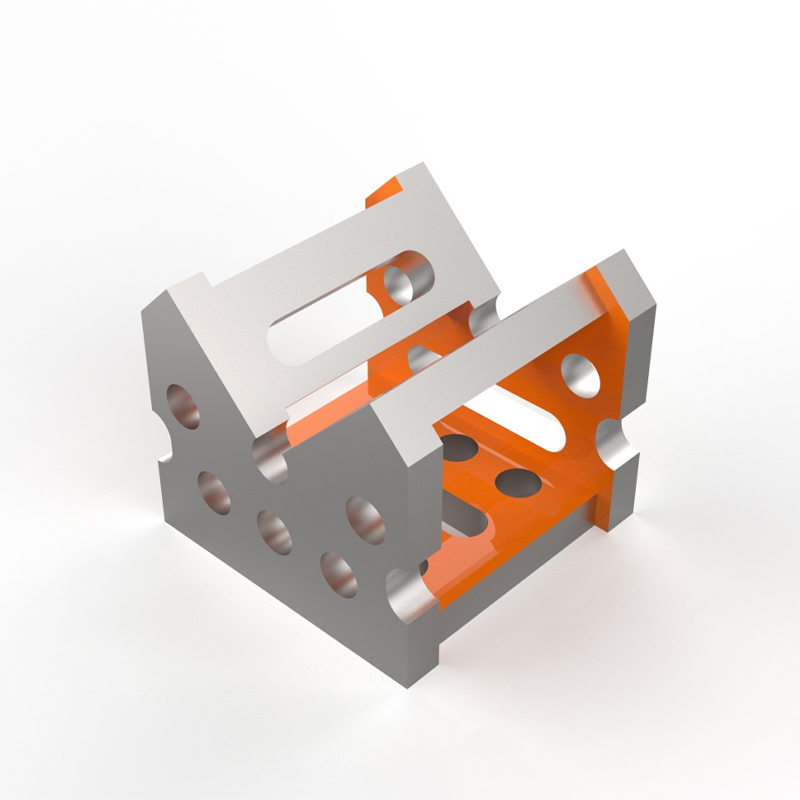
At Botou Haijun Metal Products Co., Ltd., we understand that precision doesn’t stop at the casting stage. While we specialize in the research, development, and production of high-precision flexible modular fixtures and metalworking tools, our commitment to providing efficient welding and positioning solutions complements the manufacturing ecosystem. Our core product line, including 2D and 3D flexible welding platforms, along with accessories like U-shaped/L-shaped square boxes and universal angle gauges, serves the same demanding sectors—machining, automotive, and aerospace—that rely on high-quality sand cast aluminum parts. Just as our cast iron 3D welding platforms ensure exceptional durability and stability for assembly, our approach to manufacturing partnerships emphasizes precision and reliability. We are dedicated to supporting the modern manufacturing industry by ensuring that every component, from the initial cast to the final assembled product, meets the highest standards of quality.
If you are looking for a trusted supplier to bring your designs to life, consider our comprehensive manufacturing services. We combine traditional craftsmanship with modern technology to deliver high-quality sand cast aluminum parts tailored to your specific needs. Contact our engineering team today to discuss your project requirements, request a quote, or learn more about our capabilities.