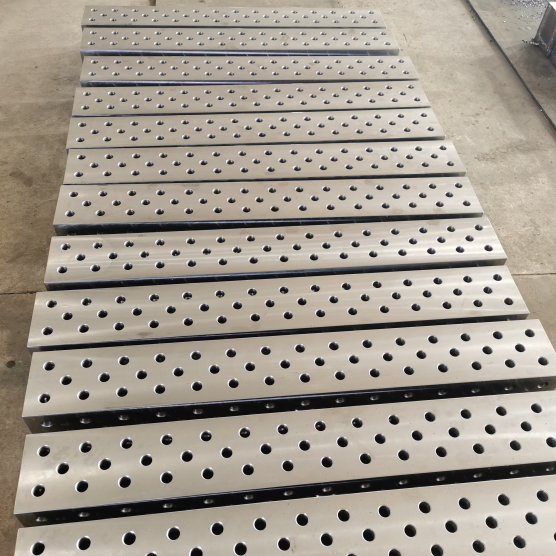
Die cast aluminum parts are precision-engineered metal components produced by forcing molten aluminum alloy into a mold cavity under high pressure. This manufacturing process, known as high-pressure die casting (HPDC), enables the mass production of complex geometries with tight tolerances, excellent surface finishes, and superior strength-to-weight ratios. As a leading manufacturer and supplier, we specialize in delivering high-quality aluminum die castings for automotive, aerospace, consumer electronics, and industrial machinery sectors. Our capabilities span from prototype development to large-scale production, ensuring consistent dimensional accuracy and mechanical integrity for critical applications.
What Are Die Cast Aluminum Parts?
Die cast aluminum parts are structural or functional components created through the die casting process. Unlike sand casting or gravity casting, die casting utilizes reusable steel molds, called dies, to shape molten aluminum. The process involves injecting liquid aluminum into the die cavity at speeds ranging from 10 to 175 meters per second, ensuring the metal fills every intricate detail before solidifying.
The resulting components are characterized by their thin walls, smooth surfaces, and high dimensional stability. These attributes make die cast aluminum ideal for applications where weight reduction, thermal conductivity, and aesthetic appeal are paramount. In 2026, the demand for these parts continues to surge, driven by the electric vehicle (EV) revolution and the miniaturization of electronic devices.
The Die Casting Process Explained
Understanding the production lifecycle is essential for evaluating quality and lead times. The manufacturing of die cast aluminum parts follows a rigorous sequence:
- Mold Preparation: The steel dies are cleaned, preheated, and lubricated to facilitate easy ejection and prevent thermal shock.
- Clamping: The two halves of the die are securely clamped together using a high-tonnage machine to withstand the injection pressure.
- Injection: Molten aluminum (typically between 660°C and 720°C) is injected into the cavity. This phase lasts only milliseconds.
- Cooling: The aluminum solidifies rapidly within the water-cooled die channels, forming the final shape.
- Ejection: The die opens, and ejector pins push the solidified part out.
- Trimming and Finishing: Excess material, such as flash and sprues, is removed. Secondary operations like CNC machining, shot blasting, or powder coating may follow.
This cycle time is significantly shorter than other casting methods, allowing for high-volume output with minimal labor intervention. The repeatability of the process ensures that the thousandth part matches the first in terms of dimensional precision.
Why Choose Aluminum for Die Casting?
Aluminum is the most widely used non-ferrous metal in die casting due to its unique combination of physical and chemical properties. While magnesium and zinc are also castable, aluminum offers the best balance of performance, cost, and versatility for industrial applications.
Key Material Advantages
- Lightweight Strength: Aluminum has a density approximately one-third that of steel. This weight reduction is critical in automotive and aerospace industries for improving fuel efficiency and payload capacity.
- High Thermal Conductivity: Aluminum dissipates heat efficiently, making it the preferred choice for heat sinks, LED housings, and engine components.
- Corrosion Resistance: A natural oxide layer forms on aluminum surfaces, providing inherent protection against rust and environmental degradation. This reduces the need for heavy protective coatings.
- EMI/RFI Shielding: Aluminum provides effective shielding against electromagnetic and radio frequency interference, a crucial feature for telecommunications and consumer electronics enclosures.
- Recyclability: Aluminum is 100% recyclable without loss of quality. Using recycled aluminum (secondary aluminum) reduces energy consumption by up to 95% compared to primary production, aligning with global sustainability goals.
Common Aluminum Alloys for Die Casting
Selecting the right alloy is vital for meeting specific mechanical requirements. The most common alloys used in our manufacturing processes include:
| Alloy Series | Primary Elements | Key Characteristics | Typical Applications |
| A380 (ADC12) | Al-Si-Cu | Excellent fluidity, good mechanical properties, cost-effective. | Automotive engine blocks, gearbox housings, general hardware. |
| A360 | Al-Si-Mg | Superior corrosion resistance, high ductility, moderate strength. | Marine components, chemical equipment, outdoor fixtures. |
| A413 (ADC10) | Al-Si | High fluidity, low shrinkage, good pressure tightness. | Complex thin-walled parts, pump housings, hydraulic components. |
| A383 (ADC10) | Al-Si-Cu | Improved castability over A380, reduced hot tearing. | Intricate shapes, instrument cases, computer components. |
Each alloy offers distinct trade-offs between fluidity, strength, and corrosion resistance. Our engineering team assists clients in selecting the optimal alloy based on their operational environment and performance criteria.
Applications of Die Cast Aluminum Parts Across Industries
The versatility of die cast aluminum allows it to serve diverse sectors. In 2026, the integration of these components into advanced technologies has expanded their utility beyond traditional mechanical roles.
Automotive and Electric Vehicles (EVs)
The automotive industry is the largest consumer of die cast aluminum parts. The shift toward electrification has intensified the need for lightweight structures to offset battery weight. Key applications include:
- Powertrain Components: Engine blocks, cylinder heads, transmission cases, and oil pans benefit from aluminum’s thermal management and weight savings.
- Structural Parts: Shock towers, cross car beams, and door frames utilize high-vacuum die casting to achieve structural integrity comparable to steel but at a fraction of the weight.
- Battery Housings: EV battery trays require precise dimensions, thermal conductivity, and EMI shielding. Die cast aluminum provides a robust, sealed enclosure that protects sensitive battery cells.
- Chassis Components: Suspension arms and steering knuckles are increasingly made from aluminum to improve handling and reduce unsprung mass.
Consumer Electronics and Telecommunications
As devices become smaller and more powerful, heat dissipation becomes a critical design challenge. Die cast aluminum parts are integral to:
- Heat Sinks: Complex fin structures created via die casting maximize surface area for efficient cooling of CPUs, GPUs, and power modules.
- Enclosures and Housings: Laptop bodies, smartphone frames, and router casings leverage aluminum’s aesthetic appeal, durability, and EMI shielding properties.
- Connector Housings: Precision die casting ensures accurate alignment for fiber optic and electrical connectors, maintaining signal integrity.
Industrial Machinery and Automation
In industrial settings, reliability and longevity are non-negotiable. Die cast aluminum components are used in:
- Pump and Valve Bodies: The pressure-tight nature of die castings makes them ideal for fluid handling systems.
- Motor Housings: Aluminum’s thermal conductivity helps dissipate heat generated by electric motors, extending service life.
- Robotic Arms: Lightweight aluminum joints and links reduce the inertia of robotic systems, enabling faster movement and lower energy consumption.
Aerospace and Defense
While aerospace often uses wrought aluminum for critical flight structures, die castings are extensively used for non-critical and semi-critical parts such as:
- Instrument Panels: Complex housings for avionics and control systems.
- Engine Accessories: Brackets, covers, and housings that require high strength-to-weight ratios.
- Drone Components: Frames and motor mounts for unmanned aerial vehicles (UAVs) where weight savings directly impact flight time.
Design Guidelines for Optimal Die Cast Aluminum Parts
Successful die casting begins with smart design. Adhering to design-for-manufacturability (DFM) principles minimizes defects, reduces tooling costs, and accelerates production. Our engineering team collaborates with clients early in the design phase to optimize these parameters.
Wall Thickness
Uniform wall thickness is crucial. Variations in thickness can lead to uneven cooling, causing warping, sink marks, or internal porosity. Ideally, walls should be as thin as possible while maintaining structural integrity. For aluminum, typical wall thicknesses range from 0.030 inches (0.76 mm) to 0.120 inches (3.0 mm). Thick sections should be cored out to maintain uniformity.
Draft Angles
Draft angles are tapers applied to vertical surfaces parallel to the direction of die opening. They facilitate easy ejection of the part and prevent damage to the die surface. A minimum draft angle of 1° to 3° is recommended for external surfaces, while internal cores may require 2° to 5°. Insufficient draft can cause sticking and increase cycle times.
Radii and Corners
Sharp corners create stress concentrations and hinder metal flow. Generous radii should be used at all internal corners to improve material flow and reduce the risk of cracking. External corners can remain sharp unless aesthetic or safety considerations dictate otherwise. A general rule is to use a radius equal to half the wall thickness.
Ribs and Bosses
Ribs strengthen thin-walled sections without adding significant weight. They should be designed with a thickness no greater than 60-70% of the adjacent wall to prevent sink marks. Bosses, used for mounting screws or pins, should also follow this rule and incorporate adequate draft for ejection.
Parting Lines and Gate Locations
The parting line is where the two halves of the die meet. Its location affects the appearance and functionality of the part. Gates, where molten metal enters the cavity, leave small marks. Strategic placement of parting lines and gates ensures that any visible marks are in non-critical areas or can be easily trimmed.
Quality Control and Standards in Aluminum Die Casting
Ensuring the consistency and reliability of die cast aluminum parts requires rigorous quality control (QC) protocols. As a trusted supplier, we adhere to international standards and employ advanced inspection technologies.
Industry Standards
Our manufacturing processes comply with major industry standards, including:
- ISO 9001:2015: Quality management systems ensuring consistent process control.
- IATF 16949: Specific quality standard for the automotive industry, focusing on defect prevention and supply chain variation reduction.
- ASTM B85: Standard specification for aluminum-alloy die castings, defining chemical composition and mechanical properties.
- NADCA: North American Die Casting Association standards for design, tooling, and quality evaluation.
Inspection Techniques
We utilize a multi-layered inspection approach to detect defects and verify dimensions:
- Coordinate Measuring Machine (CMM): Provides high-precision 3D measurements of complex geometries, ensuring compliance with CAD models.
- X-Ray Inspection: Detects internal voids, porosity, and inclusions that are not visible on the surface. Critical for pressure-tight components.
- Spectroscopy: Verifies the chemical composition of the aluminum alloy to ensure it meets specified grade requirements.
- Visual Inspection: Trained inspectors check for surface defects such as cracks, cold shuts, and flow marks.
- Leak Testing: For fluid-handling parts, air or water leak tests confirm pressure tightness.
Common Defects and Mitigation
Even with advanced processes, defects can occur. Understanding them helps in designing better parts:
- Porosity: Gas trapped during solidification. Mitigated by optimizing gate design and using vacuum-assisted die casting.
- Cold Shuts: Lines formed when two streams of molten metal meet but do not fuse. Addressed by increasing injection speed or temperature.
- Warpage: Distortion due to uneven cooling. Prevented by uniform wall thickness and proper ejection strategies.
- Flash: Excess material at the parting line. Controlled by maintaining die integrity and clamping force.
Surface Finishing Options for Die Cast Aluminum
Raw die cast parts often require secondary finishing to enhance appearance, corrosion resistance, or adhesion for painting. The choice of finish depends on the application’s aesthetic and functional needs.
Mechanical Finishing
- Shot Blasting: Uses abrasive media to clean the surface, remove flash, and create a uniform matte texture. Ideal for preparing surfaces for painting.
- Tumbling: Smooths edges and removes minor burrs through rotational friction.
- CNC Machining: Achieves tight tolerances on critical features such as mounting holes, mating surfaces, and threads that cannot be held by casting alone.
Chemical and Electrochemical Finishing
- Anodizing: An electrochemical process that thickens the natural oxide layer. It provides excellent corrosion resistance and allows for dyeing in various colors. Type II (standard) and Type III (hard coat) anodizing are common.
- Chromate Conversion Coating: Provides a conductive protective layer, often used as a primer for painting or for EMI shielding applications.
Coatings
- Powder Coating: A dry finishing process where electrostatically charged powder is applied and cured under heat. It offers a durable, thick, and aesthetically pleasing finish in a wide range of colors and textures.
- Liquid Painting: Provides a smooth, high-gloss finish. Often used for automotive exterior parts.
- E-Coating: An immersion process that provides uniform coverage, even in recessed areas, offering superior corrosion protection.
Die Cast Aluminum vs. Other Manufacturing Methods
Choosing the right manufacturing process is a strategic decision. Below is a comparison of die casting with alternative methods to help you determine the best fit for your project.
| Feature | Die Casting | Sand Casting | CNC Machining | Investment Casting |
| Production Volume | High (Thousands to Millions) | Low to Medium | Low to Medium | Low to Medium |
| Tooling Cost | High (Steel Dies) | Low (Sand Molds) | None (Digital) | Medium (Wax Patterns) |
| Unit Cost | Low at High Volume | Higher per Unit | High (Labor/Material Waste) | Medium |
| Tolerance | Tight (±0.005 inch) | Loose | Very Tight (±0.001 inch) | Moderate |
| Surface Finish | Smooth | Rough | Excellent | Good |
| Complexity | High (Thin Walls, Inserts) | Moderate | Unlimited (Time-Dependent) | High |
| Material Waste | Low (Recyclable Runners) | Medium | High (Subtractive) | Medium |
Die casting is the superior choice when high volume, complex geometry, and tight tolerances are required. For low-volume prototypes, CNC machining or sand casting may be more cost-effective initially, but die casting becomes economically advantageous as volumes scale.
How to Choose a Reliable Die Cast Aluminum Manufacturer
Partnering with the right supplier is critical to the success of your project. In 2026, the market is saturated with providers, but few offer the comprehensive capabilities required for high-performance applications. Here are key factors to consider:
Technical Expertise and Engineering Support
Look for a manufacturer with in-house engineering teams capable of providing DFM feedback. A proactive partner will identify potential issues in your design before tooling begins, saving time and money. Ask about their experience with similar projects in your industry.
Tooling Capabilities
The quality of the die determines the quality of the part. Ensure the manufacturer designs and builds their own tools or partners with reputable toolmakers. In-house tooling allows for faster modifications and better quality control throughout the tool’s lifecycle.
Quality Certifications
Verify that the supplier holds relevant certifications such as ISO 9001 and IATF 16949. These certifications demonstrate a commitment to standardized processes and continuous improvement. Request sample inspection reports to assess their QC rigor.
Production Capacity and Lead Times
Assess the supplier’s machine tonnage range and daily output capacity. Can they handle your peak demand? What are their standard lead times for tooling and production? Reliable suppliers provide transparent timelines and have contingency plans for delays.
Supply Chain Transparency
Understand their sourcing practices for raw materials. Do they use certified aluminum ingots? How do they manage scrap recycling? Transparent supply chains ensure material traceability and consistent quality.
Frequently Asked Questions (FAQ)
What is the minimum wall thickness for die cast aluminum?
The minimum wall thickness depends on the size and complexity of the part. Generally, walls can be as thin as 0.030 inches (0.76 mm) for small components. However, for larger parts, a minimum of 0.060 inches (1.5 mm) is recommended to ensure proper filling and structural integrity.
Can die cast aluminum parts be welded?
Yes, but it requires careful consideration. Some aluminum alloys, like A380, contain high levels of silicon and copper, which can make welding difficult and prone to cracking. Alloys like A360 are more weld-friendly. TIG or MIG welding can be used, but post-weld heat treatment may be necessary to restore mechanical properties.
How long does die casting tooling last?
Properly maintained steel dies can last for 100,000 to 1,000,000 shots, depending on the alloy used and the complexity of the part. Aluminum alloys are less abrasive than brass or iron, extending die life. Regular maintenance and lubrication are key to maximizing tool longevity.
Is die casting environmentally friendly?
Die casting is considered one of the more sustainable manufacturing processes. Aluminum is infinitely recyclable, and the die casting process itself generates minimal waste compared to subtractive methods. The energy required to recycle aluminum is significantly lower than producing primary aluminum, reducing the overall carbon footprint.
What is the difference between hot chamber and cold chamber die casting?
Aluminum is always processed using cold chamber die casting because of its high melting temperature and tendency to dissolve iron from the gooseneck mechanism used in hot chamber machines. Hot chamber casting is reserved for lower-melting-point metals like zinc and magnesium.
Can inserts be used in die casting?
Yes, insert molding is a common practice. Steel threads, bushings, or other metal components can be placed into the die before injection. The molten aluminum solidifies around the insert, creating a strong mechanical bond. This eliminates secondary assembly steps.
Future Trends in Aluminum Die Casting (2026 and Beyond)
The die casting industry is evolving rapidly. Several trends are shaping the future of aluminum component manufacturing:
- Giga-Casting: Automotive manufacturers are adopting massive die casting machines to produce entire vehicle underbodies as single pieces. This reduces part count, weight, and assembly time significantly.
- Vacuum-Assisted Die Casting: Enhanced vacuum systems are becoming standard to reduce porosity, enabling die cast parts to undergo heat treatment and achieve higher strength levels comparable to wrought aluminum.
- Digital Twin Technology: Manufacturers are using simulation software to create digital twins of the casting process. This allows for virtual testing of flow, cooling, and stress, optimizing designs before physical tooling is cut.
- Sustainable Alloys: Development of new aluminum alloys with higher recycled content without compromising performance is a key focus area, supporting circular economy initiatives.
Conclusion: Partnering for Precision and Performance
Die cast aluminum parts offer an unparalleled combination of lightweight strength, thermal efficiency, and manufacturing scalability. Whether you are developing next-generation electric vehicles, high-performance consumer electronics, or robust industrial machinery, the quality of your components directly impacts your product’s success.
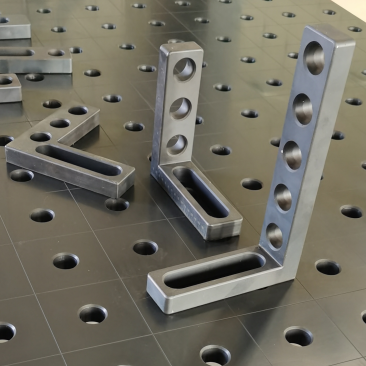
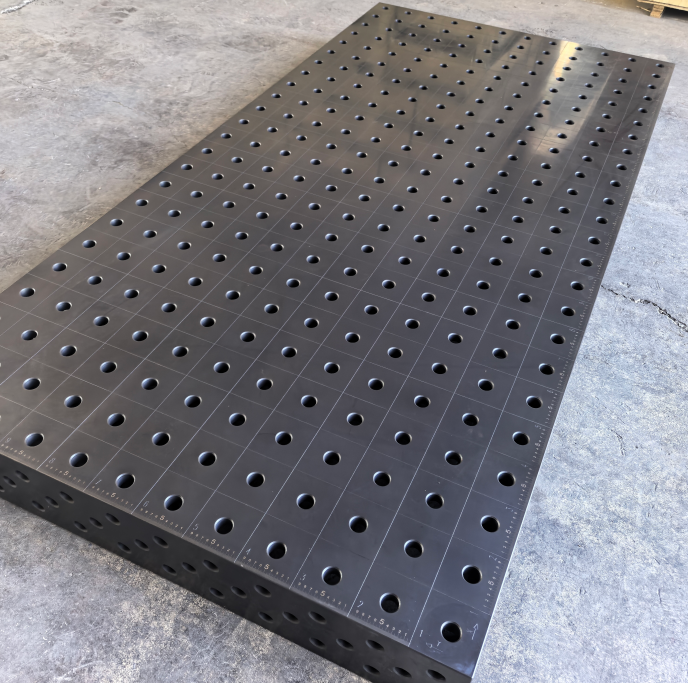
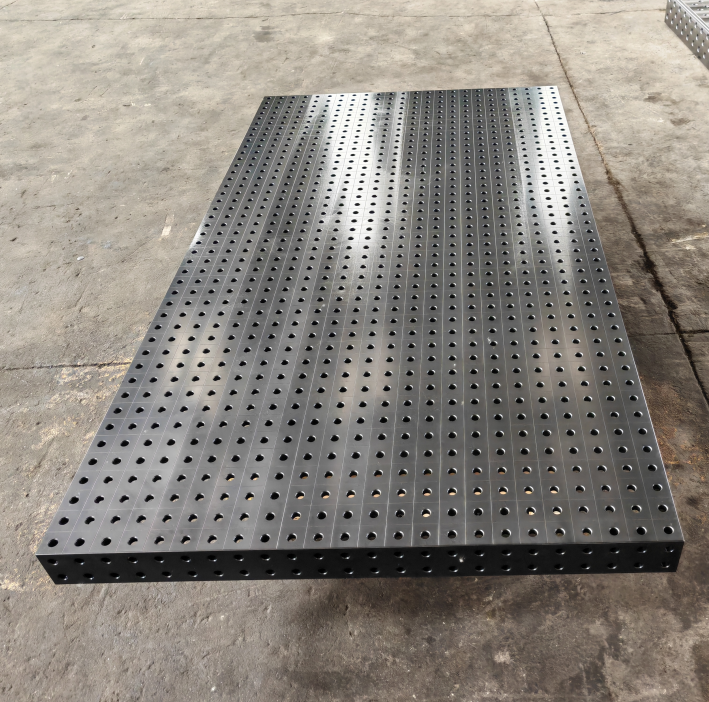
At Botou Haijun Metal Products Co., Ltd., we understand that precision doesn’t stop at the casting stage. While we specialize in delivering high-quality aluminum die castings, our broader expertise lies in the research, development, and production of high-precision flexible modular fixtures and metalworking tools. We are committed to providing efficient and flexible welding and positioning solutions for the modern manufacturing industry, complementing our casting services with core products like 2D and 3D flexible welding platforms.
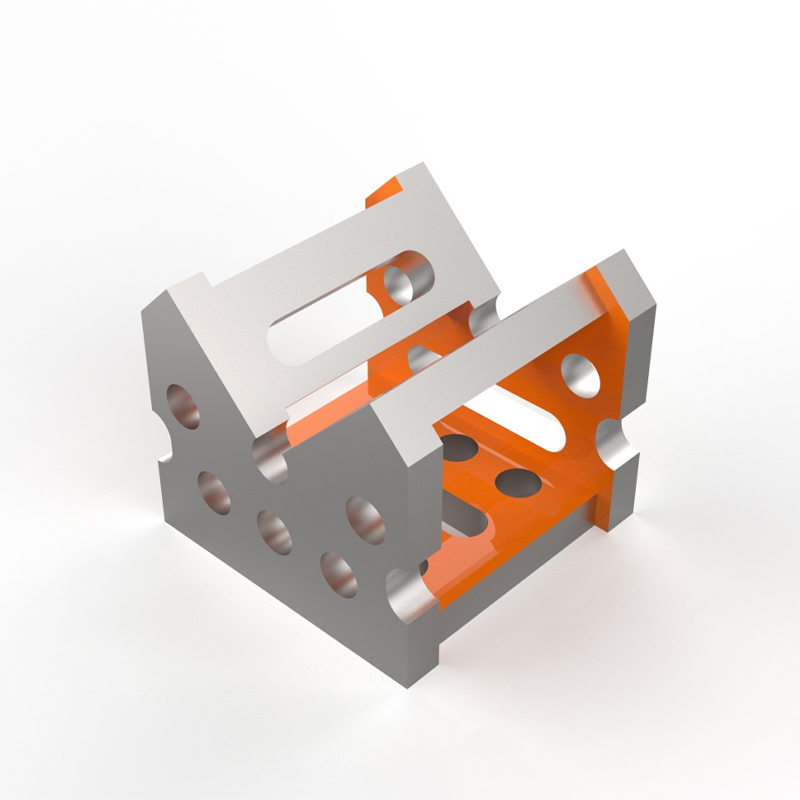
Renowned for their exceptional versatility and precision, these platforms have become the preferred jigging equipment in the machining, automotive, and aerospace industries—sectors that heavily rely on the die cast components we produce. Additionally, we offer a comprehensive range of complementary components, such as U-shaped and L-shaped multi-purpose square boxes, 200-series support angle irons, and 0-225° universal angle gauges. These accessories integrate seamlessly with the platforms to enable rapid workpiece positioning and clamping, ensuring that every product delivers exceptional durability and stability. With years of industry experience, Haijun Metal has become a trusted supplier of tools and gauges to customers both domestically and internationally, continuously providing high-quality production machinery tool series.
We do not just supply parts; we provide holistic solutions that enhance performance, reduce costs, and accelerate time-to-market. By combining our die casting capabilities with our expertise in precision tooling, we support our clients from initial component fabrication to final assembly and quality verification.
Who Should Contact Us?
- OEMs and Tier 1 Suppliers: Seeking reliable, high-volume production with strict quality adherence.
- Product Designers: Needing DFM support to optimize complex geometries for manufacturability.
- Procurement Managers: Looking for transparent pricing, consistent lead times, and supply chain stability.
Ready to elevate your product with precision-engineered aluminum components? Let’s discuss your specific requirements. Our team is prepared to review your CAD files, provide a detailed feasibility analysis, and offer a competitive quote.
Explore Our Die Cast Aluminum Solutions & Request a Quote