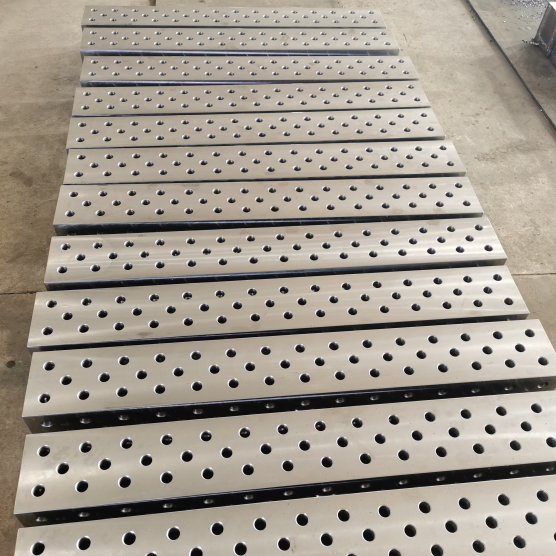
Precision cast aluminum parts are high-tolerance metal components manufactured through advanced casting processes such as die casting, investment casting, or sand casting. These parts are engineered to meet strict dimensional accuracy requirements, typically within ±0.1mm or tighter, depending on the specific alloy and method used. As a leading China manufacturer and supplier, we specialize in producing complex geometries with superior surface finishes for industries including automotive, aerospace, telecommunications, and industrial machinery. Our solutions reduce secondary machining needs, lower overall production costs, and ensure consistent mechanical performance in high-stress environments.
What Are Precision Cast Aluminum Parts?
Precision cast aluminum parts refer to aluminum components produced using controlled casting techniques that prioritize dimensional stability, surface quality, and structural integrity. Unlike standard rough casting, precision casting involves rigorous process control, high-quality tooling, and often post-casting CNC machining to achieve final specifications.
Aluminum is the material of choice for these applications due to its unique combination of properties:
- High Strength-to-Weight Ratio: Essential for automotive and aerospace applications where weight reduction directly impacts fuel efficiency and payload capacity.
- Excellent Corrosion Resistance: Natural oxide layer protection makes it ideal for outdoor or harsh chemical environments.
- Superior Thermal Conductivity: Critical for heat sinks, LED housings, and electronic enclosures.
- Cost-Effective Mass Production: Aluminum’s low melting point and fluidity allow for high-speed manufacturing cycles, particularly in die casting.
In 2026, the demand for these components has surged as industries shift towards lightweighting strategies to meet stricter environmental regulations and energy efficiency standards. Manufacturers now require suppliers who can deliver not just the part, but a fully validated engineering solution that integrates seamlessly into automated assembly lines.
Manufacturing Processes for High-Precision Aluminum Components
Selecting the right manufacturing process is critical to achieving the desired precision, cost, and volume. We utilize three primary methods, each suited for specific application scenarios.
High-Pressure Die Casting (HPDC)
Die casting is the most common method for mass-producing precision aluminum parts. Molten aluminum is injected into a steel mold (die) under high pressure. This process is ideal for:
- High-volume production runs (thousands to millions of units).
- Complex shapes with thin walls.
- Parts requiring excellent surface finish and dimensional consistency.
Our HPDC facilities utilize real-time monitoring systems to control injection speed, pressure, and temperature, ensuring minimal porosity and maximum density. This results in parts that are ready for immediate assembly or require minimal machining.
Investment Casting (Lost-Wax Process)
For parts with intricate internal features or when higher mechanical properties are required than what standard die casting offers, investment casting is the preferred choice. This process uses a ceramic shell mold created around a wax pattern.
Key Advantages:
- Superior surface finish (Ra 1.6–3.2 μm).
- Ability to cast complex internal geometries without core pins.
- Compatible with a wider range of high-performance aluminum alloys.
- Ideal for medium-volume production where tooling costs for die casting are prohibitive.
CNC Machined Sand Casting
While traditional sand casting is known for rougher finishes, modern precision sand casting combined with 5-axis CNC machining delivers high-accuracy large-scale components. This hybrid approach is best for:
- Large structural components (e.g., machine bases, pump housings).
- Low-to-medium volume production.
- Prototyping and rapid iteration during product development.
By integrating CNC finishing steps directly after casting, we eliminate the variability associated with traditional sand casting, delivering parts that meet tight geometric tolerances.
Material Selection: Choosing the Right Aluminum Alloy
The performance of precision cast aluminum parts is heavily dependent on the alloy selected. Different alloys offer varying levels of fluidity, strength, corrosion resistance, and machinability. Understanding these differences is crucial for optimizing your design.
| Alloy Series | Common Grades | Key Characteristics | Typical Applications |
| A380 (Al-Si-Cu) | A380, A383 | Excellent fluidity, good strength, moderate corrosion resistance. The most widely used die casting alloy. | Automotive engine blocks, transmission cases, electronic housings. |
| A360 (Al-Si-Mg) | A360, A356 | Superior corrosion resistance, high ductility, excellent pressure tightness. More difficult to cast than A380. | Marine components, food processing equipment, high-pressure valves. |
| A413 (Al-Si) | A413 | Highest fluidity, good strength, low shrinkage. Ideal for thin-walled complex parts. | Complex hydraulic components, intricate architectural hardware. |
| B390 (Al-Si-Cu-Ni) | B390 | High wear resistance, low thermal expansion. Requires specialized tooling due to abrasiveness. | Air compressor pistons, brake calipers, high-wear industrial parts. |
Our engineering team assists clients in selecting the optimal alloy based on functional requirements. For instance, if a part requires subsequent anodizing, we recommend low-copper alloys like A356 to ensure a uniform, high-quality finish. Conversely, for structural components requiring maximum yield strength, we may suggest heat-treated variants of A380.
Quality Control and Tolerance Standards
Precision is not just a claim; it is a measurable metric. In the manufacturing of precision cast aluminum parts, adherence to international standards and rigorous quality control protocols is non-negotiable. We operate under ISO 9001:2015 certified quality management systems, ensuring every batch meets specified requirements.
Dimensional Tolerances
Standard die casting tolerances typically range from ±0.2mm to ±0.5mm for the first 25mm of dimension, with additional allowances for larger parts. However, through optimized tooling and process control, we achieve precision tolerances of ±0.05mm to ±0.1mm on critical features. For even tighter requirements, we integrate secondary CNC machining operations to hold tolerances as tight as ±0.01mm.
Inspection Technologies
To guarantee consistency, we employ a multi-layered inspection strategy:
- Coordinate Measuring Machine (CMM): Used for detailed dimensional analysis of complex geometries, verifying hole positions, flatness, and profile accuracy against CAD models.
- X-Ray Inspection: Critical for detecting internal defects such as porosity, shrinkage cavities, or inclusions that are not visible on the surface. This is essential for pressure-tight components like pump housings.
- Spectrometry: Every melt is analyzed using Optical Emission Spectrometry (OES) to verify chemical composition before casting, ensuring the alloy meets ASTM or GB standards.
- Surface Roughness Testing: Profilometers measure surface texture to ensure compatibility with sealing surfaces or aesthetic requirements.
Defect Prevention Strategies
Common casting defects include air entrapment, cold shuts, and hot tears. Our engineers use Mold Flow Analysis software during the design phase to simulate molten metal flow. This allows us to optimize gate locations, venting systems, and cooling channels before the tool is cut, significantly reducing the risk of defects in production.
Surface Finishing Options for Aluminum Castings
The as-cast surface of aluminum parts often requires finishing to enhance appearance, improve corrosion resistance, or prepare for assembly. We offer a comprehensive range of post-processing services.
1. Bead Blasting and Tumbling
These mechanical processes remove surface imperfections, parting lines, and oxidation. Bead blasting creates a uniform matte finish, while tumbling is ideal for deburring small, complex parts in bulk. This step is often a prerequisite for other finishes.
2. Anodizing (Type II and Type III)
Anodizing is an electrochemical process that thickens the natural oxide layer on the aluminum surface.
- Type II (Sulfuric Acid): Provides excellent corrosion resistance and allows for dyeing in various colors. Common for consumer electronics and architectural components.
- Type III (Hard Coat): Creates a thicker, harder layer comparable to hard chrome. Ideal for wear-resistant applications such as hydraulic pistons and sliding mechanisms.
3. Powder Coating
Powder coating applies a dry powder electrostatically, which is then cured under heat. It offers a thicker, more durable finish than liquid paint, with excellent resistance to chipping, scratching, and fading. It is available in a wide variety of textures and colors, making it suitable for outdoor equipment and machinery housings.
4. Chromate Conversion Coating (Alodine)
This chemical treatment provides a conductive coating that protects against corrosion while maintaining electrical conductivity. It is frequently used as a primer for painted parts or for electronic enclosures where grounding is required.
Applications of Precision Cast Aluminum Parts
The versatility of aluminum casting allows it to serve diverse sectors. Below are key industries where our precision parts make a significant impact.
Automotive and Electric Vehicles (EV)
The shift towards electrification has driven demand for lightweight, high-precision components. Aluminum castings are used in:
- Battery Housings: Require high dimensional accuracy for sealing and thermal management.
- Motor Housings: Need precise bearing seats and cooling channels.
- Structural Components: Such as shock towers and subframes, where weight reduction extends vehicle range.
Telecommunications and 5G Infrastructure
5G base stations generate significant heat. Precision cast aluminum heat sinks and enclosure bodies are critical for dissipating this heat efficiently. The high thermal conductivity of aluminum, combined with complex fin structures achievable through die casting, ensures reliable operation of sensitive electronic components.
Industrial Automation and Robotics
Robotic arms and automated guided vehicles (AGVs) require lightweight yet rigid components to maximize speed and energy efficiency. Precision cast joints, motor mounts, and sensor housings reduce inertia, allowing for faster acceleration and deceleration cycles.
Medical Devices
Medical equipment demands high hygiene standards and precision. Aluminum castings are used in imaging machine housings, surgical instrument handles, and diagnostic device frames. These parts often require specialized cleaning and biocompatible finishes.
Design for Manufacturability (DFM) Guidelines
To achieve the best results in precision casting, design considerations must align with manufacturing capabilities. Our engineering team provides DFM feedback to optimize your designs for cost and quality.
Wall Thickness Consistency
Maintaining uniform wall thickness is crucial to prevent shrinkage porosity and warping. Sudden changes in thickness can lead to stress concentrations. We recommend gradual transitions and the use of ribs to add strength without increasing bulk.
Draft Angles
Draft angles facilitate the ejection of the part from the mold. Insufficient draft can cause drag marks or damage to the tool. Typically, we recommend a minimum draft angle of 1° to 2° for external surfaces and 2° to 3° for internal cores, depending on the depth of the feature.
Undercuts and Core Slides
While undercuts are possible using side actions (slides) in the mold, they increase tooling complexity and cost. Designers should aim to minimize undercuts or redesign features to allow for straight-line ejection whenever possible.
Tolerance Stack-up
When assembling multiple cast parts, consider the cumulative effect of tolerances. Specify critical datums clearly and allow for looser tolerances on non-functional features to reduce manufacturing costs.
Why Choose a China Manufacturer for Precision Aluminum Castings?
China has evolved from a low-cost labor hub to a center of advanced manufacturing technology. Partnering with a reputable Chinese manufacturer offers several strategic advantages in 2026.
- Integrated Supply Chain: Access to raw materials, tooling, casting, machining, and finishing within a single industrial cluster reduces lead times and logistics costs.
- Advanced Technology Adoption: Leading facilities now employ Industry 4.0 practices, including IoT-enabled machines, AI-driven quality inspection, and automated handling systems.
- Scalability: Chinese manufacturers have the capacity to scale production rapidly from prototype to mass production, accommodating fluctuating market demands.
- Cost Efficiency: Competitive pricing structures allow for significant cost savings without compromising on quality, especially for high-volume orders.
However, success depends on choosing a partner with strong EEAT (Experience, Expertise, Authoritativeness, and Trustworthiness). Look for suppliers with proven track records, transparent communication, and robust quality certification.
About Botou Haijun Metal Products: Precision Beyond Casting
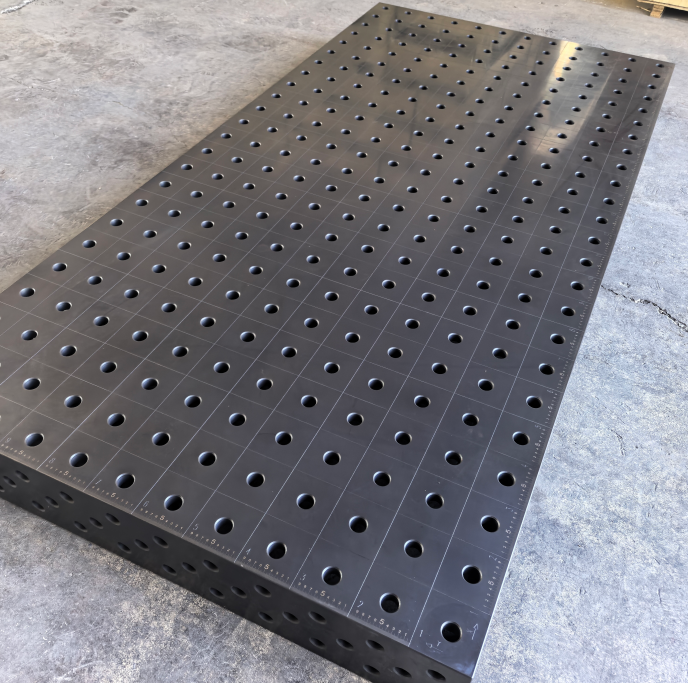
At Botou Haijun Metal Products Co., Ltd., our expertise extends beyond the production of individual cast components. We understand that precision aluminum parts are often integral elements of larger manufacturing ecosystems, particularly in welding, positioning, and assembly fixtures. Specializing in the research, development, and production of high-precision flexible modular fixtures and metalworking tools, we provide efficient and flexible welding and positioning solutions for the modern manufacturing industry.
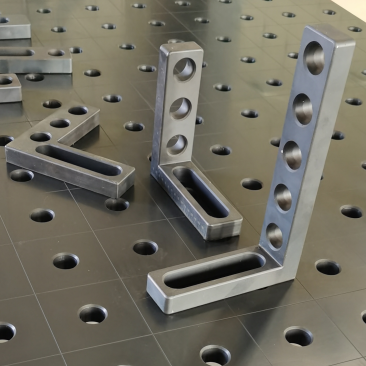
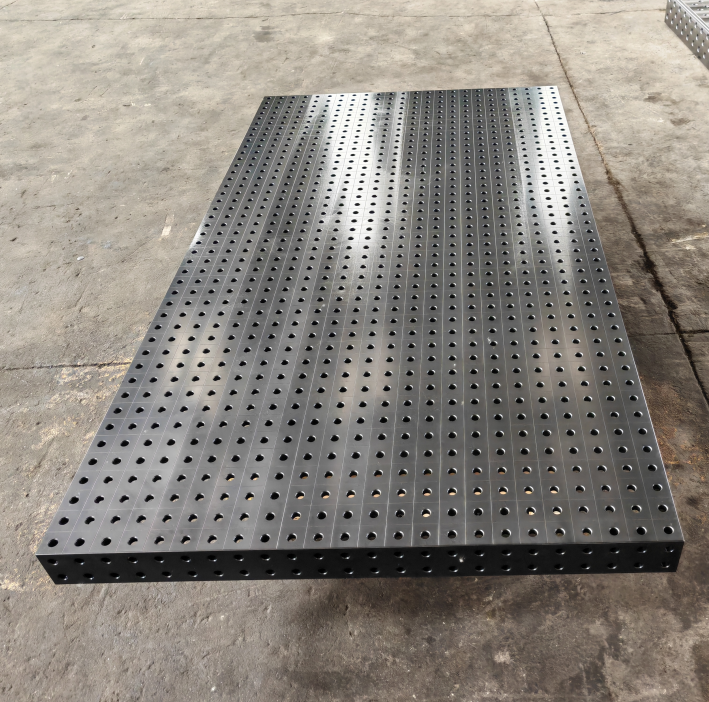
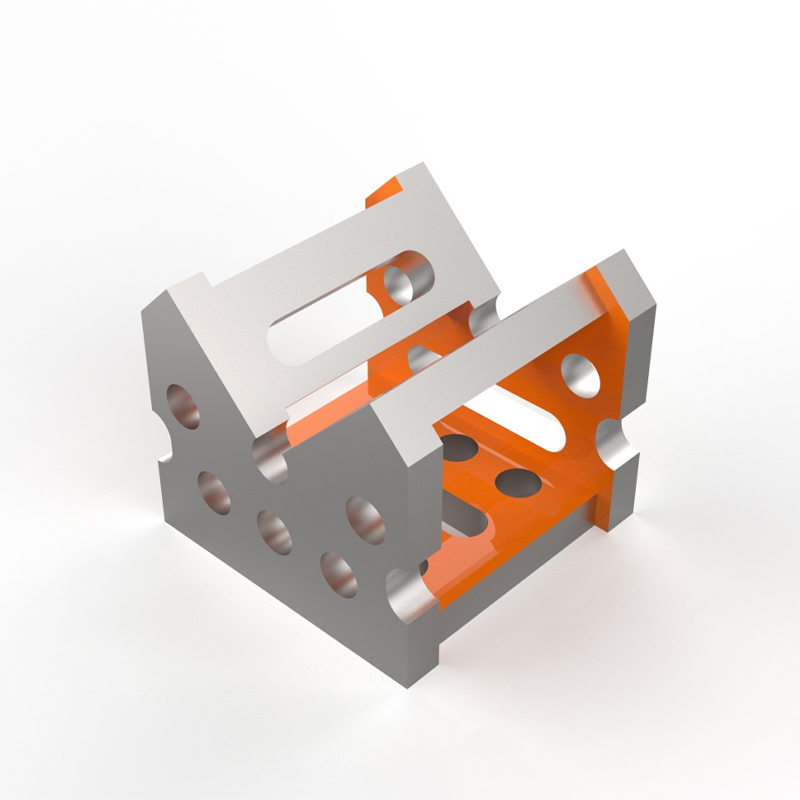
Our core product line includes renowned 2D and 3D flexible welding platforms, which have become the preferred jigging equipment in the machining, automotive, and aerospace sectors. These platforms complement our casting capabilities by offering exceptional versatility and precision for holding and positioning the very components we manufacture. Additionally, we offer a comprehensive range of complementary components—such as U-shaped and L-shaped multi-purpose square boxes, 200-series support angle irons, and 0-225° universal angle gauges—that integrate seamlessly with our platforms to enable rapid workpiece positioning and clamping.
Furthermore, we manufacture professional cast iron 3D welding platforms and angle connection blocks, ensuring that every product delivers exceptional durability and stability. With years of industry experience, Haijun Metal has become a trusted supplier of tools and gauges to customers both domestically and internationally. By combining our precision casting services with our advanced fixture solutions, we offer a holistic approach to manufacturing support, ensuring that your aluminum components are not only produced to exact specifications but can also be efficiently processed, assembled, and inspected.
Common Challenges and Solutions in Aluminum Casting
Even with advanced technology, challenges can arise. Here is how we address common issues:
Porosity
Challenge: Air trapped during casting creates voids, weakening the part.
Solution: Vacuum-assisted die casting removes air from the cavity before injection. Optimized gating systems also reduce turbulence.
Warpage
Challenge: Uneven cooling causes dimensional distortion.
Solution: Conformal cooling channels in the mold ensure uniform heat extraction. Fixturing during post-cast cooling also helps maintain shape.
Surface Blemishes
Challenge: Flow marks or soldering affects aesthetics.
Solution: Precise control of melt temperature and injection speed, along with regular mold maintenance and coating application.
Frequently Asked Questions (FAQ)
What is the typical lead time for precision cast aluminum parts?
Lead times vary based on complexity and volume. Prototype tooling can be completed in 2–3 weeks, with samples available shortly after. Mass production tooling typically takes 4–6 weeks. Once tools are approved, production runs can be fulfilled in 2–4 weeks depending on order size.
Can you handle secondary machining operations?
Yes, we offer integrated CNC machining, drilling, tapping, and milling services. This “one-stop-shop” approach ensures that all critical dimensions are met and reduces the need for multiple suppliers, streamlining your supply chain.
What is the minimum order quantity (MOQ)?
MOQ depends on the manufacturing process. For die casting, MOQs are typically higher (e.g., 500–1,000 units) to amortize tooling costs. For investment casting or sand casting, lower MOQs (e.g., 50–100 units) are feasible. We work with clients to find the most cost-effective solution for their project stage.
How do you ensure material traceability?
We maintain strict material traceability protocols. Each batch of raw material is tagged with a unique heat number, and test certificates are retained. Finished parts can be marked with batch codes, allowing full追溯 back to the original material source and production parameters.
Is aluminum casting environmentally friendly?
Aluminum is highly recyclable, and recycling it requires only 5% of the energy needed to produce primary aluminum. Our facility adheres to environmental regulations, utilizing energy-efficient furnaces and recycling scrap material internally to minimize waste.
Steps to Order Precision Cast Aluminum Parts
Working with us is a streamlined process designed for clarity and efficiency:
- Submit Your Design: Provide 3D CAD files (STEP, IGES) and 2D drawings with tolerances and specifications.
- DFM Analysis & Quotation: Our engineers review your design for manufacturability, suggest optimizations, and provide a detailed quote including tooling and unit costs.
- Tooling Fabrication: Upon approval, we manufacture the molds. You receive regular updates and photos during this phase.
- Sample Production & Validation: Initial samples (T1) are produced and inspected. We send CMM reports and physical samples for your approval.
- Mass Production: Once samples are approved, we proceed with full-scale production, adhering to agreed-upon quality control plans.
- Shipping & Logistics: Parts are packaged securely to prevent damage during transit. We handle export documentation and coordinate shipping to your destination.
Conclusion: Partnering for Precision and Performance
Precision cast aluminum parts are fundamental to modern engineering, enabling lighter, stronger, and more efficient products across industries. Whether you are developing next-generation electric vehicles, advanced telecommunications infrastructure, or high-performance industrial machinery, the quality of your components defines your product’s success.
As a dedicated China manufacturer and supplier, Botou Haijun Metal Products combines technical expertise in casting with deep knowledge of modular fixturing and tooling. This dual capability allows us to deliver solutions that meet the highest standards of precision, reliability, and manufacturability. Our commitment to quality, transparency, and continuous improvement ensures that your projects stay on schedule and within budget.
Ready to optimize your supply chain?
If you have a project requiring high-precision aluminum castings, or if you need complementary flexible welding and positioning solutions, our engineering team is ready to assist. From initial DFM analysis to final delivery, we provide end-to-end support tailored to your specific needs.
Contact us today to request a quote or discuss your technical requirements. Let us help you bring your innovative designs to life with superior manufacturing precision.
View Our Full Range of Casting Solutions & Technical Capabilities