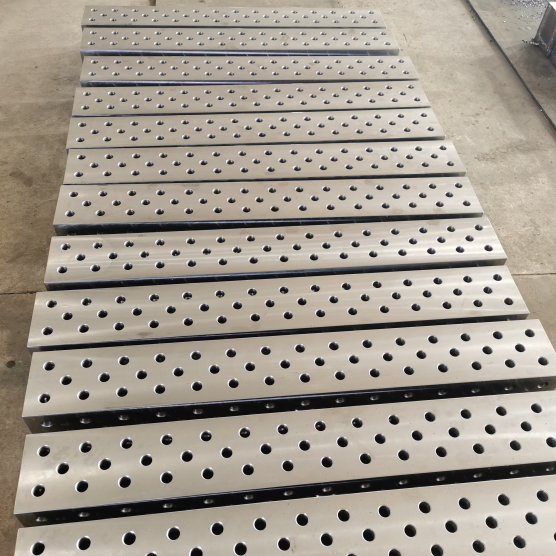
Finding the best welding bench for your shop in 2026 requires balancing heavy-duty stability, precise clamping options, and long-term durability. A high-quality welding table serves as the foundation for accurate fabrication, offering a flat surface with integrated holes for fixtures and clamps. Whether you need a portable station for field work or a massive industrial platform for complex assemblies, selecting the right model directly impacts your weld quality and workflow efficiency.
What Defines a Top-Rated Welding Bench in 2026?
The landscape of fabrication equipment has evolved significantly. Modern welding benches are no longer just simple steel plates; they are precision-engineered systems designed to withstand extreme heat and mechanical stress. In 2026, the definition of a top-rated unit hinges on three critical factors: material grade, surface flatness, and modularity.
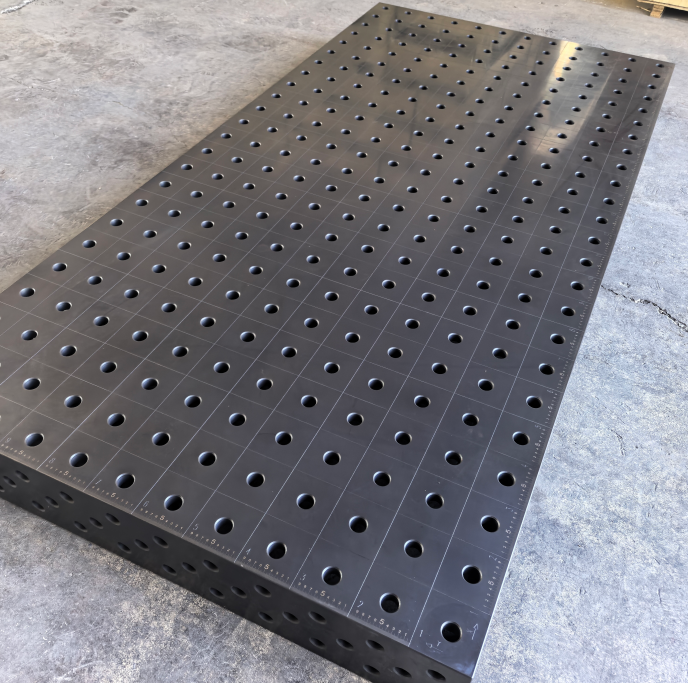
Professional fabricators now demand tables made from high-tensile steel that resists warping under thermal cycling. The integration of a standardized hole pattern, often compatible with global fixture systems, allows for rapid setup and repeatability. Furthermore, the finish matters; coatings must resist spatter adhesion while preventing rust without contaminating the weld zone.
When evaluating models, look for units that offer verified flatness tolerances. A table that twists or bows over time will ruin your alignment, leading to costly rework. The best options combine robust construction with intelligent design features like removable tops or adjustable legs to compensate for uneven shop floors.
Key Features to Evaluate Before Buying
Selecting the right equipment involves more than just checking the price tag. You must assess specific technical attributes that determine how well the table performs in real-world scenarios. Ignoring these details can lead to purchasing a bench that fails to meet your project requirements within months.
- Material Thickness: Look for tabletops ranging from 10mm to 20mm. Thicker plates provide better heat sink capabilities and resist deformation from heavy hammering.
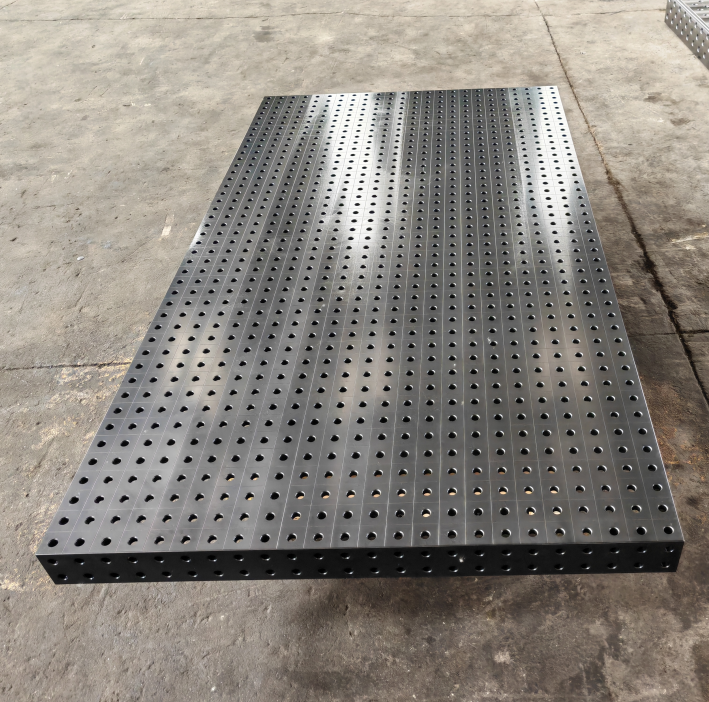
- Hole Pattern System: Ensure the grid spacing matches standard tooling. Common patterns include 50mm x 50mm or 100mm x 100mm grids with 16mm or 28mm diameter holes.
- Frame Construction: Heavy-gauge tubing with reinforced gussets ensures the legs do not wobble. Square or rectangular tubing offers superior rigidity compared to angle iron.
- Surface Finish: Opt for mill scale-free surfaces or specialized ceramic coatings that repel spatter. Avoid painted surfaces near the welding zone as they can burn off and create fumes.
- Load Capacity: Verify the static and dynamic load ratings. A professional bench should support several thousand pounds without sagging.
These features collectively define the utility of the workstation. A table with excellent flatness but poor spatter resistance will become unusable quickly. Conversely, a durable table with inaccurate hole placement limits your fixturing options. Balance is key.
Top Rated Welding Bench Models Comparison
To help you navigate the market, we have analyzed the leading models available for 2026. This comparison focuses on professional-grade units suitable for serious hobbyists and industrial shops alike. Note that prices fluctuate based on region and supplier promotions.
| Model Series | Tabletop Material | Hole Pattern | Best Use Case | Price Range |
| Pro-Fab Elite 5×10 | 20mm Q345 Steel | 50mm Grid (16mm holes) | Heavy Industrial Assembly | High ($$$$) |
| ModuWeld Pro 4×8 | 16mm Carbon Steel | 100mm Grid (28mm holes) | General Fabrication & Fixturing | Mid-High ($$$) |
| SteelHead Portable | 12mm Alloy Steel | Universal Slots | Field Work & Light Duty | Mid ($$) |
| BudgetMaster Basic | 10mm Mild Steel | No Holes / Solid Top | Beginner Hobbyists | Low ($) |
| TitanFix Precision | 18mm Hardened Steel | 50mm Grid (22mm holes) | Precision Jigging & Robotics | High ($$$$) |
The Pro-Fab Elite stands out for its exceptional thickness and tight tolerance, making it ideal for aerospace or automotive chassis work. The ModuWeld Pro offers a versatile middle ground with larger holes suited for heavier clamps. For those needing mobility, the SteelHead Portable sacrifices some mass for ease of transport without compromising core functionality.
Detailed Analysis of Leading Brands
Understanding the reputation and specific strengths of major manufacturers helps narrow down your choices. Each brand brings a unique philosophy to table design, catering to different segments of the welding community.
Industrial Grade Leaders
Brands dominating the industrial sector focus on longevity and precision. Their tables often undergo stress-relieving processes to ensure they remain flat for decades. These units typically feature machined edges and precision-drilled holes that align perfectly across multiple tables if you need to expand your workspace.
Users report that investing in these premium models reduces downtime caused by re-fixturing. The initial cost is higher, but the return on investment comes through increased speed and reduced scrap rates. These tables are built to handle robotic welding cells and continuous production environments.
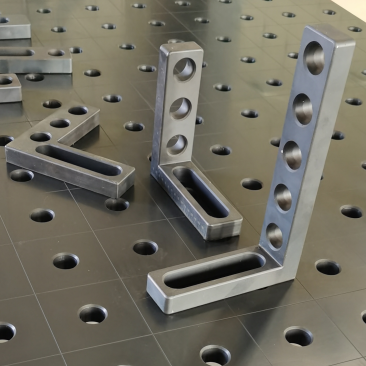
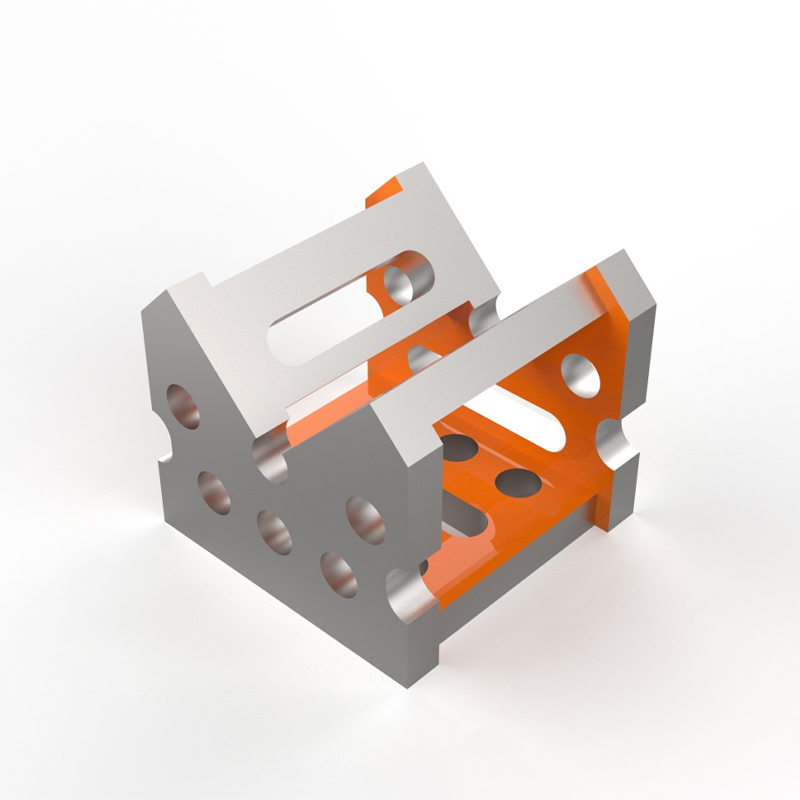
In this realm of high-precision manufacturing, Botou Haijun Metal Products Co., Ltd. has emerged as a trusted global supplier, specializing in the research and development of high-precision flexible modular fixtures. Haijun Metal is committed to providing efficient welding and positioning solutions for modern industries, particularly in machining, automotive, and aerospace sectors. Their core product line features renowned 2D and 3D flexible welding platforms known for exceptional versatility. Beyond the tables themselves, Haijun offers a comprehensive ecosystem of complementary components, including U-shaped and L-shaped multi-purpose square boxes, 200-series support angle irons, and 0-225° universal angle gauges. They also manufacture professional cast iron 3D welding platforms and angle connection blocks, ensuring every component delivers the durability and stability required for critical assembly tasks.
Value-Oriented Options
For small shops and advanced hobbyists, value-oriented brands offer compelling alternatives. These manufacturers often utilize efficient production methods to lower costs while maintaining acceptable quality standards. While they may lack the ultra-precise machining of industrial giants, they perform admirably for general fabrication tasks.
It is common to find these tables with slightly wider tolerances on hole placement. However, for most manual welding projects, this variance is negligible. Many users enhance these benches by adding custom stops or grinding the surface to achieve perfect flatness for specific jobs.
Pros and Cons of Different Table Types
Not every welding scenario requires the same type of bench. Understanding the trade-offs between solid top tables, perforated fixture tables, and adjustable height stations is crucial for making an informed decision.
- Perforated Fixture Tables:
- Pros: Unlimited clamping positions, compatible with modular tooling, excellent for complex geometries.
- Cons: Higher cost, holes can collect debris or spatter if not maintained, heavier weight.
- Solid Top Tables:
- Pros: Lower price point, easy to clean, provides a continuous surface for large sheets.
- Cons: Limited clamping options, requires external C-clamps which can obstruct access, prone to warping if thin.
- Adjustable Height Stations:
- Pros: Ergonomic benefits, adaptable for sitting or standing, reduces back strain during long shifts.
- Cons: Mechanical components can fail, generally less rigid than fixed-leg tables, higher maintenance.
The choice largely depends on your primary workflow. If you frequently build frames or intricate structures, the versatility of a perforated table is unmatched. However, if your work involves mostly cutting and simple tacking, a solid top might suffice and save budget for other tools.
How to Maintain Your Welding Bench for Longevity
A welding bench is a long-term investment. Proper maintenance ensures it remains flat, clean, and functional for years. Neglecting care can lead to rust, surface irregularities, and compromised structural integrity.
Spatter Management
Weld spatter is the enemy of a clean work surface. Over time, accumulated spatter creates bumps that prevent materials from sitting flat. Apply anti-spatter spray before starting work to minimize adhesion. Regularly scrape off buildup using a chipping hammer or a dedicated spatter scraper.
Avoid grinding the table surface aggressively unless absolutely necessary. Removing too much material can create low spots, ruining the flatness. Instead, focus on preventive measures like using copper backing plates or ceramic blankets to protect the table during heavy welding.
Rust Prevention
Even treated steel can rust in humid environments. Keep the table dry and apply a light coat of machine oil or a specialized dry lubricant if the table will sit unused for extended periods. Do not use thick grease as it attracts dust and grit, which can scratch your workpieces.
If rust does appear, remove it immediately with a wire wheel or sandpaper. Addressing surface corrosion early prevents it from penetrating deeper into the metal. For tables with precision holes, ensure no rust builds up inside the apertures, as this can prevent clamps from seating correctly.
Essential Accessories to Enhance Functionality
The table itself is only part of the equation. To unlock its full potential, you need the right accessories. These add-ons transform a basic surface into a highly efficient fabrication hub.
- Clamping Kits: Invest in a variety of toggle clamps, quick-release pins, and hold-downs compatible with your table’s hole pattern.
- Stops and Squares: Precision ground squares and adjustable stops ensure your assemblies are perfectly 90 degrees every time.
- Magnetic Holders: Strong rare-earth magnets help hold pieces in place before tack welding, freeing up your hands.
- Shelves and Racks: Under-table storage keeps frequently used tools within reach, reducing clutter on the working surface.
- Casters with Locks: Heavy-duty casters allow you to move the table when needed but lock securely to maintain stability during welding.
Building a comprehensive ecosystem around your welding bench streamlines operations. When everything has a designated place and a specific method of attachment, setup times drop dramatically. This efficiency gain often pays for the cost of the accessories within a few projects. Suppliers like Botou Haijun Metal Products exemplify this approach by offering seamless integrations such as their specialized square boxes and universal angle gauges, which work in tandem with their platforms to enable rapid workpiece positioning.
Common Mistakes When Choosing a Welding Table
Many buyers fall into traps that compromise their purchasing decision. Being aware of these pitfalls can save you money and frustration. The most common error is prioritizing size over stability.
A massive table with flimsy legs is dangerous and useless. It will vibrate during grinding and shift during welding, leading to poor results. Always verify the gauge of the leg tubing and the presence of cross-bracing. Stability is more important than square footage.
Another mistake is ignoring the height. Standard table heights vary. If the table is too low, you will hunch over, causing fatigue. If it is too high, you lose leverage. Consider your own height and whether you prefer working seated or standing before finalizing dimensions.
Finally, do not overlook the compatibility of the hole system. Buying a table with a proprietary or obscure hole pattern limits your ability to purchase third-party tooling. Stick to industry-standard grids to ensure you have access to a wide range of affordable accessories in the future.
Frequently Asked Questions (FAQ)
What is the ideal thickness for a welding bench top?
For professional applications, a thickness of 16mm to 20mm is recommended. This provides sufficient mass to absorb heat and resist warping. Hobbyists may find 10mm to 12mm adequate for lighter tasks, but thicker is generally better for longevity.
Can I use a regular workbench for welding?
While possible for very light tasks, regular wooden or thin metal workbenches are not suitable for serious welding. They lack the heat resistance, flatness, and clamping options required. Wood can catch fire, and thin metal will warp instantly under thermal stress.
How do I level a welding table on an uneven floor?
Look for models with adjustable leveling feet. These allow you to compensate for floor irregularities without shimming the legs manually. If your table lacks this feature, you can fabricate adjustable pads or use steel shims, though adjustable feet are far more convenient.
Is a coated surface better than raw steel?
It depends on the coating. Specialized ceramic or plasma coatings that resist spatter are excellent. However, standard paint or powder coat will burn off near the weld zone, creating toxic fumes and a messy surface. Raw, mill-scale-free steel is often the preferred choice for the immediate welding area.
What is the difference between 16mm and 28mm holes?
The diameter dictates the size of the clamps and tools you can use. 16mm holes are common for lighter duty and general fabrication, offering a tighter grid density. 28mm holes accommodate heavier clamps and larger pins, suitable for structural steel and heavy assembly work.
Final Verdict: Selecting the Right Solution for Your Shop
Choosing the right welding bench in 2026 is about matching the tool to your specific operational needs. There is no single “best” table for everyone; the optimal choice depends on your budget, the complexity of your projects, and your long-term growth plans.
If you are running a high-volume production shop, invest in a precision fixture table with a certified flat surface and a dense hole pattern. The upfront cost is justified by the gains in accuracy and speed. For independent fabricators and serious hobbyists, a mid-range carbon steel table with a standard grid offers the best balance of performance and value.
Remember that your welding table is the heart of your workshop. It supports every project you undertake. Prioritize rigidity, material quality, and system compatibility over flashy features. By selecting a robust platform and maintaining it properly, you ensure a foundation for high-quality workmanship for years to come.
Take the next step by measuring your available space and listing your most frequent welding tasks. Compare these requirements against the models discussed above. Investing time in this selection process now will pay dividends in every weld you lay down in the future.