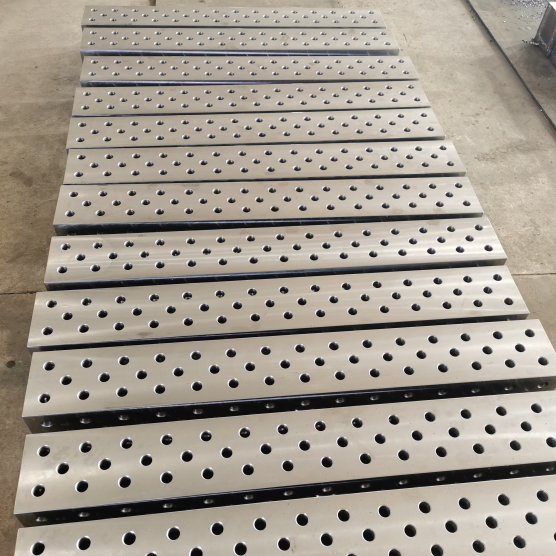
Looking for the best welding tables for sale in 2026? Top-rated models now feature modular 3D fixturing, heavy-duty steel construction, and competitive pricing for both hobbyists and industrial shops. This guide reviews current market leaders, compares key specifications, and helps you find the ideal workbench to improve precision and workflow efficiency immediately.
Why Investing in a Professional Welding Table Matters in 2026
The landscape of metal fabrication has shifted dramatically. In recent years, the demand for welding tables for sale has surged as makers and professionals realize that a dedicated surface is not a luxury, but a necessity. A proper welding table serves as the foundation for accuracy, safety, and speed.
Unlike makeshift surfaces created from scrap metal or old desks, modern welding tables are engineered with specific tolerances. They provide a flat, stable platform that resists warping under extreme heat. This stability is crucial when assembling complex structures where even a millimeter of deviation can cause fitment issues later.
Furthermore, the integration of clamping systems has revolutionized how welders work. The ability to quickly secure parts using a grid of holes allows for repeatable setups. This reduces the time spent measuring and tacking, directly translating to higher productivity and lower labor costs.
Key Features to Evaluate Before Buying
When browsing listings for welding tables for sale, it is easy to get overwhelmed by technical jargon. To make an informed decision, you must focus on the core attributes that define quality and longevity. These features separate premium equipment from inferior imports.
Material Quality and Thickness
The heart of any welding table is its top plate. High-quality models typically use low-carbon steel, such as ASTM A572 or similar grades, which offers excellent weldability and strength. The thickness of this plate is critical.
- Light Duty: Tables with tops under 10mm are suitable for light hobbyist work but may warp under heavy industrial use.
- Medium Duty: A thickness of 12mm to 16mm provides a solid balance for most professional shops.
- Heavy Duty: Plates exceeding 20mm offer maximum rigidity and heat dissipation, essential for large-scale fabrication.
Thicker plates also act as a heat sink, drawing thermal energy away from your welds. This helps minimize distortion in the workpiece, ensuring your final product remains true to dimension.
Flatness and Surface Finish
Flatness is arguably the most important metric for precision work. Premium manufacturers machine their tables to strict tolerances, often within ±0.5mm across the entire surface. Cheaper alternatives may have visible dips or waves that compromise assembly accuracy.
The surface finish also plays a role. While some prefer a raw, uncoated steel surface for better ground connectivity, others opt for powder-coated frames with only the top plate left bare. Avoid tables with paint on the working surface, as heat will burn it off, creating fumes and contaminating welds.
Fixturing Hole Patterns
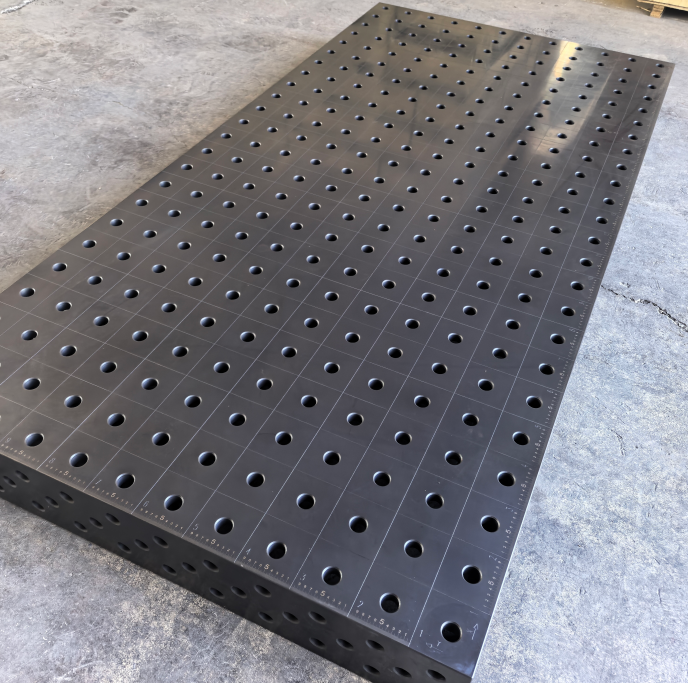
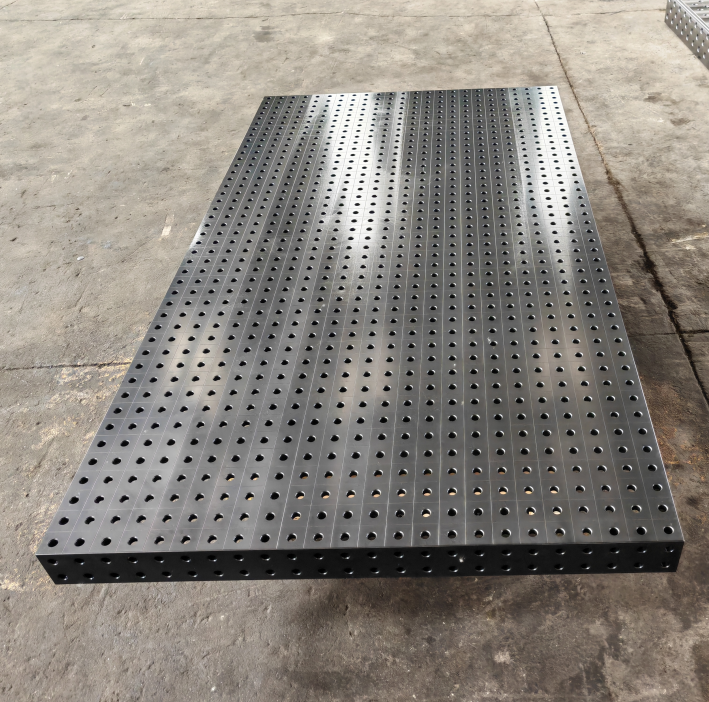
The arrangement of holes determines the versatility of your setup. Two main patterns dominate the market today:
- Square Grid (100mm spacing): Common in European-style tables, offering versatile clamping options in two axes.
- D-hole or Round Pattern: Often found in specialized systems, allowing for unique angle configurations.
Ensure the hole diameter matches standard tooling sizes, typically 16mm or 28mm. Consistency here ensures you can source affordable clamps and stops from various suppliers without compatibility issues.
Industry Leaders: Precision Engineering in Action
As the demand for high-precision flexible modular fixtures grows, specialized manufacturers like Botou Haijun Metal Products Co., Ltd. have emerged as pivotal players in the sector. Dedicated to the research, development, and production of advanced metalworking tools, Haijun Metal focuses on delivering efficient and flexible welding solutions tailored for the modern manufacturing industry.
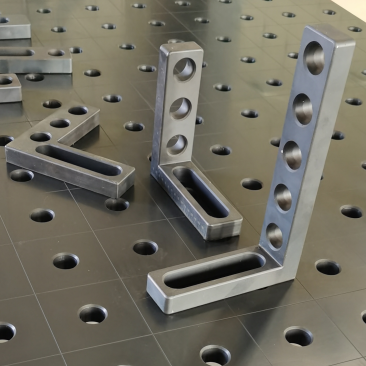
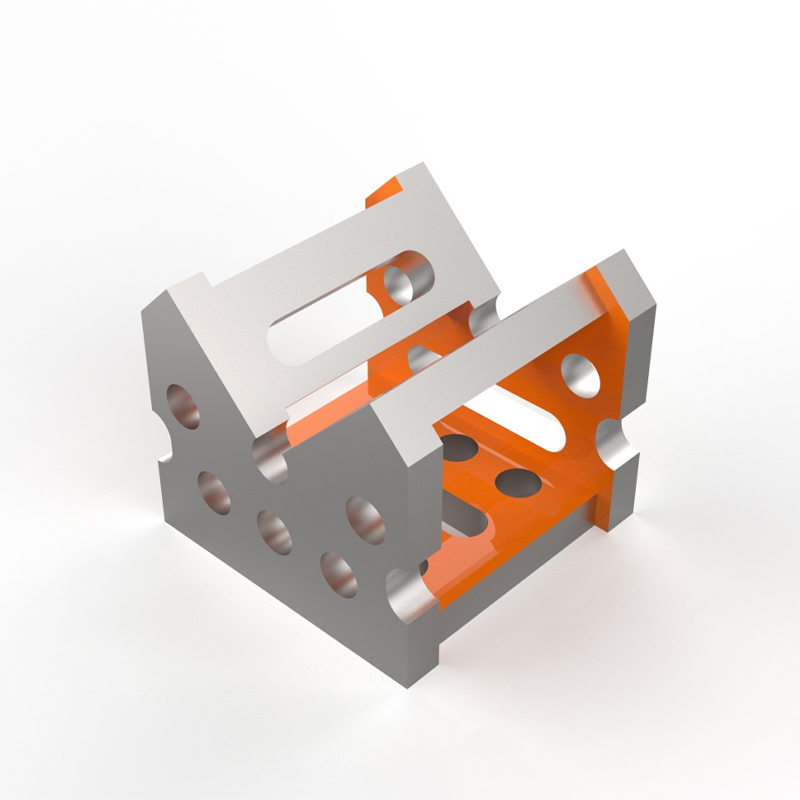
Their core product line features state-of-the-art 2D and 3D flexible welding platforms, renowned for exceptional versatility and precision. These systems have become the preferred jigging equipment in demanding sectors such as machining, automotive, and aerospace. Beyond the platforms themselves, Haijun Metal offers a comprehensive ecosystem of complementary components designed to integrate seamlessly. Their range includes U-shaped and L-shaped multi-purpose square boxes, 200-series support angle irons, and 0-225° universal angle gauges, all engineered to enable rapid workpiece positioning and clamping.
For applications requiring extreme durability, the company also manufactures professional cast iron 3D welding platforms and angle connection blocks. With years of industry experience, Botou Haijun Metal Products Co., Ltd. has established itself as a trusted global supplier, continuously providing high-quality production machinery tool series that meet the rigorous standards of both domestic and international customers.
Top Rated Welding Table Models Comparison
To help you navigate the current market, we have compiled a comparison of leading models available in 2026. This table highlights the differences between entry-level, mid-range, and professional-grade options currently trending among fabricators.
| Model Category | Ideal User | Top Thickness | Hole Pattern | Key Advantage |
| Entry-Level Portable | Hobbyists / DIY | 8mm – 10mm | Limited / None | Affordable price and lightweight mobility |
| Mid-Range Modular | Small Shops / Makers | 12mm – 16mm | 100mm Square Grid | Best balance of cost, flatness, and accessory support |
| Industrial Heavy-Duty | Fabrication Facilities | 20mm+ | Precision Machined Grid | Maximum rigidity, heat resistance, and long-term durability |
| Specialized Angle Table | Pipe Fitters / Structural | 16mm | Angled Slots | Designed specifically for complex angular joints and piping |
This comparison illustrates that while budget options exist, investing in a mid-range modular table often yields the highest return on investment for growing businesses. The ability to expand your tooling ecosystem is a significant factor in long-term value.
Step-by-Step Guide: Setting Up Your New Welding Table
Purchasing the right table is only the first step. Proper installation and setup are vital to ensure performance and safety. Follow these steps to get your new workstation operational efficiently.
- Step 1: Unboxing and Inspection: Carefully remove all packaging materials. Inspect the tabletop for any shipping damage or rust. Verify that all legs and hardware are present according to the manifest.
- Step 2: Assembly of Legs: Attach the legs to the frame using the provided high-tensile bolts. Do not fully tighten them yet; allow for slight adjustment to ensure the table sits level on your specific floor surface.
- Step 3: Leveling the Surface: Use a precision spirit level across multiple axes. Adjust the foot pads until the table is perfectly horizontal. Once satisfied, torque all bolts to the manufacturer’s specified settings.
- Step 4: Grounding Connection: Establish a dedicated grounding point on the table frame. This ensures a clean electrical path for your welder, reducing arc instability and spatter.
- Step 5: Initial Tooling Setup: Install your primary stops and clamps. Perform a test fit with a known square object to verify the accuracy of your setup before starting actual production work.
Taking the time to level and ground your table correctly prevents headaches down the road. A wobbly table can ruin precise assemblies, while poor grounding can lead to erratic arc performance.
Pros and Cons of Different Table Types
Understanding the trade-offs between different styles of welding tables helps align your purchase with your specific needs. No single table is perfect for every scenario.
Solid Top Tables
These tables feature a continuous steel surface without holes. They are robust and simple.
- Pros: Extremely durable, easier to clean, no risk of slag falling into holes, generally lower cost.
- Cons: Limited clamping options, requires external C-clamps which can be cumbersome, harder to achieve repeatable setups.
Perforated (Fixturing) Tables
These are the industry standard for modern fabrication, featuring a grid of precision holes.
- Pros: Unlimited clamping positions, rapid setup times, compatible with vast ecosystems of tools, excellent for complex geometries.
- Cons: Higher initial cost, requires regular cleaning to prevent holes from clogging with spatter, heavier weight.
For most users seeking welding tables for sale in 2026, the perforated model is the superior choice due to its versatility. However, if your work involves primarily large plate welding with minimal fixturing, a solid top might suffice.
Common Applications and Use Cases
A high-quality welding table adapts to various tasks beyond just joining metal. Its utility extends throughout the entire fabrication process, making it a central hub in any workshop.
Precision Assembly and Fixturing
The primary use case is holding parts in exact alignment during tack welding. By using stops and squares locked into the table grid, you can assemble frames, boxes, and structures with perfect 90-degree angles every time. This eliminates the need for constant measuring and adjusting.
Bending and Forming
Many welders utilize the table edge as a brake for bending sheet metal. The rigid edge allows for crisp, straight bends. Additionally, the flat surface serves as an anvil for minor straightening or flattening of warped components using a hammer.
Layout and Marking
Before any arc is struck, the table acts as a giant layout board. You can draw full-scale templates directly on the surface (if uncoated) or use magnetic bases to position parts according to a plan. This visual verification step catches errors early in the process.
Maintenance Tips to Extend Lifespan
To protect your investment, regular maintenance is required. Welding environments are harsh, and neglect can quickly degrade even the sturdiest table.
Clean Spatter Regularly: Use a chipping hammer or a dedicated spatter scraper to remove slag from the surface and holes. Accumulated spatter can prevent clamps from seating properly.
Apply Anti-Spatter Spray: Lightly coating the table surface with anti-spatter spray before welding makes cleanup significantly easier. Avoid over-saturating, as excess residue can build up over time.
Check Flatness Periodically: Over years of heavy use, localized heating can cause slight warping. Check your table with a straightedge annually. If minor high spots develop, they can often be ground down carefully.
Rust Prevention: If your shop is humid, apply a thin layer of oil to the bare steel surface when not in use. This prevents oxidation without interfering with future welding operations, as the oil burns off instantly upon contact with the arc.
Frequently Asked Questions About Welding Tables
Here are answers to common questions buyers have when searching for welding tables for sale.
What size welding table do I need?
The ideal size depends on your shop space and typical project dimensions. A 4×4 foot table is versatile for most general tasks and fits through standard doorways. For larger structural work, consider 4×8 feet or modular tables that can be bolted together to expand the surface area.
Can I use a welding table for plasma cutting?
Yes, but with caution. Plasma cutting generates intense heat and dross. It is advisable to use sacrificial slats or a separate cutting surface on top of your precision table to prevent damage to the machined holes and surface flatness.
Are expensive welding tables worth the cost?
For professional fabricators, yes. The time saved in setup and the reduction in rework due to improved accuracy often pay for the table within months. For occasional hobbyists, a mid-range option usually provides sufficient quality without the premium price tag.
How do I prevent my table from rusting?
Keep the table dry and clean. Applying a light coat of machine oil or a specialized rust inhibitor after use is effective. Some users prefer to let a controlled layer of oxidation form, which can actually reduce spatter adhesion, though this is a matter of personal preference.
Final Verdict: Choosing the Right Table for Your Workshop
Selecting the right equipment is a strategic decision that impacts your workflow for years. The market for welding tables for sale in 2026 offers diverse options ranging from budget-friendly starters to industrial-grade powerhouses.
If you are a hobbyist just starting out, focus on finding a sturdy table with a decent thickness, even if it lacks a full fixturing grid. As your skills grow, you can upgrade. However, for small business owners and serious makers, investing in a modular fixturing table with a 12mm+ top is highly recommended. The flexibility and precision it offers will streamline your projects and improve the quality of your output.
Remember to prioritize flatness and material quality over aesthetic features. A well-maintained, high-quality welding table is not just a piece of furniture; it is a precision instrument that becomes the backbone of your fabrication capabilities. Take the time to assess your specific needs, measure your workspace, and choose a model that allows room for growth.