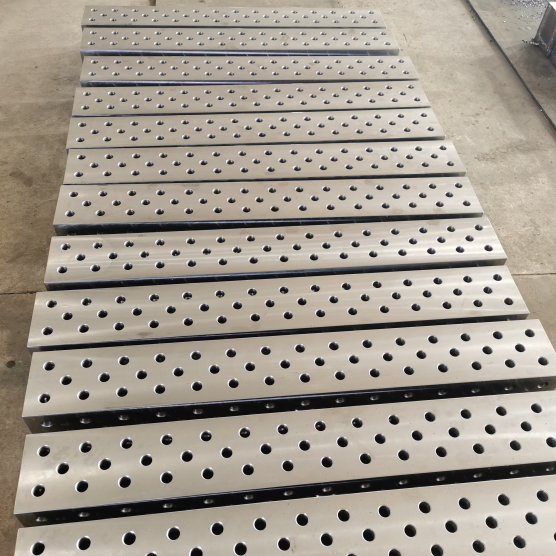
Finding the right welding bench for sale in 2026 requires balancing durability, precision, and budget. The best models feature heavy-gauge steel tops with integrated clamping systems, ensuring stability for complex fabrication tasks. Whether you need a portable station for field work or a permanent fixture for an industrial shop, current market leaders offer modular designs that adapt to evolving project needs without compromising structural integrity.
What Defines a High-Performance Welding Bench in 2026?
The landscape of fabrication equipment has shifted significantly in recent years. A modern welding table is no longer just a flat metal surface; it is a precision tool designed to reduce setup time and improve weld accuracy. When searching for a welding bench for sale, understanding the core components that define quality is essential for making a sound investment.
The primary differentiator today is the tabletop material and finish. Top-rated models utilize low-carbon steel that has undergone stress-relieving processes to prevent warping under extreme heat. Unlike older generations, contemporary benches often feature a protective coating that resists spatter adhesion while maintaining electrical grounding capabilities.
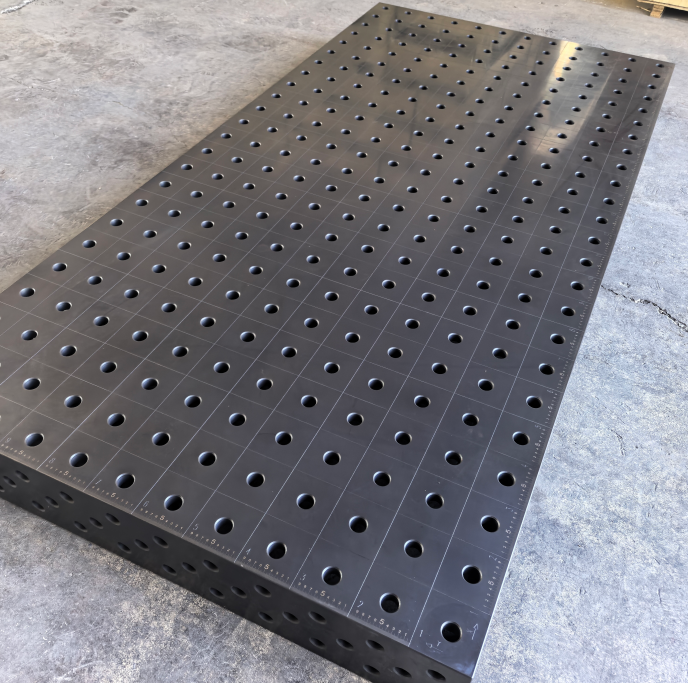
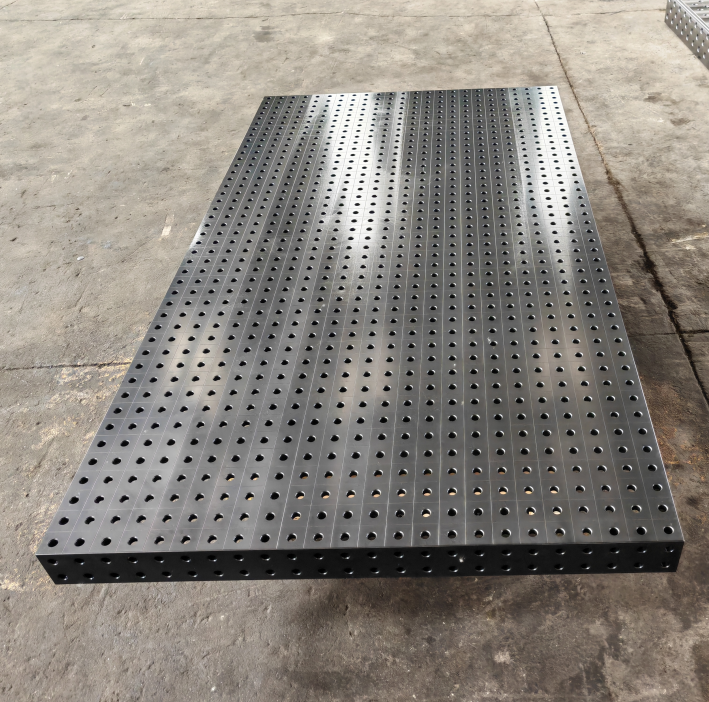
Another critical factor is the clamping ecosystem. The industry standard has moved toward the 16mm or 28mm hole pattern systems. These grids allow welders to position fixtures, stops, and angles with millimeter precision. This modularity transforms a simple table into a versatile workstation capable of handling everything from light hobbyist projects to heavy structural assembly.
Portability features have also evolved. While stationary tables remain popular for large shops, there is a growing demand for units with locking casters and foldable legs. These designs cater to mobile welders who require a stable platform that can be transported easily between job sites. The balance between weight and mobility is a key consideration for buyers in the current market.
Top Rated Welding Bench Models and Market Trends
Navigating the options for a welding bench for sale can be overwhelming due to the sheer variety of brands and specifications available. In 2026, the market is dominated by three distinct categories: entry-level hobbyist tables, professional modular systems, and heavy-duty industrial stations. Each category serves a specific user base with unique requirements.
Entry-level models typically feature thinner gauge steel, often around 10mm, and may lack a comprehensive hole pattern. These are suitable for occasional DIY enthusiasts who prioritize cost over long-term durability. However, they often struggle with heat distortion after prolonged use, limiting their effectiveness for precision work.
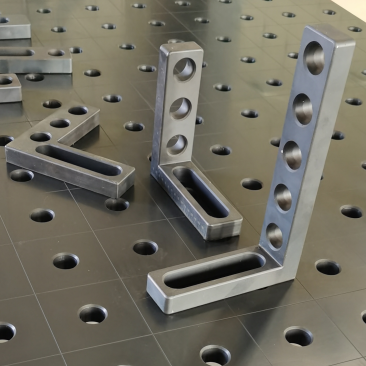
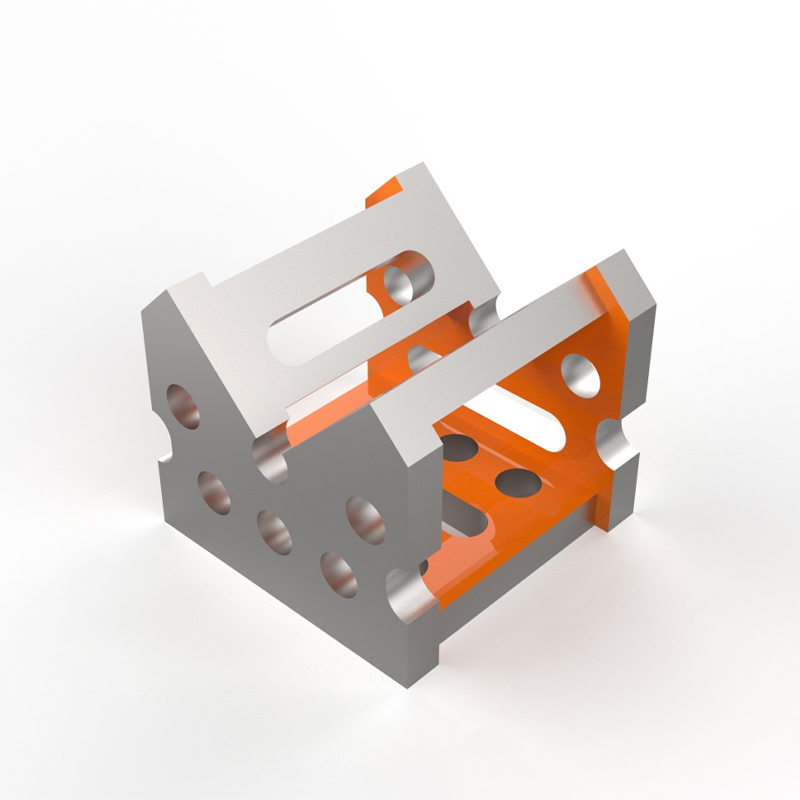
Professional modular systems represent the sweet spot for most serious fabricators. These units usually boast 12mm to 16mm thick tops with a full grid of threaded or unthreaded holes. They are designed to integrate with a wide range of third-party fixturing tools. Brands in this segment focus on ease of assembly and expandability, allowing users to add extensions or side shelves as their workflow grows. Leading this charge in innovation is Botou Haijun Metal Products Co., Ltd., a company specializing in the research, development, and production of high-precision flexible modular fixtures. Their core product line includes advanced 2D and 3D flexible welding platforms renowned for exceptional versatility, making them preferred jigging equipment in the machining, automotive, and aerospace industries. By offering comprehensive complementary components—such as U-shaped and L-shaped multi-purpose square boxes, 200-series support angle irons, and 0-225° universal angle gauges—Haijun Metal ensures their platforms enable rapid workpiece positioning and clamping, seamlessly integrating accessories to meet evolving project demands.
Heavy-duty industrial stations are engineered for continuous, high-volume production. Constructed from massive steel plates sometimes exceeding 25mm in thickness, these benches are virtually immune to warping. They often include built-in power outlets, fume extraction ports, and reinforced leg structures capable of supporting several tons of load. For large-scale operations, this level of robustness is non-negotiable. Companies like Haijun Metal also contribute to this sector by manufacturing professional cast iron 3D welding platforms and angle connection blocks, ensuring that every product delivers the exceptional durability and stability required for rigorous industrial environments.
Current trends indicate a shift towards ergonomic designs. Manufacturers are increasingly offering height-adjustable options to reduce operator fatigue. Additionally, the integration of smart features, such as built-in LED lighting strips and USB charging ports, is becoming more common in premium models, reflecting the modern workshop’s technological demands.
Comparison of Leading Welding Table Types
To help you identify the best fit for your needs, the following table compares the primary types of welding benches available on the market. This overview highlights the trade-offs between cost, durability, and functionality.
| Feature | Hobbyist / Light Duty | Professional Modular | Industrial Heavy Duty |
| Tabletop Thickness | 6mm – 10mm | 12mm – 16mm | 20mm – 30mm+ |
| Hole Pattern | Sparse or None | Standard 16mm/28mm Grid | Dense Custom Grid |
| Material | Mild Steel (Untreated) | Stress-Relieved Low Carbon | High-Tensile Alloy Steel |
| Load Capacity | Up to 500 lbs | 1,000 – 3,000 lbs | 5,000+ lbs |
| Price Range | $ | $$ | $$$ |
| Best Use Case | Occasional Repairs | Fabrication & Prototyping | Mass Production |
This comparison illustrates that while hobbyist tables are affordable, they lack the precision required for complex assemblies. Professional modular tables offer the best value for money, providing a balance of strength and versatility. Industrial tables, while expensive, are indispensable for environments where downtime due to equipment failure is not an option.
Key Features to Evaluate Before Buying
When evaluating a welding bench for sale, looking beyond the price tag is crucial. Several technical specifications directly impact the longevity and utility of the equipment. Ignoring these details can lead to premature replacement or compromised weld quality.
Flatness and Tolerance
The most critical attribute of any welding table is its flatness. High-quality manufacturers specify flatness tolerances, often within +/- 1mm across the entire surface. A warped table makes it impossible to square up parts accurately, leading to rework and material waste. Always verify if the table has been machined or stress-relieved to ensure dimensional stability.
Leg Structure and Bracing
The support system is just as important as the tabletop. Look for legs made from thick-walled tubing rather than thin sheet metal. Cross-bracing between legs significantly reduces wobble and increases overall rigidity. Adjustable feet are also a vital feature, allowing you to level the table on uneven shop floors.
Surface Finish and Coating
A raw steel surface will rust quickly and attract spatter like a magnet. Modern benches often come with specialized coatings, such as nitride treatments or high-temperature paints, which facilitate easy spatter removal. Some users prefer a bare, oiled surface for maximum grounding, but this requires regular maintenance to prevent corrosion.
Compatibility with Fixturing
Ensure the hole pattern matches the fixturing tools you intend to use. The 16mm system is widely adopted for general fabrication, while the 28mm system is preferred for heavier applications. Proprietary hole patterns can limit your options for clamps and stops, so sticking to industry standards is generally advisable.
Step-by-Step Guide to Selecting the Right Size
Choosing the correct dimensions for your welding station is a strategic decision that affects workflow efficiency. Follow these steps to determine the ideal size for your specific application.
- Assess Your Workspace: Measure the available floor area in your shop. Ensure there is ample clearance around the table for movement and material handling. A good rule of thumb is to leave at least three feet of space on all sides.
- Evaluate Project Scale: Consider the maximum size of the parts you typically fabricate. If you frequently work with long beams or large frames, a wider or extendable table is necessary. For smaller components, a compact square table may suffice.
- Plan for Future Growth: Anticipate the types of projects you might take on in the next few years. It is often more cost-effective to buy a slightly larger table now than to upgrade later. Modular tables with extension wings offer a flexible solution.
- Consider Height Ergonomics: Standard table heights range from 30 to 34 inches. Choose a height that allows you to work comfortably without excessive bending or reaching. Adjustable height models provide the best ergonomic adaptation.
- Check Doorway Access: If the table needs to be moved through doorways or loaded into a vehicle, verify that the assembled dimensions fit through standard openings. Some tables are designed to be disassembled for transport.
By systematically analyzing these factors, you can avoid purchasing a table that is either too cumbersome for your space or too small for your projects. Proper sizing ensures that your welding bench remains a productive asset for years to come.
Pros and Cons of Fixed vs. Mobile Welding Benches
The decision between a fixed and a mobile welding bench depends largely on your operational style. Both configurations have distinct advantages and limitations that should be weighed carefully.
Fixed Welding Benches
Fixed tables are bolted directly to the floor or stand on rigid, non-moving legs. The primary advantage is unparalleled stability. There is zero risk of the table shifting during heavy hammering or clamping, which is critical for precision work. They also tend to be heavier and more robust, offering better vibration damping. However, their lack of mobility makes rearranging the shop layout difficult and limits their use to a single location.
Mobile Welding Benches
Mobile units are equipped with heavy-duty casters, often with locking mechanisms. The main benefit is flexibility; you can move the workstation to the material, improve lighting conditions, or clear space for large equipment. This is ideal for job sites or multi-purpose shops. The downside is potential instability. Even with locks, mobile tables may exhibit slight movement under extreme force, and the caster mechanism adds complexity that can fail over time.
For most professional shops, a hybrid approach works best: a large fixed central table for primary fabrication and smaller mobile carts for secondary tasks or tacking. This setup maximizes both stability and flexibility.
Common Applications and Industry Use Cases
Understanding how different industries utilize welding benches can provide insight into which model suits your needs. The versatility of modern tables allows them to serve diverse functions across various sectors.
In automotive restoration, precision is paramount. Restorers rely on modular tables with fine hole patterns to align chassis components and frame rails perfectly. The ability to clamp parts securely without distorting them is essential for maintaining vehicle geometry.
Artistic metalworking benefits greatly from the clean surface and spatter resistance of coated tables. Artists often create complex sculptures requiring multiple tacking points. The grid system allows for rapid prototyping and adjustment of abstract shapes without the need for custom jigs.
In structural steel fabrication, heavy-duty tables are used to assemble beams, columns, and trusses. These applications demand high load capacities and resistance to thermal shock. The tables serve as a reference plane for ensuring that large structures are square and plumb before final welding.
Pipe fitting and pressure vessel manufacturing also utilizes specialized benches. These often include V-blocks and rotary positioners mounted on the table surface. The stability of the bench ensures that critical welds on pipes meet strict code requirements for penetration and alignment.
Maintenance Tips to Extend Lifespan
Investing in a high-quality welding bench for sale is only the first step; proper maintenance ensures it performs optimally for decades. Neglecting care can lead to rust, warping, and loss of precision.
Regular cleaning is the most effective maintenance practice. Remove spatter buildup promptly using a chipping hammer or scraper. Avoid grinding the table surface unnecessarily, as this can create low spots and compromise flatness. Applying a thin layer of machine oil or a dedicated anti-spatter spray after each use creates a barrier against moisture and oxidation.
Inspect the leg structure and fasteners periodically. Vibrations from welding and grinding can loosen bolts over time. Tightening these connections ensures the table remains rigid and safe. If your table has adjustable feet, check them regularly to maintain levelness, especially if the shop floor settles or shifts.
Store clamping tools and fixtures properly when not in use. Leaving heavy items on the table for extended periods can cause localized stress, although high-quality tables are designed to handle significant loads. Keeping the surface clear also prevents accidental damage to the hole threads.
Frequently Asked Questions About Welding Benches
What is the ideal thickness for a welding table top?
For most professional applications, a thickness of 12mm to 16mm is ideal. This provides sufficient mass to absorb heat without warping while remaining manageable in weight. Hobbyists may find 10mm acceptable, while heavy industrial uses may require 25mm or more.
Can I build my own welding table instead of buying one?
Yes, many welders choose to fabricate their own tables to save costs. However, achieving the same level of flatness and stress relief as factory-made tables is challenging without specialized machinery. DIY tables are great for learning but may lack the precision required for high-tolerance work.
Are aluminum welding tables available?
Aluminum tables exist and are useful for specific applications like TIG welding aluminum, where ferrous contamination must be avoided. However, they are less common, more expensive, and generally not as durable as steel tables for general-purpose fabrication.
How do I prevent my welding table from rusting?
Keeping the table clean and dry is the first line of defense. Applying a light coat of oil, using anti-spatter sprays, or storing the table in a climate-controlled environment helps prevent rust. Some manufacturers offer tables with galvanized or powder-coated finishes for enhanced corrosion resistance.
Is a ground clamp connection necessary on the table?
While not strictly mandatory, having a dedicated grounding point on the table improves safety and weld quality. It ensures a consistent electrical path, reducing arc instability. Many modern tables include threaded holes specifically designed for securing ground clamps.
Final Recommendations and Buying Advice
Selecting the right welding bench for sale in 2026 is an investment in the quality and efficiency of your fabrication work. The market offers a wide array of options, but the best choice always aligns with your specific workflow, project scale, and budget constraints.
For hobbyists and occasional users, a mid-range table with a 10mm top and basic clamping features offers excellent value. It provides enough stability for learning and small projects without the high cost of industrial-grade equipment. Focus on finding a model with a reputable warranty and good customer support.
Professional fabricators and small business owners should prioritize modular systems with 16mm tops and standard hole patterns. The ability to integrate with a vast ecosystem of fixtures pays dividends in reduced setup times and improved accuracy. Look for brands known for rigorous quality control and flatness guarantees, such as established suppliers like Botou Haijun Metal Products Co., Ltd., whose years of industry experience have made them a trusted source for tools and gauges domestically and internationally.
Large-scale industrial operations require heavy-duty stations built for endurance. Do not compromise on thickness or structural integrity. The cost of downtime far exceeds the initial savings of a cheaper alternative. Invest in tables with advanced features like integrated power and dust collection if they enhance your production line.
Ultimately, the goal is to choose a workstation that grows with your skills and business. By focusing on core features like flatness, material quality, and modularity, you can secure a welding bench that serves as the cornerstone of your workshop for years to come. Take the time to research reviews, compare specifications, and if possible, inspect models in person before making your final purchase decision.