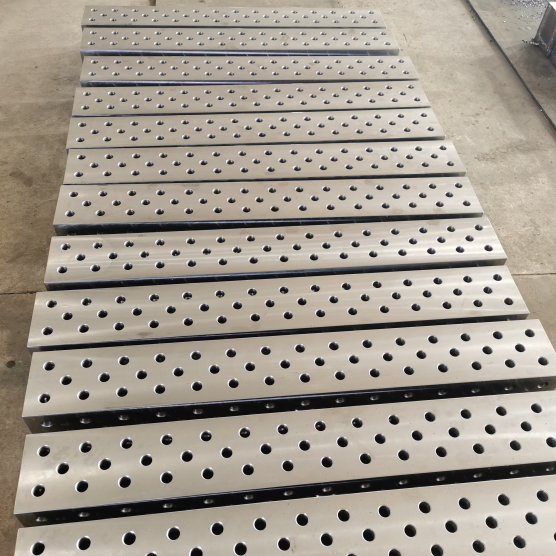
Looking for the best welding fixture table top in 2026? The market has shifted toward high-precision, modular surfaces that combine durability with advanced compatibility for robotic and manual welding. This guide covers current pricing trends, material innovations, and technical specifications to help you choose the right platform for your fabrication needs.
What Is a Welding Fixture Table Top?
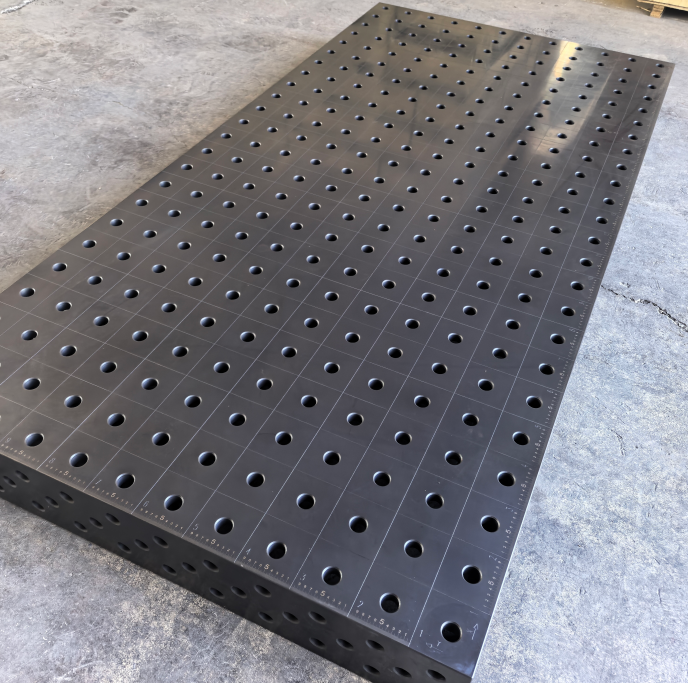
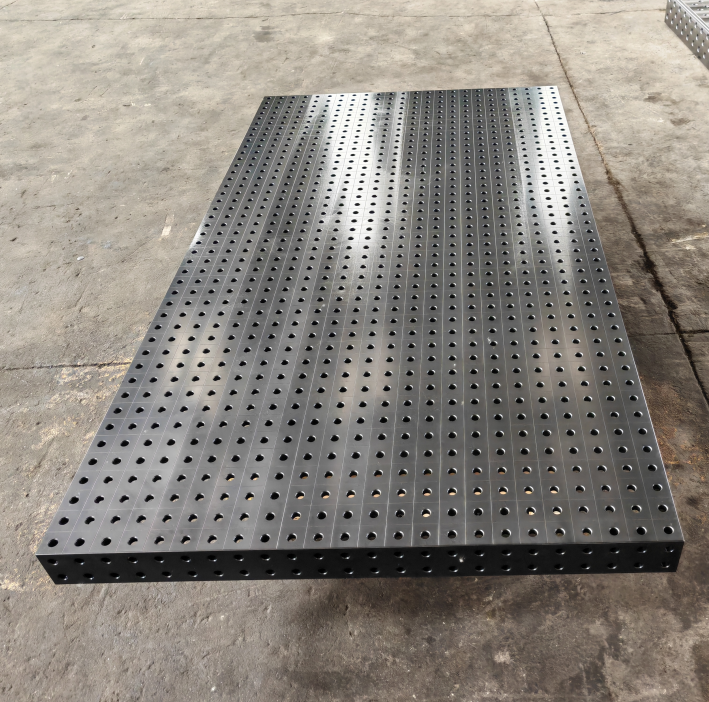
A welding fixture table top is a specialized work surface designed with a precision grid of holes or slots. Unlike standard steel tables, these tops allow welders to rapidly position, clamp, and square components using a variety of fixturing tools.
The primary function is to ensure repeatability and accuracy. By utilizing a consistent hole pattern, fabricators can create complex assemblies without extensive measuring or tacking. In 2026, these surfaces are essential for both small job shops and large-scale automated production lines.
Modern tops are engineered to resist warping under extreme heat. They serve as the foundation for 3D welding systems, enabling users to build fixtures directly on the surface. This capability significantly reduces setup time and improves overall joint quality.
Key Materials and Construction Trends in 2026
Selecting the right material is critical for longevity and performance. The industry currently favors specific alloys that balance hardness with thermal stability. Understanding these materials helps in making an informed purchasing decision.
High-Strength Steel Alloys
Most premium welding fixture table tops are constructed from high-strength low-alloy (HSLA) steel. These materials undergo rigorous heat treatment to achieve a hardness that resists spatter adhesion while maintaining structural integrity.
The surface is often nitrided or coated to prevent rust and reduce friction. This treatment ensures that clamps slide smoothly into position without galling. Durability is a key factor, as these tables represent a long-term investment for any workshop.
Ceramic and Composite Innovations
Recent trends show a rise in hybrid surfaces incorporating ceramic elements. These composites offer superior heat resistance, preventing the table from distorting during prolonged high-amperage welding sessions.
While traditional steel remains the standard for heavy-duty applications, composite tops are gaining traction in aerospace and thin-gauge manufacturing. They provide a lighter alternative without sacrificing the precision required for tight-tolerance work.
Welding Fixture Table Top vs. Standard Workbench
Fabricators often debate whether to invest in a dedicated fixture table or modify a standard workbench. The differences in functionality, cost, and output quality are significant. The following comparison highlights why specialized tops dominate the professional sector.
| Feature |
Welding Fixture Table Top |
Standard Workbench |
| Hole Pattern |
Precision-machined grid (e.g., 50mm or 100mm spacing) |
None or irregular drill holes |
| Flatness Tolerance |
Extremely high (often within ±0.5mm over full surface) |
Variable, prone to warping over time |
| Clamping Versatility |
Compatible with hundreds of modular stop, clamp, and angle tools |
Limited to C-clamps or magnetic holders |
| Heat Resistance |
Engineered to withstand direct arc exposure without deformation |
Susceptible to heat distortion and burn-through |
| Repeatability |
Allows exact replication of parts for batch production |
Requires manual measurement for every new piece |
| Initial Cost |
Higher upfront investment |
Lower initial cost |
The data clearly shows that while standard benches are cheaper initially, they lack the efficiency needed for modern production. A welding fixture table top pays for itself through reduced labor hours and minimized material waste due to errors.
Top Technical Specifications to Consider
When evaluating options for 2026, buyers must look beyond just the price tag. Specific technical parameters determine whether a table will meet your project requirements. Ignoring these details can lead to compatibility issues with existing tooling.
Hole Spacing and Diameter
The grid system is the heart of the table. Common spacings include 50mm x 50mm, 100mm x 100mm, and 16mm diameter holes. The choice depends on the scale of your work. Smaller spacing offers more flexibility for intricate, small-scale assemblies.
Larger spacing is preferred for heavy structural steel where massive clamps are required. It is crucial to match the hole pattern with your existing or planned fixture toolkit. Mismatched systems render many accessories useless.
Surface Flatness and Finish
Precision is measured by flatness tolerance. High-end models guarantee flatness within fractions of a millimeter across the entire surface. This is non-negotiable for industries like automotive or aerospace where alignment is critical.
The finish should be smooth enough to allow easy cleaning but textured enough to prevent slippery movement during setup. Some manufacturers offer a black oxide finish which provides excellent corrosion resistance and reduces glare.
Industry Leaders in Flexible Fixturing Solutions
As the demand for precision grows, selecting a reputable manufacturer becomes as important as choosing the right specifications. Companies like Botou Haijun Metal Products Co., Ltd. have emerged at the forefront of this evolution, specializing in the research, development, and production of high-precision flexible modular fixtures.
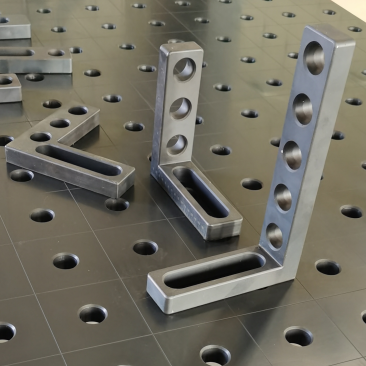
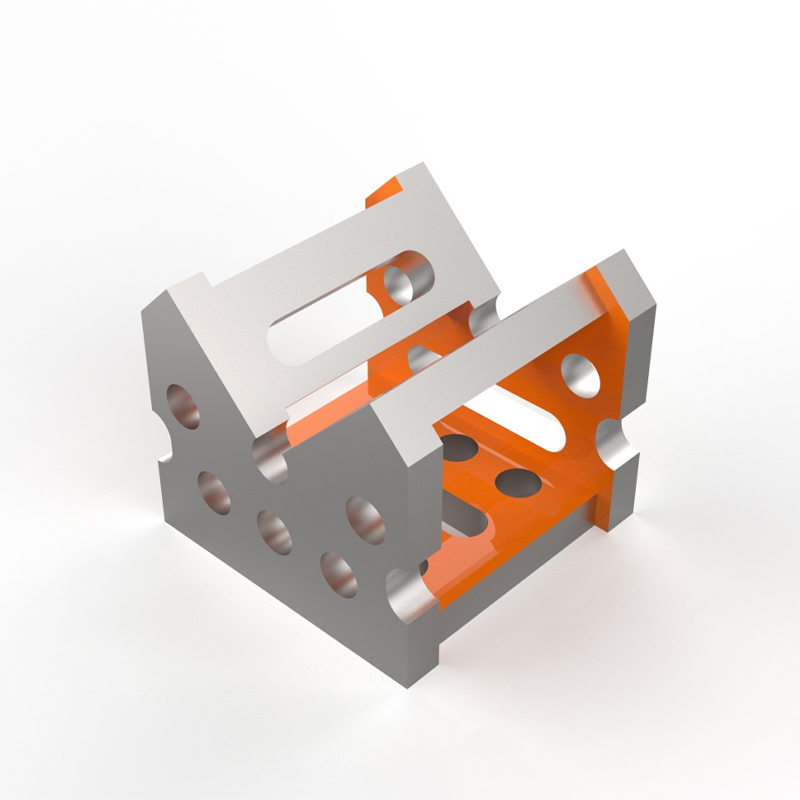
Committed to providing efficient solutions for the modern manufacturing industry, Haijun Metal offers a robust core product line including both 2D and 3D flexible welding platforms. Renowned for their exceptional versatility, these platforms have become preferred jigging equipment in the machining, automotive, and aerospace sectors. Beyond the tables themselves, the company provides a comprehensive ecosystem of complementary components, such as U-shaped and L-shaped multi-purpose square boxes, 200-series support angle irons, and 0-225° universal angle gauges. These accessories integrate seamlessly with the platforms to enable rapid workpiece positioning and clamping.
Furthermore, Haijun Metal manufactures professional cast iron 3D welding platforms and angle connection blocks, ensuring that every product delivers exceptional durability and stability. With years of industry experience, they have established themselves as a trusted supplier to customers both domestically and internationally, continuously delivering high-quality production machinery tool series that meet the rigorous demands of 2026.
Step-by-Step Guide to Setting Up Your Fixture Table
Proper installation and setup maximize the lifespan and utility of your welding fixture table top. Following a systematic approach ensures safety and optimal performance from day one.
- Inspect the Surface: Upon delivery, check for any shipping damage or warping. Use a straightedge to verify flatness before mounting any tools.
- Level the Frame: Place the table on a stable floor. Use adjustable feet to level the surface perfectly. An unlevel table can cause gravity to shift heavy components during welding.
- Clean the Grid: Remove all protective oils or debris from the holes. Use a wire brush or compressed air to ensure clamps insert smoothly without forcing them.
- Organize Tooling: Arrange your stops, angles, and clamps logically around the workspace. Keep frequently used items within arm’s reach to maintain workflow efficiency.
- Test with a Dummy Run: Before welding actual production parts, assemble a test piece. Verify that all clamps lock securely and that the geometry matches your design specifications.
This routine not only protects your investment but also establishes a disciplined workflow. Consistent maintenance prevents the accumulation of spatter that can eventually clog the precision holes.
Price Analysis and Market Trends for 2026
The cost of a welding fixture table top varies widely based on size, material thickness, and brand reputation. Understanding the current pricing landscape helps businesses budget effectively for upcoming projects.
Budget-Friendly Options
Entry-level tables typically range from $800 to $1,500. These models often feature thinner gauge steel and may have slightly wider tolerances on flatness. They are suitable for hobbyists or light-duty repair shops.
While affordable, these units may require more frequent leveling or replacement if subjected to heavy industrial use. Buyers should weigh the lower initial cost against potential long-term maintenance needs.
Professional and Industrial Grade
Mid-range to high-end systems cost between $2,000 and $5,000 or more. These tables boast superior metallurgy, thicker tops (often 20mm+), and guaranteed flatness certifications. They are built to withstand decades of rigorous use.
In 2026, we are seeing a trend towards bundled packages. Manufacturers are offering complete kits that include the table, a set of essential clamps, and storage solutions. These bundles often provide better value than purchasing components separately.
Applications Across Different Industries
The versatility of modular fixturing extends far beyond general fabrication. Various sectors leverage these tables to solve unique engineering challenges and improve throughput.
Automotive and Motorsports
In racing and custom automotive builds, chassis alignment is paramount. A welding fixture table top allows builders to construct roll cages and frames with perfect symmetry. The ability to lock components in 3D space ensures that suspension mounting points are accurate.
Aerospace and Defense
This sector demands the highest levels of precision. Tables here are used to assemble lightweight structures where even minor deviations can compromise safety. The clean, spatter-resistant surface is vital for working with expensive materials like titanium or aluminum alloys.
General Manufacturing and Job Shops
For diverse job shops, the quick-change capability is the biggest advantage. One table can handle multiple different projects in a single day. Operators simply swap out the fixturing tools to adapt to new blueprints, drastically reducing downtime between jobs.
Pros and Cons of Modular Fixturing Systems
No solution is perfect for every scenario. Evaluating the advantages and limitations helps determine if this technology fits your specific operational model.
Advantages
- Increased Speed: Setup times are reduced by up to 70% compared to traditional methods.
- Improved Quality: Consistent positioning leads to fewer reworks and higher quality welds.
- Scalability: Multiple tables can be bolted together to create massive work areas for large assemblies.
- Tool Compatibility: Access to a vast ecosystem of third-party clamps and accessories.
Limitations
- Initial Investment: The upfront cost for a quality table and tooling kit is significant.
- Weight: These tables are extremely heavy, requiring specialized equipment for moving and installation.
- Maintenance: Holes must be kept clean of spatter to maintain functionality, requiring regular cleaning routines.
Frequently Asked Questions (FAQ)
Addressing common queries helps clarify doubts and guides potential buyers toward the right choice. Here are the most asked questions regarding welding fixture table tops in the current market.
Can I weld directly on the fixture table top?
Yes, these tables are designed to withstand direct welding. However, it is recommended to use anti-spatter spray or ceramic discs to protect the holes from clogging. Regular cleaning ensures the longevity of the precision grid.
What is the difference between 16mm and 28mm hole systems?
The number refers to the diameter of the holes. A 16mm system is ideal for lighter work and offers a denser grid for more clamping options. A 28mm system supports heavier clamps and is better suited for thick structural steel applications.
How do I prevent rust on my welding table?
Most high-quality tops come with a protective coating. To maintain it, wipe down the surface after use and apply a light coat of oil if the table will sit idle for long periods. Avoid using water-based cleaners that can promote oxidation.
Are these tables compatible with robotic welding cells?
Absolutely. In fact, they are the industry standard for robotic fixturing. The precise grid allows robots to repeat paths accurately. Many 2026 models are specifically marketed with features optimized for automation integration.
Can I expand my table later if I need more space?
Yes, one of the key benefits of modular systems is expandability. Most manufacturers design their tables with machined edges that allow multiple units to be bolted together seamlessly, creating a larger continuous work surface.
Future Outlook: What’s Next for Welding Tables?
As we move further into 2026, technology continues to reshape fabrication tools. We anticipate seeing more integration of smart sensors into table surfaces. These sensors could monitor temperature distribution or detect clamp placement automatically.
Sustainability is also becoming a focus. Manufacturers are exploring eco-friendlier coating processes and recycled steel alloys without compromising strength. The core principle remains the same: providing a stable, precise foundation for creation.
The shift towards “Industry 4.0” means that data connectivity might soon become a feature. Imagine a table that logs assembly times or tracks tool usage. While still emerging, these innovations highlight the dynamic nature of the field.
Conclusion and Buying Recommendations
Investing in a high-quality welding fixture table top is a strategic move for any serious fabrication business. The combination of precision, speed, and versatility offered by modern systems far outweighs the initial costs. As we have seen, the market in 2026 offers diverse options ranging from budget-friendly entry models to robust industrial powerhouses.
For small shops and hobbyists, a mid-range 16mm system offers the best balance of flexibility and cost. Large-scale manufacturers should prioritize heavy-duty 28mm tables with certified flatness to support robotic operations and heavy structural work. Always consider the total ecosystem of tools available for the specific brand you choose, such as the comprehensive accessory lines offered by established providers like Botou Haijun Metal Products.
Next Steps: Evaluate your current workflow bottlenecks. If setup time and part inconsistency are issues, transitioning to a modular fixture table is the logical solution. Research reputable suppliers, request quotes for bundled kits, and plan your shop layout to accommodate the weight and size of your new equipment. The future of efficient welding starts with a solid foundation.