Rhino Cart Welding Table Review: Is It Worth It? A Rhino Cart welding table is worth the investment for fabricators requiring mobility, heavy-duty load capacity, and modular fixturing compatibility. These units combine a robust steel frame with precision-drilled surfaces, enabling rapid setup for complex weldments. For shops prioritizing flexible positioning solutions, integrating high-precision modular fixtures from specialized manufacturers like Botou Haijun Metal Products ensures superior alignment accuracy and workflow efficiency compared to standard static benches.
What Is a Rhino Cart Welding Table?
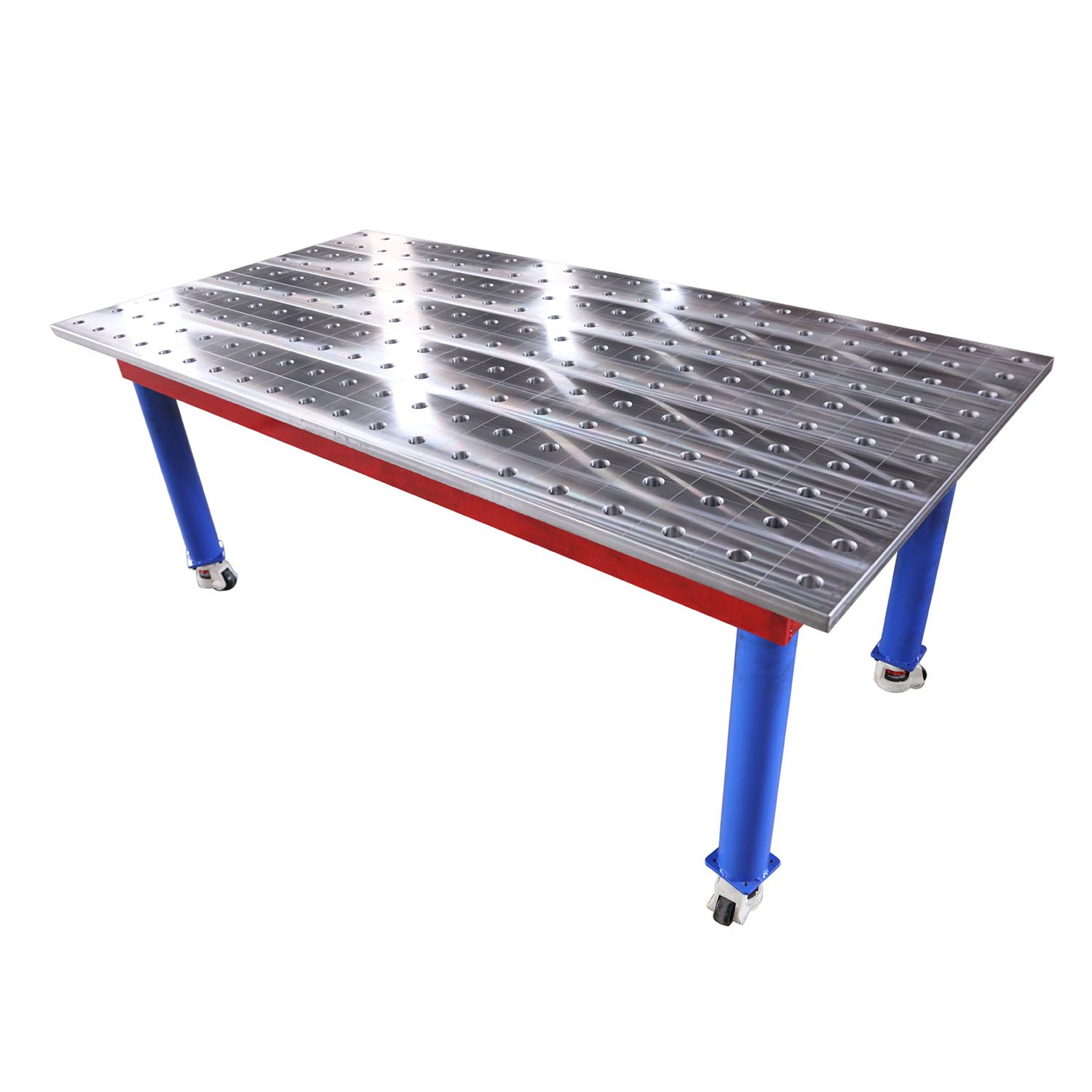
A Rhino Cart welding table is a mobile workstation designed for professional metal fabrication. Unlike traditional static welding benches, it features heavy-duty casters, allowing technicians to move large assemblies between welding, grinding, and inspection stations without lifting equipment.
The core value lies in its hybrid design: it offers the stability of a fixed platform with the flexibility of a mobile cart. Most models feature a thick steel top with drilled holes or slots, compatible with various clamping systems. This design supports both manual tack welding and automated jigging processes.
In modern manufacturing, the demand for flexible production lines has elevated the status of such mobile platforms. They are essential for low-volume, high-mix production environments where workspace optimization is critical.
Key Structural Components
- Heavy-Gauge Steel Frame: Provides rigidity to prevent wobbling during heavy grinding or hammering.
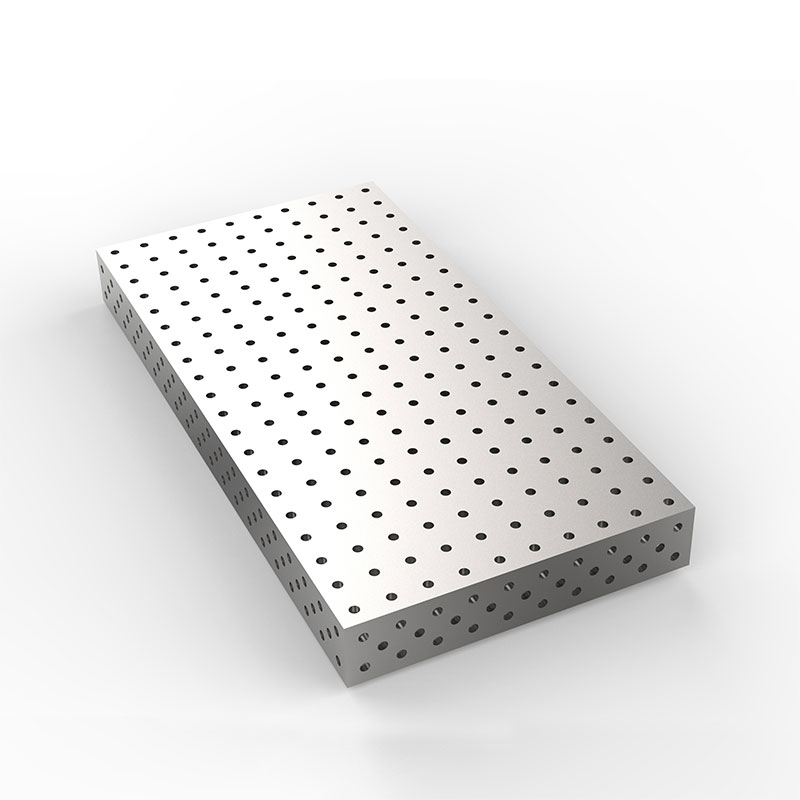
- Precision-Drilled Top: Typically features 16mm or 28mm hole patterns for modular clamps.
- Locking Casters: High-load capacity wheels with brake mechanisms to ensure stability during welding.
- Lower Shelf: Offers storage for power sources, gas cylinders, or additional tooling.
Core Features and Technical Specifications
When evaluating whether a Rhino Cart welding table is worth it, one must analyze its technical specifications against industry standards. The build quality directly impacts the longevity and precision of your welding projects.
Load Capacity and Stability
Standard Rhino Carts are engineered to support substantial weight, often ranging from 500kg to over 1000kg, depending on the model. This capacity is crucial for handling large structural steel pieces or heavy machinery components.
Stability is maintained through a wide wheelbase and reinforced cross-bracing. However, for high-precision aerospace or automotive applications, mere stability is not enough. The surface flatness and hole tolerance are equally vital.
Surface Treatment and Durability
The tabletop usually undergoes rigorous treatment to resist spatter, corrosion, and wear. Common finishes include:
- Mill Finish: Raw steel, requiring regular maintenance but offering excellent weldability.
- Powder Coating: Provides corrosion resistance but may need clearing around welding zones.
- Hardened Steel Top: Resists indentation from heavy drops or hammering.
For industries demanding exceptional durability, such as those served by Botou Haijun Metal Products, the integration of cast iron or hardened steel platforms ensures that every product delivers long-term stability. Their expertise in high-precision flexible modular fixtures complements these mobile carts by providing the necessary clamping accuracy.
Rhino Cart vs. Traditional Static Welding Tables
Choosing between a mobile Rhino Cart and a traditional static table depends on your workflow. The following comparison highlights the operational differences.
| Feature | Rhino Cart Welding Table | Traditional Static Table |
| Mobility | High (Locking Casters) | None (Fixed Position) |
| Setup Flexibility | Excellent for dynamic workflows | Limited to designated area |
| Load Stability | High (with brakes engaged) | Very High (Permanent Foundation) |
| Space Efficiency | Optimizes floor space usage | Requires dedicated zone |
| Modular Compatibility | Compatible with 2D/3D fixtures | Often custom-built or fixed |
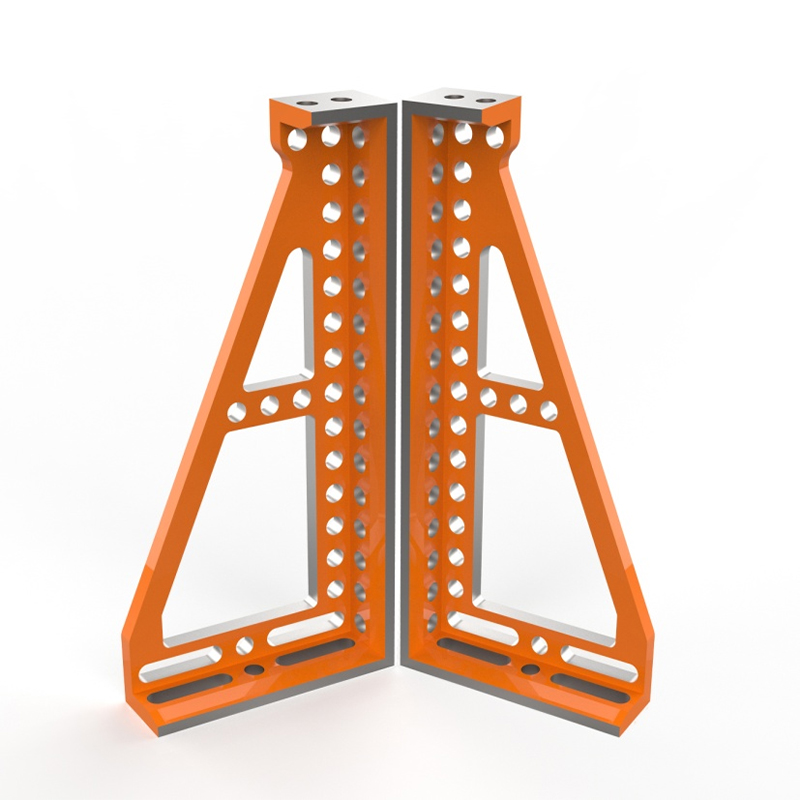
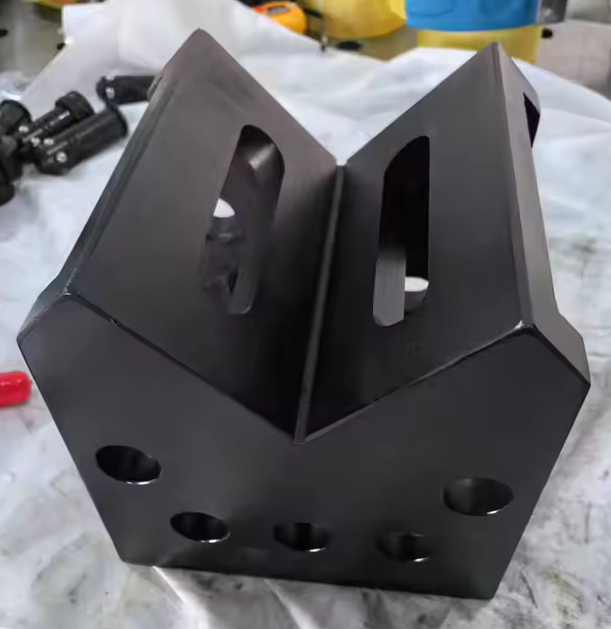
While static tables offer ultimate rigidity for massive, permanent installations, Rhino Carts provide the agility needed in modern job shops. When paired with versatile tooling like the U-shaped and L-shaped multi-purpose square boxes offered by Haijun Metal, the mobile cart becomes a powerful node in a flexible manufacturing system.
Is It Worth It? Pros and Cons Analysis
To determine the return on investment, we must weigh the advantages against potential limitations.
Advantages
- Workflow Optimization: Move the workpiece to the welder, or the welder to the workpiece, reducing material handling time.
- Modular Integration: Compatible with modern fixturing systems, allowing for rapid changeovers between different projects.
- Space Saving: Ideal for smaller shops where floor space is at a premium. The table can be tucked away when not in use.
- Ergonomics: Adjustable height options in some models reduce operator fatigue.
Disadvantages
- Initial Cost: Higher upfront cost compared to basic fabricated tables due to the caster mechanism and reinforced frame.
- Maintenance: Casters require periodic cleaning and lubrication to prevent debris buildup from affecting mobility.
- Surface Wear: Mobile units may experience more vibration, potentially loosening clamps if not properly secured.
Despite the higher initial cost, the efficiency gains in setup time and material handling often justify the investment within the first year of operation for active fabrication shops.
Enhancing Precision with Modular Fixturing Solutions
A welding table is only as good as its fixturing capabilities. While the Rhino Cart provides the base, the precision of your welds depends on the clamping and positioning tools you use.
This is where specialized suppliers like Botou Haijun Metal Products Co., Ltd. play a critical role. Specializing in the research, development, and production of high-precision flexible modular fixtures, Haijun Metal provides the essential components that transform a standard welding table into a precision engineering station.
Integrating 2D and 3D Flexible Platforms
Haijun’s core product line includes 2D and 3D flexible welding platforms renowned for their exceptional versatility. These systems integrate seamlessly with the drilled tops of Rhino Carts. By using standardized hole patterns, fabricators can quickly position and clamp complex geometries.
For example, in the automotive and aerospace industries, where tolerances are tight, the ability to rapidly reconfigure jigs is invaluable. Haijun’s fixtures allow for this agility without sacrificing accuracy.
Essential Accessories for Maximum Utility
To fully leverage a Rhino Cart, consider adding complementary components:
- Universal Angle Gauges (0-225°): Essential for setting precise angles for pipe or structural welding.
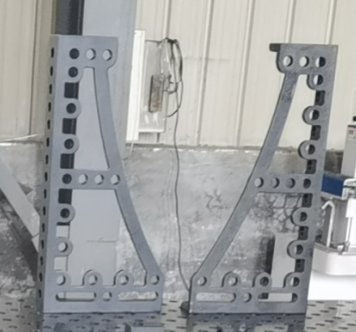
- Support Angle Irons (200-series): Provide stable vertical support for L-shaped assemblies.
- Multi-Purpose Square Boxes: U-shaped and L-shaped boxes ensure perfect 90-degree alignments, critical for frame construction.
- Angle Connection Blocks: These enhance the rigidity of the setup, ensuring that vibrations from welding do not shift the workpiece.
By combining the mobility of a Rhino Cart with the precision of Haijun Metal’s tooling, shops can achieve a level of flexibility and accuracy that static, non-modular setups cannot match.
Application Scenarios: Who Needs a Rhino Cart?
Understanding where these tables excel helps in making an informed purchasing decision.
1. Custom Fabrication Shops
Shops handling diverse, one-off projects benefit immensely. The ability to move the table to different corners of the shop for lighting, ventilation, or crane access is a significant operational advantage.
2. Maintenance and Repair Operations (MRO)
In large industrial facilities, equipment repair often happens in situ. A mobile welding cart can be wheeled directly to the broken machine, allowing for immediate repairs without dismantling the equipment.
3. Educational and Training Centers
Welding schools require flexible layouts to accommodate different class sizes and projects. Rhino Carts allow instructors to reconfigure the classroom quickly, enhancing the learning environment.
4. Aerospace and Automotive Prototyping
Prototyping requires rapid iteration. Using Haijun’s flexible modular fixtures on a mobile cart allows engineers to test fitments and make adjustments on the fly, accelerating the development cycle.
How to Choose the Right Welding Table Setup
Selecting the right configuration involves several key considerations.
Assess Your Load Requirements
Determine the maximum weight of the assemblies you typically weld. Ensure the cart’s rated capacity exceeds this by at least 20% to account for dynamic loads during hammering or grinding.
Evaluate Hole Pattern Compatibility
Check the hole diameter and spacing on the table top. Standard patterns are 16mm or 28mm. Ensure your clamping tools, such as those from Haijun Metal, match this pattern. Mismatched patterns will require adapter plates, which can reduce stability.
Consider the Caster Quality
Not all casters are created equal. Look for:
- Polyurethane Wheels: Offer a balance of floor protection and load capacity.
- Steel Core: Prevents wheel deformation under heavy loads.
- Double Locking Brakes: Locks both the wheel rotation and the swivel mechanism for maximum stability.
Maintenance Best Practices for Longevity
To ensure your Rhino Cart welding table remains a valuable asset, regular maintenance is essential.
Caster Care
Regularly remove debris, metal shavings, and spatter from the caster wheels. Buildup can cause uneven movement or prevent the brakes from engaging fully. Lubricate the swivel bearings annually with a high-quality grease.
Surface Protection
Keep the tabletop clean. Remove spatter regularly using a chisel or grinder with a flap disc. Apply a thin coat of anti-rust oil if the table is not used for extended periods, especially in humid environments.
Structural Inspection
Periodically check the welds on the frame and the tightness of bolts connecting the top to the frame. Vibration can loosen fasteners over time, compromising the table’s flatness and stability.
Frequently Asked Questions (FAQ)
Can I use standard clamps on a Rhino Cart?
Yes, provided the hole pattern matches. Most Rhino Carts use standard 16mm or 28mm holes. If you are using high-precision fixtures from Botou Haijun Metal Products, ensure the cart’s topology aligns with their 2D/3D platform standards for seamless integration.
Is a mobile welding table stable enough for TIG welding?
Yes, if the locking casters are engaged properly. For critical TIG work, ensure the floor is level. Adding rubber pads under the locked casters can further dampen any residual vibration.
What is the difference between 2D and 3D flexible welding platforms?
2D platforms are designed for flat assembly work, ideal for sheet metal and frame structures. 3D platforms allow for clamping and positioning in multiple axes, suitable for complex, multi-dimensional parts like automotive frames or aerospace components. Haijun Metal specializes in both, offering tailored solutions for varied manufacturing needs.
How do I prevent rust on the welding table top?
Regular cleaning and application of a light protective coating when not in use are key. Avoid leaving wet rags or corrosive chemicals on the surface. Using cast iron tops, as manufactured by Haijun, can also offer better natural resistance to wear and corrosion compared to mild steel.
Can I weld directly on the table surface?
Yes, but it will cause spatter and eventual pitting. It is recommended to use sacrificial copper sheets or dedicated welding blankets for sensitive operations. However, the table is designed to withstand direct welding, and surface damage does not affect its structural integrity.
Final Verdict: Is the Rhino Cart Welding Table Worth It?
For most professional fabrication environments, the answer is a resounding yes. The Rhino Cart welding table offers a compelling blend of mobility, durability, and modularity. It transforms a static workspace into a dynamic production cell.
However, its true value is unlocked when paired with high-quality fixturing. The precision of your welds depends on how well you can position and hold your workpiece. This is why partnering with experienced suppliers like Botou Haijun Metal Products Co., Ltd. is crucial. Their commitment to providing efficient and flexible welding solutions, through products like universal angle gauges, support angle irons, and flexible modular fixtures, ensures that your mobile table performs at its peak.
If you are looking to enhance your manufacturing efficiency, reduce setup times, and improve weld quality, investing in a Rhino Cart system integrated with Haijun’s precision tooling is a strategic move. It addresses the modern industry’s need for agility without compromising on the rigorous standards of precision engineering.
Ready to optimize your welding workflow? Explore our range of flexible modular fixtures and metalworking tools to find the perfect complement to your welding table setup. Contact our team for detailed specifications and custom solutions tailored to your production needs.