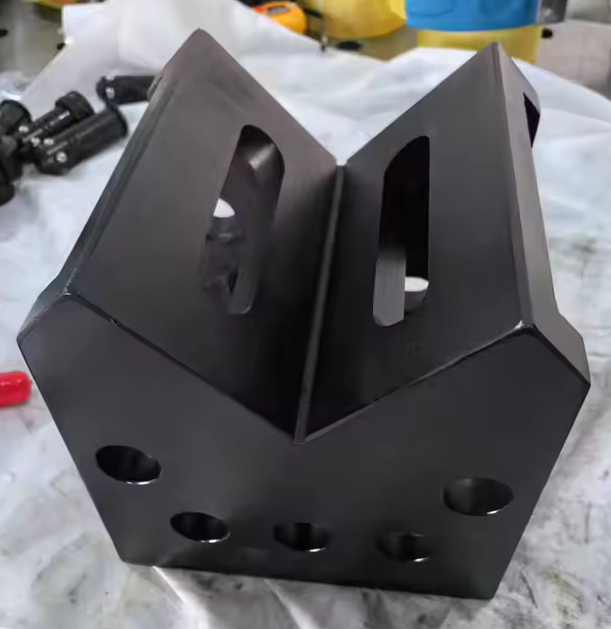
A Strong Hand Welding Table is a high-precision, modular workbench designed to provide rigid support and accurate positioning for welding, fabrication, and assembly tasks. Characterized by a grid of precision-drilled holes or slots, these tables allow users to securely clamp workpieces using specialized fixtures, ensuring repeatable accuracy and minimizing distortion. For manufacturers seeking enhanced flexibility, solutions like the 2D and 3D flexible welding platforms from Botou Haijun Metal Products Co., Ltd. offer superior modularity, enabling rapid setup for complex geometries in automotive, aerospace, and heavy machinery sectors.
What Defines a High-Performance Strong Hand Welding Table?
In modern metalworking, the term “Strong Hand” often refers to the robustness and reliability of the clamping and positioning system rather than just a brand name. A high-performance welding table serves as the foundational element of any fabrication cell. It must withstand extreme thermal cycles, mechanical stress from hammering or grinding, and the weight of heavy structural components.
The core definition of such a table revolves around three pillars: flatness, rigidity, and modularity. Flatness ensures that welded assemblies remain within tolerance, preventing costly rework. Rigidity prevents the table itself from warping under heat or load. Modularity allows the same workspace to adapt to different projects without requiring custom jig construction for every single part.
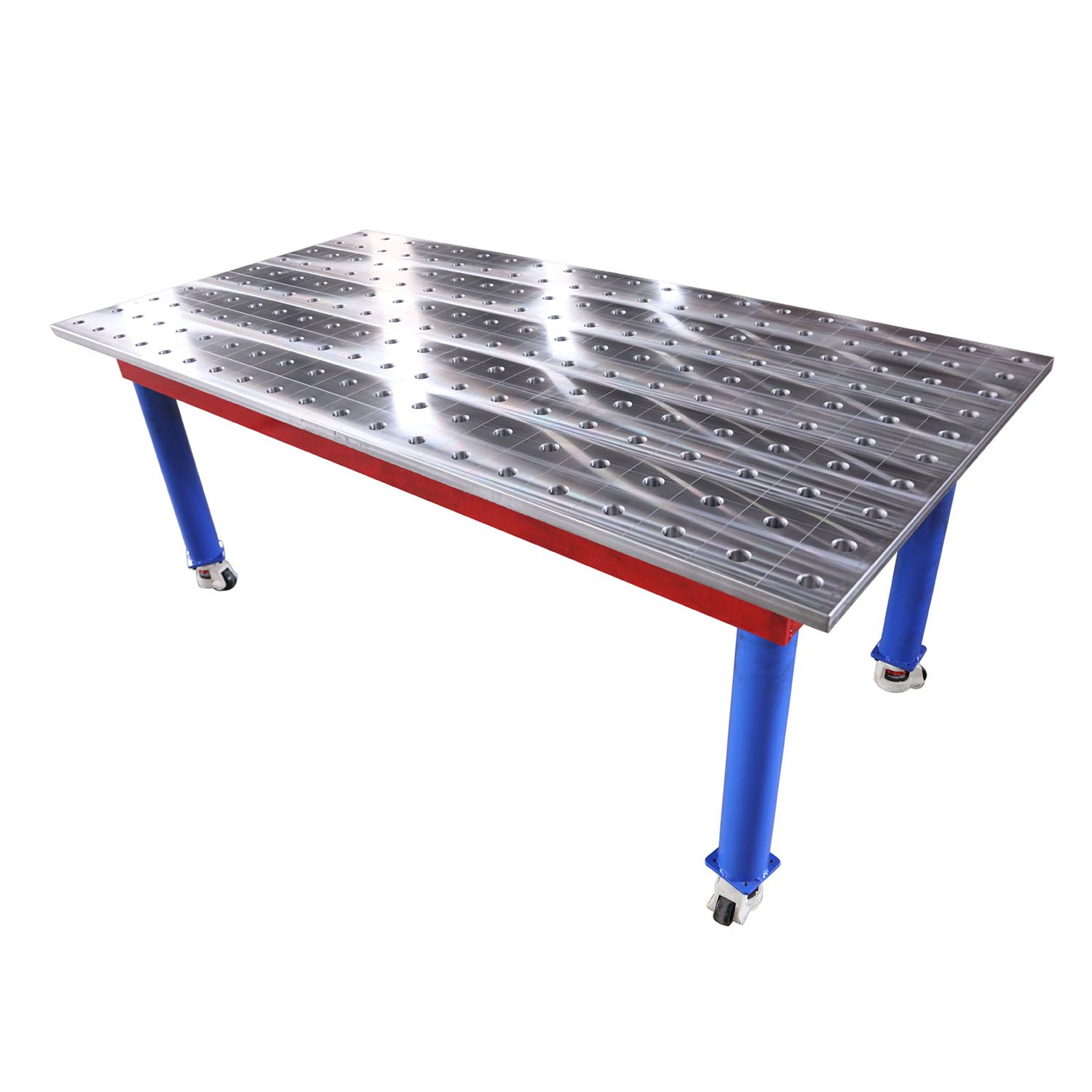
Unlike traditional fixed benches, advanced modular systems utilize a matrix of holes (typically 16mm, 28mm, or 50mm spacing) that accept various stops, clamps, and squares. This ecosystem transforms a simple steel surface into a versatile manufacturing tool. Companies like Botou Haijun Metal Products Co., Ltd. have refined this concept by integrating high-precision cast iron and steel platforms that maintain stability even under the rigorous demands of 3D welding applications.
Key Features of Modular Welding Platforms
When evaluating a welding table for industrial use, several technical features distinguish premium equipment from standard workbenches. These features directly impact workflow efficiency and final product quality.
Precision Hole Patterns and Slot Systems
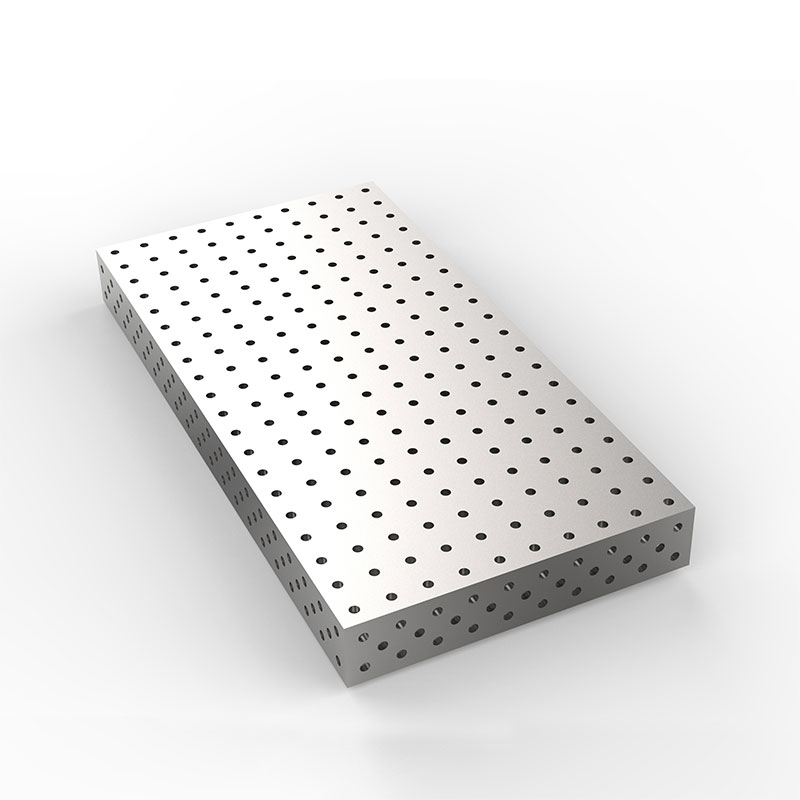
The defining feature of a modular welding table is its hole pattern. These holes are not merely drilled; they are machined to tight tolerances to ensure that fixtures fit snugly without play. Common configurations include:
- Square Grid Patterns: Ideal for general fabrication, allowing clamping from multiple angles.
- Slot Systems: Provide continuous adjustability along specific axes, useful for long beams or irregular shapes.
- Threaded vs. Through Holes: Through holes allow clamps to pass through for underside access, while threaded holes offer secure anchoring for heavy-duty stops.
Botou Haijun’s 2D and 3D flexible welding platforms utilize optimized hole distributions that maximize clamping points while maintaining structural integrity. This design enables rapid workpiece positioning, significantly reducing setup time compared to traditional tack-welding methods.
Material Composition and Surface Treatment
The base material determines the table’s longevity and resistance to deformation. High-quality tables are typically constructed from:
- Low-Carbon Steel: Offers excellent weldability and strength. It is often treated with anti-spatter coatings to prevent slag adhesion.
- Cast Iron: Known for its superior damping properties and stability. Cast iron tables, such as those manufactured by Botou Haijun, are less prone to vibration and thermal distortion, making them ideal for high-precision machining and inspection tasks alongside welding.
Surface treatments play a crucial role in maintenance. Powder coating or specialized anti-rust finishes protect the table during storage, while hard-facing or nitriding can enhance wear resistance in high-volume production environments.
Load Capacity and Structural Rigidity
A true industrial welding table must support significant weight without sagging. Heavy-duty models feature reinforced ribbing underneath the tabletop and thick leg structures. The load capacity is not just about static weight; it includes dynamic loads from dropping parts or applying clamping force. Rigid construction ensures that the table remains flat over years of use, preserving the accuracy of the hole pattern.
Benefits of Using a Strong Hand Welding Table in Fabrication
Investing in a high-quality modular welding table yields measurable returns in productivity and quality control. The benefits extend beyond simple convenience, impacting the entire manufacturing lifecycle.
Enhanced Accuracy and Repeatability
One of the primary challenges in welding is managing heat-induced distortion. By securing parts firmly to a flat, stable surface, welders can minimize movement during the welding process. The use of precision squares and stops ensures that angles are maintained at exactly 90 degrees or other specified angles. This repeatability is critical in industries like automotive and aerospace, where component interchangeability is mandatory.
Botou Haijun’s flexible fixtures integrate seamlessly with their platforms, enabling rapid workpiece positioning and clamping. This integration ensures that every part produced meets the same high standards, reducing variability between batches.
Increased Productivity and Reduced Setup Time
Traditional welding setups often require measuring, tacking, and re-measuring. With a modular table, operators use pre-set stops and clamps to position parts instantly. This “plug-and-play” approach can reduce setup time by up to 50% for repetitive jobs. For custom jobs, the flexibility of the hole pattern allows for quick adaptation without the need for fabricating dedicated jigs.
Versatility Across Applications
A single modular table can serve multiple functions:
- Welding: Primary use for joining metal components.
- Assembly: Acting as a precise layout table for fitting parts before welding.
- Inspection: Serving as a reference plane for checking part dimensions and flatness.
- Fixturing: Supporting CNC machining or drilling operations when equipped with appropriate hold-downs.
This versatility reduces the need for multiple specialized tables, saving valuable floor space in workshops.
Improved Worker Safety and Ergonomics
Properly designed welding tables elevate work to a comfortable height, reducing back strain for operators. Secure clamping also prevents parts from shifting or falling, which is a common cause of workplace accidents. Furthermore, organized clamping systems keep tools and accessories within reach, promoting a cleaner and safer work environment.
Comparison: Standard Steel Tables vs. Flexible Modular Platforms
Understanding the difference between a basic steel table and a sophisticated modular system helps in making an informed purchasing decision. The following table highlights key distinctions.
| Feature | Standard Steel Table | Flexible Modular Platform (e.g., Haijun Metal) |
| Precision | Low; surface may warp over time | High; machined flatness and hole tolerance |
| Clamping Options | Limited to edge clamps or C-clamps | Unlimited; clamps anywhere on the grid |
| Setup Speed | Slow; requires manual measurement | Fast; uses stops and predefined positions |
| Versatility | General purpose only | Adaptable for 2D and 3D complex assemblies |
| Longevity | Moderate; prone to surface damage | High; durable materials like cast iron or treated steel |
| Cost | Lower initial investment | Higher initial cost, lower long-term operational cost |
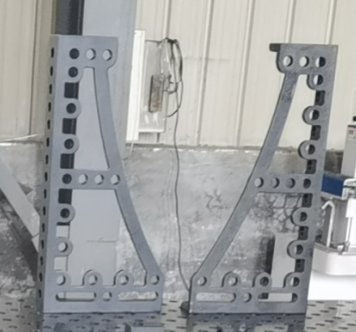
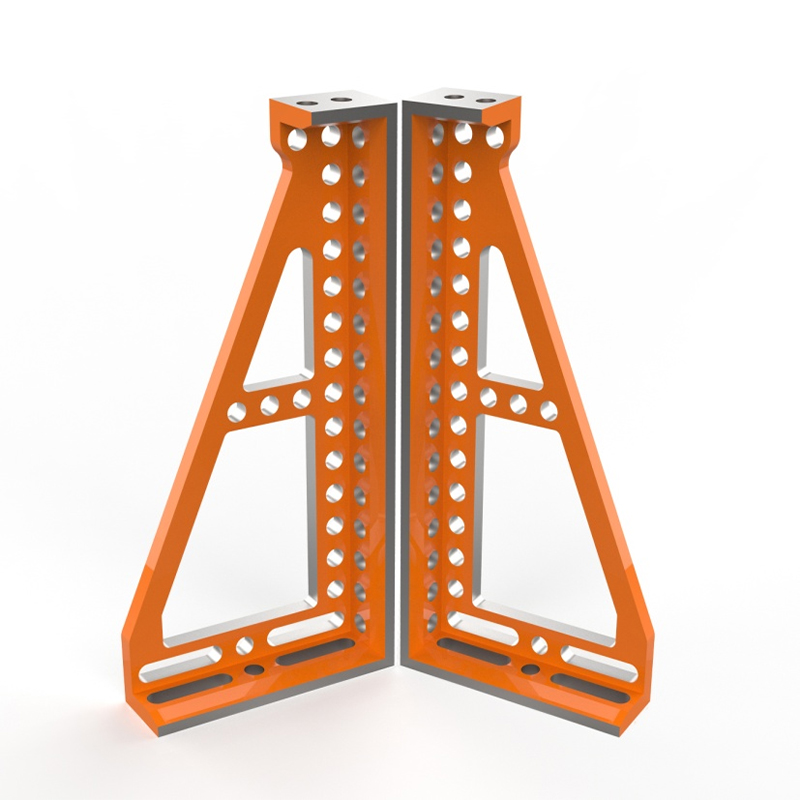
While standard tables are suitable for occasional hobbyist use, industrial environments benefit significantly from the precision and efficiency of modular platforms. The ability to integrate accessories like U-shaped and L-shaped multi-purpose square boxes further enhances the utility of modular systems.
Essential Accessories for Maximizing Table Utility
A welding table is only as effective as the fixtures used with it. To fully leverage the capabilities of a strong hand welding table, operators should utilize a comprehensive range of complementary components.
Clamping and Stopping Systems
Clamps secure the workpiece to the table, while stops define its position. Key accessories include:
- Quick-Action Clamps: Allow for rapid tightening and release, speeding up the loading process.
- Adjustable Stops: Can be positioned anywhere on the grid to create custom boundaries for parts.
- Corner Clamps: Essential for holding two pieces at a perfect 90-degree angle during tack welding.
Angle Gauges and Squares
Precision alignment tools are critical for complex assemblies. Botou Haijun offers specialized tools such as 0-225° universal angle gauges and 200-series support angle irons. These components allow welders to set up non-standard angles accurately, which is particularly useful in pipe fabrication and structural steelwork. The seamless integration of these accessories with the platform ensures that every angle is locked in place securely.
Support Blocks and Risers
For 3D welding applications, parts often need to be elevated or supported at various heights. Multi-purpose square boxes and riser blocks provide stable support points. These accessories help in creating a three-dimensional fixture setup, allowing for the assembly of complex structures like frames, chassis, and enclosures.
Applications in Modern Manufacturing Industries
The versatility of high-precision welding tables makes them indispensable across various sectors. Each industry has unique requirements that modular platforms are well-equipped to handle.
Automotive Industry
In automotive manufacturing, precision is paramount. Welding tables are used to assemble chassis components, exhaust systems, and body panels. The ability to quickly switch between different car models or parts is crucial for mixed-model production lines. Flexible fixtures from Botou Haijun enable manufacturers to maintain high throughput while ensuring consistent quality across diverse vehicle platforms.
Aerospace Sector
Aerospace components often involve exotic alloys and complex geometries. The stability and flatness of cast iron 3D welding platforms are ideal for these sensitive applications. Minimal distortion and high repeatability are required to meet strict aviation standards. Modular systems allow for the precise alignment of large structural assemblies, such as wing sections and fuselage frames.
Heavy Machinery and Equipment
For heavy equipment manufacturing, tables must support immense weights. Robust modular platforms provide the necessary strength and rigidity. They are used to assemble buckets, booms, and frames for excavators, loaders, and agricultural machinery. The modularity allows for the efficient handling of large, bulky parts that would be difficult to fixture using traditional methods.
How to Choose the Right Welding Table for Your Needs
Selecting the appropriate welding table involves assessing several factors related to your specific production requirements.
Assessing Workspace and Load Requirements
Consider the size of the parts you typically weld. Ensure the table surface is large enough to accommodate the largest assembly with room for clamps. Evaluate the weight of your workpieces to determine the required load capacity. For heavy industrial applications, opt for tables with reinforced legs and thick tabletops.
Evaluating Precision Needs
If your work requires tight tolerances, invest in a table with machined hole patterns and high flatness specifications. Cast iron platforms offer superior stability for precision work. For general fabrication, high-quality steel tables with hardened surfaces may suffice.
Considering Future Flexibility
Choose a system that can grow with your business. Modular platforms allow you to add accessories and expand capabilities as needed. Botou Haijun’s comprehensive range of components ensures that you can adapt your setup for new projects without replacing the entire table.
Maintenance Best Practices for Longevity
Proper maintenance extends the life of your welding table and preserves its accuracy.
- Clean Regularly: Remove spatter, dust, and debris after each use. Use a scraper or wire brush to clean the surface and holes.
- Protect from Rust: Apply a light coat of oil or rust inhibitor if the table will not be used for an extended period. Avoid using water-based cleaners that can promote corrosion.
- Check Flatness: Periodically verify the flatness of the table using a straightedge and feeler gauge. Resurface if necessary to maintain precision.
- Inspect Accessories: Ensure that clamps and stops are in good condition. Replace worn or damaged components to prevent slippage and inaccuracies.
Frequently Asked Questions (FAQ)
What is the difference between 2D and 3D welding tables?
A 2D welding table is designed for flat assemblies, where all components lie on a single plane. A 3D welding table allows for clamping and supporting parts in multiple planes, enabling the assembly of complex, three-dimensional structures. 3D tables typically feature holes on the sides of the table frame or use specialized cubes and blocks to create vertical clamping points.
Can I use a standard welding table for CNC machining?
Yes, but with limitations. A high-precision modular table with tight hole tolerances can serve as a fixture plate for light CNC machining. However, dedicated machining tables are often required for heavy cutting forces. Ensure that the clamps and fixtures used are rated for machining forces to prevent movement.
Why is cast iron preferred for high-precision welding tables?
Cast iron has excellent damping properties, meaning it absorbs vibrations better than steel. It is also more stable thermally, resisting warping due to heat changes. These characteristics make cast iron ideal for applications requiring high accuracy and repeatability.
How do I prevent spatter from sticking to my welding table?
Use anti-spatter sprays or gels on the table surface before welding. Some tables come with specialized coatings that resist spatter adhesion. Regular cleaning and maintenance also help prevent buildup. Avoid welding directly on the table surface when possible; use sacrificial plates or copper sheets for high-spatter processes.
What accessories are essential for a beginner?
For beginners, essential accessories include a set of square stops, corner clamps, and a few quick-action clamps. These basic tools allow for accurate 90-degree assemblies and secure holding of workpieces. As skills develop, additional tools like angle gauges and specialized fixtures can be added.
Conclusion: Elevating Your Fabrication Capabilities
A strong hand welding table is more than just a work surface; it is a strategic asset that enhances precision, efficiency, and safety in metal fabrication. By investing in a high-quality modular platform, manufacturers can reduce setup times, minimize errors, and improve overall productivity. The versatility of these systems allows them to adapt to a wide range of applications, from simple repairs to complex aerospace assemblies.
Botou Haijun Metal Products Co., Ltd. stands at the forefront of this technology, offering advanced 2D and 3D flexible welding platforms and a comprehensive suite of accessories. Their commitment to research and development ensures that every product delivers exceptional durability and stability, meeting the rigorous demands of modern manufacturing. Whether you are in the machining, automotive, or aerospace industry, their solutions provide the reliable foundation needed for high-quality production.
To optimize your welding operations and achieve superior results, consider upgrading to a modular welding system tailored to your specific needs. Explore the full range of high-precision fixtures and platforms available to transform your workshop into a center of excellence.
Explore Our Flexible Welding Solutions and Technical Specifications