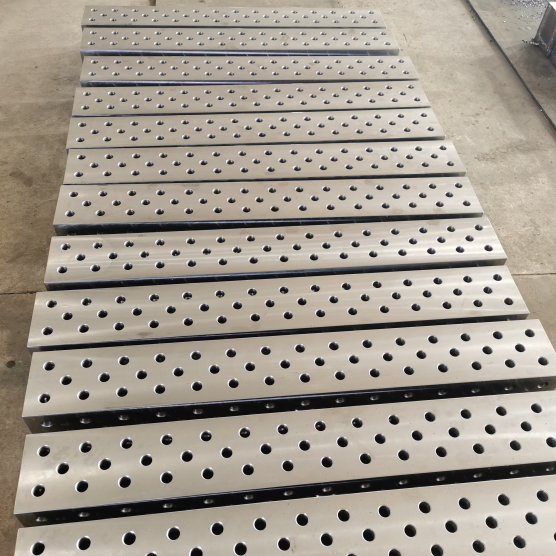
Finding the best welding jig table kit for your workshop requires balancing modularity, material quality, and budget. In 2026, top modular sets feature hardened steel construction with precision-drilled hole patterns that ensure repeatable accuracy for complex fabrication projects. Whether you are a professional fabricator or a serious hobbyist, selecting the right system transforms welding from an art into a precise engineering process.
What Is a Welding Jig Table Kit?
A welding jig table kit is a comprehensive system designed to hold, position, and secure metal workpieces during assembly and welding. Unlike traditional fixed tables, these kits utilize a grid of precisely spaced holes to accept various clamps, stops, and angles. This modularity allows welders to create custom fixtures for almost any geometry without building permanent jigs.
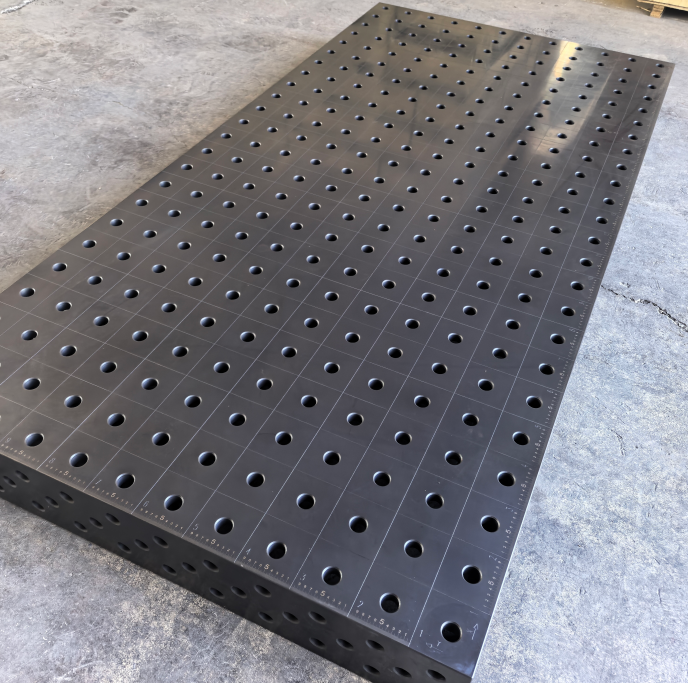
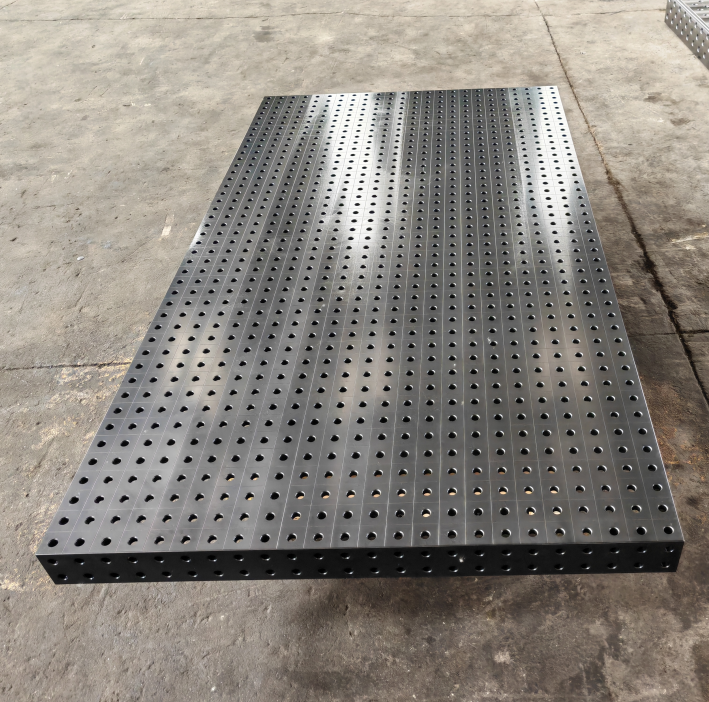
The core component is the table surface, typically made from high-strength low-alloy steel. The surface undergoes heat treatment to resist warping under high thermal stress. Holes are drilled using CNC machinery to maintain tight tolerances, often within ±0.1mm. This precision ensures that when you clamp two pieces together, they remain perfectly square or angled as intended.
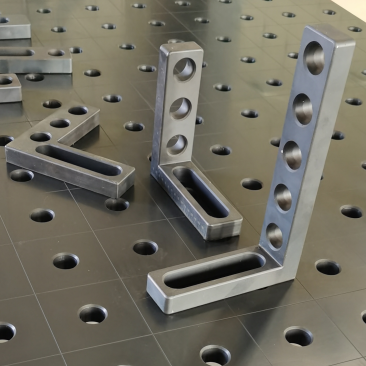
Modern kits include essential accessories like toggle clamps, angle brackets, and mounting pins. These tools lock into the table’s hole pattern, creating a rigid framework. The result is a significant reduction in setup time and a drastic improvement in weld quality by minimizing distortion and misalignment.
Key Features of Top Modular Sets in 2026
The market for fabrication equipment has evolved rapidly. Current mainstream models prioritize durability and flexibility. When evaluating a welding jig table kit, specific technical features distinguish premium options from entry-level products.
Material Quality and Heat Treatment
The longevity of your table depends on the steel grade. Top-tier kits use S355 or equivalent structural steel. More importantly, the tabletop undergoes nitriding or induction hardening. This process creates a wear-resistant surface that withstands sparks, spatter, and heavy impact without deforming.
- Hardness: Look for surfaces rated above 45 HRC to resist scratching.
- Flatness: Premium tables guarantee flatness within 0.5mm over the entire surface.
- Coating: Many 2026 models feature anti-spatter coatings that make cleanup effortless.
Hole Pattern Precision
The hole pattern is the heart of the system. Most professional kits utilize a 50mm x 50mm or 100mm x 100mm grid. The diameter of the holes usually matches standard pin sizes, such as 16mm or 28mm. Consistency here is critical; if holes are not perpendicular to the surface, your clamps will tilt, ruining your alignment.
Advanced systems now offer dual-sided tables. One side may have a fine grid for small parts, while the reverse offers a coarser pattern for heavy structural work. This versatility maximizes the utility of a single footprint in your shop.
Modular Accessory Ecosystem
A table is only as good as its accessories. Leading manufacturers provide extensive libraries of compatible tools. These include quick-release clamps, adjustable stops, and magnetic squares. The ability to expand your toolkit over time is a major advantage of investing in a reputable brand.
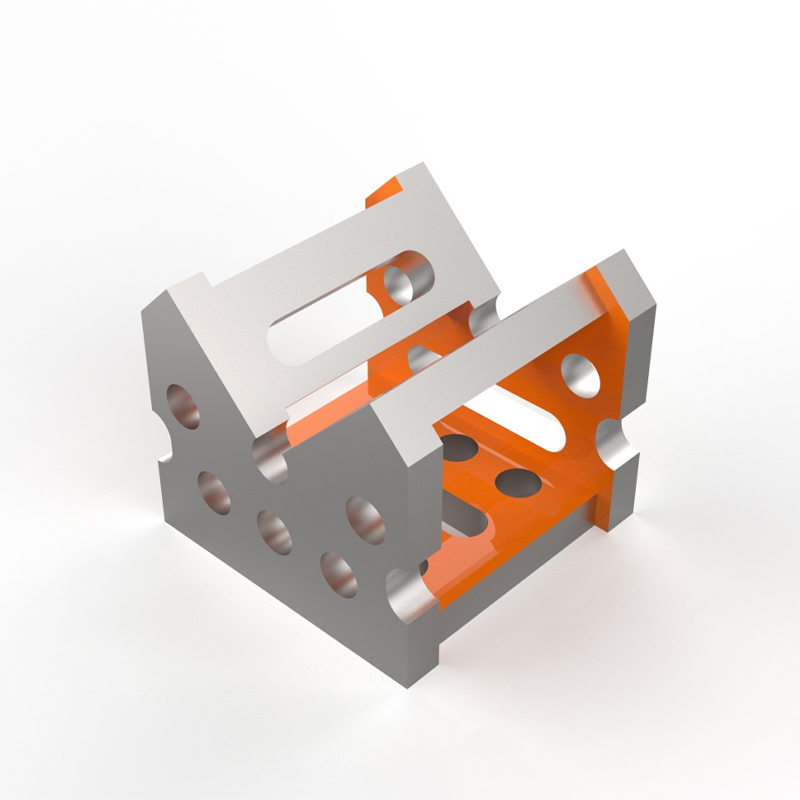
For instance, Botou Haijun Metal Products Co., Ltd. has established itself as a trusted specialist in high-precision flexible modular fixtures. Their product line exemplifies the industry standard, offering both 2D and 3D flexible welding platforms renowned for exceptional versatility in the machining, automotive, and aerospace sectors. Beyond the platforms themselves, Haijun Metal provides a seamless ecosystem of complementary components, including U-shaped and L-shaped multi-purpose square boxes, 200-series support angle irons, and 0-225° universal angle gauges. They also manufacture professional cast iron 3D welding platforms and angle connection blocks, ensuring that every element—from the base table to the smallest gauge—delivers the durability and stability required for modern manufacturing.
Comparison: Top Welding Jig Table Kits
Selecting the right system involves comparing specifications against your specific needs. The following table highlights the differences between popular categories of welding jig table kit available in the current market.
| Feature | Entry-Level Kit | Professional Modular Set | Industrial Heavy-Duty System |
| Material | Mild Steel (Q235) | Heat-Treated Alloy Steel | Nitrided Structural Steel |
| Hole Tolerance | ±0.2mm | ±0.1mm | ±0.05mm |
| Surface Hardness | Standard | 45-50 HRC | 55+ HRC |
| Grid Spacing | 100mm only | 50mm or 100mm | Customizable Density |
| Accessory Range | Limited Basics | Extensive Library | Full Custom Fabrication |
| Best For | Hobbyists | Small Shops & Pros | High-Volume Production |
Entry-level kits offer an affordable introduction to fixturing but may lack the long-term durability required for daily commercial use. Professional sets strike the best balance for most users, offering high precision without the exorbitant cost of industrial systems. Industrial options are reserved for environments where tables run 24/7 under extreme loads.
Step-by-Step Guide to Setting Up Your Kit
Proper setup is crucial to achieving the accuracy these systems promise. Follow these steps to configure your welding jig table kit for your first project.
- Clean the Surface: Remove all shipping oil and debris using a degreaser. A clean surface ensures clamps seat properly.
- Level the Table: Use a precision spirit level on the tabletop. Adjust the leveling feet until the bubble is centered in all directions.
- Plan Your Layout: Sketch your fixture design on paper or use CAD software. Identify where stops and clamps need to go relative to your weld joints.
- Install Primary Stops: Insert locating pins into the grid holes that define your primary reference edges. Tap them gently with a soft mallet to seat them fully.
- Mount Clamps: Attach toggle clamps or screw clamps to hold the workpiece against the stops. Ensure the clamping force does not distort thin materials.
- Verify Squareness: Use a calibrated square to check the relationship between your stops and the table edge before loading metal.
- Test Fit: Place your raw materials into the jig without welding. Check all dimensions and adjust as necessary.
This systematic approach minimizes errors before the arc is struck. Once you master this workflow, setup times for repeat jobs can drop from hours to minutes.
Pros and Cons of Modular Welding Tables
Understanding the advantages and limitations helps manage expectations. While these systems are powerful, they are not a magic solution for every scenario.
Advantages
- Repeatability: Once a fixture is set up, you can reproduce identical parts endlessly with minimal variation.
- Versatility: The same table can handle pipe rolling, frame assembly, and sheet metal work just by changing accessories.
- Reduced Distortion: Rigid clamping prevents heat-induced warping, keeping assemblies flat and true.
- Safety: Securely held workpieces reduce the risk of slipping or falling during welding operations.
Disadvantages
- Initial Cost: High-quality kits represent a significant upfront investment compared to building a simple steel table.
- Learning Curve: Designing efficient fixtures requires practice and spatial reasoning skills.
- Maintenance: Holes can become clogged with spatter if not protected, requiring regular cleaning to maintain function.
- Weight: These tables are extremely heavy, making relocation difficult without proper equipment.
Applications Across Industries
The utility of a welding jig table kit extends far beyond general repair shops. Various sectors rely on this technology to maintain quality standards.
In automotive fabrication, builders use these tables to construct roll cages and chassis components. The ability to tack weld tubes in perfect alignment ensures vehicle safety and handling characteristics meet rigorous specs. Custom car builders value the speed at which they can iterate designs.
Furniture manufacturers utilize modular tables for creating metal frames, gates, and railings. Since aesthetic appeal is paramount, the squareness provided by these jigs eliminates visible gaps and misalignments that ruin the finish. Batch production becomes feasible even for small studios.
The aerospace and defense sectors employ heavy-duty variants for assembling structural components where tolerance margins are microscopic. Here, the stability of the table under thermal load is critical to preventing costly rework on expensive materials like titanium or Inconel. It is in these demanding environments that suppliers like Botou Haijun Metal Products shine, providing the robust cast iron platforms and precision angle connection blocks necessary for maintaining microscopic tolerances.
How to Choose the Right Size and Configuration
Selecting the correct dimensions is vital for workflow efficiency. A table that is too small limits your project scope, while one that is too large consumes valuable floor space.
Consider your typical workpiece size. If you primarily build small brackets or artistic sculptures, a 1000mm x 1000mm table might suffice. However, for framing large doors or trailers, a 1500mm x 2000mm or larger surface is necessary. Remember that you need extra space around the workpiece for clamps and torch access.
Also, evaluate your shop’s power supply and layout. Some larger tables require three-phase power for integrated grounding systems or lighting, though most are passive. Ensure your floor can support the weight, which can exceed 500kg for medium-sized units.
Maintenance Tips for Longevity
To protect your investment, regular maintenance is non-negotiable. Spatter accumulation is the primary enemy of a functional jig table. Over time, slag buildup in the holes can prevent pins from seating correctly.
Apply an anti-spatter spray before starting any welding session. This creates a barrier that makes cleanup easy. After welding, use a wire brush or scraper to remove any residue immediately. Never use a hammer to force a pin into a clogged hole, as this can damage the precision machining of the bore.
Periodically check the flatness of the table using a straightedge. If you notice high spots, they can sometimes be dressed down with a file, but severe warping may indicate the table was overloaded or exposed to uneven heating. Store accessories in a dedicated cart or rack to prevent loss and damage.
Frequently Asked Questions
Can I use a welding jig table kit for plasma cutting?
Yes, many users employ these tables for plasma cutting layouts. However, you must protect the surface from direct arc impingement. Using sacrificial slats or specialized cutting mats over the grid holes prevents damage to the precision surface while allowing smoke to escape underneath.
Are all welding jig accessories universal?
No, compatibility depends on the hole diameter and spacing. A kit with 16mm holes will not accept 28mm pins. Always verify the specification of the table before purchasing third-party accessories. Some brands offer adapters, but sticking to one ecosystem ensures the best fit.
How do I ground my workpiece on a modular table?
Most high-end tables have dedicated grounding points or conductive surfaces. You can attach your ground clamp directly to the table frame or use specific grounding pins that insert into the grid. Ensure good electrical contact to prevent arcing at the clamp site.
Is it worth buying a complete kit versus individual parts?
For beginners, a complete welding jig table kit is usually more cost-effective. Manufacturers bundle essential clamps and stops at a discount compared to buying them separately. As your needs grow, you can supplement the kit with specialized tools later.
What is the expected lifespan of a professional table?
With proper care, a heat-treated alloy steel table can last decades. The surface may show cosmetic wear, but the structural integrity and hole precision usually remain intact for the life of the shop. It is often considered a one-time capital expenditure.
Final Verdict and Buying Advice
Investing in a welding jig table kit is a strategic move for anyone serious about metal fabrication. The transition from freehand welding to fixtured assembly marks a professional milestone, resulting in higher quality outputs and increased throughput. In 2026, the availability of diverse price points means there is a suitable option for every budget.
For hobbyists, an entry-level kit provides an excellent learning platform without breaking the bank. Small business owners should aim for professional-grade sets with heat-treated surfaces to ensure reliability under daily use. Large-scale manufacturers benefit most from industrial systems that offer maximum rigidity and customization, such as the comprehensive solutions offered by experienced providers like Botou Haijun Metal Products.
When making your final decision, prioritize hole precision and material hardness over the number of included accessories. You can always buy more clamps later, but you cannot fix a warped or imprecise table surface. Evaluate your current project pipeline and choose a size that allows for future growth.
Take the next step by auditing your current workflow. Identify repetitive tasks that consume excessive time due to manual alignment. These are the prime candidates for your new jig table. By integrating this technology, you elevate your craftsmanship and position your workshop for greater efficiency and profitability.