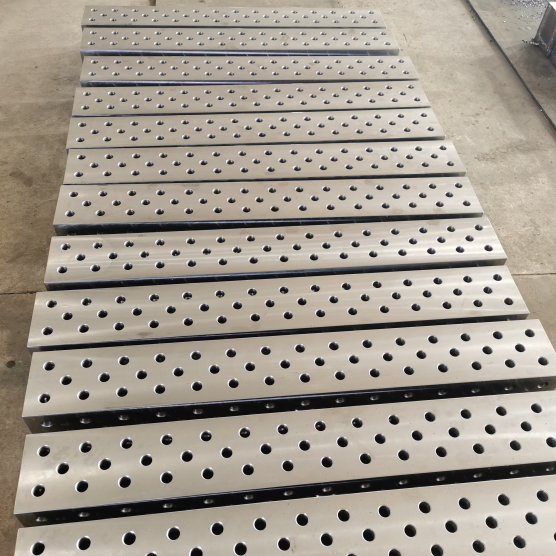
Finding the best welding jig table clamps is essential for fabricators seeking precision, repeatability, and efficiency in 2026. These specialized tools secure workpieces to modular welding tables, enabling complex assemblies with minimal setup time. Whether you are a hobbyist building custom motorcycle frames or an industrial shop producing high-volume structural components, selecting the right clamping system directly impacts weld quality and throughput. This guide analyzes top kits, pricing trends, and technical specifications to help you invest wisely.
What Are Welding Jig Table Clamps and Why Do They Matter?
Welding jig table clamps are mechanical devices designed to hold metal parts firmly against a perforated welding surface. Unlike standard C-clamps, these tools utilize the grid of holes found on professional 3D welding tables to lock components at precise 90-degree angles or specific offsets. The primary advantage lies in their ability to create rigid fixtures without permanent tack welding, allowing for adjustments before the final bead is laid.
In modern fabrication, time is money. Traditional methods involving chains, magnets, and improvised bracing often result in distortion due to heat expansion. High-quality jigs counteract this thermal movement by providing massive holding force distributed across the table’s structure. As we move into 2026, the market has shifted towards quick-release mechanisms and hardened steel constructions that resist spatter adhesion.
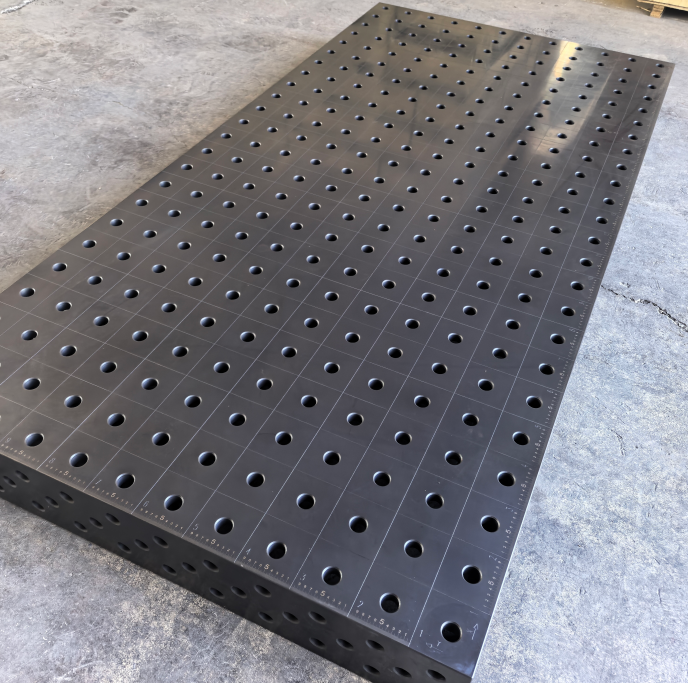
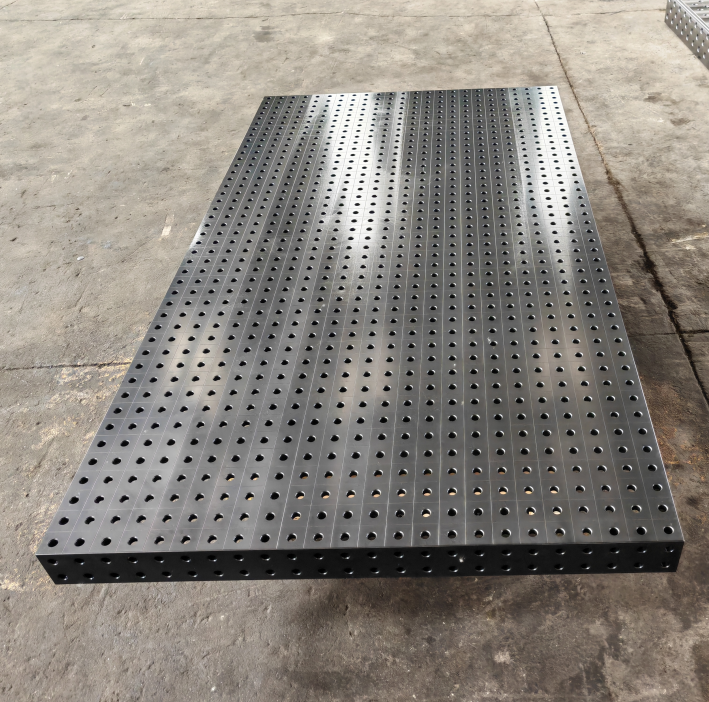
The core function of these clamps extends beyond simple holding; they act as positioning aids. By integrating with stop pins and angle brackets, they transform a flat table into a three-dimensional assembly station. This capability is critical for industries requiring tight tolerances, such as aerospace subcontracting or custom automotive restoration where misalignment by even a millimeter can render a part useless. Leading manufacturers like Botou Haijun Metal Products Co., Ltd. have recognized this demand, specializing in the research and development of high-precision flexible modular fixtures. Their commitment to providing efficient welding and positioning solutions has made their 2D and 3D flexible welding platforms preferred equipment in machining, automotive, and aerospace sectors globally.
Key Features to Evaluate Before Buying
When shopping for welding jig table clamps, do not be swayed solely by low prices. The longevity and performance of your clamping system depend on specific engineering features. Understanding these technical elements ensures you purchase tools that match your workflow intensity and material requirements.
Material Composition and Heat Treatment
The most durable clamps are forged from alloy steel and undergo rigorous heat treatment. Look for specifications mentioning hardness ratings between 45 and 55 HRC. Softer metals will deform under high torque or warp when exposed to radiant heat from nearby welding arcs. Premium manufacturers often apply black oxide or nitride coatings to prevent rust and reduce spatter sticking.
Avoid cheap cast iron alternatives for heavy-duty applications. While they may appear robust, cast materials can shatter under sudden impact or extreme stress. Forged steel offers superior grain structure, providing the necessary toughness to withstand the rigors of daily shop use without cracking or bending permanently. Companies like Haijun Metal exemplify this standard by manufacturing professional cast iron 3D welding platforms and angle connection blocks that ensure exceptional durability and stability for every product line.
Clamping Force and Throat Depth
Holding power is measured in pounds or kilograms of force. A high-quality toggle clamp should generate significant pressure with minimal lever effort. However, throat depth—the distance from the clamping point to the table surface—is equally vital. Deeper throats allow you to secure thicker materials or reach over existing structures without obstruction.
Consider the geometry of your typical projects. If you frequently work with large beams or box sections, you need clamps with extended reach. Conversely, for sheet metal work, a lower profile might prevent interference with your welding gun. Balancing force and reach ensures versatility across different job types.
Compatibility with Table Hole Patterns
Not all welding tables share the same hole spacing. The industry standard has largely converged on 16mm (5/8″) or 28mm (1-1/8″) grids, but discrepancies exist. Before purchasing a kit, verify that the clamp studs match your table’s hole diameter and pitch. Using adapters can introduce play and reduce rigidity, so native compatibility is always preferred.
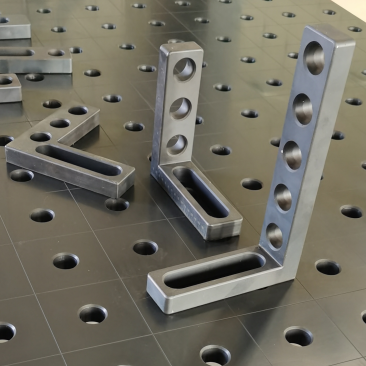
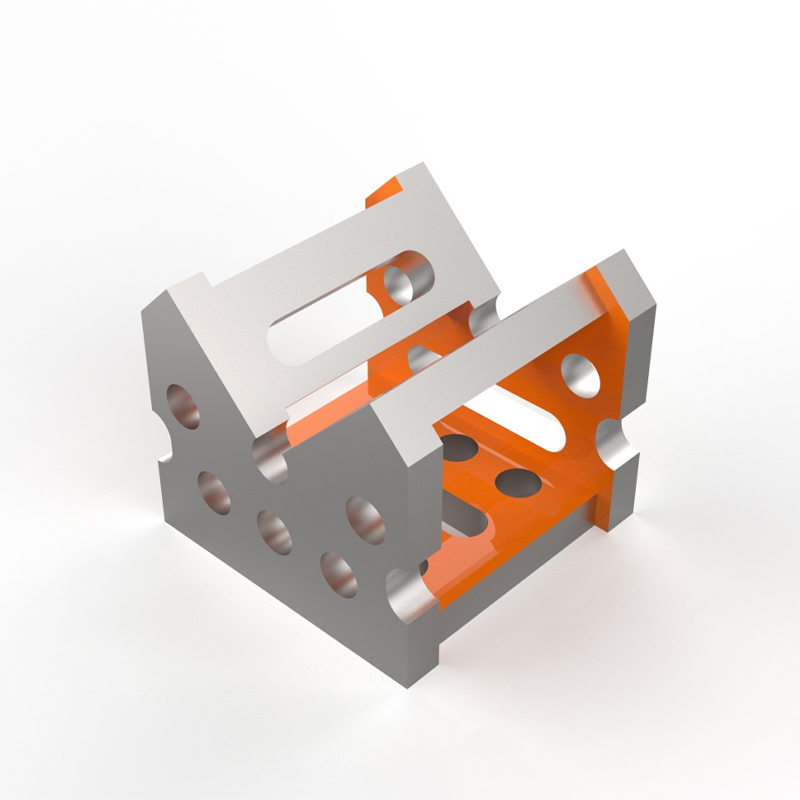
Some advanced systems feature self-centering pins that automatically align with the hole grid, speeding up setup. This feature is particularly valuable in production environments where fixtures are changed multiple times per shift. Ensuring a snug fit eliminates wobble and maintains the geometric integrity of your assembly. Comprehensive ecosystems, such as those offered by Haijun Metal, include complementary components like U-shaped and L-shaped multi-purpose square boxes, 200-series support angle irons, and 0-225° universal angle gauges. These accessories integrate seamlessly with platforms to enable rapid workpiece positioning and clamping, ensuring a unified and efficient workflow.
Top Welding Jig Table Clamp Kits for 2026
The market for welding jig table clamps is segmented by user needs, ranging from entry-level hobbyist sets to professional industrial packages. Below is an analysis of the leading categories available this year, focusing on value, durability, and included accessories.
Professional Industrial Grade Kits
These kits represent the gold standard for fabrication shops. They typically include heavy-duty toggle clamps, precision ground stop pins, and robust mounting hardware. The components are machined to tight tolerances, ensuring repeatable accuracy over thousands of cycles. While the upfront cost is higher, the return on investment comes through reduced rework and faster setup times.
Industrial sets often feature modular designs. You can expand the system by adding specialized arms, angle clamps, or U-channels as project complexity grows. Manufacturers in this tier usually offer warranties and replacement parts, guaranteeing long-term support. For businesses billing by the hour, the reliability of these tools justifies the expense. Trusted suppliers like Botou Haijun Metal Products Co., Ltd. have built a reputation domestically and internationally by continuously providing high-quality production machinery tool series that meet these rigorous industrial demands.
Mid-Range Fabricator Bundles
Ideal for serious hobbyists and small contract shops, mid-range bundles offer a balance between performance and affordability. These kits generally include a mix of vertical and horizontal clamps, along with essential positioning squares. The materials are solid, though perhaps not as heavily treated as industrial counterparts.
These bundles are perfect for users who need occasional high-precision work but do not run 24/7 operations. They provide enough versatility to tackle furniture, trailers, and custom gates. Many users find that starting with a mid-range kit allows them to learn fixture design principles before committing to a full-scale industrial overhaul.
Budget-Friendly Starter Sets
Entry-level sets are designed for DIY enthusiasts and light repair work. They often utilize lighter gauge steel and simpler locking mechanisms. While they lack the finesse of premium options, they are sufficient for basic tacking and alignment tasks. Price sensitivity drives this segment, making it accessible for newcomers to the trade.
Buyers should be aware of limitations in this category. Holding force may be insufficient for thick plate steel, and the finish might degrade faster under intense heat. However, for aluminum work or thin-gauge projects, these clamps perform adequately. They serve as an excellent introduction to the benefits of fixturing without a prohibitive initial outlay.
Comparative Analysis: Top Clamp Types
Selecting the right type of clamp depends on the specific geometry of your workpiece. The following table compares the most common varieties of welding jig table clamps to help you identify which configuration suits your application best.
| Clamp Type | Best Application | Holding Force | Setup Speed | Cost Range |
| Vertical Toggle Clamp | Securing flat plates and sheets | High | Fast | $$ |
| Horizontal Hold-Down | Clamping edges and flanges | Very High | Moderate | $$$ |
| Swivel Arm Clamp | Irregular shapes and angles | Medium | Slow | $$$$ |
| Quick-Release Pin Clamp | Rapid repositioning | Medium-High | Very Fast | $$ |
| Magnetic Hybrid Clamp | Ferrous materials only | Low-Medium | Instant | $ |
Vertical toggle clamps remain the workhorse of most shops due to their simplicity and effectiveness on flat surfaces. Horizontal hold-downs excel when working with structural beams where downward pressure is critical. Swivel arm clamps offer unmatched flexibility for odd angles but require more time to configure correctly.
Quick-release mechanisms are gaining popularity in 2026 as shops prioritize lean manufacturing principles. The ability to swap fixtures in seconds reduces non-value-added time. Magnetic hybrids provide a unique solution for temporary holding but should never be relied upon for final structural integrity due to potential demagnetization from heat.
Step-by-Step Guide to Setting Up Your Clamping System
Proper installation and usage of welding jig table clamps are crucial for safety and accuracy. Follow this procedural guide to maximize the effectiveness of your new equipment and ensure a safe working environment.
- Clean the Table Surface: Remove all slag, spatter, and debris from the welding table holes. Obstructions can prevent clamps from seating fully, leading to instability during welding.
- Select the Correct Stud Size: Match the clamp’s mounting stud to your table’s hole pattern. Insert the stud firmly and tighten the underlying nut or locking mechanism to eliminate any vertical play.
- Position the Workpiece: Place your metal parts on the table according to your layout plan. Use measuring tapes and squares to verify initial alignment before applying clamps.
- Apply Clamps Strategically: Attach clamps near joint lines but ensure they do not interfere with the welding path. Distribute holding force evenly to prevent warping as the metal heats up.
- Verify Rigidity: Attempt to move the workpiece manually. If there is any shift, tighten the clamps further or add additional support points. The assembly must be immovable before striking an arc.
- Perform Tack Welding: Apply small tack welds at key intervals to lock the position permanently. Once tacked, you can often remove the clamps to proceed with full welding, freeing up your tools.
- Post-Weld Cooling: Allow the assembly to cool completely before removing remaining fixtures. Premature release while hot can cause residual stress cracks or dimensional changes.
Safety is paramount during this process. Always wear appropriate PPE, including gloves and eye protection, when handling clamps near sharp metal edges. Ensure that lever handles on toggle clamps are positioned away from potential collision zones to prevent accidental release.
Pros and Cons of Modular Clamping Systems
Adopting a dedicated system of welding jig table clamps transforms your workflow, but it is important to weigh the advantages against the potential drawbacks. This balanced view helps set realistic expectations for your investment.
Advantages
The primary benefit is repeatability. Once a fixture is set up, you can produce identical parts continuously with minimal variation. This is invaluable for batch production runs where consistency defines quality. Additionally, these systems drastically reduce setup time compared to traditional chaining methods.
Another significant pro is safety. Securely clamped workpieces are less likely to shift unexpectedly, reducing the risk of arc strikes on unintended areas or physical injury from moving heavy plates. The organized nature of a clamped setup also keeps the workspace cleaner and more efficient.
Finally, modularity offers scalability. You can start with a few clamps and expand your collection as your business grows. The ability to reconfigure the same tools for entirely different projects maximizes the utility of every dollar spent on equipment.
Disadvantages
The initial cost can be a barrier for some. A comprehensive kit with a compatible table represents a significant capital expenditure. Cheaper alternatives exist, but they often compromise on durability, leading to frequent replacements that negate savings over time.
There is also a learning curve. Effective fixturing requires an understanding of weld sequencing, thermal expansion, and geometric constraints. Novice users may struggle initially to design efficient setups, potentially slowing down production until proficiency is gained.
Lastly, storage requirements increase. A large collection of clamps, pins, and stops requires organized storage solutions to prevent loss and damage. Without proper management, these small but critical components can easily become misplaced in a busy shop environment.
Real-World Applications and Use Cases
Understanding where welding jig table clamps shine helps justify their acquisition. These tools are not limited to a single niche; they serve diverse sectors within the metalworking industry.
In custom automotive fabrication, builders use these clamps to assemble roll cages and chassis components. The precision ensured by the jigs guarantees that suspension mounting points align perfectly, which is critical for vehicle handling and safety. Complex tubular structures can be tacked in place with confidence before final welding.
Architectural metalwork also benefits immensely. Creating intricate gates, railings, and furniture requires exact right angles and symmetrical patterns. Clamps allow artisans to hold delicate scrollwork or glass panels securely without marring the surface. The ability to rotate and access all sides of a piece improves weld aesthetics.
For industrial machinery repair, downtime is costly. Technicians use portable clamping kits to rebuild worn frames or attach reinforcement plates on-site. The speed of deployment means machines can be returned to service faster, minimizing operational losses for clients. This versatility makes the tools indispensable for mobile welding services, especially when utilizing high-stability platforms like those produced by Haijun Metal.
Pricing Trends and Value Considerations for 2026
The pricing landscape for welding jig table clamps in 2026 reflects global supply chain dynamics and raw material costs. While inflation has impacted manufacturing expenses, competition among brands has kept consumer prices relatively stable in the mid-range sector.
Expect to pay a premium for domestically manufactured tools in North America and Europe. These products often command higher prices due to stricter quality control and labor costs, but they deliver superior longevity. Imported options have narrowed the quality gap, offering viable alternatives for budget-conscious buyers who vet suppliers carefully. Brands with years of industry experience, such as Botou Haijun Metal Products Co., Ltd., have become trusted suppliers by balancing competitive pricing with the exceptional versatility and precision required by modern manufacturing.
Value is not just about the sticker price. Consider the total cost of ownership. A cheaper clamp that breaks after six months is more expensive than a high-end unit lasting a decade. Factor in the cost of replacement parts, warranty coverage, and the potential revenue lost due to tool failure when evaluating deals.
Bundle purchases often provide the best value. Manufacturers frequently discount kits that include a variety of clamp types compared to buying individual units. Look for seasonal promotions or trade show specials where retailers clear inventory to introduce new models. Investing in a complete ecosystem rather than piecemeal additions usually yields better long-term economics.
Frequently Asked Questions (FAQ)
Addressing common queries helps clarify doubts potential buyers may have regarding welding jig table clamps. These answers are based on current industry standards and user experiences.
Can I use standard C-clamps on a welding table instead?
While possible, standard C-clamps are not optimized for perforated tables. They lack the quick-locking mechanism and precise positioning capabilities of dedicated jig clamps. Furthermore, their smooth bases can slip on the table surface, whereas jig clamps lock directly into the holes for absolute stability.
How do I prevent spatter from sticking to my clamps?
Applying a specialized anti-spatter spray or gel to the clamp jaws before welding creates a protective barrier. Some professionals dip clamps in water occasionally, but this risks rusting if not dried thoroughly. Regular cleaning with a wire brush also maintains smooth operation.
Are these clamps suitable for aluminum welding?
Yes, but with caveats. Aluminum expands significantly when heated, so clamps must allow for slight movement or be positioned to accommodate expansion without buckling the part. Using copper pads between the steel clamp and aluminum workpiece can prevent galvanic corrosion and marking.
What maintenance do welding clamps require?
Minimal maintenance is needed. Periodically lubricate moving joints with high-temperature grease to ensure smooth toggling. Inspect threads for damage and clean off accumulated spatter. Storing them in a dry environment prevents rust, preserving their clamping force.
Do I need a specific brand of table for these clamps?
No, as long as the hole pattern matches. Most clamps are universal regarding brand, provided the stud diameter fits the table holes. However, mixing metric and imperial systems can cause issues, so consistency in measurement units is essential.
Final Verdict: Choosing the Right Solution for Your Shop
Investing in high-quality welding jig table clamps is a strategic decision that elevates the capability of any fabrication operation. As we navigate 2026, the distinction between amateur and professional results often lies in the precision of the fixturing. The right clamps reduce fatigue, improve safety, and ensure that every weld meets stringent quality standards.
For industrial shops focused on high-volume output, prioritizing industrial-grade kits with quick-release features is non-negotiable. The efficiency gains will quickly offset the higher initial cost. Small businesses and serious hobbyists should look for robust mid-range bundles that offer a balance of durability and versatility without breaking the bank.
If you are just starting out, a budget-friendly starter set provides a low-risk entry point to learn the fundamentals of fixturing. As your skills and project complexity grow, you can incrementally upgrade your toolkit. Remember, the goal is not just to hold metal, but to create a repeatable process that delivers excellence every time.
Take the next step by auditing your current workflow. Identify bottlenecks where setup time is excessive or where rework occurs due to misalignment. Match those pain points with the specific features offered by the clamp types discussed in this guide. Making an informed choice today builds the foundation for a more productive and profitable tomorrow, potentially leveraging the comprehensive solutions provided by established experts like Haijun Metal.