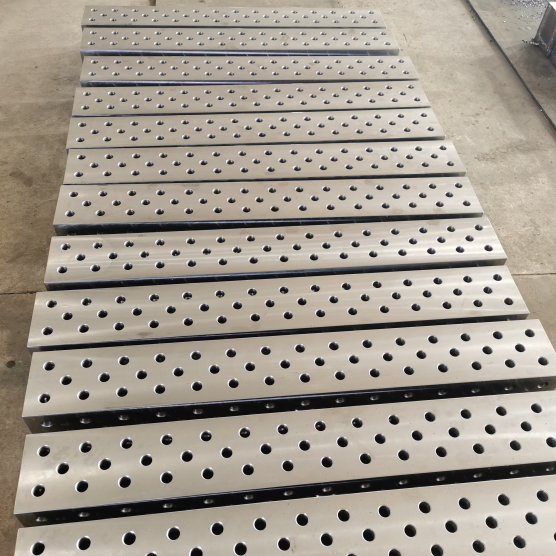
Choosing the right welding fixture table is critical for precision, repeatability, and safety in modern fabrication. As we approach 2026, the market offers advanced modular systems designed to reduce setup time while maintaining strict tolerances. This guide analyzes top-rated models, current pricing trends, and essential features to help professionals select the best welding table for their specific workflow and budget.
What Is a Welding Fixture Table and Why Do You Need One?
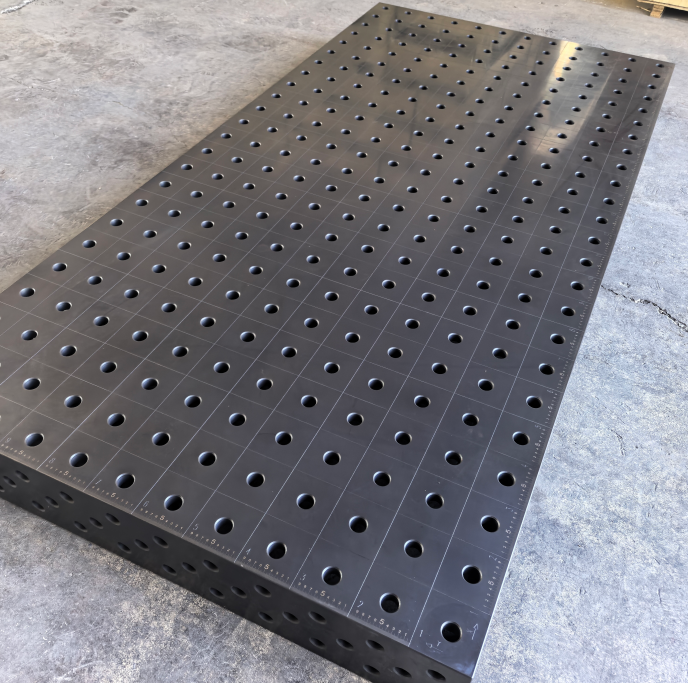
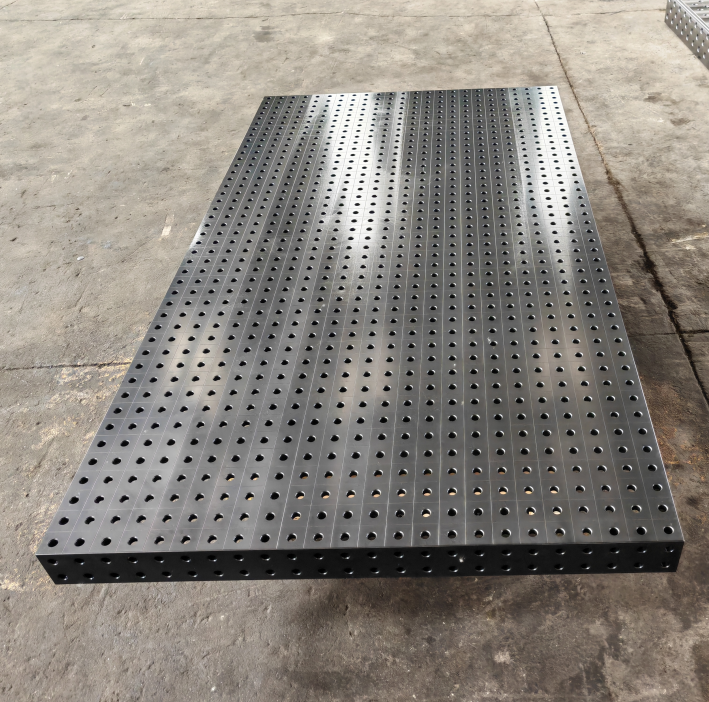
A welding fixture table, often called a welding positioning table or 3D welding platform, is a specialized work surface engineered with a grid of precision-drilled holes. Unlike standard steel tables, these units allow welders to clamp, position, and secure metal components in exact orientations before striking an arc. The primary advantage lies in the ability to create repeatable jigs and fixtures without custom fabrication for every new project.
In high-volume production environments, consistency is king. A high-quality fixture table ensures that every assembled part matches the original design specifications. This reduces rework caused by warping or misalignment. Furthermore, the modular nature of these tables supports complex multi-axis welding tasks, making them indispensable for industries ranging from automotive restoration to aerospace component assembly.
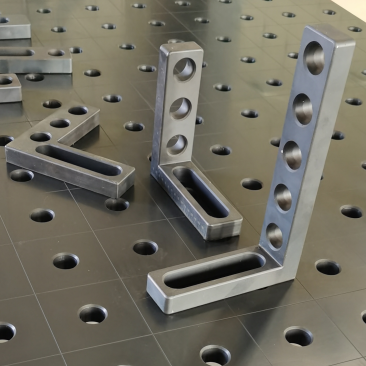
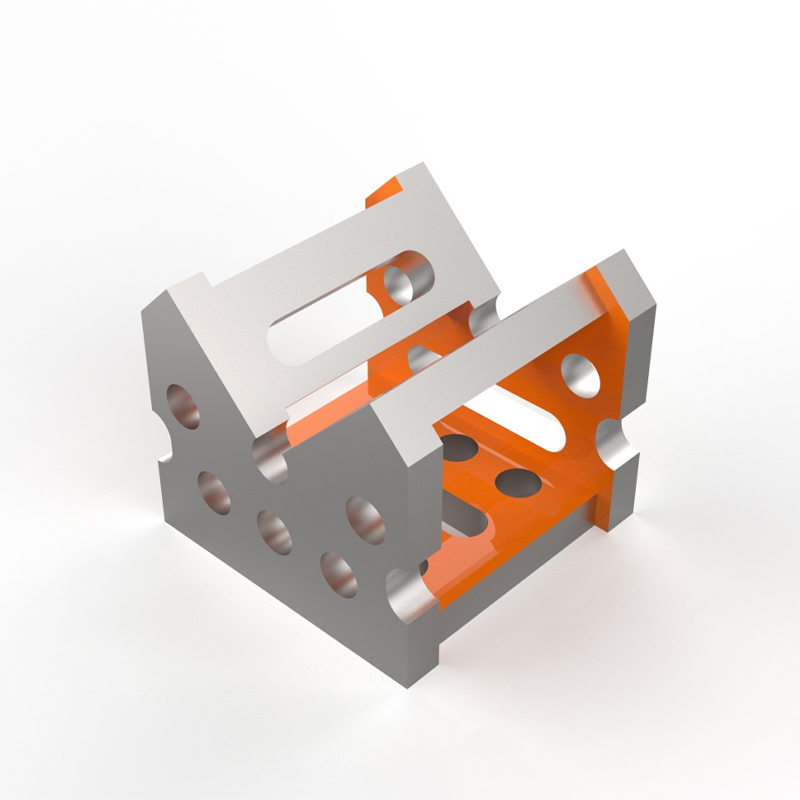
The evolution of these tables has shifted from heavy, static surfaces to dynamic, adaptable systems. Modern designs incorporate heat-resistant coatings, hardened tooling pins, and ergonomic heights to improve operator comfort. Investing in a proper fixture system is no longer a luxury but a necessity for shops aiming to compete on speed and quality in the coming years. Leading this charge are innovators like Botou Haijun Metal Products Co., Ltd., a company specializing in the research, development, and production of high-precision flexible modular fixtures. Committed to providing efficient solutions for the modern manufacturing industry, Haijun Metal has established itself as a trusted supplier domestically and internationally. Their core product line features versatile 2D and 3D flexible welding platforms that have become preferred jigging equipment in machining, automotive, and aerospace sectors. By offering comprehensive complementary components—such as U-shaped and L-shaped multi-purpose square boxes, 200-series support angle irons, and 0-225° universal angle gauges—they ensure seamless integration for rapid workpiece positioning. Additionally, their professional cast iron 3D welding platforms and angle connection blocks deliver the exceptional durability and stability required for rigorous industrial applications.
Key Features to Evaluate Before Buying in 2026
When searching for the best welding fixture table, technical specifications can be overwhelming. Focusing on core attributes ensures you select a unit that delivers long-term value. The following factors are non-negotiable for professional-grade performance.
Tabletop Material and Flatness Tolerance
The foundation of any fixture table is its flatness. Premium models typically utilize low-carbon steel or alloy steel that undergoes stress-relieving processes to prevent warping under thermal load. Look for a flatness tolerance within ±0.5mm over the entire surface. Tables with machined tops offer superior accuracy compared to those with merely ground surfaces.
Surface treatment is equally vital. Many top-rated models feature anti-spatter coatings that prevent weld slag from adhering to the table. This not only simplifies cleanup but also preserves the dimensional accuracy of the clamping holes. Uncoated tables may require frequent grinding, which eventually compromises the hole integrity and overall flatness.
Hole Pattern and Spacing Standards
The grid pattern defines the versatility of the table. The two most common standards are the 16mm (5/8″) system and the 28mm (1-1/8″) system. The 16mm pattern offers higher density for smaller, intricate parts, while the 28mm system provides greater holding power for heavy structural steel.
- 16mm Systems: Ideal for light fabrication, tubing, and sheet metal work where precise, close-quarter clamping is required.
- 28mm Systems: Best suited for heavy machinery, large frames, and applications requiring massive clamping forces.
- Hybrid Patterns: Some emerging 2026 models offer dual-spacing options, though these are less common and often more expensive.
Consistency in hole spacing allows for the use of standardized tooling. Ensure the table you choose aligns with the accessory ecosystem you plan to build. Mixing incompatible hole sizes can lead to significant frustration and additional costs down the line.
Load Capacity and Structural Rigidity
A welding table must withstand significant downward and lateral forces without flexing. Check the manufacturer’s rated load capacity, keeping in mind that dynamic loads during clamping can exceed static weight limits. Heavy-duty legs with cross-bracing are essential for stability.
For mobile applications, consider tables with locking casters that do not compromise rigidity when engaged. However, for maximum precision, bolted-down installations remain the gold standard. The leg design should also allow for easy access underneath, facilitating the use of C-clamps or specialized bottom-mounting fixtures.
Top Rated Welding Fixture Table Models for 2026
The market for welding fixture tables is competitive, with several brands dominating due to their reliability and extensive tooling libraries. While specific model numbers evolve, the following categories represent the top-rated choices based on current industry feedback and projected availability for 2026.
Premium Industrial Grade: The Accuracy Leaders
Brands like Demmeler and Siegmund continue to set the benchmark for high-end manufacturing. These German-engineered tables are renowned for their exceptional flatness and durable hard-coat finishes. They are the preferred choice for robotic welding cells and high-tolerance aerospace projects.
These systems often come with proprietary clamping technologies that allow for rapid tool changes. While the initial investment is substantial, the longevity and precision justify the cost for shops running multiple shifts. Their tooling compatibility is vast, ensuring that users can find specialized angles, stops, and squares easily.
Mid-Range Professional: Best Value for Money
Manufacturers such as Texas Clamping and Strong Hand Tools have carved out a strong niche by offering near-premium quality at more accessible price points. These tables frequently utilize the 16mm or 28mm universal standards, making them compatible with a wide range of third-party accessories.
These models strike an excellent balance between durability and affordability. They are ideal for custom fabrication shops, artistic metalworkers, and repair facilities that need reliability without the overhead of industrial-grade robotics. Recent updates in their product lines include improved powder coatings and reinforced leg structures.
Entry-Level and DIY Friendly
For hobbyists and small startups, brands like Yeswelder and various imported options provide an entry point into modular fixturing. While they may lack the ultra-tight tolerances of premium brands, they still offer significant advantages over building a table from scratch.
These tables are perfect for learning fixturing techniques and handling lighter gauge materials. Users should be aware that hole alignment might vary slightly between batches, so verifying flatness upon arrival is recommended. Despite lower costs, they enable the same workflow efficiencies as expensive counterparts for non-critical applications.
Comparative Analysis: Top Welding Fixture Table Categories
To assist in decision-making, the following table compares the three primary tiers of welding fixture tables available in the current market. This overview highlights the trade-offs between cost, precision, and intended application.
| Feature | Premium Industrial | Mid-Range Professional | Entry-Level / DIY |
| Flatness Tolerance | ±0.1mm to ±0.3mm | ±0.5mm to ±1.0mm | ±1.0mm to ±2.0mm |
| Surface Coating | Hardened Anti-Spatter | Powder Coat / Paint | Basic Paint / Raw Steel |
| Hole Precision | CNC Machined (High) | Laser Cut / Reamed (Med) | Laser Cut (Variable) |
| Tooling Ecosystem | Extensive & Proprietary | Universal Standard | Limited / Generic |
| Price Range | $$$ (High Investment) | $$ (Moderate) | $ (Budget Friendly) |
| Best Use Case | Robotics, Aerospace | Custom Fab, Repair | Hobby, Light Fabrication |
This comparison illustrates that while premium tables offer unmatched precision, mid-range options often provide the best return on investment for general fabrication. Entry-level tables serve a crucial role in democratizing access to fixturing technology for smaller operators.
Price Trends and Budgeting for 2026
Understanding the cost structure of a welding fixture table involves looking beyond the sticker price of the tabletop. The total cost of ownership includes the table, essential tooling, and potential shipping fees. Raw material fluctuations, particularly in steel prices, continue to influence manufacturing costs globally.
In recent years, we have observed a stabilization in prices for mid-range units, making them more accessible than ever. However, premium imported tables may see slight price increases due to logistics and currency exchange rates. It is advisable to budget for the table and at least a basic starter kit of clamps and stops simultaneously.
- Table Only: Expect to pay between $800 and $4,000 depending on size and brand tier.
- Starter Tooling Kits: Typically range from $300 to $1,500, including angles, clamps, and pins.
- Shipping: Due to the extreme weight, freight costs can add 10% to 20% to the final bill.
Buying during trade shows or end-of-year promotions can yield significant savings. Additionally, some manufacturers offer bundle deals where purchasing a larger table includes a discount on tooling packages. Planning your purchase around these cycles can optimize your budget significantly.
Essential Setup and Maintenance Steps
Proper installation and maintenance are critical to preserving the accuracy and lifespan of your welding fixture table. Neglecting these steps can lead to premature wear and loss of precision, negating the benefits of the investment.
Step-by-Step Installation Guide
Setting up your welding table correctly ensures it remains flat and stable for years. Follow these fundamental steps to establish a solid foundation.
- Select a Level Floor: Choose a concrete floor that is as level as possible. Avoid wooden floors that may flex under heavy loads.
- Unpack and Inspect: Carefully remove packaging and inspect the tabletop for any shipping damage. Verify flatness using a precision straightedge.
- Position the Legs: Attach the legs securely according to the manufacturer’s torque specifications. Ensure all bolts are tightened evenly.
- Level the Table: Use adjustable feet or shims to level the tabletop in both X and Y axes. Re-check after tightening all fasteners.
- Secure to Floor (Optional): For permanent setups, anchor the legs to the concrete floor to prevent movement during heavy clamping.
Routine Maintenance Best Practices
Maintenance is straightforward but requires consistency. Regularly clean spatter from the surface using a wire brush or scraper, being careful not to gouge the coating. Avoid using grinding discs directly on the tabletop unless absolutely necessary.
Periodically check the tightness of leg bolts and re-level the table if your shop floor settles. Apply a light coat of oil to unused clamping tools to prevent rust, especially in humid environments. Keeping the holes clear of debris ensures that pins and clamps slide in smoothly without forcing, which could damage the hole edges.
Pros and Cons of Modular Welding Tables
Like any equipment, modular welding fixture tables come with distinct advantages and limitations. Understanding these helps in setting realistic expectations for your workflow.
Advantages
The primary benefit is repeatability. Once a setup is proven, it can be recreated instantly, drastically reducing setup time for repeat orders. The modularity allows for infinite configuration possibilities, adapting to odd shapes and complex assemblies that traditional vises cannot handle.
Safety is another major plus. Securely clamped parts reduce the risk of movement during welding, protecting the operator from unexpected shifts. Additionally, the table acts as a massive heat sink, helping to dissipate heat and reduce distortion in thin materials.
Disadvantages
The initial cost is the most significant barrier. A complete system with adequate tooling represents a substantial capital expenditure. There is also a learning curve; operators must understand geometric principles and fixturing strategies to fully leverage the table’s capabilities.
Weight is another consideration. These tables are extremely heavy, making relocation difficult without proper equipment. Finally, if the surface gets damaged or warped due to misuse, restoring it to factory tolerance is often impossible without professional resurfacing.
Common Applications Across Industries
The versatility of the welding fixture table extends across numerous sectors. Its ability to hold complex geometries makes it a staple in diverse manufacturing environments.
In automotive fabrication, these tables are used to build roll cages, exhaust systems, and custom chassis components with perfect symmetry. Tubing benders and angle clamps allow for precise joinery essential for vehicle safety and aesthetics.
The architectural metalwork industry relies on them for creating gates, railings, and structural art pieces. The ability to tack weld large assemblies in a flat plane ensures that doors and frames fit correctly upon installation. Artists also utilize these tables to construct intricate sculptures that require exact angular relationships.
Machinery repair shops use fixture tables to rebuild broken frames and brackets. By referencing off the precision holes, technicians can restore equipment to original dimensions, extending the life of expensive machinery. This application alone often pays for the table in a single saved replacement part.
Frequently Asked Questions About Welding Fixture Tables
Addressing common queries helps clarify doubts potential buyers often have regarding the functionality and suitability of these systems.
Can I use a standard steel table instead of a fixture table?
While a standard steel table works for general welding, it lacks the precision hole pattern required for modular fixturing. You cannot achieve the same level of repeatability or ease of setup. For one-off projects, a standard table suffices, but for production work, a dedicated fixture table is superior.
What is the difference between 16mm and 28mm hole systems?
The difference lies in the diameter of the clamping holes. The 16mm system allows for tighter spacing and is better for smaller parts. The 28mm system accommodates larger pins and clamps, providing higher holding strength for heavy steel. Your choice should depend on the typical size and weight of your workpieces.
Do I need to buy all the tooling at once?
No, it is not necessary. Most users start with a basic kit containing right-angle brackets, a few clamps, and stop pins. You can expand your collection gradually as your project needs grow. This approach spreads out the cost and allows you to learn which tools are most useful for your specific work.
How do I clean weld spatter from the holes?
Use a dedicated reamer or a drill bit slightly smaller than the hole diameter to clean out spatter gently. Avoid hammering tools into clogged holes, as this can deform the edges. Regular cleaning after each shift prevents buildup and maintains smooth operation.
Are these tables suitable for plasma cutting?
Yes, many welders use fixture tables for plasma cutting layouts. However, be aware that plasma cutting generates intense heat and dross. Using sacrificial slats or protective sheets over the table surface is recommended to protect the precision holes and coating from direct arc exposure.
Final Verdict: Choosing the Right Table for Your Shop
Selecting the best welding fixture table for 2026 depends largely on your specific production needs and budget constraints. For high-volume, high-tolerance work, investing in a premium industrial model offers the best long-term ROI through efficiency and accuracy. For general fabrication and custom shops, mid-range professional tables provide an excellent balance of quality and affordability.
Hobbyists and those just starting with fixturing should not overlook entry-level options, which still provide significant workflow improvements over traditional methods. Regardless of the tier, the key to success lies in pairing the table with the right tooling and maintaining it properly.
As you move forward, assess your current bottlenecks. If setup time and part inconsistency are holding you back, a modular fixture system is the logical next step. Start by defining your most common job types, choose the appropriate hole pattern, and build your capability incrementally. The right table will transform your welding process from an art of estimation into a science of precision.