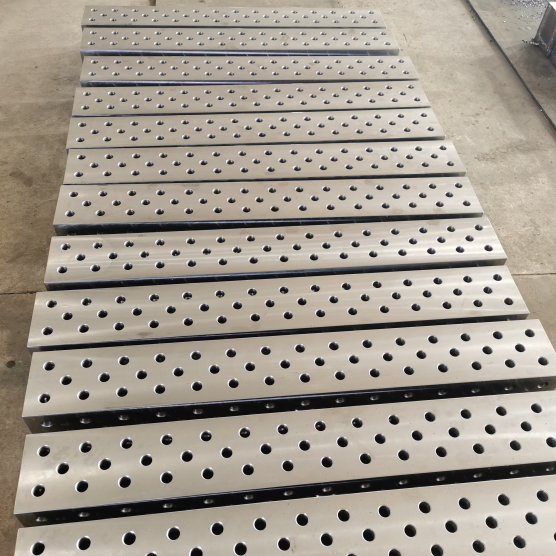
Platform welding refers to the specialized fabrication and joining of structural steel platforms used in industrial, marine, and construction environments. As we approach 2026, platform welding costs are increasingly driven by automation adoption, raw material volatility, and stricter safety compliance. This guide provides factory-direct insights into current pricing models, emerging robotic technologies, and essential selection criteria for buyers seeking cost-effective, high-durability solutions.
What Is Platform Welding and Why Does It Matter in 2026?
Platform welding is the critical process of assembling load-bearing structures that support heavy machinery, personnel, or equipment. Unlike standard structural welding, platform fabrication demands precise tolerance control to ensure flatness, stability, and long-term fatigue resistance.
In the evolving landscape of 2026, the definition has expanded beyond manual labor. Modern platform welding integrates automated tracking systems and real-time quality monitoring. Industries ranging from offshore oil rigs to data center mezzanines rely on these structures for operational safety.
The significance lies in the margin for error. A poorly welded platform can lead to catastrophic structural failure. Therefore, understanding the nuances of welding procedures, filler metal selection, and post-weld treatment is vital for project managers and procurement officers.
Current industry standards emphasize not just strength, but also speed of deployment. Factory-direct manufacturers are now offering modular platform solutions where welding is optimized for rapid on-site assembly, reducing overall project timelines significantly.
Latest Platform Welding Price Trends and Cost Factors
Pricing for platform welding services in 2026 is no longer a simple calculation of weight multiplied by a rate per kilogram. The market has shifted towards value-based pricing that accounts for complexity, accessibility, and technology integration.
Raw material costs, particularly for high-grade structural steel and specialized alloys, remain a primary driver. However, labor shortages in skilled welding trades have pushed prices upward, incentivizing the shift toward semi-automated processes.
Buyers should expect price variations based on the welding method employed. Manual stick welding may appear cheaper initially but often incurs higher long-term costs due to slower production speeds and increased rework rates compared to modern flux-cored or submerged arc techniques.
Factory-direct pricing models are gaining traction as they eliminate middleman markups. These models often include bundled services such as surface preparation, non-destructive testing (NDT), and protective coating application, providing a more transparent total cost of ownership.
- Material Grade: Higher tensile strength steels command premium welding rates due to pre-heat requirements.
- Access Complexity: Confined space welding increases labor hours and safety overheads.
- Volume Discounts: Large-scale modular projects benefit from standardized jigs and repetitive workflows.
- Regulatory Compliance: Projects requiring ASME or AWS certification involve additional documentation and inspection costs.
Breakdown of Cost Components
To understand the final invoice, one must dissect the cost components. Direct labor remains the largest variable, especially for custom-fit platforms where CAD drawings do not perfectly match site conditions.
Consumables such as shielding gas, wire electrodes, and grinding discs fluctuate with global supply chains. In 2026, sustainable consumables with lower carbon footprints are emerging, sometimes at a slight premium but offering tax incentives in certain regions.
Equipment depreciation is another hidden factor. Factories investing in latest-generation robotic cells amortize these costs over high-volume contracts, making them competitive for large orders while remaining expensive for one-off jobs.
Core Technologies Driving Platform Welding Innovation
The technological landscape of platform welding is undergoing a radical transformation. The era of relying solely on the welder’s eye is ending, replaced by data-driven precision and consistency.
Robotic welding cells are now commonplace in top-tier factories. These systems utilize laser vision sensors to track joint geometry in real-time, adjusting parameters instantly to compensate for fit-up variations. This reduces human error and ensures uniform penetration.
Another major trend is the integration of IoT (Internet of Things) into welding power sources. Machines now transmit data regarding arc time, voltage, and wire feed speed to central dashboards. This allows for predictive maintenance and accurate progress tracking without physical supervision.
Virtual Reality (VR) training simulators are revolutionizing workforce development. New welders can practice complex platform joints in a risk-free environment, accelerating their path to certification and reducing scrap rates during actual production.
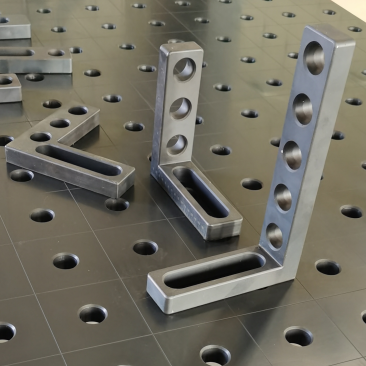
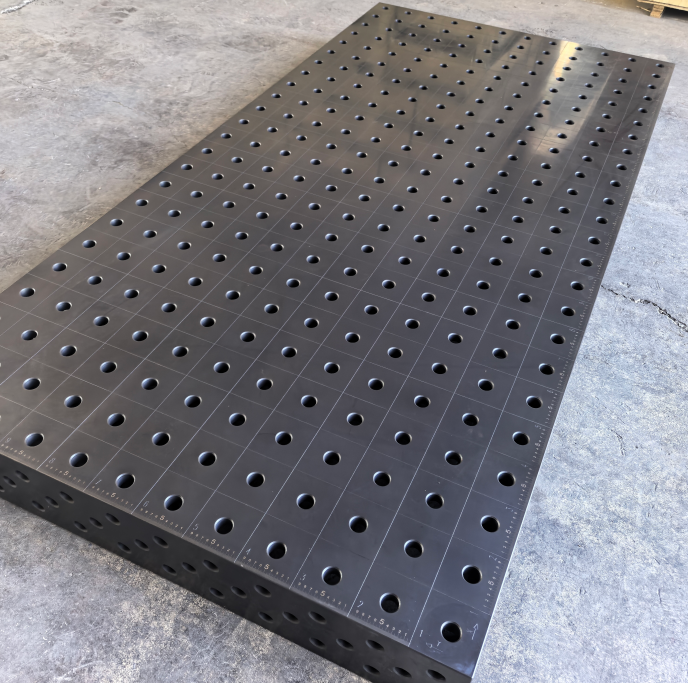
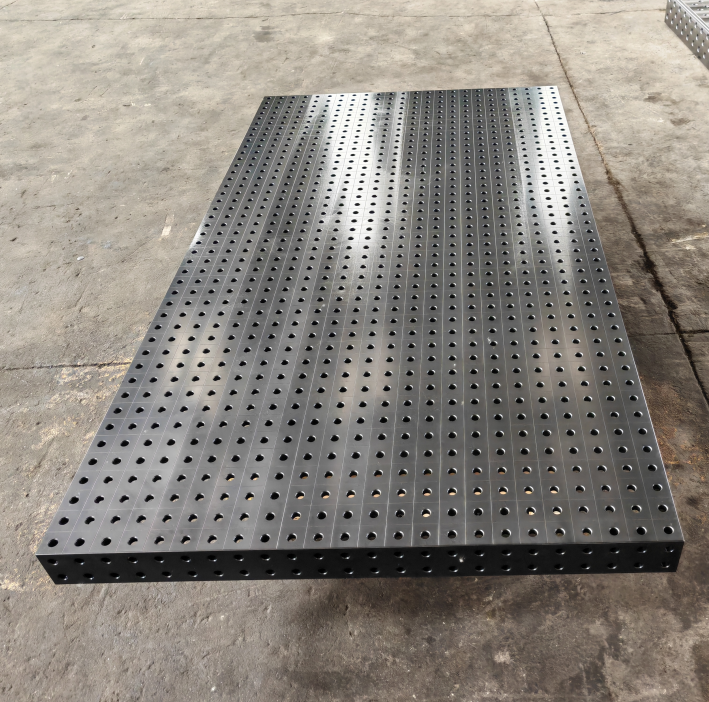
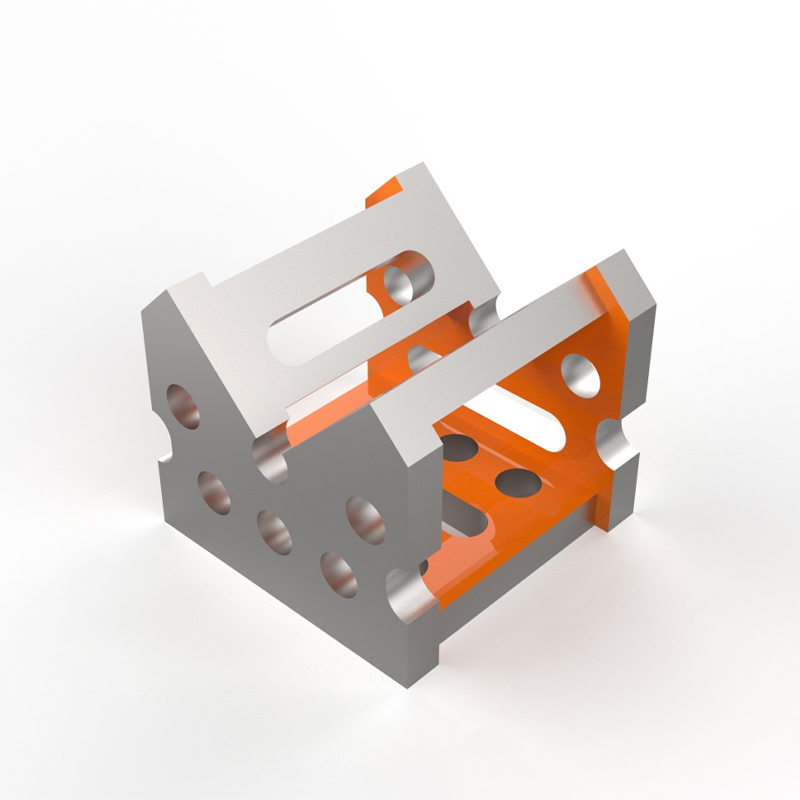
However, even the most advanced robotic cell requires a stable foundation to achieve its full potential. This is where specialized fixturing becomes indispensable. Companies like Botou Haijun Metal Products Co., Ltd. have emerged as key enablers in this space, specializing in the research, development, and production of high-precision flexible modular fixtures. Their core product line, including versatile 2D and 3D flexible welding platforms, has become the preferred jigging equipment in machining, automotive, and aerospace industries. By integrating complementary components such as U-shaped and L-shaped multi-purpose square boxes, 200-series support angle irons, and 0-225° universal angle gauges, manufacturers can achieve rapid workpiece positioning and clamping. Furthermore, Haijun’s professional cast iron 3D welding platforms and angle connection blocks ensure exceptional durability and stability, allowing modern factories to maximize the efficiency of their automated welding investments.
The Rise of Hybrid Laser-Arc Welding
For thick-section platform girders, hybrid laser-arc welding is becoming the gold standard. This technique combines the deep penetration of a laser with the gap-bridging capability of an arc process.
The result is a significant increase in travel speed and a reduction in heat input, which minimizes distortion—a critical factor for large, flat platforms. While the initial capital investment is high, the throughput gains justify the cost for high-volume manufacturers.
This technology also improves the metallurgical properties of the weld zone, enhancing toughness and resistance to crack propagation under dynamic loading conditions typical in industrial platforms.
Comparison of Welding Methods for Industrial Platforms
Selecting the right welding process is crucial for balancing cost, quality, and schedule. Different methods offer distinct advantages depending on the platform’s design specifications and environmental constraints.
The following table compares the most prevalent welding techniques used in platform fabrication today, highlighting their suitability for various applications in the 2026 market context.
| Welding Method | Best Application | Speed Efficiency | Cost Factor | Skill Requirement |
| Shielded Metal Arc (SMAW) | Field repairs, outdoor sites, dirty materials | Low | Low Equipment / High Labor | High |
| Flux-Cored Arc (FCAW) | Heavy structural beams, thick plates | Medium-High | Moderate | Medium |
| Submerged Arc (SAW) | Long straight seams, shop fabrication | Very High | High Setup / Low Unit Cost | Low (Operator level) |
| Gas Metal Arc (GMAW/MIG) | Thin gauge decking, handrails | High | Moderate | Medium |
| Robotic FCAW/GMAW | Repetitive modules, high volume | Highest | High Capital / Low Variable | Programming Skills |
Shielded Metal Arc Welding (SMAW) remains relevant for its portability and tolerance to wind and rust, making it indispensable for on-site modifications. However, its low deposition rate makes it inefficient for primary structural fabrication.
Flux-Cored Arc Welding (FCAW) offers a robust compromise, providing deep penetration and high deposition rates suitable for the heavy loads platforms must bear. It is the workhorse of modern structural shops.
Submerged Arc Welding (SAW) delivers the highest quality for long, straight runs found in main support beams. The flux layer protects the weld from atmospheric contamination, resulting in exceptional mechanical properties.
Automated solutions, while capital intensive, provide the consistency required for certified quality assurance programs. They are ideal for manufacturers producing standardized platform modules for global distribution.
Step-by-Step Guide to Quality Platform Fabrication
Achieving a durable platform requires a disciplined approach to fabrication. Skipping steps in the preparation or execution phase can lead to premature failure and costly remediation.
The following workflow outlines the industry-best practices for executing a platform welding project from design to final inspection.
- Design and Engineering: Verify load calculations and create detailed CAD models. Ensure weld access holes and joint designs comply with AWS D1.1 or equivalent standards.
- Material Preparation: Cut steel plates and beams to precise dimensions. Remove mill scale, rust, and oil from joint areas to prevent porosity and inclusions.
- Fit-Up and Tack Welding: Assemble components using clamps and jigs. Apply tack welds to hold the structure in place, checking alignment and squareness before final welding. Utilizing flexible modular fixtures here can drastically reduce setup time.
- Pre-Heating (If Required): For thick sections or high-carbon steels, apply controlled pre-heat to reduce cooling rates and prevent hydrogen-induced cracking.
- Primary Welding Execution: Perform root passes followed by fill and cap passes according to the Welding Procedure Specification (WPS). Monitor interpass temperature strictly.
- Post-Weld Cleaning: Remove slag, spatter, and smoke residue. Grind weld toes smooth if required for fatigue performance or coating adhesion.
- Non-Destructive Testing (NDT): Conduct visual inspections, ultrasonic testing (UT), or magnetic particle testing (MT) to verify internal and surface integrity.
- Final Coating and Installation: Apply primer and finish coats immediately after cleaning to prevent flash rust. Transport and install with care to avoid damaging the weld zones.
Adhering to this sequence ensures that every platform meets rigorous safety standards. Deviations, such as welding over contaminated surfaces or ignoring pre-heat protocols, are common causes of field failures.
Common Challenges and Solutions in Platform Welding
Even with advanced technology, welders face persistent challenges. Recognizing these issues early allows for proactive mitigation strategies that save time and money.
Distortion Control is perhaps the most frequent issue. The intense heat of welding causes steel to expand and contract unevenly, leading to warping. Using balanced welding sequences, back-step techniques, and rigid fixturing can minimize this effect.
Porosity often results from moisture in consumables or inadequate gas shielding. Storing electrodes in ovens and ensuring proper gas flow rates are simple yet effective preventative measures. Wind shields are essential for outdoor operations.
Lack of Fusion occurs when the weld metal fails to merge completely with the base metal. This is typically caused by incorrect travel speed, voltage settings, or poor joint preparation. Regular calibration of equipment and operator training are key solutions.
Residual Stress can lead to stress corrosion cracking over time. Post-weld heat treatment (PWHT) is sometimes necessary for critical applications to relieve these stresses and improve the microstructure of the heat-affected zone.
Addressing the Skilled Labor Shortage
The aging workforce in the welding industry poses a significant challenge. Many experienced welders are retiring, and replacing them takes time. Manufacturers are responding by simplifying processes through automation.
Cobots (collaborative robots) are being deployed to handle repetitive tasks, allowing human welders to focus on complex joints and quality control. This symbiosis maximizes productivity while bridging the skills gap.
Furthermore, enhanced training programs utilizing augmented reality are shortening the learning curve for new entrants, ensuring a steady pipeline of competent professionals for the future.
Applications of Welded Platforms Across Industries
The versatility of platform welding makes it indispensable across a wide spectrum of industries. Each sector imposes unique requirements that dictate the choice of materials and welding techniques.
In the Oil and Gas sector, platforms must withstand corrosive environments and extreme weather. Duplex stainless steels and specialized nickel alloys are often welded using pulsed GMAW to maintain corrosion resistance while ensuring structural integrity.
The Construction industry utilizes welded platforms for scaffolding, mezzanines, and temporary access structures. Speed and modularity are paramount here, favoring pre-fabricated modules joined by high-deposition FCAW.
Marine and Offshore applications demand exceptional fatigue resistance due to constant motion and wave impact. Strict adherence to classification society rules (like DNV or ABS) governs the welding procedures and inspector qualifications.
In Power Generation, including nuclear and renewable energy, platforms support heavy turbines and maintenance equipment. Cleanliness and traceability of welds are critical, often requiring full radiographic examination of all structural joints.
Future Outlook: What to Expect by 2026 and Beyond
Looking ahead, the platform welding industry will be defined by sustainability and digitalization. Green steel initiatives will influence material choices, pushing manufacturers to adopt low-hydrogen welding processes that reduce environmental impact.
Artificial Intelligence will play a larger role in quality assurance. AI-powered cameras will analyze weld pools in real-time, detecting defects milliseconds after they form and automatically adjusting parameters to correct them.
Supply chain resilience will also shape the market. Localized manufacturing hubs equipped with flexible robotic cells will emerge to reduce logistics costs and lead times, moving away from purely centralized mass production.
Expect to see more “smart platforms” embedded with sensors during the welding phase. These sensors can monitor structural health throughout the lifecycle of the platform, predicting maintenance needs before failures occur.
Frequently Asked Questions (FAQ)
What is the average lifespan of a welded industrial platform?
With proper design, material selection, and maintenance, a welded steel platform can last 25 to 40 years. Environmental factors like corrosion and load cycles significantly influence longevity. Regular inspections and timely recoating are essential to reach the upper end of this range.
How much does platform welding cost per ton in 2026?
Pricing varies widely based on location and complexity, but factory-direct rates for standard structural platforms typically range between $2,500 and $4,500 per ton. This includes material, fabrication, and basic finishing. Complex geometries or exotic alloys will increase this figure substantially.
Is robotic welding better than manual welding for platforms?
For high-volume, repetitive components, robotic welding offers superior consistency and speed. However, manual welding remains essential for custom fits, site modifications, and complex multi-position joints where robot access is limited. A hybrid approach is often optimal.
What certifications should I look for in a platform welding contractor?
Look for contractors certified under AWS D1.1 (Structural Steel) or ISO 3834 (Quality Requirements for Fusion Welding). Specific project needs may also require ASME Section IX or EN 1090 certifications depending on the region and industry.
Can existing platforms be reinforced with additional welding?
Yes, but it requires careful engineering assessment. Adding welds to an existing structure introduces new heat-affected zones and residual stresses. A qualified engineer must approve the modification plan to ensure the existing material can handle the thermal cycle without compromising integrity.
Conclusion and Strategic Recommendations
The landscape of platform welding in 2026 is characterized by a blend of traditional craftsmanship and cutting-edge automation. Prices are stabilizing around value-driven models that prioritize longevity and safety over lowest-bid shortcuts.
For project owners, the key takeaway is to evaluate vendors not just on price per ton, but on their technological capabilities and quality assurance protocols. Investing in factory-direct partners who utilize modern monitoring tools—and high-precision fixturing solutions like those offered by industry leaders such as Botou Haijun Metal Products—can yield significant savings in lifecycle maintenance.
Who should use this information? Procurement managers, structural engineers, and safety directors involved in industrial infrastructure projects will find these insights critical for vendor selection and budget planning.
Next Steps: When sourcing your next platform project, request detailed WPS documents and ask about the manufacturer’s adoption of automated tracking systems. Prioritize partners who demonstrate a clear commitment to EEAT principles—proven experience, technical expertise, and transparent reporting.
By aligning your procurement strategy with these emerging trends, you ensure that your structural investments remain safe, compliant, and cost-effective well into the future.