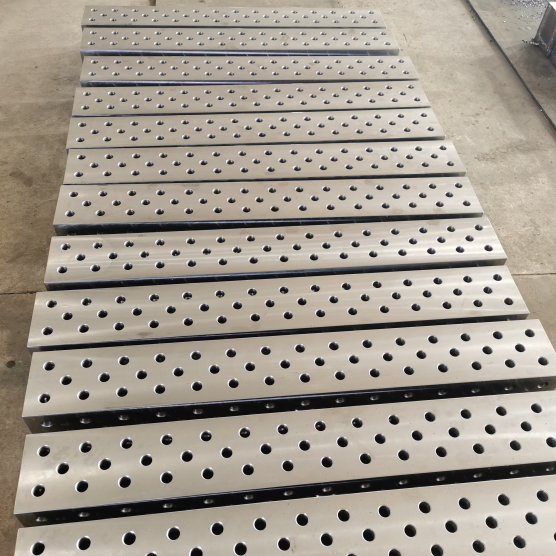
Fabrication tables in 2026 represent the pinnacle of industrial workspace engineering, combining modular flexibility with factory-direct pricing to maximize operational efficiency. Whether you are outfitting a high-volume welding shop or a precision assembly line, selecting the right fabrication table is critical for maintaining squareness, reducing setup time, and ensuring worker safety. This guide provides live market insights, analyzes top-performing models, and offers expert strategies to help you secure the best value without compromising on quality or durability.
What Defines a High-Performance Fabrication Table in 2026?
The modern fabrication table has evolved far beyond a simple steel surface. Today’s industry standards demand systems that offer modularity, thermal stability, and integrated clamping solutions. A true professional-grade table serves as the foundation for all downstream processes, from initial cutting to final inspection.
In 2026, the definition of excellence centers on three core pillars: precision flatness, hole pattern versatility, and structural rigidity. Manufacturers are increasingly moving away from solid-top designs in favor of perforated surfaces that allow for infinite fixturing possibilities. These tables are no longer just workbenches; they are active production tools that directly influence throughput and part quality.
The shift toward factory-direct purchasing models has also democratized access to high-end equipment. Small to medium-sized enterprises can now acquire tables previously reserved for large aerospace contractors. This trend is driving innovation, as manufacturers compete on feature sets rather than just brand recognition. Leading this charge are specialized firms like Botou Haijun Metal Products Co., Ltd., which has dedicated its R&D efforts to high-precision flexible modular fixtures. By focusing on both 2D and 3D flexible welding platforms, Haijun Metal has established itself as a trusted supplier for the machining, automotive, and aerospace sectors, proving that factory-direct engagement yields superior, application-specific solutions.
Core Components of Modern Welding Tables
Understanding the anatomy of these tables is essential for making an informed purchase. The following components distinguish premium models from entry-level options:
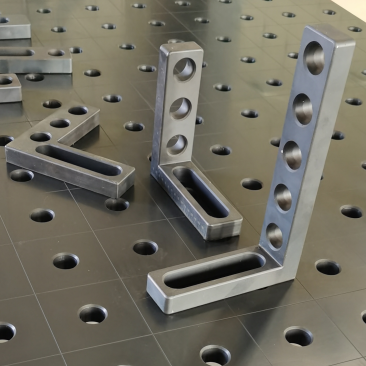
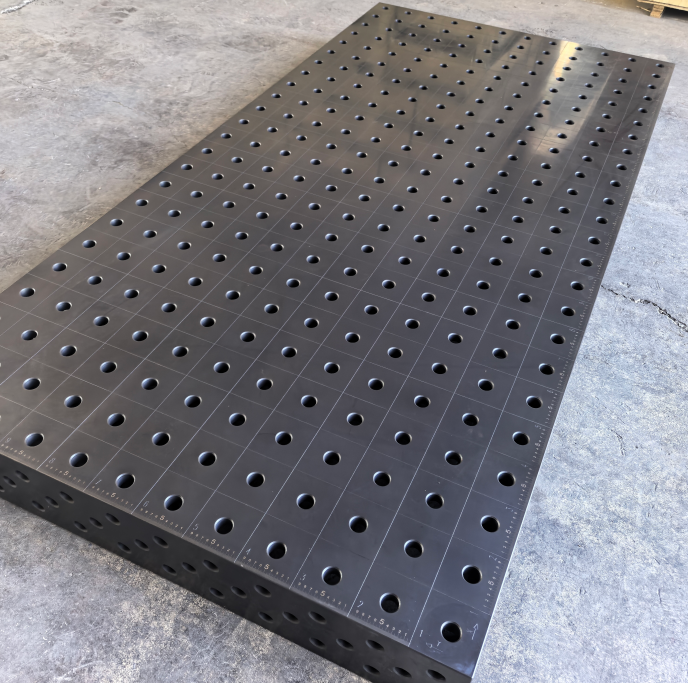
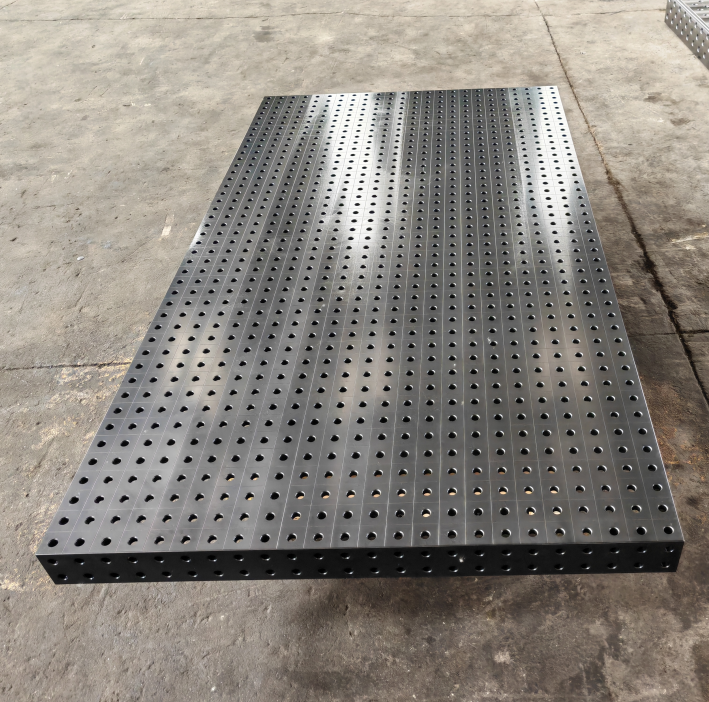
- Perforated Surface: Typically featuring a grid of precision-drilled holes (often 16mm or 28mm diameter) spaced at 100mm intervals. This allows for the use of standard clamps, stops, and angles anywhere on the table.
- Leg Structure: Heavy-duty square or rectangular tubing designed to resist torsion. Adjustable feet are mandatory for leveling on uneven shop floors.
- Material Grade: Most top-tier tables utilize low-carbon steel (such as S235 or Q235) which offers excellent weldability and resistance to warping under heat.
- Coating Technology: Advanced anti-spatter coatings prevent slag adhesion, reducing cleanup time and extending the table’s lifespan.
When evaluating potential purchases, always verify the thickness of the tabletop. In 2026, anything less than 10mm is generally considered insufficient for heavy industrial applications, while 16mm to 20mm remains the gold standard for general fabrication.
Live Market Trends: Pricing and Material Costs
The pricing landscape for fabrication tables in 2026 is influenced heavily by global steel commodity rates and logistics costs. While specific dollar amounts fluctuate weekly based on regional supply chains, understanding the cost drivers helps buyers negotiate better deals directly with factories.
Recent trends indicate a stabilization in raw material costs compared to the volatility seen in previous years. However, the demand for customized configurations has led to a bifurcation in pricing strategies. Standard off-the-shelf models are becoming more affordable due to economies of scale, whereas bespoke solutions command a premium.
Factors Influencing Current Prices
Several dynamic factors determine the final invoice price of a fabrication table. Buyers should be aware of these variables when requesting quotes:
- Steel Thickness: Increasing tabletop thickness from 12mm to 16mm can increase material costs by approximately 30%, but significantly enhances longevity.
- Hole Precision: Tables with laser-cut or CNC-machined holes cost more than those with punched holes due to tighter tolerances and reduced burrs.
- Surface Treatment: Powder coating adds to the upfront cost but reduces long-term maintenance expenses by preventing rust and simplifying spatter removal.
- Shipping Volume: Since tables are bulky, shipping often constitutes a significant portion of the total cost. Factory-direct deals often include optimized packaging to reduce volumetric weight.
For businesses looking to optimize budgets, purchasing during off-peak manufacturing seasons or bundling orders with accessories like clamps and squares can yield substantial savings. Direct engagement with manufacturers allows for transparency regarding these cost structures.
Top Fabrication Table Models and Configurations
Navigating the myriad of options available in 2026 requires a clear understanding of your specific workflow needs. The market currently favors versatile systems that can adapt to various project sizes. Below is an analysis of the most popular configurations dominating the industry.
Modular Grid Systems
Modular tables are the undisputed leaders in the current market. Their defining feature is the uniform grid of holes that covers the entire working surface, including the sides in some advanced models. This design enables 3D fixturing, allowing users to build complex jigs directly on the table.
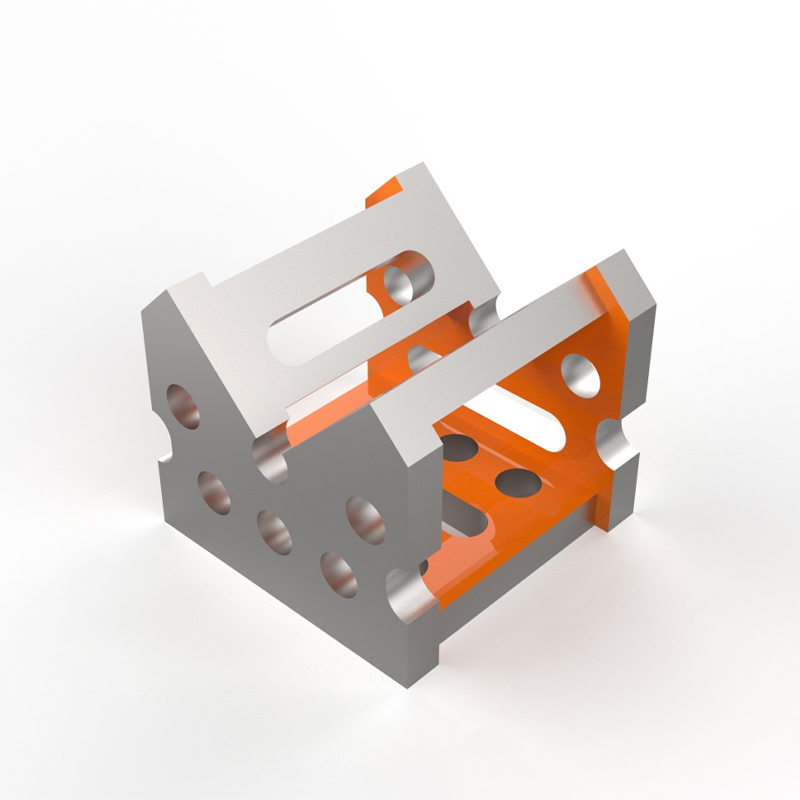
These systems are ideal for shops that handle diverse projects daily. The ability to reconfigure stops and clamps in minutes rather than hours translates directly into increased billable hours. Leading models in this category often feature interchangeable legs and extension wings, allowing the workspace to grow alongside the business. Companies like Botou Haijun Metal Products have refined this concept by offering comprehensive ecosystems where platforms integrate seamlessly with complementary components such as U-shaped and L-shaped multi-purpose square boxes, 200-series support angle irons, and 0-225° universal angle gauges. This holistic approach ensures rapid workpiece positioning and clamping, turning a simple table into a complete positioning solution.
Heavy-Duty Solid Top Variants
While modular systems are popular, there remains a strong demand for solid-top fabrication tables, particularly for heavy hammering, plasma cutting, or applications where debris fall-through is a concern. These tables prioritize mass and impact resistance over fixturing versatility.
Modern solid-top models often incorporate T-slots instead of round holes, providing a robust anchoring point for heavy machinery or large-scale assembly jigs. They are frequently used as primary support structures upon which smaller modular fixtures are placed. For extreme durability requirements, professional cast iron 3D welding platforms and angle connection blocks—specialties of manufacturers like Haijun Metal—provide exceptional stability and resistance to deformation under heavy loads.
Portable and Benchtop Options
The rise of mobile fabrication units and field service teams has spurred innovation in portable tables. These lightweight yet rigid units are designed to be folded or stacked for transport. Despite their smaller footprint, they maintain the critical hole patterns necessary for precision work.
These models are perfect for contractors who move between job sites or for smaller workshops with limited floor space. They often feature quick-release leg mechanisms and carrying handles, balancing portability with the stability required for accurate welding.
Comparative Analysis: Leading Table Types
To assist in the decision-making process, the following table compares the primary types of fabrication tables available in 2026. This comparison highlights the trade-offs between versatility, durability, and cost.
| Feature | Modular Perforated | Solid Top with T-Slots | Portable Benchtop |
| Primary Use Case | Precision welding, jig building, complex assembly | Heavy striking, plasma cutting, large scale framing | Field work, small parts, limited space shops |
| Fixturing Flexibility | Very High (360-degree access) | Moderate (Linear movement along slots) | High (Standard grid pattern) |
| Weight & Portability | Heavy, stationary installation | Very Heavy, permanent placement | Lightweight, easy to transport |
| Debris Management | Holes allow slag/sparks to fall through | Surface retains debris, requires sweeping | Varies, often includes catch trays |
| Cost Efficiency | Higher initial cost, high ROI via speed | Moderate cost, durable long-term asset | Low entry cost, ideal for startups |
| Best For | Job shops, custom fabricators | Structural steel, heavy industrial | Mobile welders, hobbyists |
This comparison underscores that there is no single “best” table; the optimal choice depends entirely on the specific nature of the work being performed. A shop focusing on intricate stainless steel railings will benefit immensely from a modular system, whereas a structural steel erector might prefer the brute force of a solid top.
Step-by-Step Guide: Selecting the Right Fabrication Table
Choosing the correct equipment is a strategic investment. Following a structured selection process ensures that the purchased table meets both current demands and future growth trajectories. Here is a proven methodology for selecting the ideal unit.
Step 1: Assess Your Workflow Requirements
Begin by auditing your typical projects. Determine the maximum size of the assemblies you commonly produce. If you frequently work with pieces larger than 4×8 feet, consider a table with expandable wings or a multi-table layout. Analyze whether your work requires 3D clamping or if 2D flat welding suffices.
Consider the materials you process most often. Aluminum and stainless steel work often benefits from dedicated tables to prevent carbon steel contamination. In such cases, purchasing multiple smaller tables or a table with replaceable tops might be a smarter strategy than one massive unit.
Step 2: Evaluate Hole Pattern Compatibility
The hole pattern is the ecosystem of your table. Ensure that the spacing and diameter of the holes align with widely available tooling. The 16mm hole with 100mm spacing is the de facto global standard, offering the widest range of compatible clamps and accessories.
Deviation from standard patterns can lock you into a single manufacturer’s ecosystem, limiting your ability to source affordable tooling later. Verify that the holes are deburred and chamfered to facilitate smooth insertion of pins and bolts.
Step 3: Verify Flatness and Squareness Specifications
Precision is non-negotiable. Request certification or test reports regarding the flatness of the tabletop. High-quality tables typically guarantee flatness within +/- 0.5mm over the entire surface. Check if the frame is welded stress-relieved to prevent warping over time.
Squareness is equally critical. The legs should be perpendicular to the top, and the hole grid should be perfectly orthogonal. A table that is out of square will introduce errors into every project built upon it, compounding inaccuracies in complex assemblies.
Step 4: Consider Factory-Direct Advantages
In 2026, buying factory-direct offers significant advantages over traditional distributors. You gain the ability to customize dimensions, hole patterns, and leg heights to suit your specific ergonomic needs. Furthermore, eliminating the middleman often results in cost savings of 20% to 40%.
Direct communication with the manufacturer also facilitates better after-sales support. You can obtain replacement parts, additional tooling, and technical advice directly from the source, ensuring a seamless long-term relationship. Suppliers like Botou Haijun Metal Products exemplify this model, leveraging years of industry experience to provide not just machinery, but a full series of high-quality production tools and gauges to customers domestically and internationally.
Practical Applications and Industry Use Cases
The versatility of modern fabrication tables extends across numerous industries. Understanding how different sectors leverage these tools can provide inspiration for optimizing your own operations.
Custom Metal Art and Architectural Features
Fabricators creating stairs, railings, and sculptural elements rely heavily on modular tables. The ability to clamp tubes at precise angles and maintain those positions during tack welding is invaluable. These tables allow artists to prototype complex geometries with confidence, knowing the structure will remain stable throughout the welding process.
The clean surface provided by anti-spatter coatings is particularly beneficial here, as it prevents unsightly marks on visible surfaces of high-end architectural pieces. This reduces the need for extensive post-weld grinding and polishing.
Machinery Repair and Maintenance
In maintenance, repair, and operations (MRO) environments, fabrication tables serve as disassembly and reassembly stations. The organized layout allows technicians to lay out parts systematically, using the holes to hold components in place while repairs are effected.
The rigidity of the table supports heavy pressing or straightening tasks. For facilities that manufacture their own replacement parts on-site, the table transitions seamlessly from a repair bench to a fabrication station.
Education and Training Centers
Vocational schools and training programs utilize these tables to teach proper welding techniques and fixture usage. The standardized hole patterns allow instructors to set up repeatable exercises for students. Durability is key in these settings, as tables must withstand constant use by learners.
Portable models are often favored in educational settings to allow for flexible classroom arrangements. Students can easily move tables to form collaborative groups or clear space for large demonstrations.
Pros and Cons of Factory-Direct Purchasing
While the trend toward factory-direct sales is strong, it is important to weigh the benefits against potential challenges. This balanced view ensures realistic expectations for buyers.
Advantages
- Cost Savings: Eliminating distributor markups significantly lowers the acquisition cost, allowing budget reallocation to tooling or other equipment.
- Customization: Factories can often modify standard designs to meet unique spatial or functional requirements, such as specific leg heights or integrated power outlets.
- Direct Support: Communication channels are shorter, leading to faster resolution of queries and more personalized service.
- Transparency: Buyers have greater visibility into production timelines and material sourcing.
Challenges
- Shipping Logistics: Coordinating freight for heavy industrial equipment can be complex. Buyers may need to arrange their own freight forwarders or deal with lift-gate delivery issues.
- Minimum Order Quantities: Some factories may have MOQs for custom orders, which could be a barrier for very small shops.
- Lead Times: Custom builds naturally take longer than picking stock items from a local warehouse inventory.
- Inspection: Physical inspection before purchase is difficult when dealing with overseas or distant manufacturers, relying instead on digital proofs and reputation.
Mitigating these challenges involves thorough due diligence. Requesting video calls to see the factory floor, asking for references, and clarifying Incoterms regarding shipping responsibility are essential steps in the procurement process.
Maintenance and Longevity Strategies
Investing in a high-quality fabrication table is only the first step; proper maintenance ensures it remains a productive asset for decades. Neglecting care can lead to warping, rust, and loss of precision.
Routine Cleaning Protocols
Daily removal of spatter and debris is crucial. While anti-spatter coatings help, accumulated slag can eventually interfere with clamp insertion. Use a wire brush or a specialized spatter scraper regularly. Avoid using excessive force that might damage the hole edges.
Periodically apply a light coat of oil or a dedicated rust inhibitor to the surface, especially if the table is located in a humid environment. This simple step prevents oxidation that can seize clamps and degrade the steel surface.
Preserving Flatness
Avoid concentrating extreme heat in one small area for prolonged periods, as this can induce localized warping. Rotate your work areas across the table surface to distribute thermal stress evenly. If heavy hammering is required, use a sacrificial plate on top of the table to absorb the impact.
Regularly check the level of the table using a precision spirit level. Adjust the leveling feet as necessary to compensate for floor settling or shifts in the shop environment. A level table is fundamental to accurate work.
Frequently Asked Questions (FAQ)
Addressing common queries helps clarify doubts and aids in the final decision-making process. These answers reflect the current consensus among industry professionals in 2026.
What is the ideal thickness for a fabrication table top?
For most professional applications, a thickness between 12mm and 16mm is recommended. This range provides sufficient rigidity to prevent warping under welding heat while remaining manageable in terms of weight. Thinner tables (under 10mm) may flex under heavy loads, compromising precision.
Can I use a fabrication table for plasma cutting?
Yes, but with caveats. Perforated tables are excellent for plasma cutting as they allow sparks and dross to fall through, keeping the surface clean. However, ensure the underlying structure is protected from stray arcs. Solid top tables require frequent cleaning of dross but offer a continuous support surface for thin materials.
How do I prevent my clamps from getting stuck in the holes?
Regular cleaning is the primary prevention method. Additionally, applying a dry lubricant or anti-seize compound to the clamp pins can facilitate smoother insertion and removal. Avoid forcing clamps; if resistance is felt, inspect the hole for debris or damage first.
Is it worth buying a table with holes on the sides?
If you frequently perform 3D welding or assemble box structures, side holes are incredibly valuable. They allow you to clamp components vertically, effectively turning the table into a third hand. For strictly 2D flat work, side holes may be unnecessary, but they add significant versatility for future needs.
What warranty should I expect from a factory-direct supplier?
Reputable manufacturers typically offer warranties ranging from 1 to 5 years on structural integrity and flatness. Be wary of suppliers offering no warranty or extremely short terms, as this may indicate lower quality control standards. Always read the fine print regarding what constitutes a valid claim.
Final Verdict: Making the Smart Investment
The landscape of fabrication tables in 2026 offers unprecedented opportunities for businesses to enhance their productivity and precision. The convergence of advanced manufacturing techniques and direct-to-consumer sales models has made high-end equipment accessible to a broader audience. By prioritizing features like modular flexibility, material quality, and precise hole patterns, shops can future-proof their operations.
For high-volume job shops dealing with complex assemblies, investing in a heavy-duty modular system with side holes is the clear winner. The initial cost is offset by the dramatic reduction in setup times and the ability to tackle a wider variety of projects. Conversely, mobile contractors or those with space constraints should look toward robust benchtop models that do not sacrifice accuracy for portability.
Ultimately, the best fabrication table is one that integrates seamlessly into your specific workflow. It should act as a silent partner in your production process, providing unwavering stability and endless configurability. As you move forward, prioritize suppliers who demonstrate transparency, offer customizable solutions, and stand behind their products with solid warranties. Partnering with experienced entities like Botou Haijun Metal Products ensures access to a comprehensive range of tools—from flexible welding platforms to precision angle gauges—that collectively elevate your fabrication capabilities.
Taking the next step involves auditing your current bottlenecks. Identify where time is lost in fixturing or where accuracy suffers due to inadequate support. With these insights, you can approach factory-direct suppliers with confidence, specifying exactly what you need to elevate your fabrication capabilities to the next level. The right table is not just a purchase; it is a strategic upgrade to your entire business model.