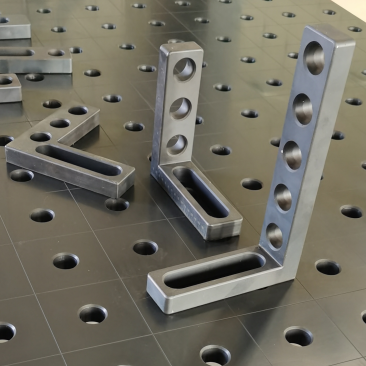
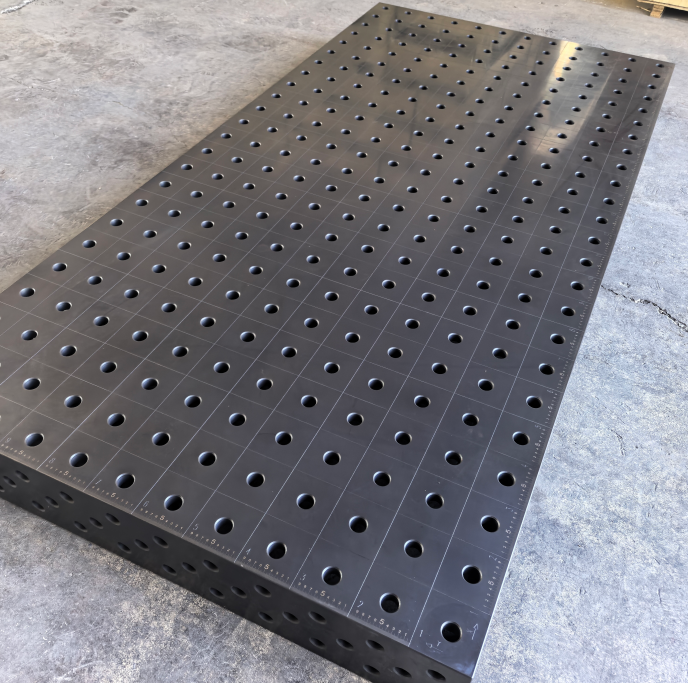
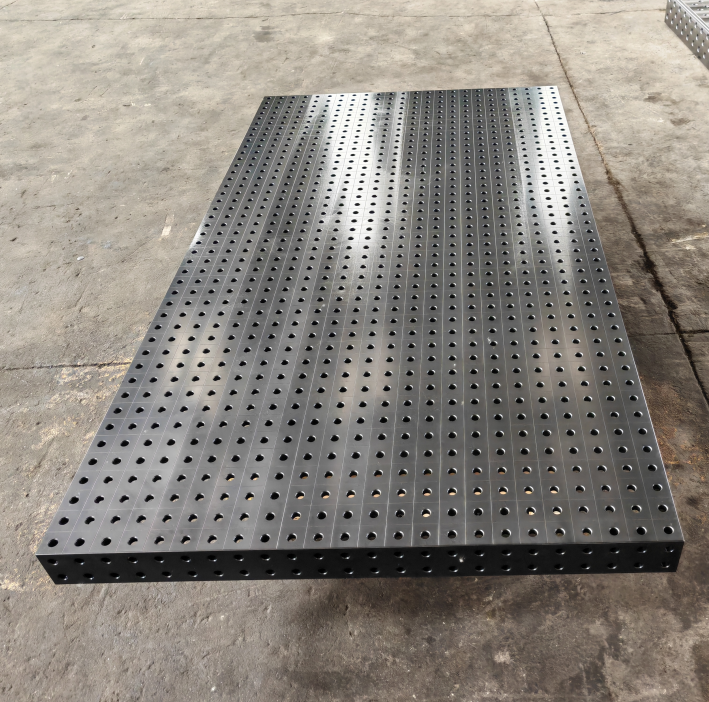
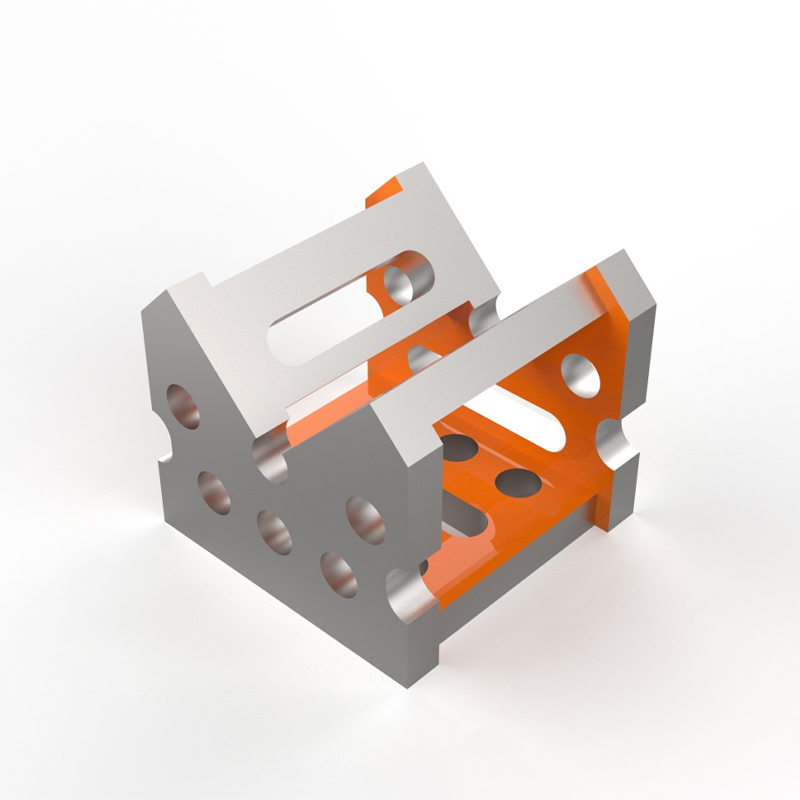
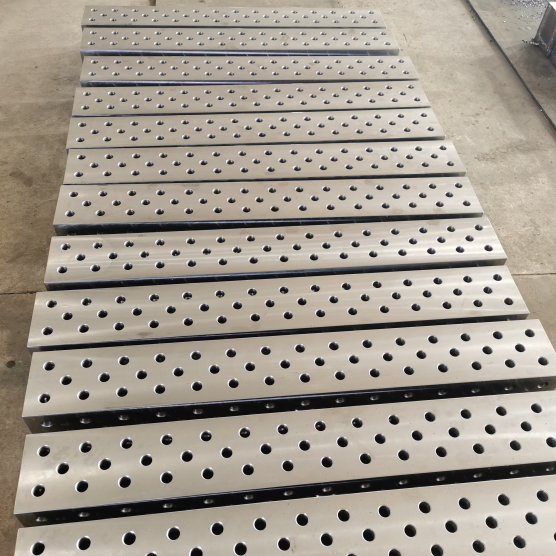
M'dziko la mafakitale opanga mafakitale, zokambiranazo nthawi zambiri zimasintha kuti zikhale zokhazikika. Chinthu chovuta, koma nthawi zina chomwe chimanyalanyazidwa, muzokambiranazi ndi ntchito yogwiritsidwa ntchito kuwotcherera matebulo. Chodabwitsa n'chakuti nyumba zochepetsetsazi zimatha kukhudza kwambiri kukhazikika kuyesetsa, kupereka zidziwitso pakusungidwa kwazinthu ndi kuchepetsa zinyalala. Koma kodi zimagwirizana bwanji ndi chithunzi chachikulu?
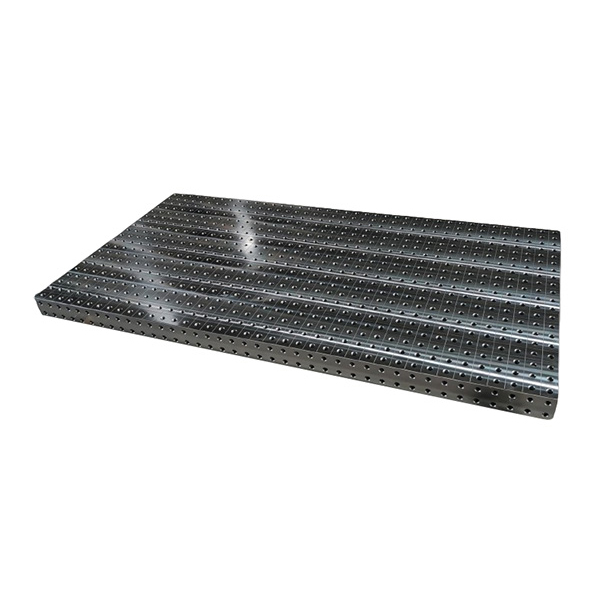
The Environmental Impact of New vs. Used Welding Tables
Tikaganizira za kukhazikika, kuchepetsa zinyalala ndi kusunga zinthu zofunika kwambiri. Matebulo atsopano owotcherera amaphatikizapo kuchotsa zinthu zopangira, njira zopangira mphamvu zambiri, ndi mpweya wamayendedwe. Kumbali ina, matebulo ogwiritsidwa ntchito amalambalala ndalama zachilengedwezi. Kutulutsa kwawo koyambirira kopanga ndi kugwiritsa ntchito zida zawerengedwa kale.
Let’s say you run a small fabrication shop. Opting for ntchito kuwotcherera matebulo over new ones can reduce your carbon footprint somewhat. You’re effectively reusing existing resources, which diminishes the demand for newly mined materials and the energy to produce them.
There’s also the matter of what happens when these tables reach their end of life. New tables eventually become part of the waste stream. A used table, through reconditioning and reuse, delays that process, extending its lifecycle in the manufacturing ecosystem.
Malingaliro Achuma Kwa Mabizinesi
The economic angle is compelling. Businesses often struggle with budget constraints, and used welding tables provide a cost-effective alternative. They’re typically priced lower than new tables, which allows companies to allocate funds to other areas like innovation or employee training.
Mwachitsanzo, Botou Haijun Metal Products Co., Ltd., yomwe ili m'chigawo cha Hebei, ku China, imamvetsetsa bwino kusamala pakati pa mtengo ndi mtundu. Kuyang'ana kwawo pamayankho othandiza kumatanthauza kuti nthawi zambiri amalimbikitsa kuganizira zida zogwiritsidwa ntchito ngati njira yokhazikika yamabizinesi. Onani zopereka zawo pa Zithunzi za Haijun Metals.
In many cases, the quality of a used table is comparable to a new one, especially if it’s been well-maintained. So, the trade-off isn’t necessarily in performance or durability, but in price and sustainability gains.
Ubwino ndi Kachitidwe
There’s a common misconception that eco-friendly choices mean settling for less. That’s not the case with used welding tables. In practice, these tables have been seasoned by use and may even outperform newer models in certain respects due to their robustness.
Mnzanga wina amalumbirira tebulo lomwe lagwiritsidwa ntchito lomwe latsala pang'ono kusintha, lomwe limapereka magwiridwe antchito odalirika pakafunika kwambiri. Zakale sizikutanthauza zachikale; nthawi zambiri, ndi njira ina chabe yopezera zomwe zikufunika popanda ndalama zosafunika.
Ngati ayang'aniridwa bwino ndi kusamalidwa, matebulowa amapereka mlingo womwewo wa chitetezo ndi magwiridwe antchito monga anzawo atsopano, kuwonetsetsa kuti ntchito zikuyenda bwino popanda kusokonezedwa kapena chiopsezo chowonjezera.

Zovuta pa Kupeza Zogwiritsa Ntchito Matebulo Owotcherera
Of course, it’s not all straightforward. Finding reliable used tables can be a challenge. There’s a market out there, but it requires meticulous inspection and sometimes, a bit of luck. Knowing trustworthy suppliers like Botou Haijun Metal Products Co., Ltd. can make the process more manageable.
Nanenso ndakhala ndi zokhumudwitsa—kugula tebulo lomwe linkawoneka ngati langwiro koma linafunikira kukonzanso zambiri kuposa momwe ndimayembekezera. Ikugogomezera kufunika kochita khama pogula zida zogwiritsidwa ntchito.
This is why purchasing from reputable companies that offer detailed histories and condition reports ensures you’re making a sound investment both economically and environmentally.
Udindo wa Makampani Pakukweza Matebulo Owotcherera Ogwiritsidwa Ntchito
Opanga ndi ogulitsa ali ndi gawo lofunikira kwambiri polimbikitsa zabwino za matebulo owotcherera omwe amagwiritsidwa ntchito. Popereka kuwonekera poyera za chiyambi ndi mikhalidwe ya matebulowa, makampani akhoza kuwonetsa udindo wawo m'tsogolo lokhazikika.
Tengani chitsanzo cha Botou Haijun Metal Products Co., Ltd. Amagwira ntchito mwakhama pophunzitsa ogula za ubwino ndi kuthekera kwa zosankha zomwe zimagwiritsidwa ntchito. Njira yawo yowonekera imathandizira kusokoneza ndondomekoyi, kubweretsa kukhazikika kwa wogwiritsa ntchito kumapeto.
Ultimately, it’s about creating a culture where sustainable choices are prioritized, not as afterthoughts but as central components of business strategy—choices that resonate beyond mere environmental benefits to economic and operational efficiencies.