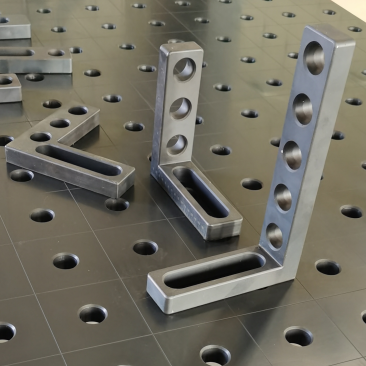
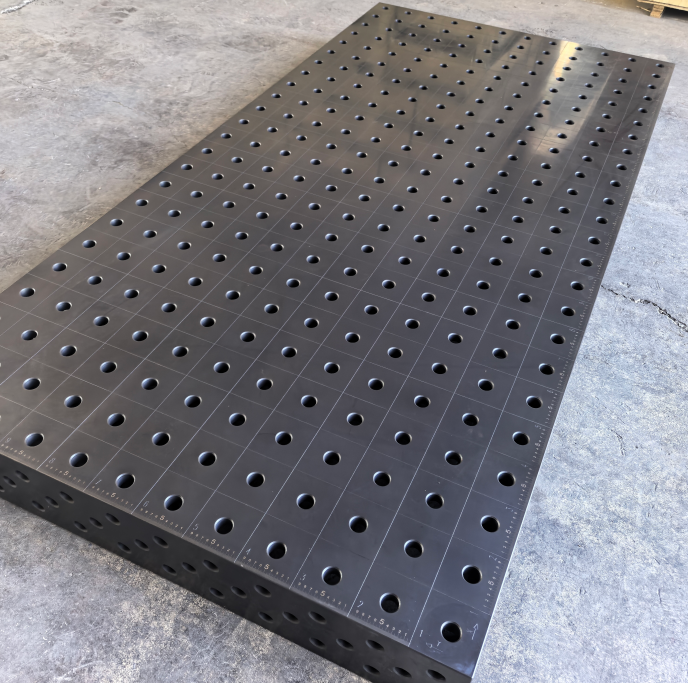
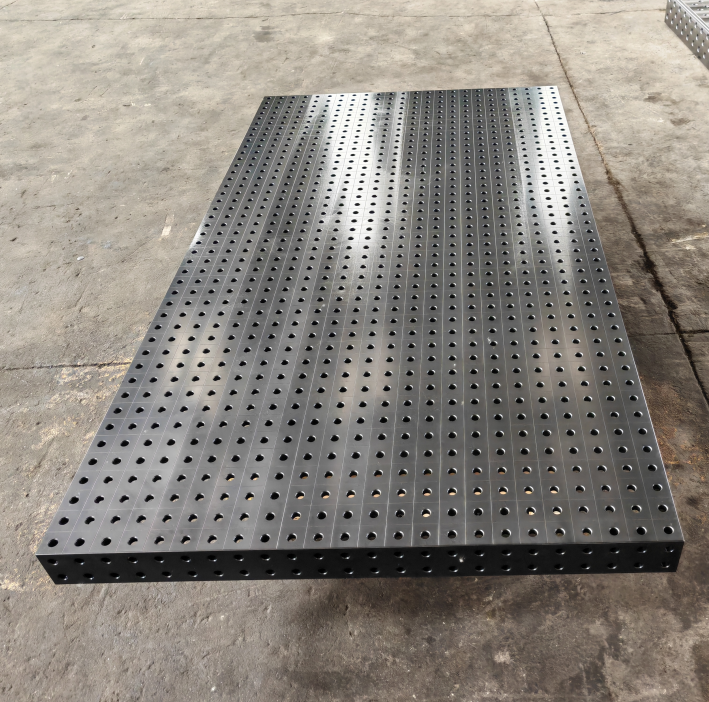
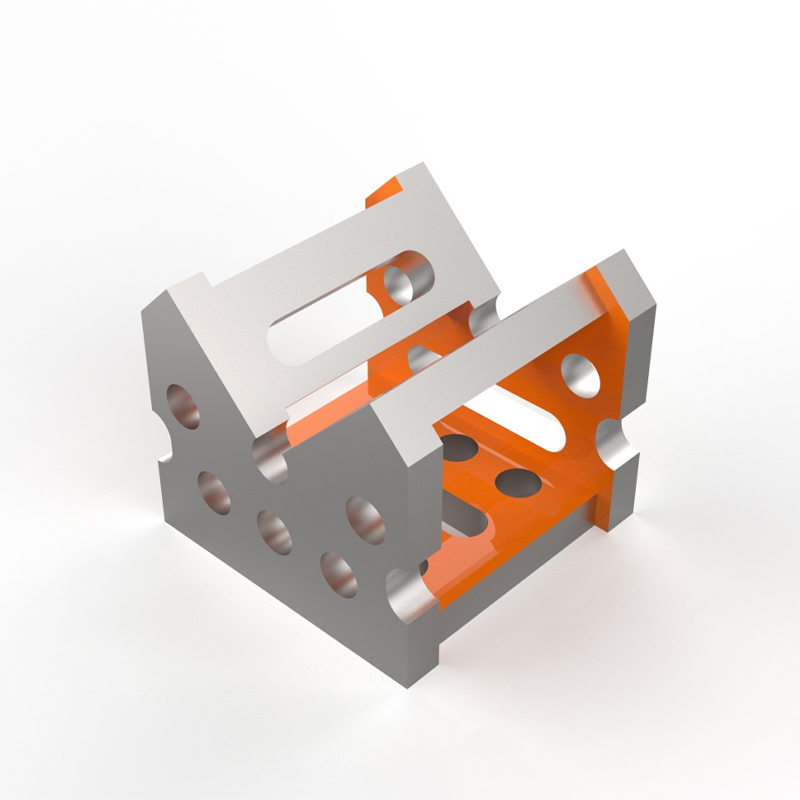
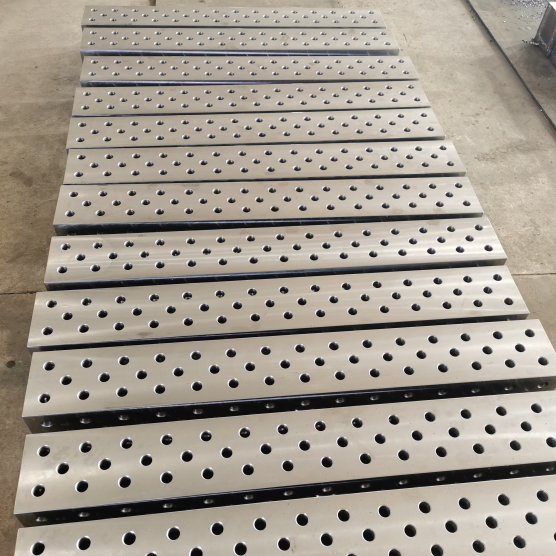
ໃນໂລກຂອງການຜະລິດອຸດສາຫະກໍາ, ການສົນທະນາມັກຈະປ່ຽນໄປສູ່ຄວາມຍືນຍົງ. ອົງປະກອບທີ່ສໍາຄັນ, ແຕ່ບາງຄັ້ງຖືກມອງຂ້າມ, ອົງປະກອບໃນການສົນທະນານີ້ແມ່ນບົດບາດຂອງການນໍາໃຊ້ ຕາຕະລາງການເຊື່ອມໂລຫະ. ເປັນເລື່ອງແປກທີ່, ໂຄງສ້າງທີ່ຖ່ອມຕົວເຫຼົ່ານີ້ສາມາດມີອິດທິພົນຢ່າງຫຼວງຫຼາຍ ຄວາມຍືນຍົງ ຄວາມພະຍາຍາມ, ສະເຫນີຄວາມເຂົ້າໃຈໃນການອະນຸລັກຊັບພະຍາກອນແລະການຫຼຸດຜ່ອນສິ່ງເສດເຫຼືອ. ແຕ່ຕົວຈິງແລ້ວພວກເຂົາເຫມາະກັບຮູບຂະຫນາດໃຫຍ່ແນວໃດ?
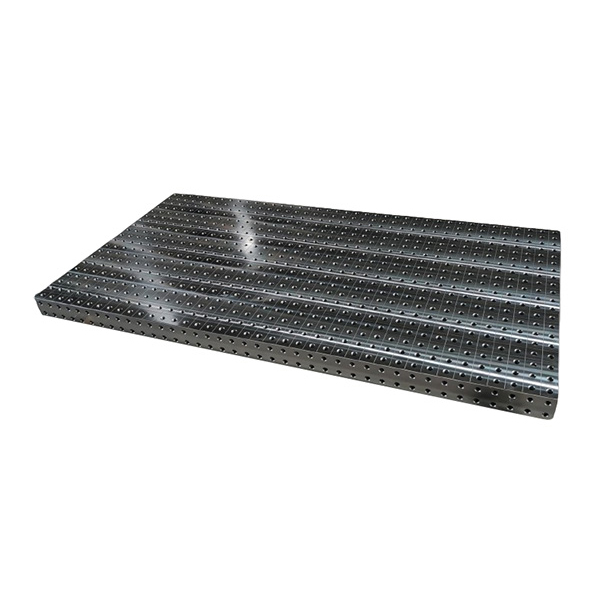
ຜົນກະທົບຕໍ່ສິ່ງແວດລ້ອມຂອງໃຫມ່ທຽບກັບຕາຕະລາງການເຊື່ອມໂລຫະທີ່ໃຊ້ແລ້ວ
ເມື່ອພວກເຮົາຄິດກ່ຽວກັບຄວາມຍືນຍົງ, ການຫຼຸດຜ່ອນສິ່ງເສດເຫຼືອແລະການອະນຸລັກຊັບພະຍາກອນແມ່ນສໍາຄັນທີ່ສຸດ. ຕາຕະລາງການເຊື່ອມໂລຫະໃຫມ່ປະກອບດ້ວຍການສະກັດເອົາວັດຖຸດິບ, ຂະບວນການຜະລິດພະລັງງານຫຼາຍ, ແລະການປ່ອຍອາຍພິດການຂົນສົ່ງ. ໃນທາງກົງກັນຂ້າມ, ຕາຕະລາງທີ່ໃຊ້ແລ້ວຂ້າມຄ່າໃຊ້ຈ່າຍດ້ານສິ່ງແວດລ້ອມເຫຼົ່ານີ້. ການປ່ອຍອາຍພິດການຜະລິດເບື້ອງຕົ້ນຂອງພວກເຂົາແລະການນໍາໃຊ້ຊັບພະຍາກອນໄດ້ຖືກຄິດໄລ່ແລ້ວ.
Let’s say you run a small fabrication shop. ເລືອກສໍາລັບ ຕາຕະລາງການເຊື່ອມໂລຫະທີ່ໃຊ້ over new ones can reduce your carbon footprint somewhat. You’re effectively reusing existing resources, which diminishes the demand for newly mined materials and the energy to produce them.
There’s also the matter of what happens when these tables reach their end of life. New tables eventually become part of the waste stream. A used table, through reconditioning and reuse, delays that process, extending its lifecycle in the manufacturing ecosystem.
ພິຈາລະນາເສດຖະກິດສໍາລັບທຸລະກິດ
The economic angle is compelling. Businesses often struggle with budget constraints, and used welding tables provide a cost-effective alternative. They’re typically priced lower than new tables, which allows companies to allocate funds to other areas like innovation or employee training.
ຕົວຢ່າງ, Botou Haijun Metal Products Co., Ltd., ທີ່ຕັ້ງຢູ່ໃນແຂວງ Hebei, ຈີນ, ເຂົ້າໃຈຄວາມສົມດູນທີ່ລະອຽດອ່ອນລະຫວ່າງຄ່າໃຊ້ຈ່າຍແລະຄຸນນະພາບ. ຈຸດສຸມຂອງພວກເຂົາກ່ຽວກັບການແກ້ໄຂການປະຕິບັດຫມາຍຄວາມວ່າພວກເຂົາມັກຈະແນະນໍາໃຫ້ພິຈາລະນາອຸປະກອນທີ່ໃຊ້ແລ້ວເປັນສ່ວນຫນຶ່ງຂອງຍຸດທະສາດທຸລະກິດທີ່ຍືນຍົງ. ກວດເບິ່ງການສະເຫນີຂອງພວກເຂົາຢູ່ທີ່ Haijun ໂລຫະ.
In many cases, the quality of a used table is comparable to a new one, especially if it’s been well-maintained. So, the trade-off isn’t necessarily in performance or durability, but in price and sustainability gains.
ຄຸນະພາບແລະຫນ້າທີ່
There’s a common misconception that eco-friendly choices mean settling for less. That’s not the case with used welding tables. In practice, these tables have been seasoned by use and may even outperform newer models in certain respects due to their robustness.
ເພື່ອນຮ່ວມງານຄົນໜຶ່ງຂອງຂ້ອຍສາບານໂດຍຕາຕະລາງທີ່ໃຊ້ແລ້ວທີ່ລ້າສະໄຫມທາງເລືອກໃຫມ່, ສະເຫນີຫນ້າທີ່ທີ່ເຊື່ອຖືໄດ້ໃນເວລາທີ່ຈໍາເປັນທີ່ສຸດ. ເກົ່າບໍ່ໄດ້ຫມາຍຄວາມວ່າລ້າສະໄຫມ; ເລື້ອຍໆ, ມັນເປັນພຽງແຕ່ວິທີອື່ນທີ່ຈະບັນລຸສິ່ງທີ່ຈໍາເປັນໂດຍບໍ່ມີການໃຊ້ຈ່າຍທີ່ບໍ່ຈໍາເປັນ.
ຖ້າຫາກວ່າການກວດກາແລະຮັກສາໄວ້ຢ່າງຖືກຕ້ອງ, ຕາຕະລາງເຫຼົ່ານີ້ສະເຫນີໃຫ້ລະດັບດຽວກັນຂອງ ຄວາມປອດໄພ ແລະການທໍາງານເປັນຄູ່ຮ່ວມງານຍີ່ຫໍ້ໃຫມ່ຂອງເຂົາເຈົ້າ, ຮັບປະກັນວ່າການດໍາເນີນງານໄດ້ກ້ຽງໂດຍບໍ່ມີການຂັດຂວາງຫຼືຄວາມສ່ຽງເພີ່ມເຕີມ.

ສິ່ງທ້າທາຍໃນການຈັດຫາຕາຕະລາງການເຊື່ອມໂລຫະທີ່ໃຊ້
Of course, it’s not all straightforward. Finding reliable used tables can be a challenge. There’s a market out there, but it requires meticulous inspection and sometimes, a bit of luck. Knowing trustworthy suppliers like Botou Haijun Metal Products Co., Ltd. can make the process more manageable.
ຂ້າພະເຈົ້າກໍມີຄວາມຜິດຫວັງຄືກັນ—ການຊື້ໂຕະທີ່ເບິ່ງຄືວ່າດີເລີດ ແຕ່ຕ້ອງໄດ້ສ້ອມແປງຫຼາຍກວ່າທີ່ຄາດໄວ້. ມັນເນັ້ນເຖິງຄວາມສໍາຄັນຂອງຄວາມພາກພຽນອັນເນື່ອງມາຈາກການຊື້ອຸປະກອນທີ່ໃຊ້ແລ້ວ.
This is why purchasing from reputable companies that offer detailed histories and condition reports ensures you’re making a sound investment both economically and environmentally.
ບົດບາດຂອງບໍລິສັດໃນການສົ່ງເສີມຕາຕະລາງການເຊື່ອມໂລຫະທີ່ໃຊ້ແລ້ວ
ຜູ້ຜະລິດແລະຜູ້ສະຫນອງມີບົດບາດສໍາຄັນໃນການສົ່ງເສີມຜົນປະໂຫຍດຂອງຕາຕະລາງການເຊື່ອມໂລຫະທີ່ໃຊ້ແລ້ວ. ໂດຍການໃຫ້ຄວາມໂປ່ງໃສກ່ຽວກັບຕົ້ນກໍາເນີດແລະເງື່ອນໄຂຂອງຕາຕະລາງເຫຼົ່ານີ້, ບໍລິສັດສາມາດຊີ້ໃຫ້ເຫັນເຖິງບົດບາດຂອງພວກເຂົາໃນອະນາຄົດທີ່ຍືນຍົງ.
ເອົາຕົວຢ່າງຂອງບໍລິສັດ Botou Haijun Metal Products Co., Ltd. ພວກເຂົາເຈົ້າມີສ່ວນຮ່ວມຢ່າງຈິງຈັງໃນການສຶກສາຜູ້ຊື້ກ່ຽວກັບຜົນປະໂຫຍດແລະຄວາມເປັນໄປໄດ້ຂອງທາງເລືອກທີ່ໃຊ້. ວິທີການທີ່ໂປ່ງໃສຂອງພວກເຂົາຊ່ວຍເຮັດໃຫ້ຂະບວນການນີ້ຂາດຄວາມຍືນຍົງ, ນໍາເອົາຄວາມຍືນຍົງມາເປັນຈຸດສຸມສໍາລັບຜູ້ໃຊ້ສຸດທ້າຍ.
Ultimately, it’s about creating a culture where sustainable choices are prioritized, not as afterthoughts but as central components of business strategy—choices that resonate beyond mere environmental benefits to economic and operational efficiencies.