In 2026, the market for cast aluminum parts is defined by advanced alloy formulations and factory-direct pricing models that bypass traditional intermediaries. Current trends indicate a shift toward high-pressure die casting (HPDC) for complex geometries, driven by the electric vehicle (EV) sector and sustainable manufacturing mandates. This guide provides an in-depth analysis of latest price drivers, technical specifications, and sourcing strategies to help engineers and procurement managers secure cost-effective, high-quality components directly from production facilities.
Understanding Cast Aluminum Parts in the 2026 Market
Cast aluminum parts are components formed by pouring molten aluminum into a mold cavity where it solidifies into a specific shape. This manufacturing process is favored globally for its ability to produce complex geometries with excellent strength-to-weight ratios. In the context of 2026 industrial standards, these parts are critical for reducing overall system weight while maintaining structural integrity.
The versatility of aluminum casting allows for the integration of multiple functions into a single component, reducing assembly time and potential failure points. Unlike machined parts, which remove material from a solid block, casting adds material only where needed, significantly minimizing waste. This efficiency is a primary driver for its adoption in mass-production environments.
Modern foundries utilize sophisticated simulation software to predict flow patterns and solidification rates before a single pound of metal is poured. This technological leap ensures that cast aluminum parts produced today have fewer internal defects, such as porosity or shrinkage, compared to previous decades. The result is a more reliable product with consistent mechanical properties.
From an economic perspective, the initial cost of tooling is offset by the low per-unit cost in high-volume runs. This makes casting the preferred method for industries requiring thousands or millions of identical units. As supply chains stabilize in 2026, lead times for custom molds have decreased, allowing for faster time-to-market for new product designs.
Key Aluminum Alloys Used in Casting
Selecting the right alloy is fundamental to the performance of the final component. The aluminum-silicon family remains the most popular due to its superior fluidity and corrosion resistance. However, specific applications demand tailored chemical compositions to meet rigorous stress and temperature requirements.
- A380: The industry workhorse, offering an excellent balance of castability, mechanical properties, and corrosion resistance. It is widely used in automotive housings and power tools.
- A356: Known for its high ductility and toughness, this alloy is often heat-treated (T6 temper) for structural applications like wheels and aerospace components.
- 413: Provides superior pressure tightness and moderate strength, making it ideal for hydraulic components and valves that must prevent leakage.
- B390: A hypereutectic alloy with exceptional wear resistance and low thermal expansion, frequently selected for engine blocks and pistons.
Understanding these distinctions is crucial for engineers specifying materials. Using a general-purpose alloy for a high-stress application can lead to premature failure, while over-specifying can unnecessarily inflate costs. Factory direct suppliers often provide metallurgical consulting to ensure the optimal alloy is chosen for the specific use case.
Latest Price Trends and Cost Drivers for 2026
The pricing landscape for cast aluminum parts in 2026 is influenced by a complex interplay of raw material volatility, energy costs, and technological advancements. While aluminum ingot prices fluctuate based on global commodity markets, the finished part cost is increasingly determined by processing efficiency and yield rates.
Energy consumption remains a significant portion of the total manufacturing cost, particularly for melting and holding furnaces. Facilities that have transitioned to renewable energy sources or highly efficient induction melting systems are able to offer more stable pricing structures. This shift is becoming a competitive advantage for factories marketing “green” manufacturing capabilities.
Labor costs continue to rise in traditional manufacturing hubs, prompting a migration toward automated cells. Robots now handle ladling, extraction, and trimming operations, reducing human error and increasing cycle speeds. Although the capital expenditure for automation is high, the long-term reduction in variable costs helps stabilize the price per unit for buyers.
Supply chain localization is another trend affecting price. Companies are moving away from single-source overseas dependencies to regional near-shoring. While unit labor costs might be higher locally, the reduction in shipping fees, tariffs, and inventory holding costs often results in a lower total landed cost for the buyer.
Factors Influencing Unit Costs
When requesting quotes for cast aluminum parts, several variables will dictate the final price tag. Understanding these factors allows procurement teams to negotiate better terms and optimize their designs for manufacturability (DFM).
- Order Volume: Higher quantities spread the fixed cost of tooling and setup over more units, drastically reducing the price per piece.
- Part Complexity: Intricate geometries require more sophisticated molds, additional cores, and longer cycle times, all of which increase costs.
- Tolerance Requirements: Tighter dimensional tolerances necessitate secondary machining operations and stricter quality control measures, adding to the expense.
- Surface Finish: Specific finishes like powder coating, anodizing, or e-coating add process steps and material costs to the base casting price.
- Alloy Selection: Exotic alloys or those requiring special handling and heat treatment protocols will carry a premium compared to standard grades like A380.
Transparency in pricing is a hallmark of factory-direct relationships. Unlike distributors who add margins at every step, direct manufacturers can break down costs by material, labor, overhead, and profit. This visibility enables collaborative cost-reduction initiatives between the buyer and the supplier.
Comparison of Casting Processes: Die Casting vs. Sand Casting
Choosing the correct casting method is as important as selecting the alloy. The two dominant processes in 2026 are High-Pressure Die Casting (HPDC) and Sand Casting. Each offers distinct advantages depending on the production volume, part size, and design complexity required.
High-Pressure Die Casting involves injecting molten metal into a steel mold under high pressure. This method produces parts with excellent dimensional accuracy and smooth surface finishes, often eliminating the need for extensive machining. It is the gold standard for high-volume consumer electronics and automotive components.
Sand Casting, conversely, uses a disposable sand mold to form the part. This process is more flexible regarding part size and alloy selection. It is economically viable for lower volumes and larger components where the cost of a steel die would be prohibitive. The surface finish is rougher, typically requiring more post-processing.
| Feature |
High-Pressure Die Casting (HPDC) |
Sand Casting |
| Production Volume |
High (Thousands to Millions) |
Low to Medium (Prototypes to Thousands) |
| Dimensional Accuracy |
Very High (+/- 0.002 inches) |
Moderate (+/- 0.030 inches) |
| Surface Finish |
Smooth (Ra 1-2 µm) |
Rough (Ra 10-20 µm) |
| Tooling Cost |
High (Steel Molds) |
Low (Sand Patterns) |
| Part Size Limit |
Limited by Machine Clamping Force |
Virtually Unlimited |
| Lead Time |
Longer for Tooling, Fast for Production |
Short for Tooling, Slower per Unit |
The decision matrix often comes down to volume and precision. For a smartphone chassis requiring millions of units with tight tolerances, HPDC is the only logical choice. For a large pump housing needed in batches of fifty, sand casting offers the necessary flexibility without the burden of expensive tooling amortization.
Emerging Trends in Squeeze and Gravity Casting
Beyond the binary choice of die and sand casting, hybrid methods are gaining traction in 2026. Squeeze casting combines elements of both forging and casting, applying pressure during solidification to eliminate porosity. This results in parts with mechanical properties approaching those of forged aluminum, ideal for safety-critical automotive suspension components.
Gravity die casting (or permanent mold casting) fills the gap between HPDC and sand casting. It uses reusable metal molds but relies on gravity rather than pressure to fill the cavity. This reduces turbulence and gas entrapment, yielding parts with superior integrity for applications like bicycle frames and cookware.
These specialized processes allow engineers to tailor the microstructure of the cast aluminum parts more precisely. As simulation tools improve, foundries can predict exactly how these variations in pressure and fill speed will affect the final grain structure, ensuring optimal performance for demanding applications.
Applications Across Major Industries
The ubiquity of cast aluminum parts is evident across nearly every major industrial sector. Their unique combination of lightness, durability, and thermal conductivity makes them indispensable in modern engineering. In 2026, the application scope has expanded further due to advancements in alloy science and casting techniques.
In the automotive industry, the push for electrification has accelerated the demand for lightweight components to extend battery range. Engine blocks, transmission cases, and structural battery enclosures are increasingly manufactured using advanced aluminum casting. The trend toward “gigacasting,” where entire vehicle underbodies are cast as single pieces, represents a paradigm shift in assembly line efficiency.
The aerospace sector utilizes cast aluminum for non-critical structural elements, brackets, and housing units where weight savings are paramount. While titanium and composites dominate primary structures, aluminum remains the material of choice for thousands of secondary components due to its cost-effectiveness and ease of fabrication.
Consumer electronics rely heavily on thin-wall die casting for laptop bodies, smartphone frames, and heat sinks. The aesthetic appeal of aluminum, combined with its ability to dissipate heat generated by high-performance processors, makes it the standard for premium electronic devices. Anodized finishes provide both protection and brand differentiation.
Industrial Machinery and Energy Sector
Heavy machinery and energy generation equipment depend on the robustness of cast aluminum. Pump housings, valve bodies, and compressor components must withstand harsh operating conditions, including high pressures and corrosive fluids. The corrosion resistance of aluminum alloys ensures long service life in these demanding environments.
In renewable energy, wind turbine nacelles and solar panel mounting structures increasingly incorporate cast aluminum to reduce installation weight and maintenance costs. The material’s recyclability aligns perfectly with the sustainability goals of the green energy sector, creating a closed-loop lifecycle for these components.
Medical device manufacturers also leverage cast aluminum parts for imaging equipment housings and surgical tool handles. The ability to create ergonomic shapes with antimicrobial surface treatments adds value beyond simple structural support. Regulatory compliance in this sector demands traceability and consistent quality, which modern foundries are equipped to provide.
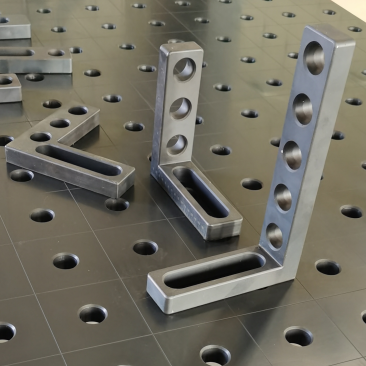
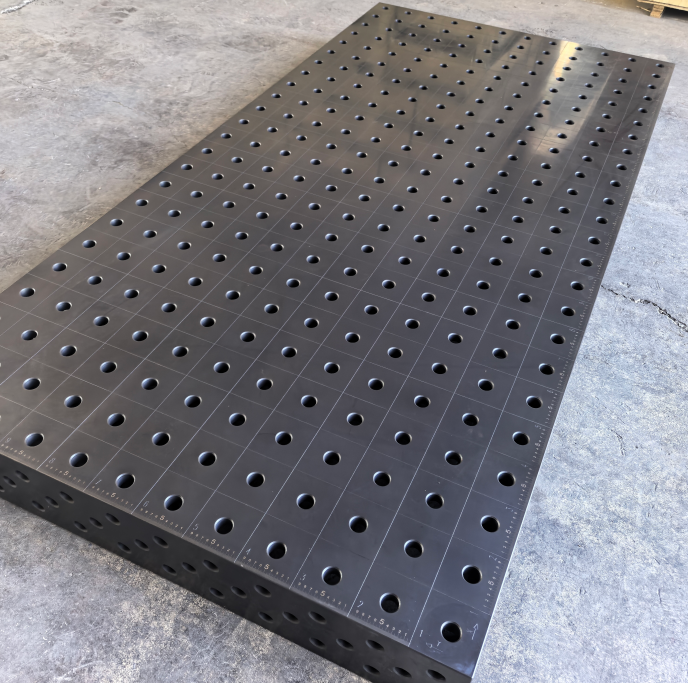
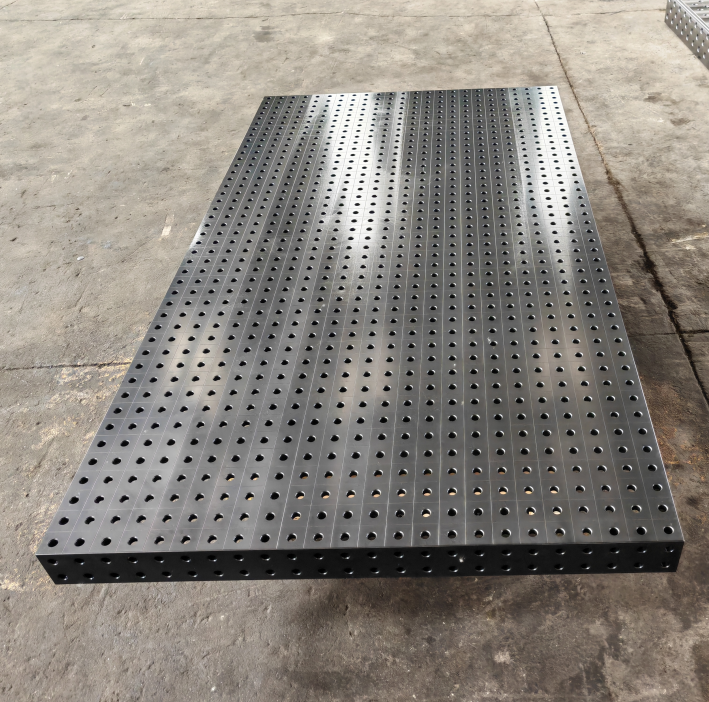
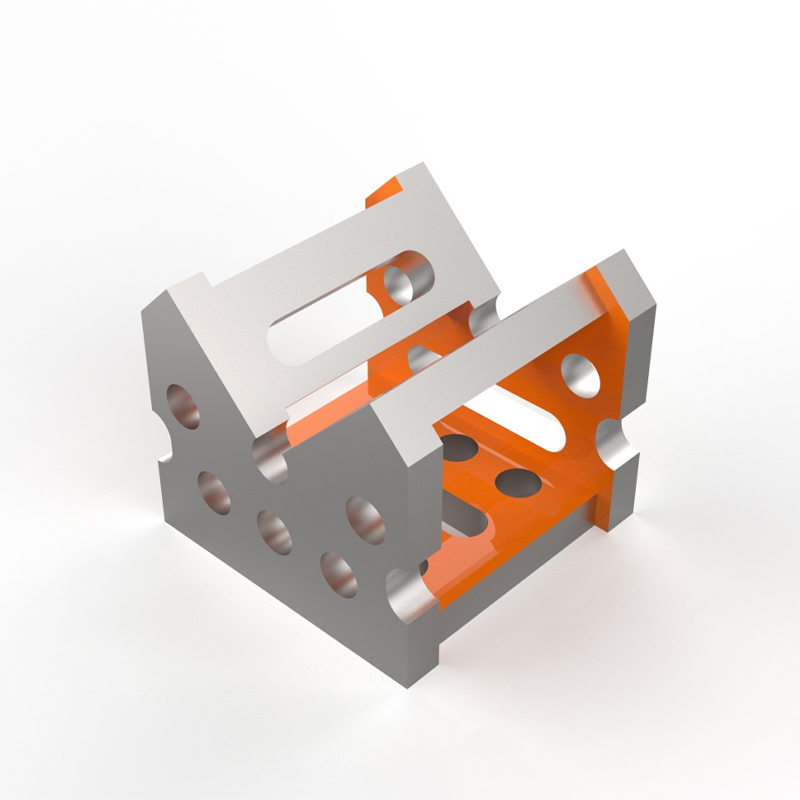
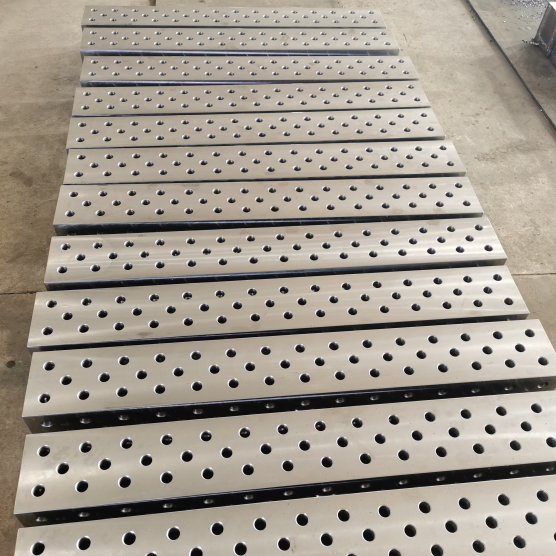
However, the utility of cast aluminum extends beyond the final component; it plays a vital role in the manufacturing infrastructure itself. Companies like Botou Haijun Metal Products Co., Ltd. exemplify this synergy by specializing in high-precision flexible modular fixtures and metalworking tools designed to support the modern manufacturing industry. While they do not produce the cast aluminum end-products discussed above, their core offerings—such as 2D and 3D flexible welding platforms—are essential for assembling and positioning the very aluminum structures created through the casting processes described earlier. Renowned for exceptional versatility and precision, Haijun Metal’s platforms have become preferred jigging equipment in the machining, automotive, and aerospace sectors. Their comprehensive range of complementary components, including U-shaped and L-shaped multi-purpose square boxes, 200-series support angle irons, and 0-225° universal angle gauges, integrates seamlessly to enable rapid workpiece positioning. Furthermore, their professional cast iron 3D welding platforms and angle connection blocks ensure the durability and stability required when handling heavy or complex cast assemblies. With years of industry experience, Haijun Metal serves as a trusted partner for domestic and international customers, providing the high-quality tooling necessary to maximize the potential of advanced manufacturing workflows.
Quality Control and Certification Standards
Ensuring the reliability of cast aluminum parts requires a rigorous quality control (QC) framework. In 2026, adherence to international standards such as ISO 9001 and industry-specific certifications like IATF 16949 for automotive is mandatory for reputable suppliers. These frameworks govern everything from raw material intake to final shipment.
Non-Destructive Testing (NDT) plays a pivotal role in verifying internal integrity without damaging the part. Techniques such as X-ray radiography and ultrasonic testing detect internal voids, cracks, or inclusions that could compromise performance. Visual inspection and dye penetrant testing are standard for identifying surface defects.
Mechanical testing is conducted on sample coupons cast alongside production parts to verify tensile strength, yield strength, and elongation. Spectrometry is used to confirm the chemical composition of the melt, ensuring it falls within the specified alloy range. These data points are often recorded digitally and made available to customers via blockchain-enabled traceability systems.
Common Defects and Mitigation Strategies
Even with advanced controls, casting defects can occur. Understanding these potential issues helps buyers evaluate supplier capabilities and set realistic acceptance criteria. Proactive mitigation is key to maintaining high yield rates and controlling costs.
- Porosity: Caused by trapped gas or shrinkage during solidification. Mitigated by optimizing gating systems, vacuum assistance, and proper venting in the mold.
- Cold Shuts: Occur when two streams of molten metal meet but fail to fuse. Prevented by increasing melt temperature or improving flow dynamics through runner design.
- Misruns: Happen when the metal solidifies before filling the cavity completely. Addressed by adjusting injection speed and ensuring adequate metal volume.
- Warpage: Dimensional distortion due to uneven cooling. Controlled through uniform wall thickness design and optimized quenching processes.
- Inclusions: Foreign materials trapped in the casting. Reduced by effective filtration of the molten metal and maintaining a clean melting environment.
A competent factory will not only detect these defects but also analyze root causes to prevent recurrence. Continuous improvement programs, such as Six Sigma, are commonly employed to systematically reduce defect rates over time, enhancing the overall value proposition for the customer.
How to Source Factory Direct: A Step-by-Step Guide
Sourcing cast aluminum parts directly from the factory eliminates middleman markups and fosters a more collaborative engineering relationship. However, navigating the global supply chain requires a structured approach to ensure you partner with a capable and reliable manufacturer.
The first step is defining your technical requirements clearly. This includes detailed CAD drawings, material specifications, tolerance ranges, and expected annual volumes. Ambiguity at this stage leads to quote variances and production delays later. Prepare a comprehensive Request for Quotation (RFQ) package.
Next, identify potential suppliers through industry directories, trade shows, or verified B2B platforms. Look for manufacturers with specific experience in your industry sector. A foundry specializing in jewelry casting may not be suitable for automotive structural components, even if they work with aluminum.
Conduct a thorough vetting process. Request audits of their facility, review their quality certifications, and ask for references from current clients. If possible, visit the factory in person or arrange a virtual tour to observe their equipment, cleanliness, and operational workflow firsthand.
Negotiation and Partnership Establishment
Once a shortlist is created, engage in detailed discussions regarding pricing, lead times, and payment terms. Focus on total cost of ownership rather than just unit price. Consider factors like shipping logistics, packaging requirements, and warranty policies. Transparent communication builds the foundation for a long-term partnership.
Initiate the relationship with a pilot run or prototype order. This allows you to validate the supplier’s capabilities on a smaller scale before committing to mass production. Evaluate the samples rigorously against your specifications and provide constructive feedback for refinement.
Establish clear communication channels and regular review meetings. Supply chains are dynamic, and having a direct line to the factory management ensures quick resolution of any issues that arise. A strong partnership evolves into a strategic alliance where the supplier contributes ideas for design optimization and cost reduction.
Future Outlook: Sustainability and Innovation
The future of cast aluminum parts is inextricably linked to sustainability. As global regulations tighten on carbon emissions, the aluminum industry is pivoting towards low-carbon production methods. The use of recycled aluminum, which requires only 5% of the energy needed to produce primary aluminum, is becoming a standard practice rather than an exception.
Innovation in alloy development continues to push boundaries. New formulations are being designed to offer higher strength at elevated temperatures, expanding the applicability of aluminum into areas previously dominated by steel or magnesium. These advanced materials enable lighter, more efficient designs across all sectors.
Digitalization is transforming the foundry floor. Industry 4.0 technologies, including IoT sensors and AI-driven analytics, allow for real-time monitoring of casting parameters. This predictive capability minimizes downtime, optimizes energy usage, and ensures consistent quality, setting a new benchmark for manufacturing excellence in 2026 and beyond.
Frequently Asked Questions (FAQ)
What is the typical lead time for custom cast aluminum parts?
Lead times vary based on complexity and volume. Prototype molds can take 2-4 weeks, while production tooling may require 6-10 weeks. Once tooling is ready, production runs typically ship within 2-3 weeks depending on order size.
Can cast aluminum parts be welded?
Yes, many aluminum alloys are weldable, though some cast alloys are more prone to cracking. TIG and MIG welding are common methods. It is essential to select an alloy specifically rated for welding if post-casting fabrication is required.
How does the cost of cast aluminum compare to machined aluminum?
For low volumes, machining is often cheaper due to low tooling costs. However, for medium to high volumes, casting is significantly more cost-effective because it minimizes material waste and reduces machining time per unit.
What surface finishes are available for cast aluminum?
Common finishes include bead blasting, powder coating, e-coating, anodizing, and painting. The as-cast surface can also be polished for aesthetic applications. The choice depends on the desired appearance and environmental protection needs.
Is recycled aluminum as strong as virgin aluminum?
Recycled aluminum retains the same physical properties as virgin material when processed correctly. In fact, modern refining techniques allow recycled content to meet the same stringent aerospace and automotive standards as primary aluminum.
Conclusion and Strategic Recommendations
The landscape for cast aluminum parts in 2026 offers unprecedented opportunities for businesses seeking lightweight, durable, and cost-efficient solutions. By leveraging factory-direct supply chains, organizations can bypass traditional markups and gain access to cutting-edge manufacturing technologies. The convergence of advanced alloys, automated production, and sustainable practices defines the current market trajectory.
This approach is ideally suited for automotive manufacturers, electronics designers, and industrial equipment builders who require high-volume precision components. Companies prioritizing supply chain resilience and total cost optimization will find the most value in establishing direct partnerships with certified foundries. Moreover, investing in high-quality supporting infrastructure, such as the flexible modular fixtures offered by specialists like Botou Haijun Metal Products, ensures that the assembly and integration of these cast components are performed with maximum efficiency and precision.
To move forward, assess your current component portfolio for casting opportunities. Engage with potential suppliers early in the design phase to maximize DFM benefits. Prioritize partners who demonstrate a commitment to quality certification and environmental stewardship. Taking these steps will position your organization to capitalize on the evolving advantages of modern aluminum casting technology.