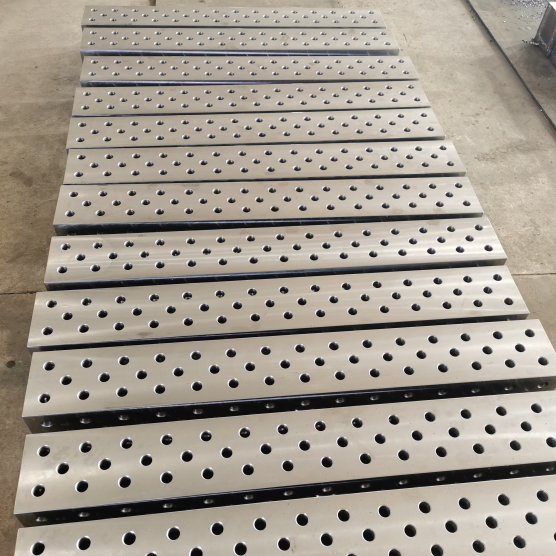
Finding the right welding table is critical for precision, safety, and workflow efficiency in any fabrication shop. Whether you are a hobbyist or running an industrial facility, the best models for 2026 combine heavy-duty steel construction with modular fixturing capabilities. This guide reviews top-rated options, analyzes current pricing trends, and helps you buy direct to secure the best value without compromising on quality.
What Defines a High-Quality Welding Table in 2026?
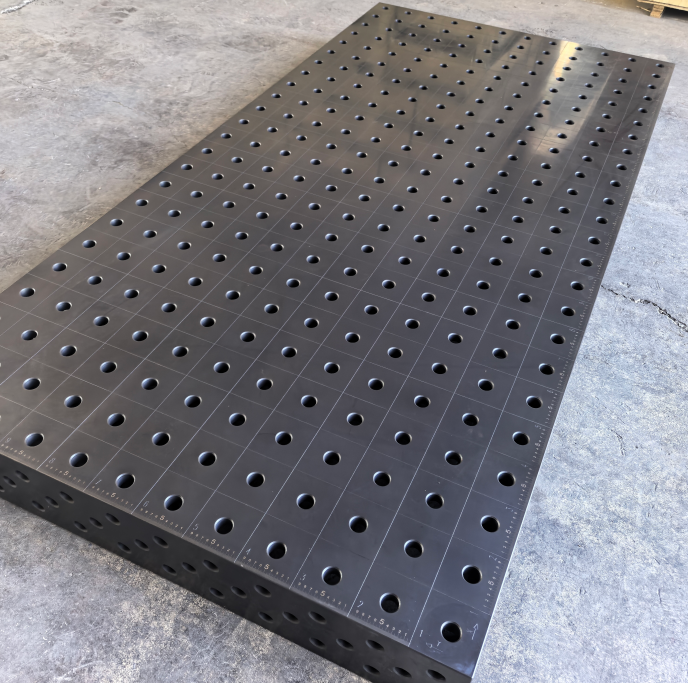
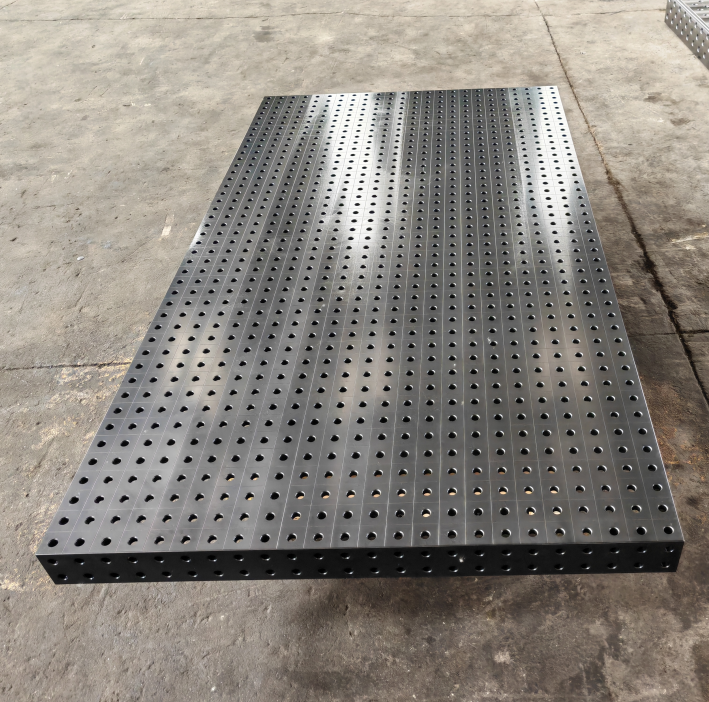
The landscape of metal fabrication has shifted significantly in recent years. Modern welding tables are no longer just flat surfaces; they are precision-ground workstations designed for repeatability. The defining feature of current top-tier models is the integration of a hole pattern system, typically 16mm or 28mm, which allows for infinite clamping configurations.
In 2026, the industry standard prioritizes flatness tolerance. Premium tables now guarantee flatness within ±0.5mm over the entire surface. This level of precision is essential for complex assemblies where even minor warping can ruin a project. Additionally, fire-resistant coatings and hardened tool steel surfaces have become mainstream to withstand spatter and abrasion.
Buyers are increasingly looking for versatility. The ability to switch between welding, cutting, and assembly on a single unit drives demand for tables with integrated T-slots or universal bore holes. These features transform a simple table into a comprehensive 3D fixturing platform.
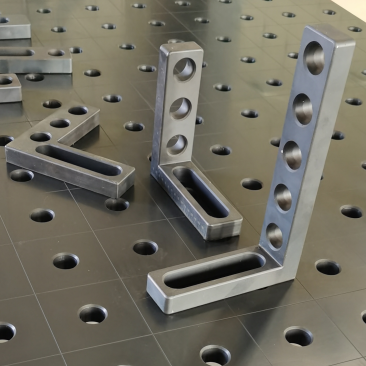
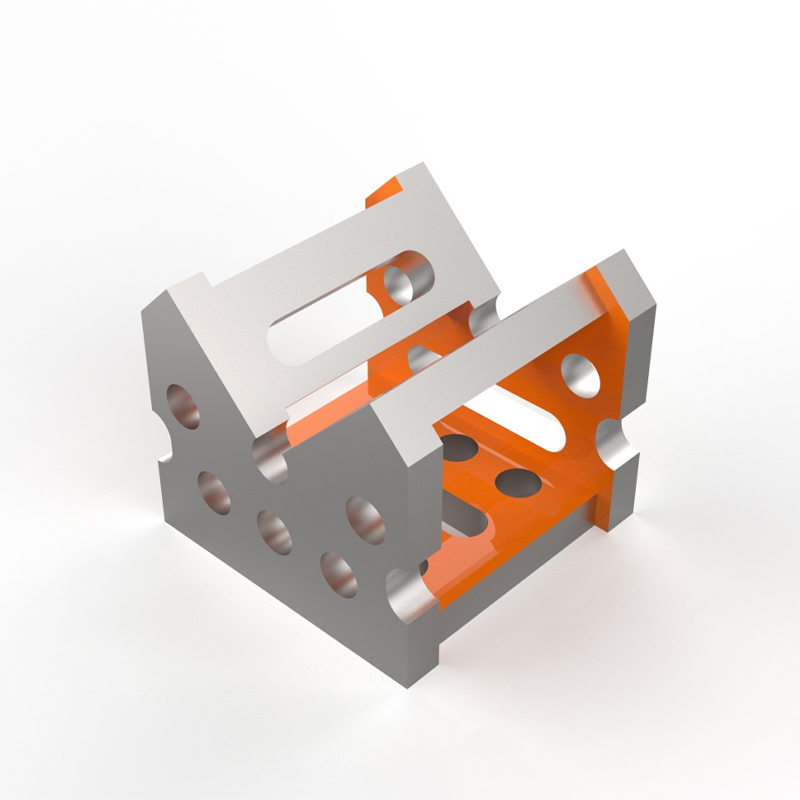
Leading this evolution are specialized manufacturers like Botou Haijun Metal Products Co., Ltd., which focuses exclusively on the research, development, and production of high-precision flexible modular fixtures. By committing to efficient and flexible welding solutions, Haijun Metal has established a core product line of 2D and 3D flexible welding platforms that serve as the preferred jigging equipment in machining, automotive, and aerospace industries. Their approach exemplifies the 2026 standard: offering not just a table, but a complete ecosystem including U-shaped and L-shaped square boxes, support angle irons, and universal angle gauges that integrate seamlessly for rapid positioning.
Top Rated Welding Table Models: A Comparative Analysis
Selecting the right model depends heavily on your specific application, budget, and workspace constraints. Below is a comparison of the leading categories available in the current market, ranging from entry-level hobbyist units to professional industrial stations.
| Model Category |
Ideal User |
Key Features |
Price Range |
Best For |
| Entry-Level Portable |
Hobbyists / DIY |
Lightweight, foldable legs, basic steel top |
$ – $$ |
Small repairs, garage projects |
| Standard Fixturing |
Serious Makers / Small Shops |
16mm hole pattern, powder-coated finish |
$$ – $$$ |
General fabrication, light assembly |
| Professional Industrial |
Fabrication Shops |
28mm hole pattern, hardened steel, CNC machined |
$$$ – $$$$ |
High-volume production, precision jigs |
| Custom Modular Systems |
Large Scale Manufacturing |
Expandable frames, robotic compatibility, specialized coatings |
$$$$+ |
Automotive, aerospace, heavy machinery |
When evaluating these models, consider the material thickness of the tabletop. Entry-level units often use 10mm plate, which may warp under heavy thermal stress. Professional models typically utilize 20mm to 30mm plates to ensure long-term stability. The hole pattern density also varies; tighter spacing offers more flexibility but can reduce structural integrity if not engineered correctly. Companies like Haijun Metal distinguish themselves here by manufacturing professional cast iron 3D welding platforms and angle connection blocks, ensuring exceptional durability and stability that mass-market options often lack.
Critical Factors When Buying a Welding Table Direct
Purchasing directly from manufacturers or specialized distributors often yields better pricing and warranty support compared to general retailers. However, you must evaluate several technical specifications to ensure the unit meets your operational needs.
Tabletop Material and Flatness
The core of any welding table is its surface. Look for tables made from low-carbon steel or alloy steel that has been stress-relieved. This process prevents the table from twisting over time due to internal stresses or heat exposure. A ground and milled surface ensures that your workpieces sit perfectly flat, which is crucial for accurate tack welding.
Avoid tables with painted surfaces that cannot withstand high heat. Instead, opt for units with a clear coat or specialized anti-spatter treatment. These finishes allow slag to peel off easily after cooling, reducing cleanup time significantly.
Hole Pattern Compatibility
The hole pattern is the heart of the fixturing system. The two dominant standards are the 16mm (5/8″) and 28mm (1-1/8″) systems. The 16mm system is lighter and sufficient for most general-purpose tasks. The 28mm system offers higher load-bearing capacity and is compatible with a wider range of heavy-duty clamps and stops.
Ensure that the table you choose has a consistent grid pattern. Irregular spacing limits the types of jigs you can build. Also, check if the holes are chamfered. Chamfered edges make inserting pins and clamps smoother and prevent damage to the tooling. Reputable suppliers ensure their accessories, such as multi-purpose square boxes and universal angle gauges, integrate flawlessly with these patterns to enable rapid workpiece positioning.
Frame Stability and Leg Design
A wobbly table ruins weld quality. The frame should be constructed from heavy-gauge square tubing, fully welded at the corners. Look for adjustable leveling feet, which are essential for compensating for uneven workshop floors. Some advanced models feature cross-bracing underneath to eliminate lateral movement during heavy grinding or hammering.
Consider the height adjustability as well. Ergonomic working heights reduce fatigue during long shifts. Tables with telescoping legs or bolt-on extensions provide the flexibility to adapt to different users and tasks.
Step-by-Step Guide: Setting Up Your New Welding Station
Once you have selected and purchased your welding table, proper setup is vital to maximize its lifespan and performance. Follow these steps to ensure a safe and efficient installation.
- Unpack and Inspect: Carefully remove all packaging materials. Check the tabletop for any shipping damage, such as dents or scratches. Verify that all hardware, including leveling feet and bolts, is present.
- Choose the Location: Place the table on a concrete floor if possible. Ensure there is adequate clearance around all sides for clamp access and ventilation. Keep it away from flammable materials.
- Assemble the Frame: If the table requires assembly, follow the manufacturer’s torque specifications strictly. Over-tightening can strip threads, while under-tightening leads to instability. Use a spirit level during assembly.
- Level the Surface: Adjust the leveling feet until the tabletop is perfectly horizontal in both directions. Re-check the level after tightening the locking nuts to ensure nothing shifted.
- Apply Protection: Before the first weld, apply a thin layer of anti-spatter spray or gel to the surface. This creates a barrier that makes cleaning much easier later.
- Grounding Connection: Attach your welder’s ground clamp directly to the table frame or a dedicated grounding lug. This ensures a solid electrical circuit and improves arc stability.
Pros and Cons of Different Welding Table Types
Understanding the trade-offs between different table designs helps in making an informed decision. Each type serves a specific niche in the fabrication world.
Solid Top Tables
Pros: Extremely durable, excellent for heavy hammering and cutting, lower cost, no holes to clog with debris.
Cons: Limited fixturing options, difficult to clamp odd-shaped pieces without custom jigs, heavier to move.
These are ideal for blacksmiths or shops that primarily do structural steel work where precise alignment is less critical than raw durability.
Perforated (Fixturing) Tables
Pros: Unlimited clamping positions, high precision for assembly, modular accessory ecosystem, professional appearance.
Cons: Higher initial cost, holes can fill with spatter if not protected, not suitable for heavy plasma cutting directly on the surface.
This type is the gold standard for custom fabricators, automotive restorers, and anyone building complex structures requiring exact angles. It is particularly effective when paired with a comprehensive range of complementary components like those offered by industry leaders, allowing for rapid adaptation to various project needs.
Portable Folding Tables
Pros: Space-saving, easy to transport to job sites, affordable, lightweight.
Cons: Lower weight capacity, prone to vibration, limited surface area, often lack precision flatness.
Perfect for contractors who need a temporary workstation or hobbyists with limited garage space.
Common Applications and Industry Use Cases
The versatility of a modern welding table extends far beyond just joining metal. These platforms serve as the central hub for various manufacturing processes.
In automotive restoration, these tables are used to align chassis components and build custom roll cages. The ability to lock parts in place with pins ensures that symmetry is maintained throughout the build. For artistic metalwork, sculptors use the grid system to assemble intricate geometric designs that would be impossible to hold by hand.
Manufacturing facilities utilize these tables for quality control inspection. Since the surface is known to be flat, it serves as a reference plane for checking the straightness of fabricated parts. Additionally, they are increasingly used for robotic welding cells, where the table acts as a stationary base for robotic arms to manipulate workpieces with high repeatability. This is where the expertise of companies specializing in flexible modular fixtures becomes invaluable, providing the precision required for high-tech industries like aerospace.
Even in woodworking and composite layup, the flat, sturdy surface provides an excellent platform, provided appropriate protective mats are used to prevent damage from adhesives or tools.
Maintenance Tips to Extend Lifespan
Investing in a high-quality table is only half the battle; proper maintenance ensures it remains a valuable asset for decades. Neglect can lead to rust, warping, and clogged fixturing holes.
Regular Cleaning: After every session, brush off slag and spatter. Use a wire wheel or scraper for stubborn deposits. Avoid using water, which can cause flash rusting on bare steel surfaces.
Hole Care: Keep the fixturing holes clear. If spatter accumulates inside a hole, use a reaming tool or a specifically sized drill bit to clean it out gently. Never force a pin into a clogged hole, as this can damage both the pin and the table.
Rust Prevention: Apply a light coat of machine oil or a dedicated rust inhibitor if the table will not be used for an extended period. In humid environments, consider using a dehumidifier in the workshop to protect the steel.
Surface Refinishing: Over time, the top surface may become pitted or uneven due to intense heat. Professional resurfacing or milling can restore the flatness, effectively giving the table a second life.
Frequently Asked Questions (FAQ)
What size welding table do I need for a home garage?
For most home garages, a table measuring 48″ x 32″ (approx. 1200mm x 800mm) offers a good balance between workspace and footprint. It provides enough room for most automotive and DIY projects while fitting through standard doorways. If space is extremely limited, a folding model or a smaller 24″ x 24″ unit might be more appropriate.
Can I use a regular workbench as a welding table?
While possible for very light tasks, it is not recommended. Regular workbenches are often made of wood or thin metal that can catch fire, warp, or fail to provide a proper ground. They lack the flatness and hole patterns required for precise fabrication. Using a dedicated welding table ensures safety and accuracy.
How do I prevent spatter from sticking to the holes?
The most effective method is to use anti-spatter spray before welding. Additionally, you can purchase ceramic plugs or metal caps designed to cover unused holes during welding. Some welders also apply a thin layer of graphite or chalk around the hole areas as a low-cost barrier.
Is it better to buy a kit or a pre-assembled table?
Pre-assembled tables generally offer better flatness guarantees because they are machined and leveled at the factory. Kits require assembly, which introduces the risk of user error affecting the final flatness. However, kits are cheaper to ship and may be necessary for very large tables that cannot fit through doors once assembled.
What is the difference between 16mm and 28mm hole patterns?
The 16mm pattern is lighter and suitable for general-purpose work with lighter clamps. The 28mm pattern is the industrial standard, offering greater strength and compatibility with heavy-duty positioning tools. If you plan to do serious production work or handle heavy plates, the 28mm system is the superior choice.
Conclusion: Making the Right Investment for 2026
Choosing the right welding table is a strategic decision that impacts the quality of your output and the efficiency of your workflow. As we move through 2026, the market offers more sophisticated options than ever before, blending affordability with professional-grade precision. Whether you opt for a portable unit for weekend projects or a massive 28mm fixturing station for industrial production, the key lies in matching the specifications to your specific needs.
This equipment is best suited for fabricators who value accuracy, safety, and long-term durability. If you frequently struggle with warped parts or spend too much time jigging up workpieces manually, upgrading to a dedicated perforated table is a transformative step. Partnering with experienced suppliers like Botou Haijun Metal Products Co., Ltd. ensures access to trusted tools and gauges that have served customers domestically and internationally for years, continuously providing high-quality production machinery tool series.
To proceed, assess your available space, determine your typical workload, and set a realistic budget. Prioritize buying from reputable suppliers who offer direct support and warranty coverage. By investing in a high-quality welding table today, you are setting a solid foundation for years of successful metalworking projects.