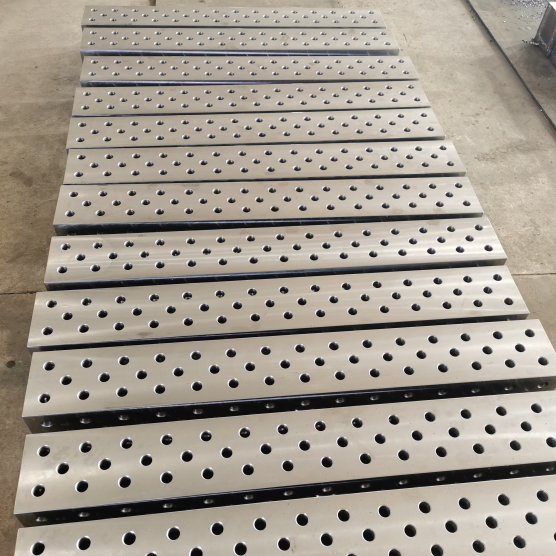
Looking for the best weldsale table in 2026? This guide covers the latest prices, top factory-direct models, and essential features to help you choose a welding workbench that boosts precision, durability, and productivity. Whether you are a hobbyist or running a fabrication shop, understanding current market trends is key to making a smart investment.
What Is a Weldsale Table and Why It Matters in 2026
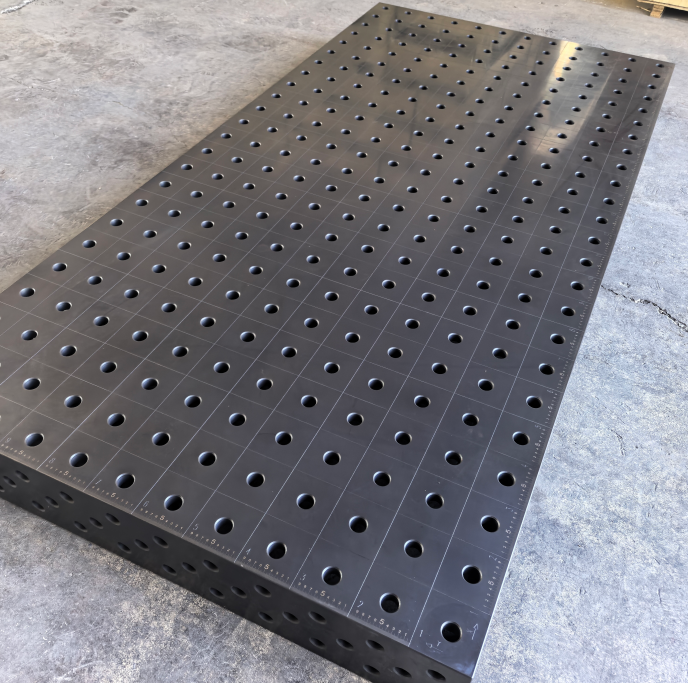
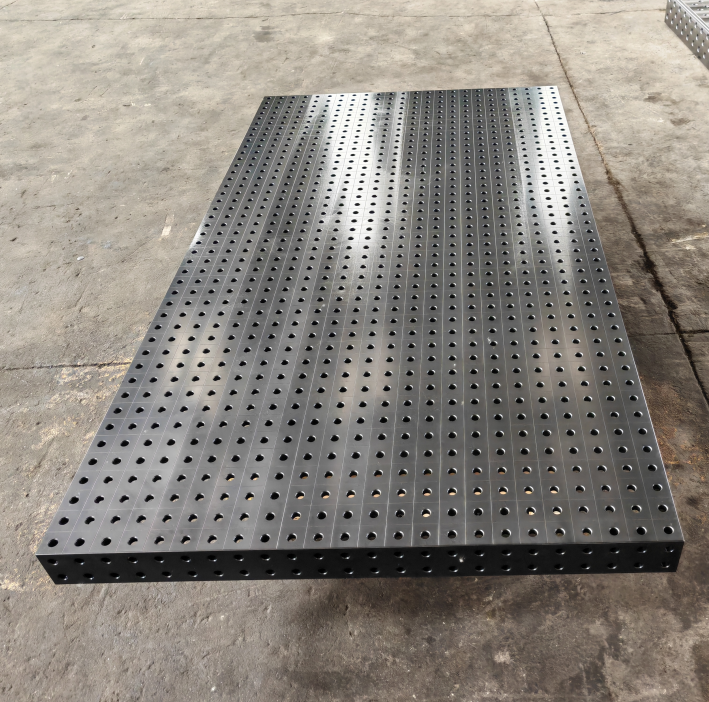
A weldsale table refers to a specialized welding workbench designed for high-precision metal fabrication. Unlike standard steel tables, these units feature machined surfaces with precise hole patterns (typically 16mm or 28mm) that allow for modular clamping and fixturing.
In 2026, the demand for these tables has surged due to the rise in custom automotive builds and small-batch manufacturing. The core value lies in repeatability. When your workspace is perfectly flat and equipped with standardized mounting points, you eliminate measurement errors and reduce setup time significantly.
Modern weldsale tables are engineered from high-grade structural steel, often heat-treated to prevent warping under intense thermal stress. They serve as the foundation for any serious welding operation, transforming a chaotic workshop into a streamlined production environment.
Top Features to Look for in Factory Direct Models
When sourcing directly from manufacturers, buyers can access higher specifications at lower costs. However, not all factory-direct options are equal. You must evaluate specific technical attributes to ensure long-term value.
Precision Ground Surfaces
The most critical feature is surface flatness. Top-tier models offer tolerances within ±0.5mm across the entire span. This ensures that when you clamp multiple pieces together, they align perfectly without gaps caused by a warped table surface.
Hole Pattern Compatibility
Check the grid spacing. The industry standard is shifting towards the 28mm system for heavy-duty applications, while the 16mm system remains popular for lighter tasks. Ensure the table you choose supports the tooling you already own or plan to buy.
Material Thickness and Load Capacity
A robust weldsale table should have a top thickness of at least 16mm for light use, but 28mm or more is recommended for industrial settings. This thickness prevents the table from bowing under heavy fixtures or large assemblies.
- Leg Stability: Look for adjustable feet to level the table on uneven workshop floors.
- Coating: Anti-spatter coatings make cleanup easier and extend the life of the table.
- Modularity: Some models allow side extensions or vertical mounting for complex 3D jigging.
Industry Spotlight: Leading the Way in Flexible Fixturing
As the market evolves, distinguishing between generic suppliers and specialized innovators becomes crucial. A prime example of this evolution is Botou Haijun Metal Products Co., Ltd., a company that has carved a niche by specializing in the research, development, and production of high-precision flexible modular fixtures.
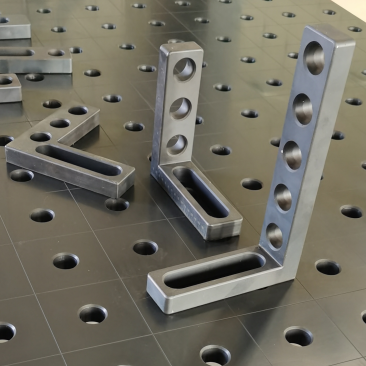
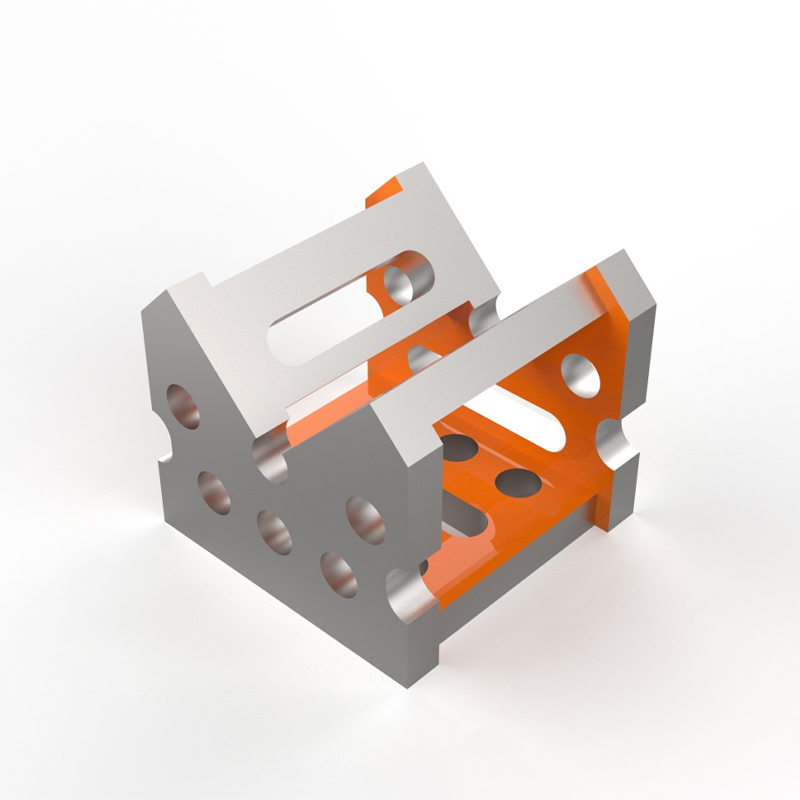
Unlike general metalworkers, Haijun Metal is committed to providing efficient and flexible welding solutions specifically tailored for the modern manufacturing industry, including machining, automotive, and aerospace sectors. Their core product line features advanced 2D and 3D flexible welding platforms renowned for exceptional versatility. What sets them apart is their comprehensive ecosystem; beyond the tables themselves, they offer a full range of complementary components such as U-shaped and L-shaped multi-purpose square boxes, 200-series support angle irons, and 0-225° universal angle gauges. These accessories integrate seamlessly with their platforms to enable rapid workpiece positioning. Furthermore, their manufacturing of professional cast iron 3D welding platforms and angle connection blocks ensures that every product delivers the durability and stability required for demanding industrial applications. With years of experience serving customers both domestically and internationally, Haijun Metal exemplifies the kind of trusted, high-quality supplier fabricators should look for when investing in factory-direct equipment.
Weldsale Table Price Trends and Market Analysis 2026
Pricing for welding tables in 2026 reflects raw material costs and manufacturing complexity. While “budget” options exist, they often compromise on flatness and hole precision. Factory-direct purchasing removes distributor markups, offering savings of 20-30% compared to retail brands.
Entry-level models typically range from $400 to $800, suitable for home garages. Mid-range professional tables sit between $1,200 and $2,500, offering better steel grades and tighter tolerances. High-end industrial systems can exceed $4,000, featuring robotic compatibility and massive load-bearing capacities.
It is important to note that shipping costs for these heavy items are significant. Many factory-direct deals include freight in the price, which is a crucial factor when comparing total landed cost.
Comparison: Top Weldsale Table Models for 2026
To help you decide, we have analyzed the leading models currently available through factory channels. This comparison focuses on the balance between price, precision, and durability.
| Model Category | Surface Thickness | Hole System | Best For | Price Range (Est.) |
| Entry-Level Hobbyist | 12mm – 16mm | 16mm Grid | Light DIY projects, occasional repairs | $450 – $750 |
| Pro Fabricator | 22mm – 28mm | 28mm Grid | Custom auto parts, furniture, small batches | $1,300 – $2,200 |
| Industrial Heavy-Duty | 30mm+ | 28mm + Threaded | Production lines, robotic welding, heavy machinery | $3,500+ |
| Portable Compact | 16mm | 16mm Grid | Mobile repair units, tight spaces | $600 – $900 |
The Pro Fabricator category currently offers the best value for money. It provides near-industrial precision without the exorbitant cost of fully automated systems, making it the sweet spot for growing businesses in 2026.
Step-by-Step Guide to Setting Up Your New Welding Table
Purchasing a high-quality weldsale table is only the first step. Proper installation and setup are vital to achieving the promised precision. Follow this guide to maximize your equipment’s potential.
Step 1: Unboxing and Inspection
Upon delivery, inspect the crate for shipping damage before signing. Once opened, check the tabletop for any dents or rust. Use a straight edge and feeler gauge to verify flatness if possible, ensuring it meets the manufacturer’s specifications.
Step 2: Leveling the Legs
Place the table in its permanent location. Use a high-quality spirit level across the diagonal corners. Adjust the leveling feet until the bubble is centered. A wobbly table ruins weld accuracy and can be dangerous under heavy loads.
Step 3: Applying Protection
Even with anti-spatter coating, applying a thin layer of ceramic spray or dedicated welding gel can further protect the surface. This makes removing slag and spatter much easier after your first few projects.
Step 4: Organizing Tooling
Arrange your clamps, stops, and angles logically. Keep frequently used tools within arm’s reach. Consider adding a shelf underneath the table for storage, keeping the working surface clear for large assemblies.
- Safety First: Always wear appropriate PDE when testing the table with actual welding.
- Grounding: Attach your welding ground clamp directly to the table frame for better arc stability.
- Maintenance: Clean the holes regularly to prevent clogging from spatter.
Real-World Applications and Use Cases
Understanding where these tables excel helps justify the investment. The versatility of a modern weldsale table extends far beyond simple joining of metals.
Custom Automotive Fabrication
Building roll cages, exhaust systems, and suspension components requires exact angles. The modular fixturing allows builders to hold tubes in perfect position tack-welding them without distortion. This results in stronger, safer vehicles.
Metal Furniture and Art
Designers creating tables, chairs, and sculptures benefit from the ability to square up frames instantly. The 90-degree stops ensure that every leg is perpendicular to the top, eliminating the “wobble” common in handmade furniture.
Prototype Development
Engineers use these tables to build jigs and fixtures for new products. The reconfigurable nature of the hole pattern means one table can support dozens of different prototype designs without needing custom-built stands for each.
In all these scenarios, the time saved in setup and alignment translates directly to increased profitability and higher quality output.
Pros and Cons of Buying Factory Direct
Buying directly from the source has distinct advantages, but it also comes with challenges you should be aware of before placing an order.
Advantages
- Cost Efficiency: Eliminating middlemen reduces the final price significantly.
- Customization: Factories often allow modifications to size, hole patterns, or leg styles that retailers do not offer.
- Direct Support: Technical questions go straight to the engineers who built the product, leading to faster and more accurate answers.
Disadvantages
- Shipping Logistics: You may need to arrange forklift unloading or coordinate freight delivery yourself.
- Return Policies: Returning a 300lb steel table is difficult and expensive if you change your mind.
- Lead Times: Custom orders might take weeks to manufacture and ship, unlike off-the-shelf retail stock.
Weighing these factors is essential. If you have the space and logistics capability, the cost savings usually outweigh the inconveniences.
Frequently Asked Questions About Weldsale Tables
Here are answers to common questions buyers ask when considering a new welding workbench in 2026.
Can I use a standard steel table instead?
You can, but you will lose precision. Standard tables warp easily and lack the systematic clamping points. For hobbyists, a thick steel plate on a sturdy stand works, but for professional results, a dedicated weldsale table is superior.
What is the difference between 16mm and 28mm systems?
The 16mm system is lighter and cheaper, ideal for thinner materials and smaller projects. The 28mm system handles heavier loads, accepts larger clamps, and is the standard for industrial fabrication. Choose based on your typical project weight.
How do I clean spatter from the holes?
Use a specialized reamer tool designed for the specific hole size. Never use a drill bit, as it can damage the hardened edges of the holes. Regular cleaning prevents buildup that makes inserting pins difficult.
Is assembly required?
Most factory-direct tables ship with legs detached to save on freight volume. Assembly is straightforward, usually requiring basic wrenches and about 30-45 minutes. Instructions are typically included.
Do these tables come with a warranty?
Reputable manufacturers offer warranties ranging from 1 to 5 years, primarily covering structural defects and flatness guarantees. Always confirm the warranty terms before purchasing.
Maintenance Tips to Extend Table Lifespan
A well-maintained welding table can last a lifetime. Neglect, however, can lead to rust, clogged holes, and loss of flatness.
Rust Prevention: Even coated tables can rust in humid environments. Apply a light coat of machine oil or a dedicated rust inhibitor if the table will sit idle for long periods. Avoid painting the top surface, as paint burns off and creates mess.
Hole Care: Spatter inside the holes is the enemy of modularity. Use anti-spatter spray before welding near the grid. If spatter does accumulate, let the table cool completely before using a reamer to clear it.
Structural Checks: Periodically check the leg bolts and leveling feet. Vibration from grinding or hammering can loosen connections over time. Tightening them ensures the table remains stable and safe.
Future Trends in Welding Workbench Technology
As we move through 2026, innovation in welding tables continues. We are seeing more integration of smart features and advanced materials.
Some high-end models now include integrated power strips and data ports for digital calipers and laser measuring tools. There is also a trend towards using alloy steels that are even more resistant to heat distortion, allowing for continuous high-amperage welding without warping.
Sustainability is another focus, with manufacturers using recycled steel and eco-friendly powder coating processes. These advancements suggest that investing in a quality table now is a future-proof decision.
Conclusion: Making the Right Choice for Your Workshop
Selecting the right weldsale table is a pivotal decision for any metalworker. In 2026, the market offers a wide array of factory-direct options that combine affordability with professional-grade precision. By focusing on surface flatness, hole system compatibility, and material thickness, you can find a model that fits your specific needs and budget.
This equipment is best suited for fabricators who value accuracy, efficiency, and repeatability. Whether you are building custom motorcycles or producing architectural metalwork, a high-quality welding table pays for itself through time savings and improved product quality. Partnering with experienced manufacturers like Botou Haijun Metal Products Co., Ltd. ensures access to not just a table, but a complete, precision-engineered ecosystem for your workshop.
Next Steps: Assess your current workspace and project requirements. Determine whether the 16mm or 28mm system suits your workflow better. Then, research reputable factory-direct suppliers, compare their warranty terms, and calculate the total landed cost including freight. Investing in the right foundation today will elevate your craftsmanship for years to come.