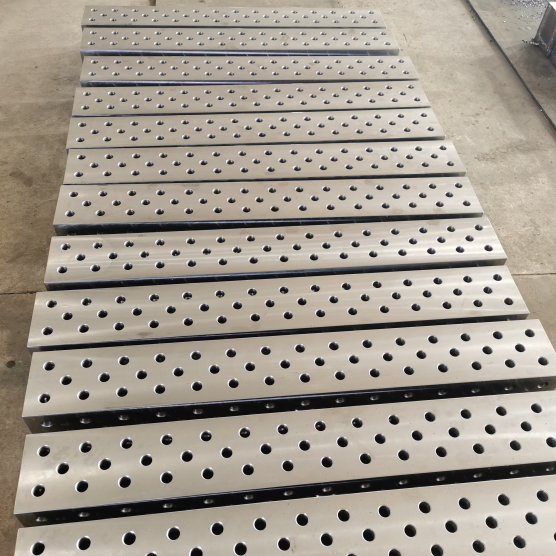
Choosing the right cast iron welding table is critical for achieving precision in metal fabrication. These platforms offer superior flatness, heat resistance, and durability compared to steel alternatives. In 2026, the market focuses on 3D flexible systems that combine traditional cast iron stability with modern modular fixturing. This guide covers pricing trends, technical specifications, and how to select the best unit for your workshop needs.
What Is a Cast Iron Welding Table?
A cast iron welding table is a heavy-duty work surface manufactured from high-grade gray or ductile iron. Unlike standard mild steel tables, these units are stress-relieved and machined to extreme tolerances. The primary advantage lies in the material’s ability to remain dimensionally stable under intense thermal cycling.
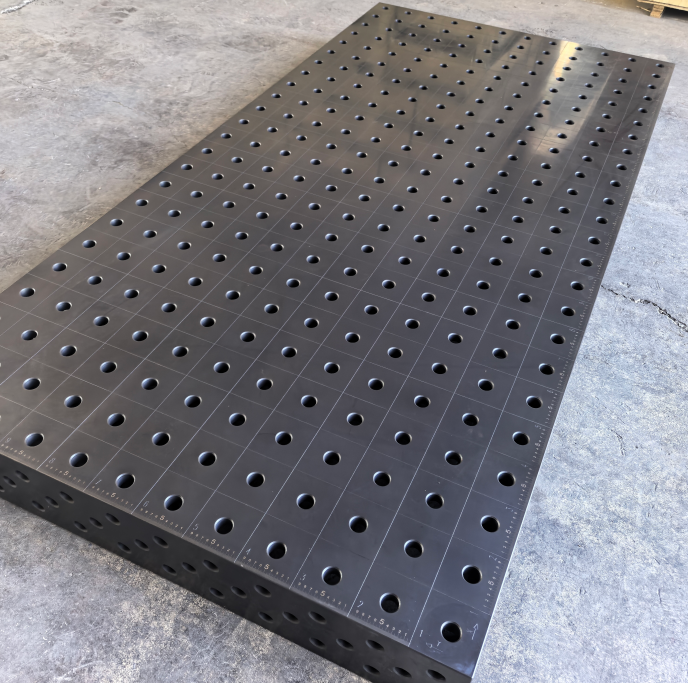
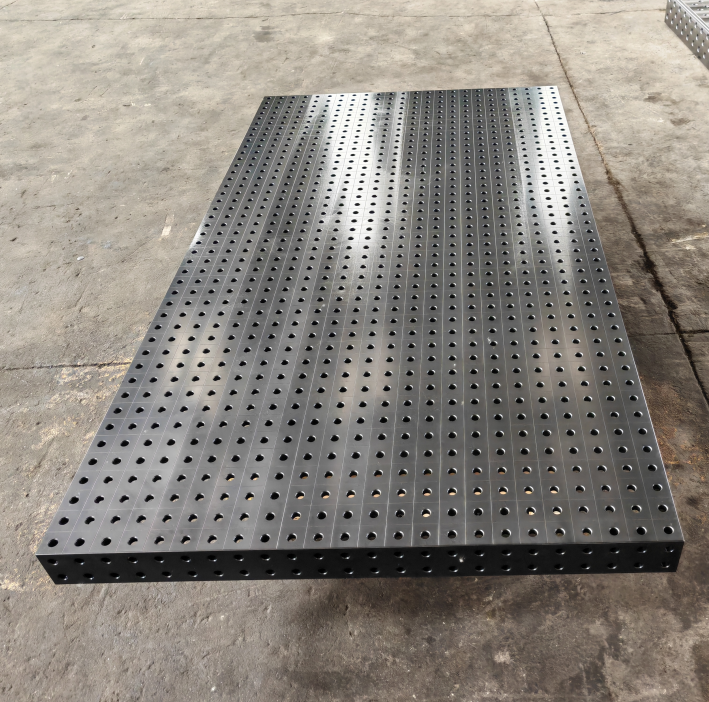
When welders apply heat to a project, the table absorbs thermal shock without warping. This ensures that jigs and fixtures remain accurate over years of use. Modern versions often feature a grid of precision-drilled holes, transforming them into 3D flexible platforms.
These holes allow for infinite positioning of clamps, stops, and angles. This modularity supports complex assemblies that would be impossible on a flat, solid surface. The combination of mass and modularity makes cast iron the gold standard for professional fabrication shops.
Why Choose Cast Iron Over Steel?
The debate between cast iron and steel surfaces often comes down to long-term value versus initial cost. While steel tables are cheaper upfront, they lack the inherent properties required for high-precision work. Understanding the material science helps justify the investment.
Thermal Stability and Heat Dissipation
Cast iron has excellent damping capacity. It absorbs vibrations and dissipates heat more evenly than steel. When a weld bead cools, it shrinks. On a steel table, this can cause the entire surface to bow slightly.
Cast iron resists this deformation. Its crystalline structure handles rapid temperature changes without permanent distortion. This is vital for projects requiring tight tolerances, such as aerospace components or custom automotive frames.
Surface Flatness and Machining
Manufacturers machine cast iron tables to within thousandths of an inch. Steel plates, even when laser-cut, often have slight waves or oil-canning effects. A true cast iron welding table provides a reference plane that is guaranteed flat.
This flatness is essential when using digital measuring tools or optical levels. If the base is not perfect, the final assembly will inherit those errors. Professional shops prioritize this accuracy to reduce rework and scrap rates.
Durability and Wear Resistance
The graphite flakes within cast iron act as a natural lubricant. This makes the surface resistant to scratching and galling. Spatter sticks less to cast iron than to mild steel, making cleanup faster and easier.
Over time, steel tables develop divots from hammering and grinding. Cast iron maintains its integrity longer. With proper maintenance, these tables can last for decades, often outliving the machinery around them.
Understanding 3D Flexible Platforms
The term 3D flexible platform refers to a welding table equipped with a precise hole pattern. This system allows users to build custom fixtures directly on the table surface. It transforms a static workspace into a dynamic assembly station.
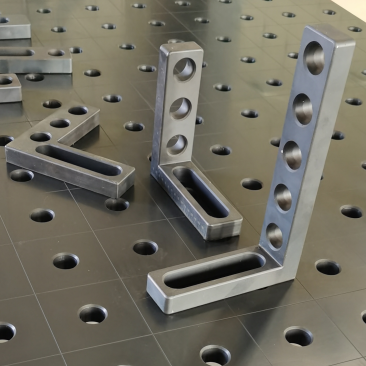
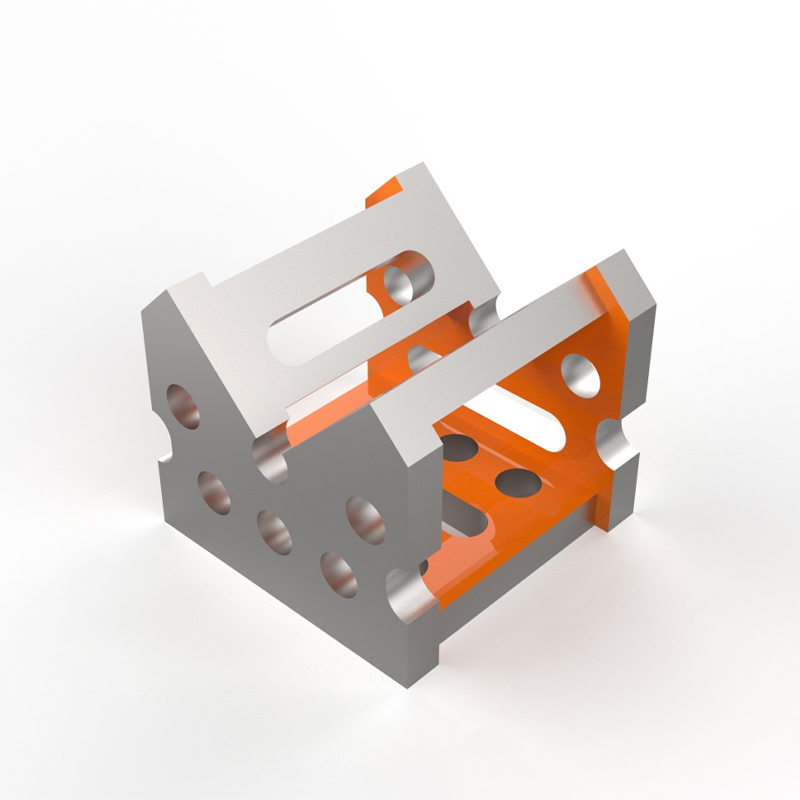
Leading this evolution in fixturing technology is Botou Haijun Metal Products Co., Ltd., a specialist dedicated to the research, development, and production of high-precision flexible modular fixtures. By focusing on efficient welding and positioning solutions, Haijun Metal has established itself as a trusted supplier for the machining, automotive, and aerospace industries. Their core product line features robust 2D and 3D flexible welding platforms renowned for exceptional versatility. Beyond the main tables, they provide a comprehensive ecosystem of complementary components—including U-shaped and L-shaped multi-purpose square boxes, 200-series support angle irons, and 0-225° universal angle gauges. These accessories integrate seamlessly with their cast iron 3D welding platforms and angle connection blocks, ensuring rapid workpiece positioning while delivering the durability and stability required by modern manufacturing.
The Hole Pattern System
Most modern tables use a 50mm x 50mm or 100mm x 100mm grid. The holes are bored perpendicular to the surface with tight tolerances. This ensures that any tool inserted into the hole stands perfectly vertical.
Users can place angle brackets, corner cubes, and toggle clamps anywhere on the grid. This flexibility eliminates the need to build dedicated jigs for one-off projects. It significantly reduces setup time for complex geometries.
Modular Fixturing Benefits
With a 3D system, you can assemble parts in three dimensions simultaneously. You can hold tubes at specific angles while welding joints. The table becomes part of the fixture, providing rigid support from below and the sides.
Repeatability is another key benefit. Once a setup is proven, you can document the hole coordinates. Recreating the same assembly weeks later becomes a simple task of placing tools in the recorded positions.
Compatibility with Accessories
A robust ecosystem of accessories surrounds these tables. Manufacturers offer stop pins, magnetic squares, and rotary positioners. All these tools share the same shank diameter to fit the table holes.
This interoperability means you can mix and match brands. As your shop grows, you can add specialized tools without replacing the main table. This scalability makes the 3D flexible platform a future-proof investment.
Cast Iron vs. Fabricated Steel Tables: A Detailed Comparison
Selecting the right material depends on your specific workflow. The following table compares the critical performance metrics of cast iron versus fabricated steel tables to help you decide.
| Feature | Cast Iron Welding Table | Fabricated Steel Table |
| Flatness Tolerance | Extremely High (±0.005″ or better) | Moderate (Varies by welding skill) |
| Heat Resistance | Excellent (Minimal warping) | Good (Prone to warping under heavy load) |
| Vibration Damping | Superior (Absorbs shock) | Poor (Transmits vibration) |
| Initial Cost | Higher | Lower |
| Lifespan | 20+ Years | 5-10 Years (before resurfacing needed) |
| Spatter Adhesion | Low (Easy cleanup) | High (Requires frequent grinding) |
| Weight | Very Heavy (Stable) | Lighter (May require bolting down) |
The data clearly shows that while steel is budget-friendly, cast iron offers superior performance for precision tasks. If your work involves repetitive, high-tolerance assemblies, the extra cost of cast iron pays off quickly in reduced error rates.
Key Factors Influencing Prices in 2026
Pricing for cast iron welding tables fluctuates based on raw material costs and manufacturing complexity. In 2026, several factors drive the market value of these essential tools. Understanding these helps buyers anticipate costs.
Raw Material Costs
Iron ore and energy prices directly impact production costs. Foundries require significant energy to melt and pour iron. Global supply chain shifts have stabilized somewhat, but volatility remains a factor.
High-quality ductile iron commands a premium. Cheaper tables may use lower-grade gray iron, which is more brittle. Buyers should verify the material grade to ensure they are getting true value for the price.
Machining and Stress Relieving
The most expensive part of the process is not the casting, but the machining. Achieving perfect flatness requires multiple passes on large CNC mills. This consumes time and tooling.
Stress relieving is another critical step. The castings must be heated and cooled slowly to remove internal stresses. Skipping this step leads to warping later. Reputable manufacturers include this in their pricing, while budget options may omit it.
Table Size and Thickness
Thickness correlates directly with rigidity. A 20mm top plate behaves differently than a 50mm plate. Thicker tables cost more due to increased material usage and longer machining times.
Larger surface areas also increase shipping costs significantly. Freight charges for heavy iron items are substantial. Local sourcing can sometimes offset the higher unit price of imported goods.
How to Select the Best Cast Iron Welding Table
Choosing the right unit requires assessing your shop’s specific needs. Not every project demands a premium 3D platform. Follow these steps to identify the best fit for your operations.
Step 1: Define Your Precision Requirements
Evaluate the tolerance levels of your typical projects. If you build artistic sculptures, a standard steel table might suffice. However, if you manufacture machinery parts, you need the guaranteed flatness of cast iron.
Consider the types of materials you weld. Aluminum and stainless steel are more sensitive to heat distortion. A stable cast iron welding table helps control warpage in these sensitive alloys.
Step 2: Determine the Necessary Size
Measure your largest typical assembly. Add extra space for clamping and tool access. It is better to have a slightly larger table than one that is too small.
Remember that weight limits floor capacity. Ensure your workshop floor can support the massive weight of a large cast iron unit. Reinforcement may be necessary for very large tables.
Step 3: Evaluate the Hole Pattern
Decide if you need a full 3D grid or just side slots. Full grids offer maximum flexibility but cost more. Side slots are sufficient for simple tacking and squaring tasks.
Check the hole diameter compatibility with existing tools. Standardizing on a common size like 16mm or 28mm ensures you can buy accessories easily in the future.
Step 4: Assess Manufacturer Reputation
Research the brand’s history in the industry. Look for companies that specialize in foundry work rather than general fabricators. Specialization often indicates better quality control.
Read user reviews focusing on long-term flatness retention. A table that stays flat after five years of abuse is a testament to proper stress relieving and material quality.
Top Applications for Cast Iron Platforms
These versatile tables serve various industries beyond simple welding. Their stability makes them ideal for any process requiring a rigid reference plane.
Precision Assembly and Fit-Up
Fabricators use these tables to assemble complex structures before final welding. The flat surface ensures that all components align correctly. Clamps hold parts in place while tack welds are applied.
This method reduces the need for post-weld straightening. Getting the fit-up right the first time saves hours of labor. It is a standard practice in high-end custom motorcycle and automotive fabrication.
Inspection and Quality Control
Quality managers use cast iron tables as inspection surfaces. Parts can be placed on the table to check for twist or bow. Dial indicators can be mounted to the table to measure runout.
The known flatness of the table acts as a baseline. Any deviation in the part is immediately visible. This dual-use capability maximizes the return on investment for the equipment.
Robotics and Automation
Automated welding cells often mount fixtures to cast iron bases. The vibration damping protects sensitive robotic arms from shock loads. The rigid base ensures the robot repeats the same path accurately.
In 2026, as automation increases, the demand for stable mounting surfaces grows. A cast iron welding table provides the foundation needed for consistent robotic performance.
Maintenance Tips for Longevity
Proper care extends the life of your welding table. Although cast iron is durable, it requires specific maintenance routines to prevent rust and damage.
Rust Prevention Strategies
Cast iron is prone to rust if left unprotected. Apply a thin coat of way oil or specialized anti-rust spray after each shift. This creates a barrier against humidity.
Avoid using water-based coolants near the table. If spills occur, wipe them up immediately. Regular cleaning with a wire brush removes spatter without damaging the base metal.
Protecting the Surface
Never strike an arc directly on the table surface. This creates hard spots that are difficult to machine out later. Use copper backing bars or sacrificial plates when welding near the surface.
Keep the holes clean. Use air blasts to remove debris from the grid holes. Clogged holes prevent tools from seating fully, compromising accuracy. Dedicated hole cleaners are available for this purpose.
Periodic Recalibration
Even the best tables can drift over decades. Check flatness annually using a precision straightedge. If minor high spots develop, they can often be stoned down by hand.
For significant wear, professional resurfacing services are available. This restores the table to factory specifications, extending its usable life indefinitely.
Frequently Asked Questions (FAQ)
Here are answers to common questions regarding cast iron welding tables and their usage in modern workshops.
Is a cast iron table worth the extra cost?
Yes, for professional applications. The time saved on fit-up and the reduction in scrapped parts usually justify the higher initial price. For hobbyists doing occasional work, a steel table may be sufficient.
Can I drill new holes in a cast iron table?
It is not recommended. Drilling disrupts the stress-relieved state and can cause local warping. It also ruins the precise spacing of the grid. Use the existing hole pattern or add sub-plates for custom needs.
How heavy is a typical cast iron welding table?
Weight varies by size. A small 3×4 foot table can weigh over 1,000 lbs. Larger 4×8 foot units often exceed 3,000 lbs. Always plan for rigging and floor reinforcement before delivery.
Does the table need to be grounded?
Yes, like any metal workbench used for welding. Attach your ground clamp directly to the table or the workpiece. The massive mass of the table helps dissipate stray currents safely.
What is the difference between gray and ductile iron tables?
Gray iron is more common and offers excellent damping. Ductile iron is tougher and less likely to crack under impact. Both are suitable for welding, but ductile iron is preferred for heavy hammering environments.
Future Trends in Welding Fixturing
The landscape of welding technology continues to evolve. In 2026 and beyond, we expect to see further integration of digital tools with physical fixtures.
Smart Fixturing Integration
Sensors embedded in table legs may soon monitor load distribution. This data could alert operators to uneven settling or potential structural issues. Connectivity with CAD software might allow for digital twin simulations of setups.
Sustainable Manufacturing
Foundries are adopting greener melting processes. Recycled iron content is increasing without sacrificing quality. Buyers increasingly value suppliers who demonstrate environmental responsibility.
The shift towards modular 3D platforms will accelerate. As product lifecycles shorten, the ability to reconfigure fixtures quickly becomes a competitive advantage. Cast iron remains the backbone of this flexible future.
Conclusion and Final Recommendations
Investing in a cast iron welding table is a strategic decision for any serious fabrication business. The combination of unmatched flatness, thermal stability, and 3D flexibility makes it an indispensable asset. While the upfront cost is higher than steel alternatives, the long-term benefits in precision and durability are undeniable.
This equipment is best suited for:
- Professional welding shops focused on high-tolerance work.
- Manufacturers utilizing robotic welding cells.
- Fabricators who frequently change project geometries.
- Quality control departments needing reliable inspection surfaces.
If your work demands accuracy and repeatability, do not compromise on your foundation. Evaluate your current workflow, calculate the potential savings from reduced rework, and choose a reputable manufacturer. Upgrading to a premium cast iron welding table today sets the stage for efficient, high-quality production tomorrow.