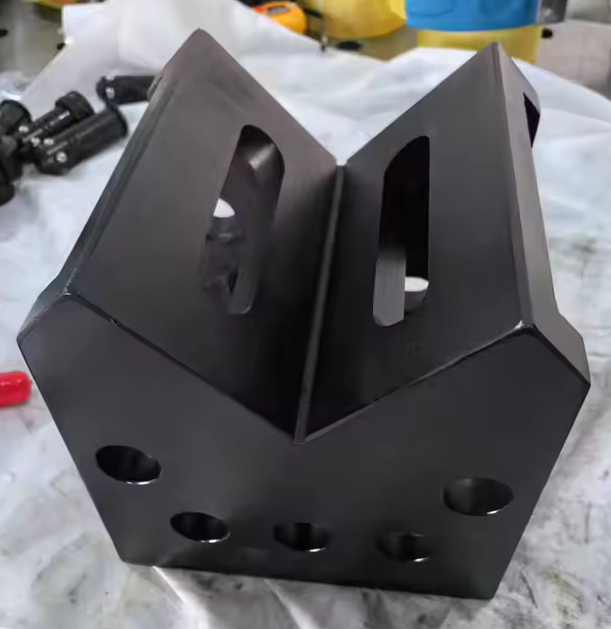
Choosing between a garment cutting table and a fabrication table depends entirely on material handling needs and production precision. Garment cutting tables are designed for soft materials, featuring vacuum systems and porous surfaces to secure fabrics during automated or manual cutting. In contrast, fabrication tables are engineered for heavy-duty metalworking, offering modular clamping, heat resistance, and rigid structural support for welding and assembly. Understanding these distinct industrial applications ensures optimal workflow efficiency and product quality in manufacturing environments.
Core Differences: Garment Cutting vs. Metal Fabrication Tables
The fundamental distinction lies in the physical properties of the materials being processed. Textile manufacturing requires surfaces that allow air permeability for vacuum hold-downs, while metal fabrication demands surfaces that withstand high thermal loads and mechanical stress. Confusing these two categories can lead to significant operational inefficiencies, equipment damage, and compromised product integrity.
In the textile industry, the primary challenge is managing flexible, shifting materials. A garment cutting table must immobilize layers of fabric without causing distortion. This is typically achieved through suction systems that pull air through the table surface, pinning the material flat. Conversely, metal fabrication involves rigid, heavy components that require precise positioning and secure clamping against lateral forces generated during welding or machining.
Material Interaction and Surface Design
The surface architecture of each table type reflects its specific industrial role. Garment cutting tables often feature honeycomb structures, bristle beds, or felt covers. These designs facilitate airflow while protecting delicate fabrics from snagging or marking. The surface must be smooth enough to allow cutting heads to glide effortlessly but porous enough to maintain consistent vacuum pressure across the entire work area.
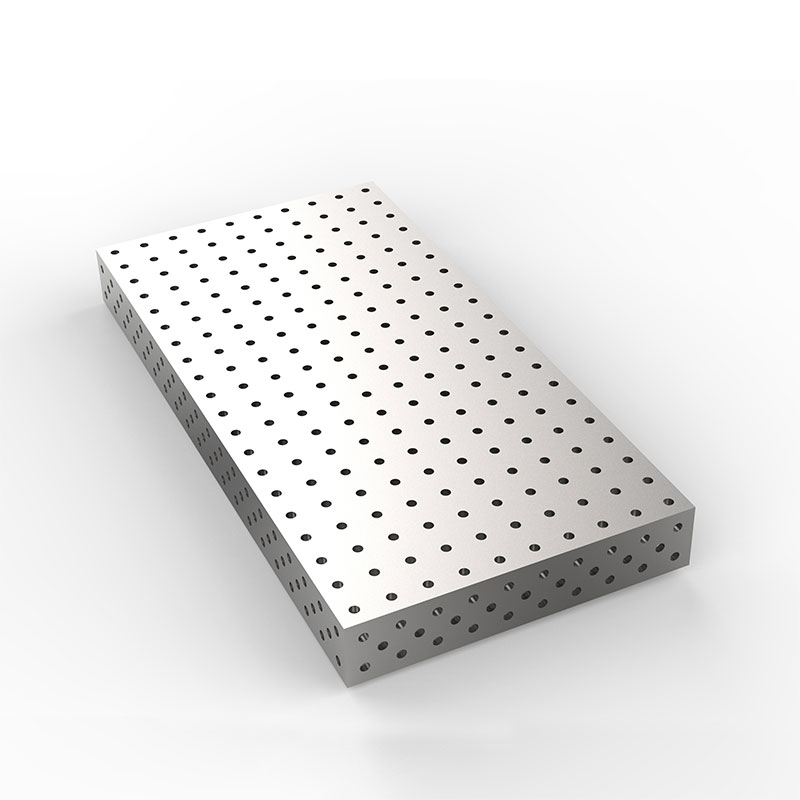
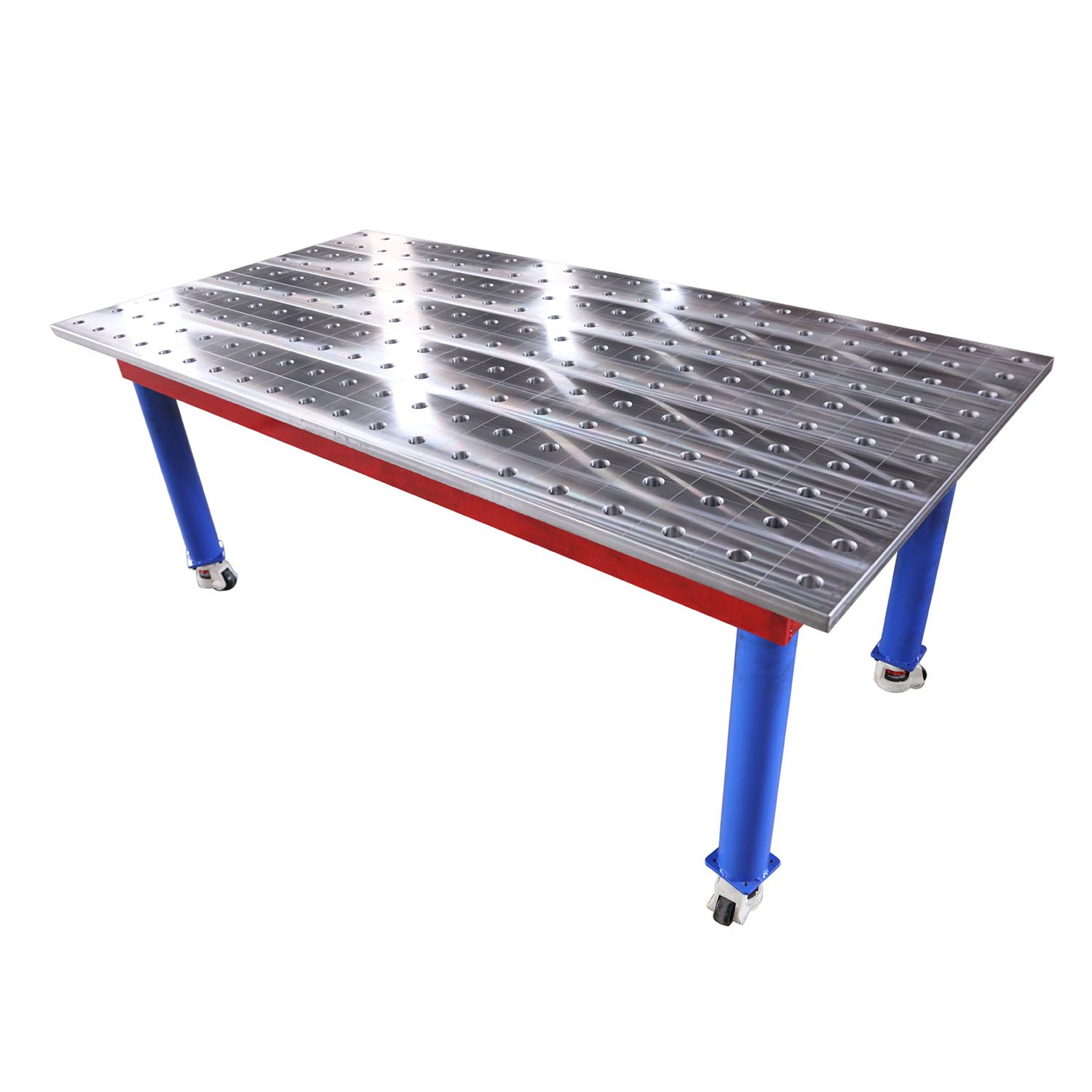
Fabrication tables, however, prioritize durability and modularity. They are constructed from high-grade steel or cast iron, featuring grid patterns with precisely spaced holes. These holes serve as anchor points for clamps, stops, and squares. The surface must resist warping under heat and support heavy loads without deflection. Unlike textile tables, fabrication surfaces are solid, non-porous, and designed to endure sparks, spatter, and direct contact with heavy machinery.
Structural Integrity and Load Bearing
Load-bearing requirements differ drastically between these two applications. A garment cutting table supports relatively light loads, focusing instead on stability to prevent vibration during high-speed cutting operations. The frame is typically lightweight yet rigid, designed to house vacuum pumps and electrical components for automated cutters.
Fabrication tables must support immense weight. In automotive or aerospace manufacturing, assemblies can weigh several tons. The table structure must maintain geometric accuracy under this load. This is where specialized engineering comes into play. For instance, companies like Botou Haijun Metal Products Co., Ltd. specialize in high-precision flexible modular fixtures that address these exact challenges. Their 2D and 3D flexible welding platforms are engineered to provide exceptional stability and precision, ensuring that heavy workpieces remain perfectly positioned during complex assembly processes.
| Feature | Garment Cutting Table | Fabrication Table |
| Primary Material | Textiles, Leather, Composites | Steel, Aluminum, Iron |
| Surface Type | Porous (Honeycomb/Bristle) | Solid Grid (Perforated Steel/Cast Iron) |
| Hold-Down Method | Vacuum Suction | Mechanical Clamping/Fixturing |
| Heat Resistance | Low (Not designed for heat) | High (Welding/Plasma compatible) |
| Modularity | Fixed Surface | Highly Modular (Clamps/Stops) |
| Typical Industry | Apparel, Upholstery, Technical Textiles | Automotive, Aerospace, Heavy Machinery |
Deep Dive: Industrial Garment Cutting Tables
Garment cutting tables are the backbone of modern textile production. They enable the precise layering and cutting of fabrics, which is critical for maintaining pattern accuracy and minimizing waste. As fashion cycles accelerate and customization increases, the demand for efficient cutting solutions has grown significantly.
Key Components and Functionality
A standard industrial cutting table consists of three main elements: the bed surface, the vacuum system, and the control interface. The bed surface is designed to maximize airflow uniformity. Honeycomb structures are common for synthetic fabrics, while bristle beds are preferred for natural fibers to prevent slippage. The vacuum system generates negative pressure, pulling the fabric layers tightly against the surface. This eliminates wrinkles and ensures that the cutting tool—whether a laser, waterjet, or mechanical blade—follows the intended path accurately.
Modern cutting tables often integrate with CAD/CAM software. This digital integration allows for nested pattern layouts that optimize material usage. The table’s dimensions must accommodate standard fabric widths and roll lengths, minimizing the need for manual repositioning. Efficiency in this stage directly impacts the overall cost per garment, making table selection a strategic financial decision.
Applications Beyond Apparel
While “garment” implies clothing, these tables are versatile. They are extensively used in:
- Technical Textiles: Cutting carbon fiber pre-pregs, Kevlar, and fiberglass for aerospace and automotive components.
- Upholstery and Furniture: Processing leather, vinyl, and heavy-duty fabrics for sofas and car interiors.
- Composites: Preparing layers for resin infusion processes where precise alignment is critical.
In these advanced applications, the precision of the cutting table affects the structural integrity of the final product. Any shift in material during cutting can lead to misalignment in subsequent assembly stages, resulting in costly rework or scrap.
Deep Dive: Industrial Fabrication and Welding Tables
Fabrication tables, often referred to as welding tables or fixture plates, are essential for metalworking. They provide a stable, reference plane for assembling and joining metal components. The evolution of these tables has moved from simple flat plates to sophisticated modular systems that enhance productivity and accuracy.
The Role of Modularity in Modern Fabrication
Traditional welding tables were static, requiring custom jigs for each new part. This approach was time-consuming and expensive for low-volume, high-mix production. Modern fabrication tables utilize a modular design. A grid of holes allows operators to quickly position and lock clamps, stops, and angles. This flexibility reduces setup time dramatically, enabling manufacturers to switch between different projects with minimal downtime.
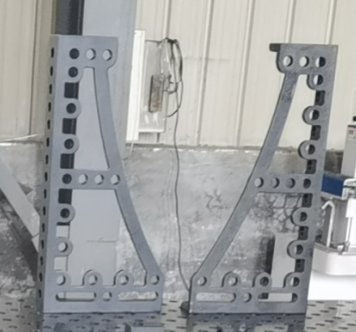
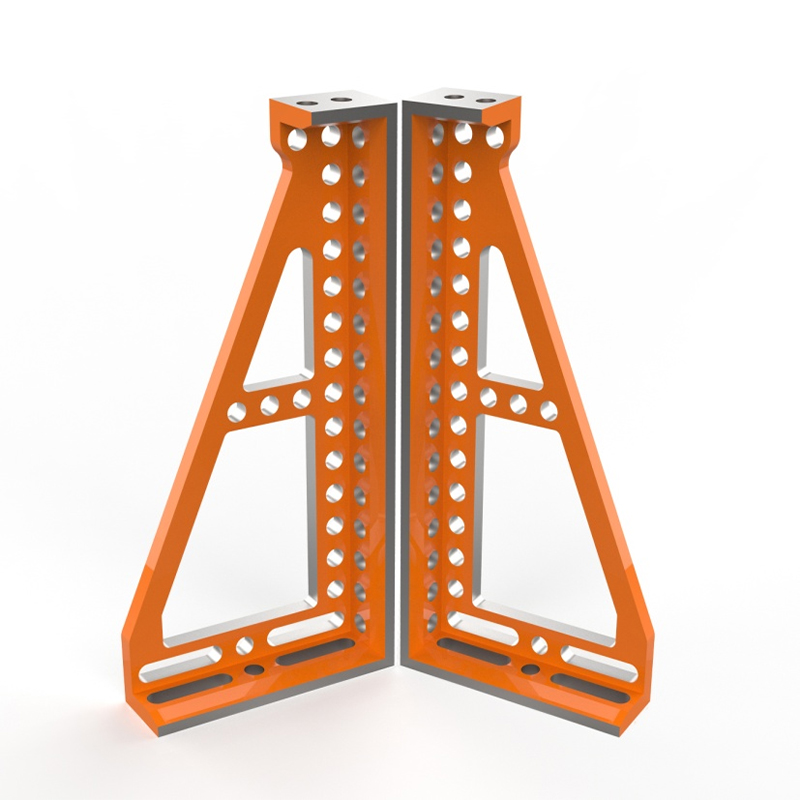
Botou Haijun Metal Products Co., Ltd. exemplifies this innovation through their comprehensive range of flexible modular fixtures. Their core product line includes 2D and 3D flexible welding platforms renowned for exceptional versatility. These platforms serve as preferred jigging equipment in machining, automotive, and aerospace industries. By integrating complementary components such as U-shaped and L-shaped multi-purpose square boxes, manufacturers can achieve rapid workpiece positioning and clamping. This modularity is not just a convenience; it is a critical factor in maintaining tight tolerances in complex assemblies.
2D vs. 3D Flexible Welding Platforms
Understanding the difference between 2D and 3D platforms is crucial for selecting the right fabrication table:
- 2D Flexible Welding Platforms: Ideal for flat assemblies. They provide a horizontal reference plane with vertical clamping options. These are commonly used for sheet metal work, frame construction, and panel assembly.
- 3D Flexible Welding Platforms: Designed for complex, multi-dimensional assemblies. They allow clamping and positioning from multiple angles, supporting intricate geometries found in aerospace structures and automotive chassis components. Haijun Metal’s cast iron 3D welding platforms ensure exceptional durability and stability, critical for maintaining accuracy in these demanding applications.
Thermal Management and Distortion Control
Welding introduces significant heat, leading to thermal expansion and distortion. High-quality fabrication tables are designed to mitigate these effects. Cast iron platforms, for example, have excellent damping properties and thermal stability. They absorb vibrations and resist warping, ensuring that the assembly remains true to dimension even after cooling. Additionally, the open grid design allows heat to dissipate more effectively than solid surfaces, reducing the risk of heat buildup damaging the table or the workpiece.
Selection Criteria: How to Choose the Right Table
Selecting the appropriate table involves evaluating several technical and operational factors. Making the wrong choice can bottleneck production and increase operational costs.
1. Material Type and Thickness
For textiles, consider the fabric weight and delicacy. Delicate silks require gentle bristle beds, while heavy canvases may need robust honeycomb structures. For metals, assess the thickness and type. Heavy steel plates require a table with high load capacity and rigid support, such as those offered by Haijun Metal, which are engineered to handle substantial weights without deflection.
2. Precision Requirements
Tolerance levels vary by industry. Aerospace and automotive sectors demand micron-level precision. In these cases, the flatness and hole accuracy of the fabrication table are paramount. Haijun Metal’s focus on high-precision flexible modular fixtures ensures that every product delivers exceptional durability and stability, meeting the stringent requirements of these industries. For garment manufacturing, precision relates to pattern alignment and cut edge quality, influenced by vacuum consistency and surface smoothness.
3. Production Volume and Variety
High-volume, low-mix production benefits from dedicated, fixed setups. Low-volume, high-mix environments require modular flexibility. If your facility handles diverse projects daily, a modular fabrication table with interchangeable components is essential. The ability to rapidly reconfigure the workspace using accessories like 200-series support angle irons and 0-225° universal angle gauges can significantly boost throughput.
4. Integration with Automation
Consider future automation needs. Garment cutting tables often integrate with automated cutting heads. Fabrication tables may need to interface with robotic welding arms. Ensure the table design supports such integrations, including provisions for cable management and sensor mounting.
Common Mistakes in Table Selection and Usage
Even experienced manufacturers can make errors when specifying or using industrial tables. Avoiding these pitfalls can extend equipment life and improve product quality.
- Ignoring Vacuum Zoning: In garment cutting, failing to use vacuum zones efficiently leads to energy waste and poor hold-down on smaller parts. Proper zoning allows selective suction, optimizing performance.
- Overloading Fabrication Tables: Exceeding the load capacity of a welding table causes permanent deformation. Always verify the weight rating and distribute heavy loads evenly.
- Neglecting Maintenance: Fabrication table holes can become clogged with spatter, preventing proper clamp insertion. Regular cleaning and the use of anti-spatter coatings are essential. Similarly, garment table surfaces must be kept free of debris to maintain airflow and prevent fabric contamination.
- Using Incorrect Clamping Accessories: Using generic clamps on precision modular tables can damage the hole grid. Always use compatible accessories, such as those provided by Haijun Metal, which are designed to integrate seamlessly with their platforms.
FAQ: Frequently Asked Questions
Can I use a fabrication table for cutting composites?
Generally, no. Fabrication tables are solid and non-porous, making them unsuitable for vacuum hold-down required for composite cutting. While you can place a sacrificial board on top, it lacks the precision and efficiency of a dedicated honeycomb or bristle cutting table designed for airflow.
What is the advantage of cast iron over steel for welding tables?
Cast iron offers superior vibration damping and thermal stability. It resists warping under heat better than many steel alloys and maintains flatness over time. Haijun Metal’s professional cast iron 3D welding platforms leverage these properties to ensure long-term accuracy in high-precision applications.
How do modular fixtures improve welding efficiency?
Modular fixtures eliminate the need for custom-built jigs. Operators can quickly position clamps and stops using the table’s grid system. This reduces setup time from hours to minutes, allowing for faster changeovers and higher productivity, especially in mixed-model production lines.
Are garment cutting tables suitable for leather?
Yes, but the surface type matters. Bristle beds are often preferred for leather as they provide grip without marking the surface. Vacuum pressure must be carefully adjusted to avoid stretching or distorting the leather during cutting.
What accessories are essential for a flexible welding platform?
Essential accessories include clamps, stops, squares, and angle gauges. Haijun Metal offers a comprehensive range, including U-shaped and L-shaped multi-purpose square boxes and 0-225° universal angle gauges. These components enable rapid and precise positioning of workpieces, enhancing the versatility of the base platform.
Maintenance and Longevity Best Practices
Proper maintenance ensures that both garment cutting and fabrication tables perform optimally over their lifespan.
Garment Cutting Table Care
Regularly inspect the surface for damage. Replace worn bristles or damaged honeycomb panels promptly to maintain consistent vacuum performance. Clean the vacuum filters frequently to prevent clogging, which reduces suction power. Check seals and gaskets for leaks, as air loss impacts holding force.
Fabrication Table Care
Keep the hole grid clean. Use chisels or specialized tools to remove weld spatter from holes. Apply anti-spatter spray before welding to minimize cleanup. Inspect the surface for flatness periodically. If dents or warping occur, they can be machined flat again, but prevention is preferable. Store clamps and accessories properly to prevent damage and loss. Haijun Metal’s durable components are designed for long service life, but proper care extends their utility further.
Conclusion: Optimizing Your Industrial Workflow
The choice between a garment cutting table and a fabrication table is not merely about size or cost; it is about matching the equipment to the physical demands of your material and the precision requirements of your process. Garment cutting tables excel in handling soft, flexible materials through vacuum technology, while fabrication tables provide the rigid, modular foundation necessary for precise metalworking and welding.
For manufacturers in the automotive, aerospace, and heavy machinery sectors, investing in high-quality, modular fabrication solutions is critical. Botou Haijun Metal Products Co., Ltd. stands out as a trusted supplier, offering high-precision flexible modular fixtures and metalworking tools. Their commitment to providing efficient and flexible welding and positioning solutions helps modern manufacturing industries achieve higher productivity and accuracy. With years of industry experience, Haijun Metal continues to deliver high-quality production machinery tool series, including 2D and 3D flexible welding platforms and essential accessories like angle connection blocks and support angle irons.
Whether you are optimizing a textile production line or upgrading a metal fabrication shop, understanding these distinctions ensures you select the right tool for the job. Evaluate your material types, precision needs, and production volume carefully. For tailored solutions and high-precision equipment, consider partnering with experienced manufacturers who understand the nuances of industrial positioning and clamping.
→ Ready to upgrade your fabrication setup? Explore our range of flexible welding platforms and modular fixtures to find the perfect match for your industrial needs. Contact us today for detailed specifications and expert consultation.