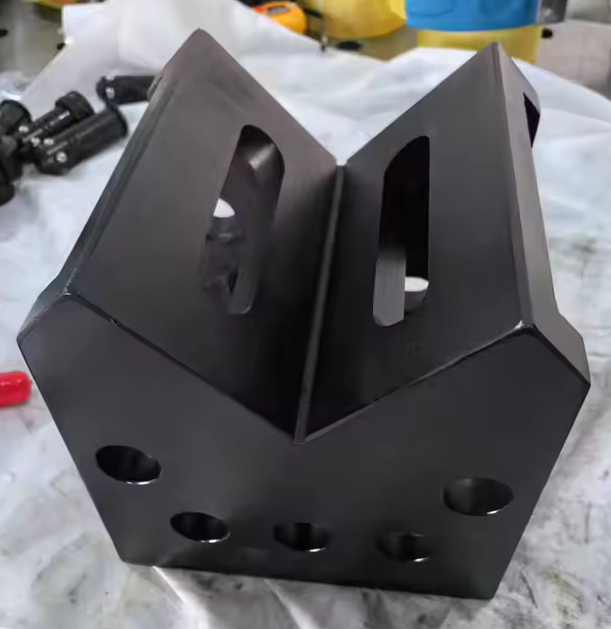
A Flat Pack Welding Table is a modular, knock-down welding platform designed for efficient shipping and rapid on-site assembly. Unlike traditional one-piece cast tables, these units arrive in compact components that bolt together to form a rigid, precision-ground work surface. This design significantly reduces freight costs and simplifies handling in facilities with limited access. For manufacturers seeking flexibility, systems like those from Botou Haijun Metal Products Co., Ltd. offer high-precision modular fixtures that integrate seamlessly with flat-pack structures, ensuring both portability and industrial-grade stability for 2D and 3D welding applications.
What Is a Flat Pack Welding Table?
A flat pack welding table, often referred to as a modular or kit-form welding platen, is a workbench system shipped in disassembled parts. The core concept is logistical efficiency. Standard heavy-duty welding tables are monolithic, meaning they are cast or welded as a single, massive unit. While robust, their weight and volume make shipping expensive and maneuvering them through standard doorways difficult.
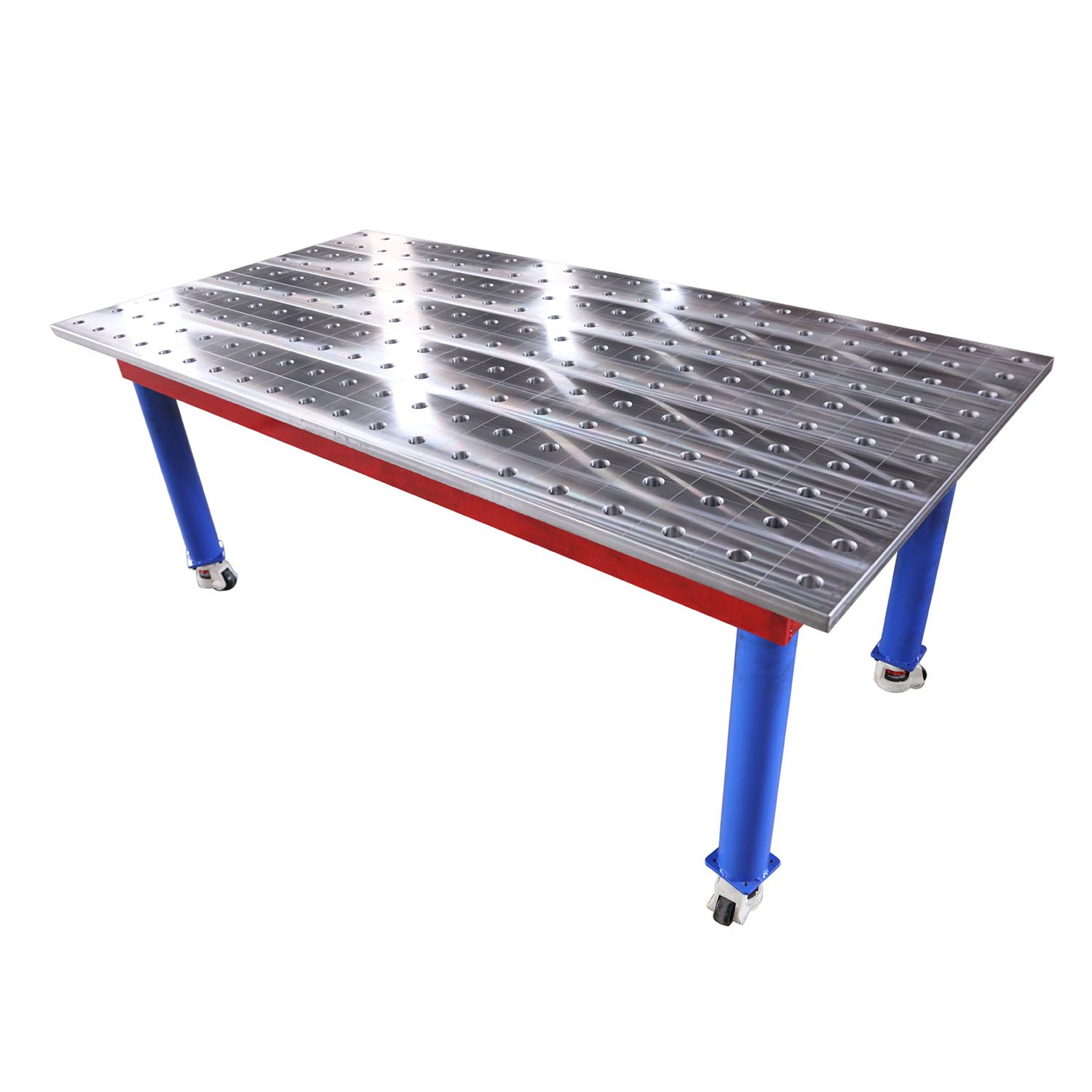
In contrast, a flat pack system divides the table into manageable sections: legs, frame beams, and top plates. These components are engineered with precise machining tolerances to ensure that when assembled, the surface remains flat and square. This approach is particularly valuable for job shops, field service teams, and expanding manufacturing facilities where space constraints or budget limitations regarding logistics are primary concerns.
Key Components of a Modular Assembly
Understanding the anatomy of these tables helps in assessing their quality and suitability for your workflow. A typical high-quality flat pack system includes:
- Base Frame: Usually constructed from heavy-wall structural steel tubing to provide torsional rigidity.
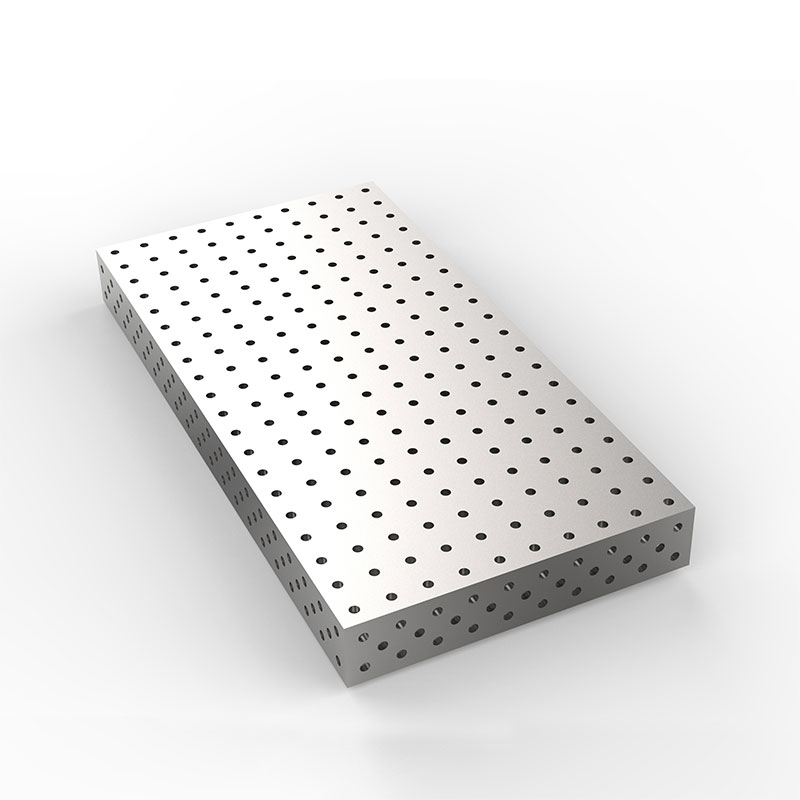
- Top Plates: Precision-machined steel plates, often featuring a grid of holes for clamping and fixturing.
- Connecting Hardware: High-tensile bolts and locking mechanisms that ensure the joints do not loosen under vibration or thermal stress.
- Leveling Feet: Adjustable mounts to compensate for uneven workshop floors, ensuring the table surface is perfectly horizontal.
Why Choose a Flat Pack Design Over Traditional Tables?
The decision between a one-piece cast iron table and a flat pack modular system often comes down to logistics, scalability, and versatility. While cast iron offers inherent damping properties, modern engineering has allowed flat pack steel tables to achieve comparable rigidity with added benefits.
Logistical and Cost Advantages
Shipping air is expensive. Traditional welding tables have a low density relative to their volume because they cannot be stacked efficiently. Flat pack tables optimize container space. By reducing the volumetric footprint, manufacturers and buyers save significantly on freight costs. Furthermore, receiving a boxed kit means you can move components into a facility using a standard pallet jack or even manual labor, bypassing the need for heavy cranes or forklifts required for multi-ton monolithic tables.
Scalability and Modularity
One of the most compelling features of flat pack systems is modularity. If your production needs grow, you can purchase additional kits and bolt them together to create a larger work surface. This scalability is difficult to achieve with fixed-size cast tables. Botou Haijun Metal Products Co., Ltd. leverages this modular philosophy in their core product line, offering 2D and 3D flexible welding platforms that can be expanded or reconfigured. Their expertise in high-precision flexible modular fixtures ensures that when multiple flat pack units are joined, the alignment remains accurate enough for aerospace and automotive jigging requirements.
| Feature | Flat Pack Welding Table | Traditional Cast Iron Table |
| Shipping Cost | Low (Optimized volume) | High (Bulky, heavy) |
| Assembly Required | Yes (Simple bolting) | No (Ready to use) |
| Scalability | High (Easy to expand) | Low (Fixed size) |
| Installation Access | Fits through standard doors | May require large openings |
| Rigidity | High (When properly assembled) | Very High (Inherent mass) |
Step-by-Step Assembly Guide
Assembling a flat pack welding table requires attention to detail to ensure the final structure is square and flat. Rushing this process can lead to a twisted frame, which compromises welding accuracy. Follow this professional workflow to achieve optimal results.
Phase 1: Preparation and Site Check
Before opening the packages, prepare your workspace. Ensure the floor area is clean and roughly level. Gather the necessary tools, typically including metric hex keys, torque wrenches, and a reliable spirit level. Lay out all components according to the packing list to verify nothing is missing. Check the condition of the machined surfaces; they should be free of rust or damage from transit.
Phase 2: Assembling the Base Frame
The base frame provides the structural integrity of the table. Begin by connecting the longitudinal and transverse beams. Do not fully tighten the bolts at this stage. Leave them slightly loose to allow for minor adjustments during the squaring process. Use a diagonal measurement technique: measure from corner to corner across the frame. Both diagonal measurements must be identical. If they differ, gently tap the frame with a rubber mallet until the dimensions match. This ensures the frame is a perfect rectangle, not a parallelogram.
Phase 3: Installing the Top Plates
Once the frame is squared, place the top plates onto the frame. In high-end systems, such as those influenced by the precision standards of Botou Haijun’s 2D and 3D flexible welding platforms, the hole patterns on the top plates will align precisely with the underlying support structure. Secure the plates using the provided fasteners. Again, tighten gradually in a cross pattern to distribute pressure evenly and prevent warping the plate.
Phase 4: Leveling and Final Torquing
Install the leveling feet at each corner of the table. Place a high-precision spirit level on the table surface. Adjust the feet until the bubble is centered in both axes. Once the table is level, go back and torque all frame and top plate bolts to the manufacturer’s specified values. This step is critical. Proper torque ensures the joints remain rigid under the thermal expansion and contraction cycles typical in welding environments.
Integrating Flexible Fixturing Systems
A welding table is only as good as its ability to hold workpieces securely. This is where the synergy between the flat pack structure and advanced fixturing becomes evident. A bare steel plate is useful, but a plate equipped with a modular clamping system transforms the table into a versatile fabrication cell.
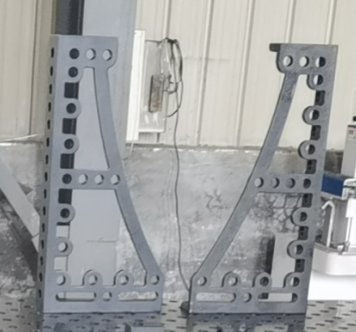
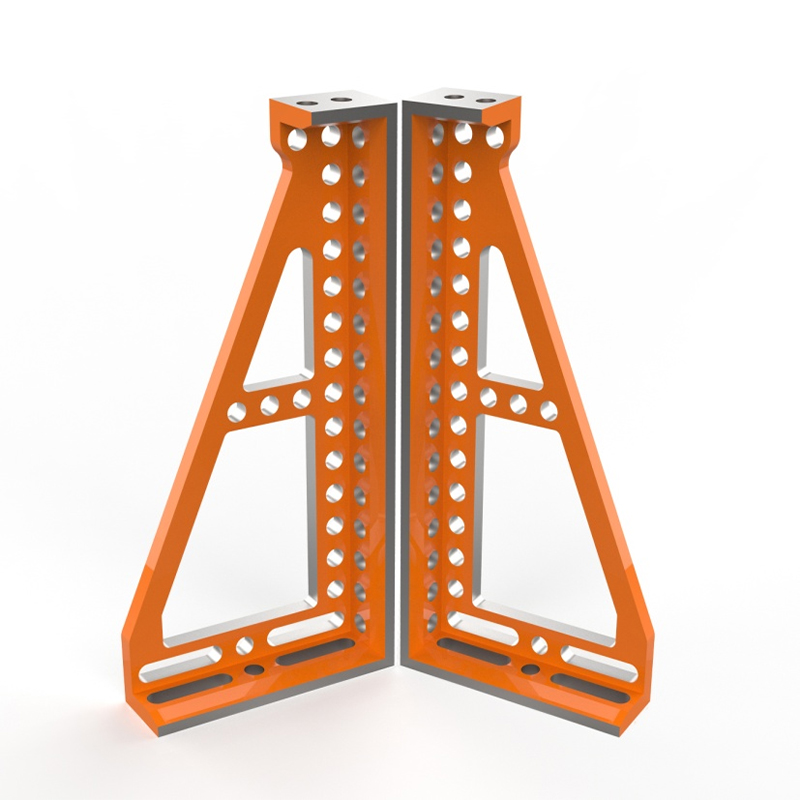
Botou Haijun Metal Products Co., Ltd. specializes in providing these complementary components. Their range includes U-shaped and L-shaped multi-purpose square boxes, which serve as foundational stops and squares. When integrated with a flat pack table’s grid system, these accessories enable rapid workpiece positioning. For complex assemblies, the 200-series support angle irons and 0-225° universal angle gauges allow welders to set up intricate angles without custom jigging.
Enhancing Precision with 3D Platform Compatibility
For industries like aerospace and automotive, where tolerances are tight, the flat pack table serves as the foundation for a 3D flexible welding platform. The precision of the table’s flatness directly impacts the accuracy of the 3D fixturing. Haijun Metal’s commitment to high-precision manufacturing ensures that their cast iron 3D welding platforms and angle connection blocks deliver exceptional durability. When used in conjunction with a well-assembled flat pack base, these tools allow for repeatable, high-accuracy welding setups that reduce rework and scrap rates.
Common Assembly Mistakes and How to Avoid Them
Even with a straightforward design, errors can occur during assembly. Being aware of these common pitfalls can save time and ensure the longevity of your equipment.
- Ignoring Floor Conditions: Assembling a table on an uneven or cluttered floor can introduce twist into the frame. Always start on a clean, stable surface.
- Overtightening Early: Tightening bolts completely before squaring the frame locks in any misalignment. Always leave bolts loose for adjustment until the final squaring and leveling steps are complete.
- Neglecting Torque Specifications: Under-torqued bolts can loosen due to vibration, leading to a wobbly table. Overtightened bolts can strip threads or warp thin sections of the frame. Use a torque wrench.
- Skipping the Diagonal Check: Relying solely on a square tool at the corners is insufficient for large frames. Diagonal measurement is the only way to confirm the entire frame is true.
Maintenance and Long-Term Care
To maintain the precision and lifespan of your flat pack welding table, regular maintenance is essential. Welding generates spatter, heat, and UV radiation, all of which can degrade equipment over time.
Surface Protection
Apply a anti-spatter spray or a light coat of oil to the table surface before starting work. This prevents weld spatter from adhering to the machined holes and surface, making cleanup easier. Avoid grinding directly on the table surface unless it is designated as a sacrificial area, as this can create low spots that affect flatness.
Joint Inspection
Periodically check the tightness of all bolts, especially during the first few months of use. Thermal cycling and vibration can cause initial settling. Re-torque connections as needed. Inspect the leveling feet for wear and ensure they remain adjusted to keep the table stable.
Corrosion Prevention
If the table is stored in a humid environment or used outdoors, apply a rust preventative coating when not in use. While many industrial tables come with a protective finish, consistent care prevents pitting and corrosion that can compromise the precision of the fixture holes.
FAQ: Frequently Asked Questions
How long does it take to assemble a flat pack welding table?
For a standard-sized table, assembly typically takes between 2 to 4 hours for two people. Complex, large-scale modular systems may take longer, depending on the number of components and the integration of fixturing accessories.
Can I expand my flat pack table later?
Yes, one of the primary advantages of modular flat pack systems is scalability. You can purchase additional units and bolt them side-by-side or end-to-end. Ensure you use alignment pins or precision ground edges to maintain flushness between the connected surfaces.
Is a flat pack table as rigid as a cast iron table?
When properly assembled and torqued, a high-quality steel flat pack table offers sufficient rigidity for most fabrication and welding tasks. While cast iron has better vibration damping, steel structures provide excellent strength-to-weight ratios. For extreme precision applications, integrating a cast iron top plate or using a system like Botou Haijun’s 3D flexible platforms can bridge this gap.
What tools do I need for assembly?
You will typically need a set of hex keys (Allen wrenches), a torque wrench, a large spirit level, a tape measure, and a rubber mallet. Some kits may require standard socket wrenches for larger structural bolts.
How do I ensure the table stays square over time?
Proper initial assembly is key. Ensure the floor is stable and the leveling feet are secure. Regularly inspect bolt torque. Avoid dropping heavy objects on the table or using it as an anvil, which can distort the frame.
Selecting the Right Welding Solution for Your Business
Choosing the right welding table involves balancing budget, space, and precision requirements. For businesses with limited shop space or those needing to move equipment frequently, a flat pack solution is ideal. It offers the flexibility to reconfigure the workspace as projects change.
For high-mix, low-volume production environments, the ability to integrate modular fixturing is crucial. This is where partnering with a specialized manufacturer matters. Botou Haijun Metal Products Co., Ltd. has established itself as a trusted supplier by focusing on the intersection of structural stability and fixturing versatility. Their experience in producing high-precision flexible modular fixtures means their customers receive not just a table, but a comprehensive positioning solution.
Whether you are in machining, automotive repair, or aerospace fabrication, the goal is efficiency and accuracy. A well-assembled flat pack welding table, equipped with quality accessories like universal angle gauges and support angle irons, provides the foundation for consistent, high-quality welds.
Conclusion
A flat pack welding table represents a smart investment for modern manufacturing facilities. It combines the logistical benefits of easy shipping and assembly with the functional requirements of a rigid, precise work surface. By following proper assembly techniques and integrating high-quality modular fixturing, you can create a welding environment that enhances productivity and accuracy.
For companies looking to upgrade their fabrication capabilities, considering a system that supports future expansion and precise fixturing is vital. Botou Haijun Metal Products Co., Ltd. offers a robust range of 2D and 3D flexible welding platforms and accessories designed to meet these exact needs. Their commitment to quality and precision ensures that your investment delivers long-term value.
Ready to optimize your welding workflow? Explore our range of flexible modular fixtures and welding tables to find the perfect solution for your production needs. Contact our technical team for detailed specifications and customization options.