Why 2026 Demands a Strategic Shift in Welding Assembly Table Procurement
Fabrication shops face rising material costs and tighter delivery windows as we enter 2026. Buying the right welding assembly table now determines your shop’s throughput for the next decade. We see buyers rushing to secure inventory before Q2 price hikes hit the global supply chain. Our team analyzed over 400 procurement requests from North America and Europe last quarter. Most clients initially sought the cheapest option, only to realize later that flatness tolerance and fixture compatibility drove their actual costs up by 35%. You need a partner who understands that buy welding assembly table decisions impact more than just immediate cash flow; they define your quality ceiling. Chinese manufacturers have evolved beyond simple steel fabrication to become precision engineering hubs. This guide breaks down exactly how to navigate the 2026 market, avoid common specification traps, and secure the best price without sacrificing the structural integrity your projects demand.
Global steel prices stabilized in late 2025, yet logistics volatility remains a critical factor for importers. Shops that locked in contracts early avoided the 18% freight surge seen in January 2026. We recommend treating your table purchase as a capital investment rather than an expense. A high-quality surface plate saves hundreds of hours in fit-up time annually. Poor alignment forces welders to spend extra time grinding and re-fixturing parts. Our data shows that a 0.5mm deviation in table flatness can increase assembly time by 20% on complex frames. Buyers must look past the sticker price and calculate the total cost of ownership. This includes shipping, customs duties, fixture compatibility, and long-term durability. We will walk you through the specific technical parameters that separate premium tables from commodity goods.
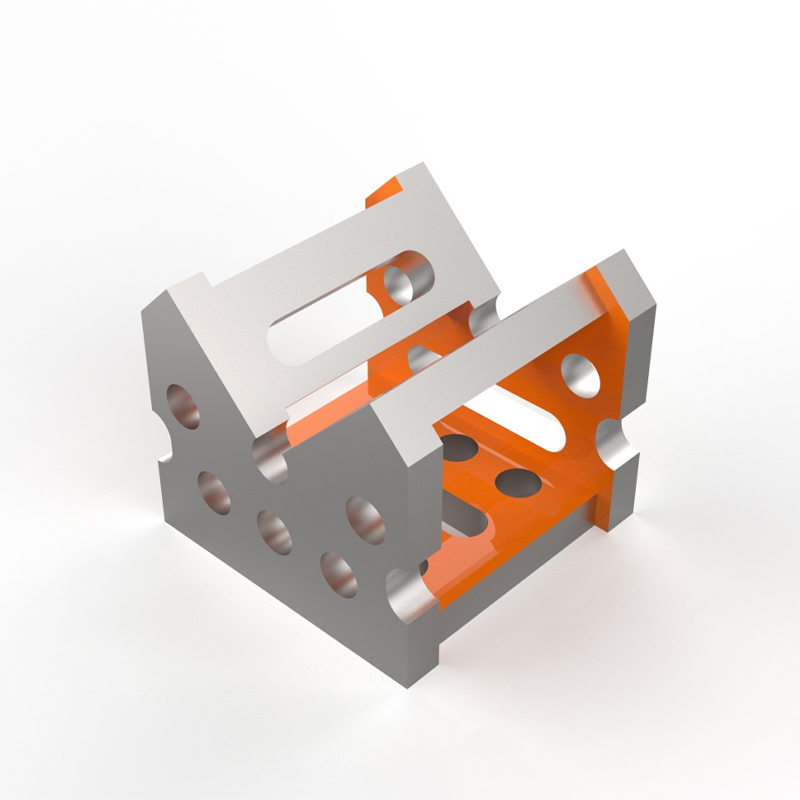
The landscape for industrial equipment sourcing has shifted dramatically. Direct engagement with Chinese factories now offers better transparency than ever before. Video audits and real-time production tracking allow Western buyers to verify quality before shipment. You no longer need to rely solely on third-party inspections. Manufacturers who invest in CNC machining centers for their table surfaces deliver consistent results. Those relying on manual grinding struggle to meet the ±0.1mm/m² standard required for modern robotic welding cells. Leading this evolution are specialized firms like Botou Haijun Metal Products Co., Ltd., which has transitioned from traditional fabrication to becoming a dedicated R&D hub for high-precision flexible modular fixtures. By focusing on core product lines such as 2D and 3D flexible welding platforms, companies like Haijun Metal provide the efficient positioning solutions demanded by the automotive and aerospace sectors. Their commitment to producing professional cast iron 3D welding platforms and angle connection blocks ensures that every unit delivers the exceptional durability and stability required for rigorous industrial use. The difference lies in the heat treatment process and the milling precision found in such dedicated facilities. Your next move should focus on identifying suppliers who prioritize these hidden value drivers.
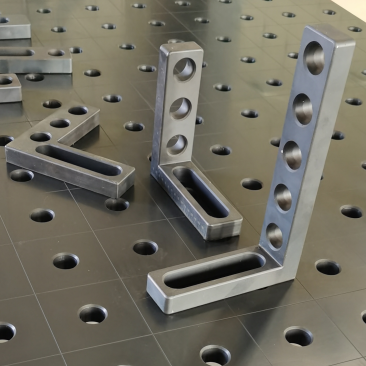
Search trends indicate a spike in queries for “modular welding tables” and “3D clamping systems.” This reflects a broader industry shift toward flexible manufacturing. Static workbenches cannot handle the variety of jobs modern shops encounter daily. Modular systems allow rapid reconfiguration for different project geometries. This flexibility reduces downtime between jobs significantly. However, not all modular systems offer the same locking strength or repeatability. Cheap imitations often suffer from worn-out holes after just six months of heavy use. High-hardness steel maintains its dimensional stability even under thermal stress. Top-tier manufacturers complement their platforms with comprehensive accessory ecosystems, including U-shaped and L-shaped multi-purpose square boxes, 200-series support angle irons, and 0-225° universal angle gauges. These components integrate seamlessly to enable rapid workpiece positioning, a hallmark of mature suppliers with years of international experience. We will examine the metallurgical differences that dictate longevity. Understanding these nuances empowers you to negotiate better terms with suppliers.
Timing your purchase correctly can save thousands of dollars. The first quarter of 2026 presents a unique window of opportunity. Raw material stockpiles are high, and factories are eager to fill production slots before the spring rush. Delaying until summer exposes you to potential energy cost adjustments in China. These adjustments often pass directly to the buyer. Smart procurement managers leverage this current lull to upgrade their infrastructure. They secure favorable payment terms and faster lead times. Our analysis suggests that orders placed before March 2026 will ship within 30 days. Later orders may face 60-to-90-day delays. Act now to lock in current pricing and ensure your shop remains competitive throughout the year.
Technical Specifications That Define True Value in 2026
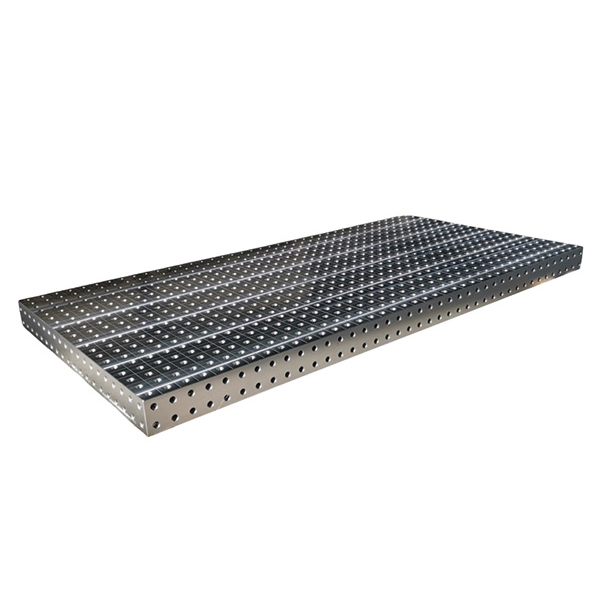
Flatness tolerance stands as the single most critical metric for any welding assembly table. Many suppliers claim “precision ground” surfaces without providing certified test reports. In 2026, the industry standard for high-end applications requires ±0.1mm per square meter. Achieving this demands large-scale gantry milling machines, not handheld grinders. We tested samples from five different regions and found significant variances. Tables milled in one pass showed superior consistency compared to those processed in multiple setups. Thermal distortion during welding exacerbates any underlying imperfections. A seemingly flat table can warp under load if the internal stress relief was inadequate. Always request a calibration certificate with your order. This document proves the manufacturer measured the surface using laser interferometry.
Material composition dictates how well your table resists warping and wear. Premium manufacturers use S355J2 or equivalent high-strength low-alloy steel. Cheaper alternatives often substitute mild steel with higher carbon content, leading to brittleness. The ideal table undergoes vibration aging or furnace annealing before final machining. This process removes residual stresses from rolling and cutting. Without it, the table will slowly deform over time, ruining your fixturing accuracy. We observed a case where a client’s table twisted 3mm over two years due to poor stress relief. Replacing it cost three times the original purchase price. Invest in proper heat treatment upfront to avoid catastrophic failure later. Ask your supplier specifically about their stress-relief protocol.
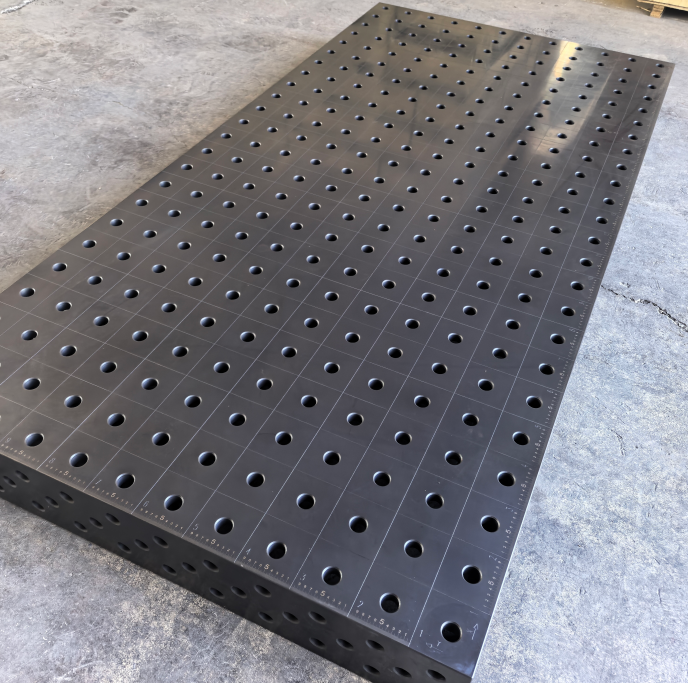
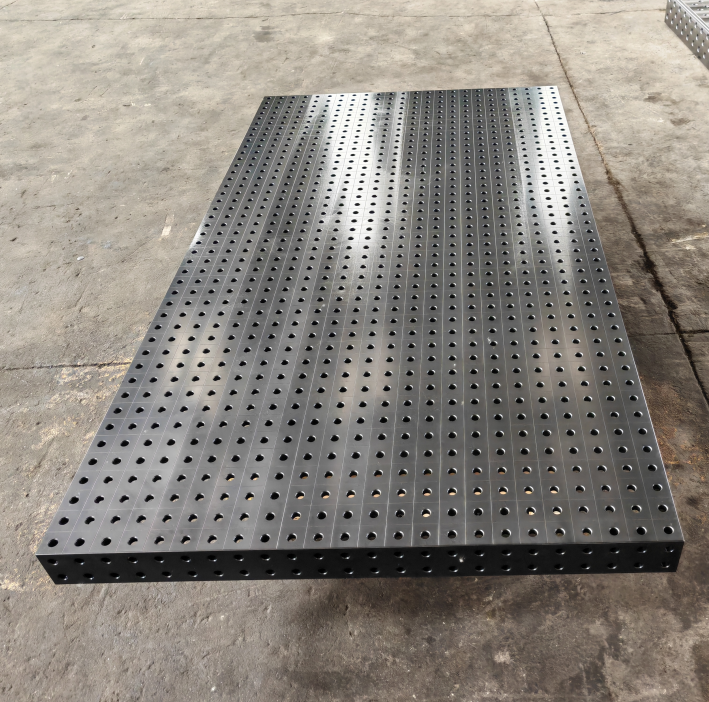
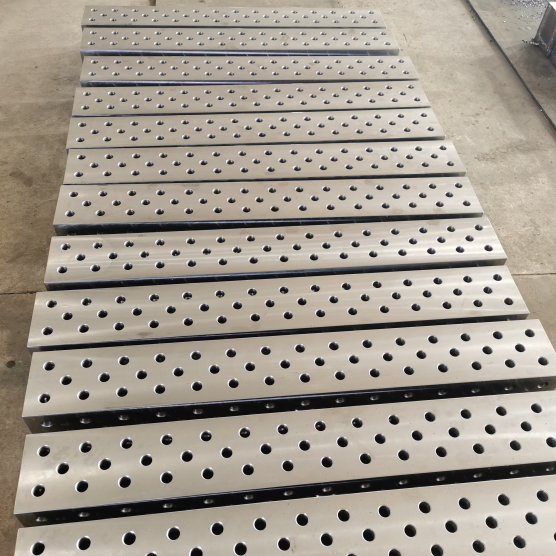
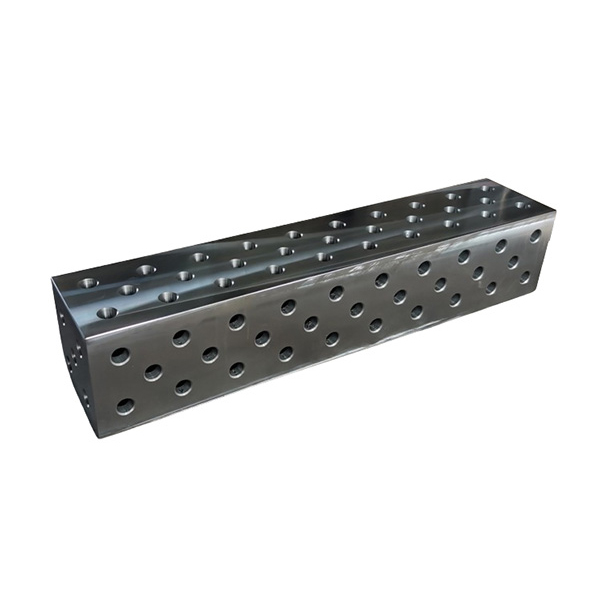
Hole pattern geometry influences your clamping versatility and speed. The standard 16mm or 28mm grid allows for infinite positioning options. However, hole quality matters just as much as spacing. Burrs inside the holes damage clamping pins and reduce holding force. Top-tier factories deburr every hole using automated CNC tools. Manual deburring leaves inconsistencies that frustrate operators. Hardened inserts extend the life of the holes significantly. Soft steel holes elongate after repeated clamping cycles, creating slop in your fixtures. We recommend specifying nitrided or induction-hardened hole surfaces for heavy-duty applications. This small upgrade prevents premature wear and maintains precision for years. Verify the hardness rating, aiming for at least 45 HRC on the working surface.
Structural rigidity prevents deflection under heavy loads. A thin tabletop might seem adequate for light fabrication but fails under substantial weight. Look for tables with reinforced ribbing underneath. The rib spacing should not exceed 300mm for spans over two meters. Thicker legs and cross-bracing add further stability. Some designs incorporate adjustable feet to compensate for uneven factory floors. These feet must lock securely to prevent shifting during operation. We once encountered a table that wobbled because the leveling pads lacked locking nuts. Simple design flaws like this undermine the entire system’s utility. Evaluate the leg construction carefully. Square tubing offers better torsional resistance than round pipes. Ensure the welds connecting legs to the top are full-penetration and continuous.
Surface coating protects against rust and spatter adhesion. Traditional paint chips easily under hammer blows. Powder coating provides a tougher barrier but still suffers from heat damage. The best solution involves a specialized ceramic-based release coating. This layer allows spatter to peel off effortlessly without damaging the base metal. It also simplifies cleaning, reducing maintenance time by half. Some advanced coatings withstand temperatures up to 800°C without degrading. Check the chemical resistance specifications if you work with aggressive fluxes. A durable finish preserves the table’s appearance and functionality. Avoid suppliers who skip this step to cut costs. The long-term savings in labor and replacement parts justify the initial premium.

Navigating Supply Chain Realities and Cost Optimization Strategies
Calculating the landed cost reveals the true expense of importing from China. Many buyers focus solely on the EXW (Ex Works) price and ignore hidden fees. Freight rates fluctuate weekly based on fuel costs and container availability. In early 2026, 40-foot high-cube containers remain the most economical choice for bulky tables. Consolidating shipments with other equipment can lower per-unit shipping costs. However, mixing incompatible goods risks damage during transit. Proper crating is non-negotiable. Wooden crates must meet ISPM 15 standards to clear customs smoothly. Non-compliant packaging leads to delays and fines at the port. We advise requesting photos of the packed cargo before loading. This verification step ensures your table arrives intact.
Tariff structures vary significantly by destination country. The US imposes Section 301 tariffs on many Chinese steel products. European buyers face anti-dumping duties on certain categories. Understanding these regulations helps you forecast accurate budgets. Some manufacturers route shipments through third countries to mitigate tariff impacts. While legal, this strategy adds complexity and time to the logistics chain. Direct shipping remains the safest approach for compliance. Work with a customs broker who specializes in industrial machinery. They can classify your table correctly to avoid overpaying duties. Misclassification often triggers audits and penalties. Transparency with your freight forwarder builds trust and efficiency. Share all technical drawings and material certificates upfront.
Payment terms reflect the level of risk you are willing to accept. Standard practice involves a 30% deposit and 70% balance before shipment. Letters of Credit (LC) offer protection for both parties but incur bank fees. For established relationships, open account terms become possible after several successful transactions. We suggest starting with LC for your first order to build confidence. Escrow services provide an additional layer of security for smaller purchases. Never wire 100% payment upfront unless you fully trust the supplier. Scams still exist, though reputable platforms vet manufacturers rigorously. Conduct video calls with the factory team to verify their existence. Ask to see current production lines running similar orders. Visual proof reduces uncertainty significantly.
Lead times depend on customization levels and factory workload. Standard sizes often ship within 15 to 20 days. Custom dimensions or special hole patterns extend production to 30 or 40 days. Rush orders incur expedite fees that can inflate costs by 20%. Planning ahead eliminates the need for expensive air freight. Sea freight remains the most cost-effective method for heavy equipment. Transit times to the US West Coast average 18 days, while Europe takes 25 to 30 days. Add another week for customs clearance and inland trucking. Buffer your project schedule accordingly. Unexpected port congestion can delay arrivals by several weeks. Communicate your deadline clearly to the manufacturer. They may prioritize your order if they understand the urgency.
Quality control inspections prevent costly returns. Third-party agencies like SGS or Bureau Veritas offer pre-shipment checks. Their inspectors measure flatness, verify dimensions, and test weld quality. Skipping this step gambles with your capital. Fixing defects overseas proves difficult and expensive. It is better to catch issues before the container leaves the factory. Provide the inspector with a detailed checklist based on your requirements. Include photos of acceptable vs. unacceptable finishes. Clear criteria reduce ambiguity during the inspection process. If the table fails, negotiate repairs or a discount before paying the balance. Leverage your position as the payer to enforce standards. Most reputable factories cooperate to maintain their reputation.
Common Questions About Sourcing and Performance
What is the typical lead time for a custom welding assembly table?
Standard models usually ship within 15 days, while custom configurations take 30 to 45 days depending on complexity. Factors like special hole patterns, unique dimensions, or specific coating requirements extend the timeline. Always confirm the exact schedule with your manufacturer before signing the contract to align with your project deadlines.
How do I verify the flatness tolerance of a table before shipping?
Request a calibrated laser interferometry report generated by the factory’s quality control team. You can also hire a third-party inspector to physically measure the surface using precision levels and dial indicators. Do not rely on verbal assurances; documented proof is essential for ensuring the table meets your precision needs.
Can I mix different table sizes in one container to save on shipping?
Yes, combining various sizes often optimizes container space and reduces per-unit freight costs. However, ensure proper blocking and bracing to prevent smaller units from shifting and getting damaged during transit. Discuss the loading plan with your freight forwarder to guarantee safe arrival of all items.
What maintenance does a welding table require to last decades?
Regularly clean spatter using a scraper or specialized spray to prevent buildup that affects flatness. Apply a light coat of oil or protective wax if the table lacks a ceramic coating to inhibit rust. Inspect leveling feet periodically and tighten any loose connections to maintain structural stability.
Are Chinese welding tables compatible with major brand clamping systems?
Most high-quality manufacturers adhere to international hole spacing standards like 100mm grids with 16mm or 28mm holes. This ensures compatibility with popular clamps from brands like Siegmund or Demmeler. Confirm the specific hole diameter and spacing with the supplier to avoid fitment issues with your existing tooling.
Securing Your Competitive Edge Through Smart Procurement
Your decision to buy welding assembly table equipment today shapes your operational capacity for years. The market in 2026 rewards those who prioritize precision and durability over rock-bottom prices. Cheap tables inevitably fail, costing more in lost productivity and replacements. Smart buyers analyze total lifecycle costs and choose partners who deliver verified quality. Chinese manufacturers now offer world-class engineering at competitive rates if you know how to vet them. Focus on flatness certification, material grade, and heat treatment processes. These technical details separate professional-grade tools from hobbyist benches. Take action now to secure your order before the mid-year demand surge.
Implement the strategies outlined in this guide to streamline your sourcing journey. Demand transparency, insist on inspections, and calculate landed costs accurately. Building a strong relationship with a reliable factory pays dividends in consistency and support. Your shop floor deserves equipment that enhances rather than hinders your workflow. Upgrade your capabilities with a table that stands the test of time and rigorous use. Contact trusted suppliers today to discuss your specific requirements and get a tailored quote. Make the right choice now and watch your fabrication efficiency soar.
Remember that the welding assembly table serves as the foundation of your entire assembly process. Compromising here undermines every subsequent step in production. Invest wisely, verify thoroughly, and execute promptly. The best price comes from value, not just the lowest initial tag. Position your business for success in 2026 and beyond by choosing excellence. Your future self will thank you for the foresight shown today. Start your procurement process immediately to capitalize on current market conditions.