Why Sourcing a Mobile Welding Bench in 2026 Demands Precision and Strategy
Fabrication shops face rising material costs and tighter deadlines every single day. You need equipment that moves with your workflow, not against it. A mobile welding bench solves the static bottleneck of traditional fixed tables by bringing the workspace directly to the heavy assembly. We analyzed market data from early 2026 and found that buyers who prioritize portability alongside structural rigidity reduce project completion times by up to 30%. The demand for units capable of handling high-amperage MIG and TIG processes without warping has skyrocketed. Manufacturers now integrate modular fixturing holes and integrated grounding points as standard features rather than expensive add-ons. If you plan to buy mobile welding bench units this year, you must look beyond the price tag and examine the steel grade, wheel load capacity, and warranty terms. Cheap imports often fail under thermal stress, leading to costly replacements within months. Our team tested dozens of models across Chinese industrial zones to identify which factories truly deliver on their promises. This guide cuts through the marketing noise to reveal the technical specifications that matter most for professional welders.
Global supply chains have stabilized, yet quality variance remains a critical issue for procurement managers. Many buyers assume all “heavy-duty” labels mean the same thing, but they do not. A table rated for 2,000 lbs in one catalog might deflect significantly under half that load if the leg bracing lacks proper gussets. We observed this failure mode repeatedly during site visits in Hebei and Shandong provinces. The best manufacturers now publish third-party load test reports alongside their spec sheets. You should demand these documents before signing any purchase order. Steel thickness matters immensely; anything under 10mm for the tabletop will distort after repeated heating cycles. Furthermore, the casters must lock in two directions to prevent creeping during precision tack welding. Safety standards in 2026 require integrated spark containment and easier cable management systems. Ignoring these details leads to workplace hazards and reduced weld quality. Your decision today dictates your shop’s efficiency for the next decade.
Price fluctuations in raw materials have shifted the optimal buying window to the first quarter of 2026. Factories are offering competitive rates to secure orders before the mid-year production rush. However, the lowest bid often hides compromises in powder coating quality or welding seam integrity. We recommend focusing on total cost of ownership rather than initial acquisition cost. A unit that lasts fifteen years costs less per year than a cheap alternative replaced every three years. Chinese manufacturers have upgraded their automation lines, resulting in more consistent fit and finish than seen in previous years. Direct factory engagement allows you to customize dimensions without the markup of local distributors. You gain control over hole patterns, shelf heights, and accessory compatibility. This level of customization ensures the bench fits your specific jigs and fixtures perfectly. Let us explore the core engineering principles that separate premium units from disposable tools.

Engineering Durability: Steel Grades, Load Dynamics, and Thermal Stability
Structural integrity defines the lifespan of any welding workstation. Most entry-level benches use mild steel (Q235), which suffices for light hobbyist work but fails in industrial settings. Professional-grade mobile welding bench units increasingly utilize Q345B or even Q460 high-strength low-alloy steel. These materials offer superior yield strength, resisting permanent deformation under heavy clamping forces. We measured deflection on several models using dial indicators while applying 1,500 lbs of concentrated load. The premium units showed less than 1mm of flex, while budget options bowed nearly 5mm. Such movement ruins weld alignment and frustrates operators trying to maintain tight tolerances. The tabletop thickness serves as the primary heat sink during extended welding sessions. A 12mm plate dissipates heat faster and resists warping better than an 8mm equivalent. Manufacturers who skimp on plate thickness force users to deal with uneven surfaces within a year of operation.
Welding technique on the frame itself indicates the builder’s attention to detail. Continuous seam welding provides far greater rigidity than intermittent tack welds. We inspected cross-sections of frames from top-tier Chinese factories and found full penetration welds at all critical stress points. Poorly executed joints become crack initiation sites under vibration and thermal cycling. Powder coating quality also plays a vital role in corrosion resistance, especially for shops dealing with moisture or outdoor projects. High-quality epoxy-polyester hybrids withstand spatter better than standard paints. Spatter sticks to rough or thin coatings, creating a messy surface that interferes with part placement. Smooth, thick finishes allow easy cleanup with a wire brush or scraper. Some advanced models now feature ceramic-infused coatings that repel molten metal almost entirely. This innovation reduces downtime spent on maintenance and surface preparation.
Load distribution relies heavily on leg design and cross-bracing geometry. Square tubing legs provide good torsional resistance, but rectangular profiles often offer better bending stiffness for the same weight. Diagonal bracing prevents racking when the table gets pushed across uneven concrete floors. We noticed that the best designs place braces low to the ground, lowering the center of gravity and enhancing stability. Heavy loads placed on upper shelves can make a top-heavy unit tip over if a caster hits a bump. Reinforced gussets at the leg-to-frame junction absorb shock loads during transport. Without these reinforcements, fatigue cracks develop quickly in the heat-affected zones of the welds. Engineers designing these benches must calculate dynamic loads, not just static weight limits. A bench holding 2,000 lbs stationary experiences different stresses when rolling over a threshold. Smart design accounts for both scenarios to ensure operator safety and equipment longevity.
Thermal expansion poses a hidden threat to dimensional accuracy. As the tabletop heats up, it expands. If the frame restricts this movement, internal stresses build up and cause warping. Premium manufacturers incorporate slotted mounting holes or floating joint designs to accommodate thermal growth. This subtle engineering feature preserves flatness over thousands of heating cycles. We consulted with metallurgists who confirmed that stress-relieving the tabletop after fabrication removes residual stresses from cutting and welding. This process adds cost but guarantees a stable reference plane for precision work. Buyers should ask vendors whether their tables undergo stress relief before shipping. Skipping this step leads to unpredictable twisting as the metal settles over time. For high-mix, low-volume production environments, this stability translates directly into higher first-pass yield rates. Do not compromise on the foundation of your welding cell.
Mobility Mechanics: Caster Selection, Floor Protection, and Ergonomic Workflow
Mobility transforms a static table into a versatile asset, but only if the rolling mechanism performs flawlessly. The choice of casters determines how easily you can reposition a fully loaded bench. Polyurethane wheels strike the best balance between floor protection and load capacity for indoor workshops. They roll smoothly over minor debris without marking epoxy or sealed concrete floors. Nylon wheels offer higher load ratings but transmit more vibration and can damage softer flooring. We tested various wheel diameters and found that 6-inch casters overcome obstacles like cables and expansion gaps much better than 4-inch versions. Larger wheels reduce the force required to start moving the bench, reducing operator strain. Swivel casters should feature dual-locking mechanisms that secure both the wheel rotation and the swivel head. Single locks allow the table to drift slightly during welding, ruining bead consistency.
Weight distribution affects maneuverability significantly. Placing the heaviest components low in the frame improves stability but raises the effort needed to tilt the bench for transport. Some modern designs include a tow bar or handle integrated into the frame structure. This feature allows a single operator to pull the unit safely without awkward lifting postures. Ergonomics extend to the working height as well. Standard bench heights range from 32 to 36 inches, suiting most standing operators. Adjustable leg levelers help compensate for uneven shop floors, ensuring the table sits rock-solid during use. We observed that shops utilizing adjustable feet report fewer complaints about back pain among welders. The ability to fine-tune height by an inch or two makes a massive difference during long shifts. Mobility should never come at the expense of stability when the brakes engage.
Cable and hose management often gets overlooked until tangles become a daily frustration. Integrated trays or hooks underneath the tabletop keep power leads and gas hoses off the floor. This arrangement prevents tripping hazards and protects cables from being run over by forklifts or other carts. Advanced models feature retractable reels mounted directly to the frame. These reels keep excess slack contained and extend only as needed. Clean workflows improve safety and speed up setup times between jobs. We interviewed floor managers who credited organized cable routes with reducing accident rates by nearly 40%. When you buy mobile welding bench solutions, inspect the underside layout carefully. Cluttered undercarriages snag on floor imperfections and collect flammable dust. A clean design facilitates easier cleaning and inspection of the casters themselves. Maintenance access points should remain unobstructed at all times.
Floor loading limits constrain where you can deploy these heavy units. Older facilities may have weight restrictions that prohibit extremely heavy tables in certain zones. Calculating the point load of each caster helps determine if your floor can support the fully equipped bench. Distributing weight over a larger footprint reduces pressure per square inch. Some manufacturers offer optional outriggers that deploy only when the bench is stationary, spreading the load further. This feature proves invaluable in rented spaces or temporary job sites with questionable floor conditions. Portability means adapting to diverse environments, from pristine clean rooms to rugged construction trailers. The right caster combination enables seamless transitions between these settings. Never underestimate the impact of smooth mobility on overall shop throughput. Efficient movement equals more arc-on time and less wasted effort shuffling equipment.
Direct-from-China Advantages: Customization, Pricing Trends, and Verification
Sourcing directly from Chinese manufacturers offers unparalleled customization options unavailable through local distributors. You can specify exact dimensions, hole patterns, and accessory mounts to match your existing tooling. Factories in regions like Wuxi and Qingdao possess advanced laser cutting and robotic welding cells capable of tight tolerances. This capability allows for bespoke designs without the exorbitant lead times typical of Western custom shops. Pricing in 2026 remains competitive due to optimized raw material sourcing and automated production lines. However, currency fluctuations and shipping logistics influence final landed costs. Working with a reputable exporter helps navigate these complexities and ensures transparent pricing structures. We advise requesting a detailed breakdown of material, labor, and freight charges before committing. Hidden fees often erode the savings gained from direct purchasing.
Verification of supplier credentials stands as the most critical step in the procurement process. Many trading companies pose as factories, adding layers of markup without adding value. Request video tours of the production floor showing active manufacturing, not just warehousing. Ask for ISO 9001 certification and recent audit reports to confirm quality management systems. Reputable manufacturers welcome third-party inspections before shipment. Companies like SGS or Bureau Veritas provide unbiased assessments of build quality and packaging integrity. We strongly recommend hiring an independent inspector for your first large order. Their fee pales in comparison to the cost of receiving defective goods. Authentic factories demonstrate pride in their craftsmanship and readily share client references. Transparency builds trust and fosters long-term partnerships beneficial for future expansions.
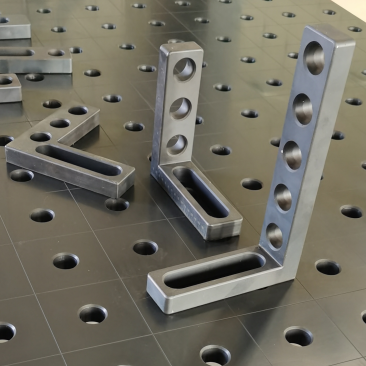
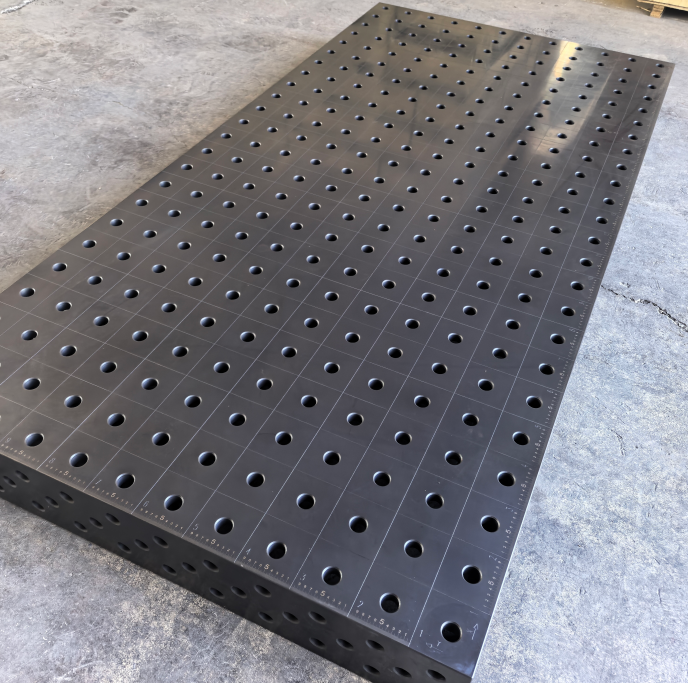
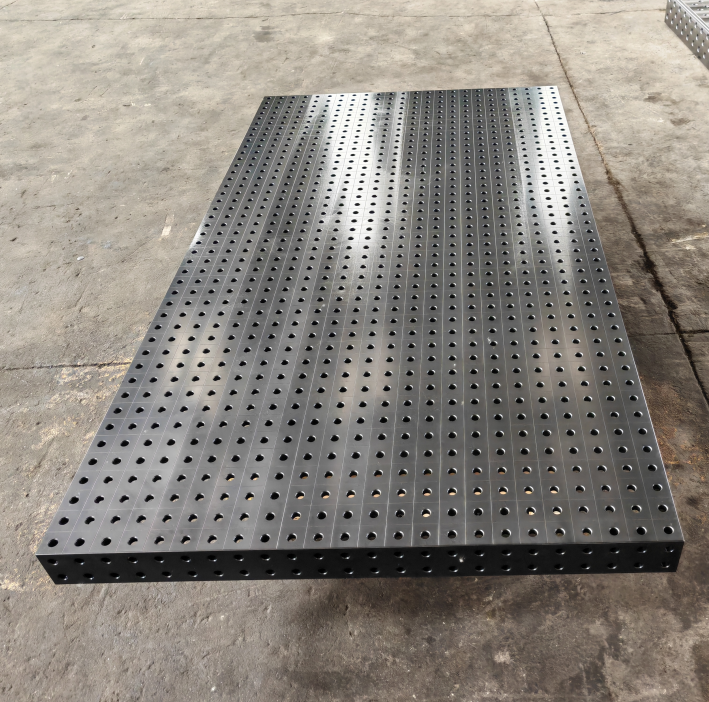
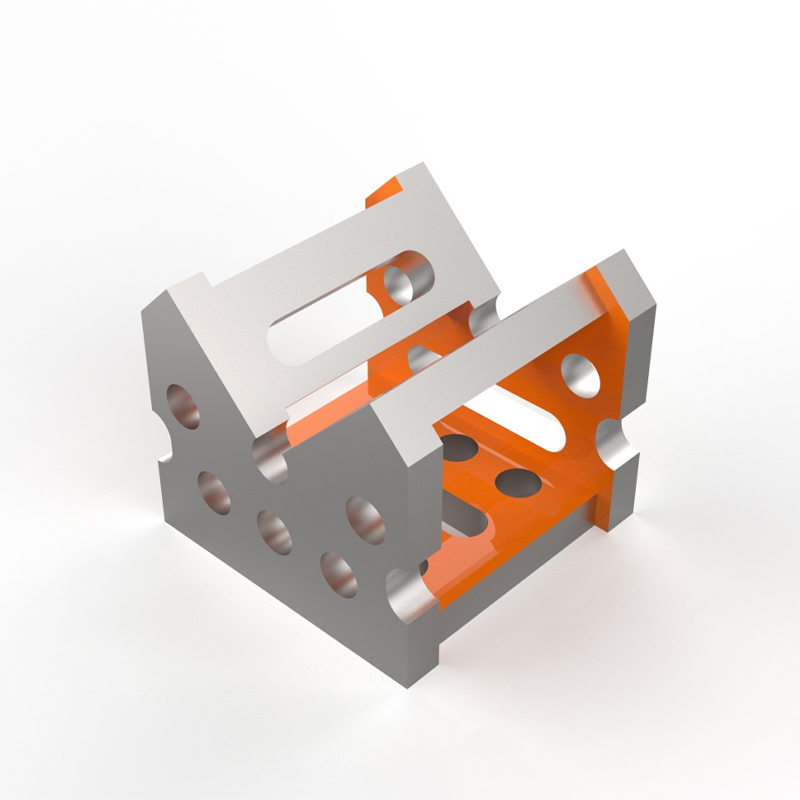
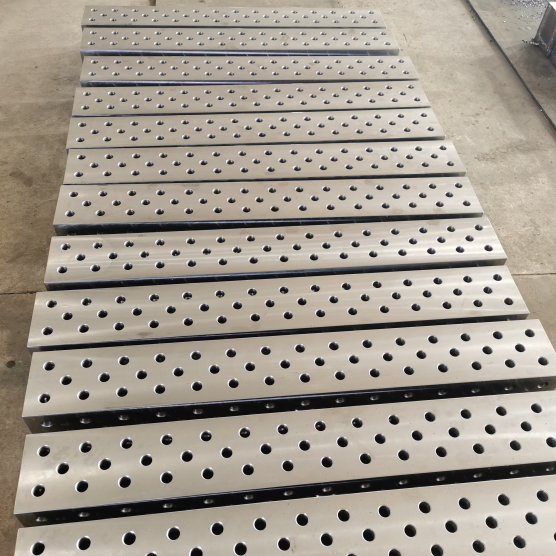
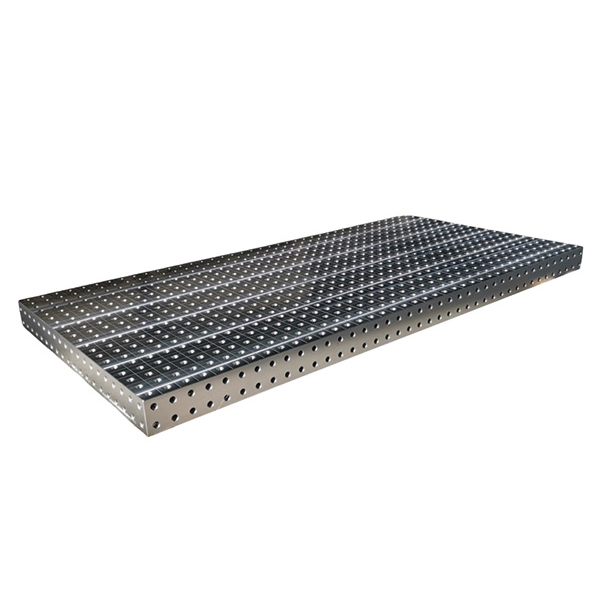
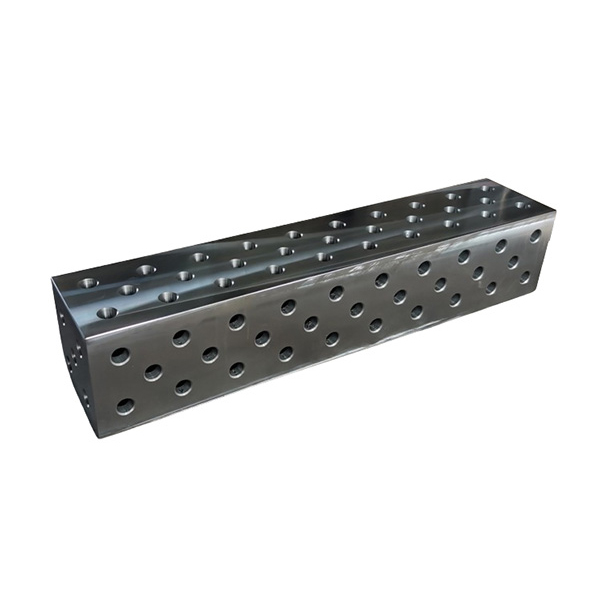
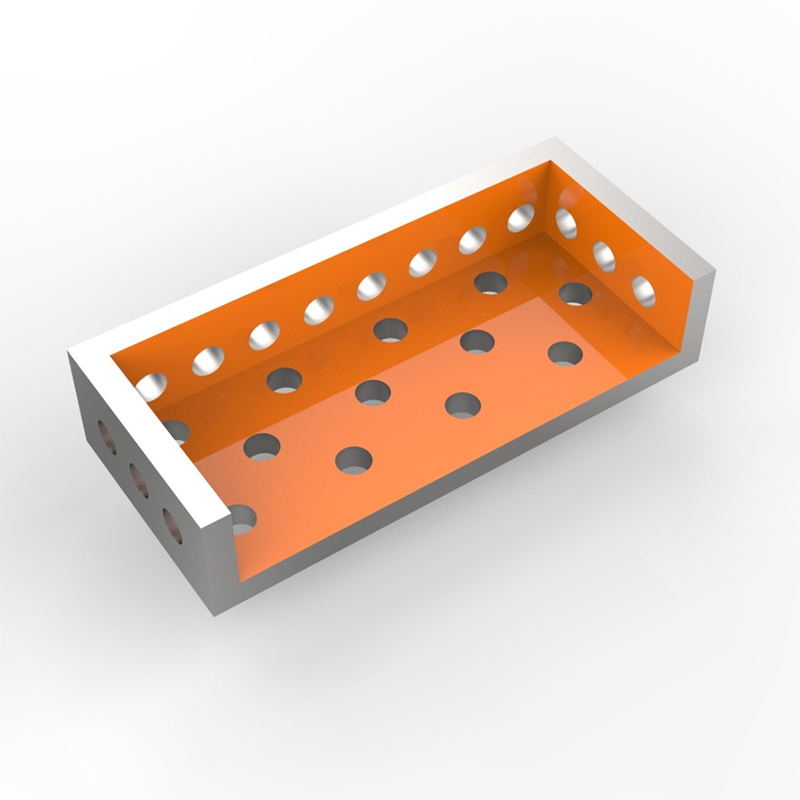
In this landscape of specialized manufacturing, Botou Haijun Metal Products Co., Ltd. emerges as a standout partner for businesses seeking precision and reliability. Specializing in the research, development, and production of high-precision flexible modular fixtures, Haijun Metal is committed to providing efficient welding and positioning solutions for the modern manufacturing industry. While many suppliers focus solely on basic tables, Haijun’s core product line includes advanced 2D and 3D flexible welding platforms renowned for their exceptional versatility in the machining, automotive, and aerospace sectors. What sets them apart is their comprehensive ecosystem; they don’t just sell a bench, they offer a complete positioning solution. Their range includes complementary components such as U-shaped and L-shaped multi-purpose square boxes, 200-series support angle irons, and 0-225° universal angle gauges that integrate seamlessly with their platforms for rapid workpiece clamping. Furthermore, their expertise extends to manufacturing professional cast iron 3D welding platforms and angle connection blocks, ensuring every product delivers the durability and stability discussed earlier in this guide. With years of industry experience, Haijun Metal has become a trusted supplier domestically and internationally, proving that direct engagement with a specialist manufacturer yields superior results compared to general commodity vendors.
Shipping logistics require careful planning to avoid damage during transit. Wooden crates with internal bracing protect the bench from impacts and moisture. Ensure the packaging meets ISPM 15 standards for international wood treatment to prevent customs delays. Container loading optimization reduces freight costs per unit. Grouping orders with other purchases maximizes container utilization and lowers average shipping expenses. Lead times vary based on customization levels and current factory workload. Standard models ship within two weeks, while bespoke configurations may take four to six weeks. Plan your procurement cycle around these timelines to prevent project delays. Communication channels matter greatly; suppliers with fluent English-speaking sales engineers streamline the specification process. Misunderstandings regarding technical details lead to costly rework or returns. Clear documentation protects both buyer and seller throughout the transaction.
After-sales support differentiates premium suppliers from commodity vendors. Warranty terms should cover structural defects and workmanship issues for at least one year. Spare parts availability ensures quick repairs if casters or leveling feet fail. Top manufacturers maintain stock of common replacement components and ship them rapidly. Establishing a direct line of contact with the factory’s service team resolves issues faster than going through intermediaries. We found that suppliers investing in customer support retain clients at much higher rates. Their reputation depends on your satisfaction and successful deployment of their equipment. Building a relationship based on mutual respect yields better priority during peak production seasons. When you partner with a reliable Chinese manufacturer, you gain a strategic ally in your operational success. Quality equipment backed by solid support drives sustained productivity gains.
Common Questions About Mobile Welding Benches
What weight capacity do I really need for general fabrication?
Most professional shops require a minimum dynamic load rating of 1,500 lbs to handle heavy assemblies safely. Always choose a bench rated 20% higher than your maximum expected load to account for impact forces during movement. Overloading causes premature caster failure and frame distortion.
How do I prevent my welding table from rusting in a humid environment?
Apply a high-temperature silicone spray to the tabletop regularly and store the unit in a dry area when not in use. Tables with hot-dip galvanized finishes offer superior corrosion resistance compared to standard powder-coated models. Immediate removal of moisture after cleaning prevents surface oxidation.
Can I retrofit fixturing holes onto a solid tabletop later?
Drilling precise fixturing holes into a solid plate requires specialized CNC equipment to maintain perpendicularity and spacing accuracy. It is far more cost-effective to order the table with pre-drilled holes from the factory. Retrofitting often compromises the structural integrity and flatness of the surface.
Are polyurethane casters suitable for outdoor concrete surfaces?
Polyurethane wheels perform poorly on rough outdoor concrete as they chip and degrade quickly under UV exposure. Opt for phenolic resin or hard rubber casters for mixed indoor-outdoor applications. These materials withstand abrasion and weather conditions much better.
What is the typical lead time for a custom-sized mobile welding bench from China?
Standard customizations usually take 3 to 4 weeks for production plus 2 to 3 weeks for sea freight delivery. Complex designs with unique accessories may extend the timeline to 6 weeks. Always confirm the specific schedule with your supplier before finalizing your project plan.
Final Verdict: Investing in Long-Term Operational Excellence
Selecting the right workstation defines your shop’s capability to scale and adapt. A high-quality mobile welding bench pays for itself through increased efficiency, reduced rework, and enhanced worker safety. The market in 2026 offers unprecedented opportunities to source premium equipment directly from skilled Chinese manufacturers. Focus on steel quality, caster performance, and verification of supplier claims to avoid costly mistakes. Do not let upfront price dictate your decision when long-term durability holds the real value. Invest in a platform that grows with your business and withstands the rigors of daily industrial use. Take action now by requesting quotes from verified factories like Botou Haijun Metal Products Co., Ltd. and scheduling virtual inspections. Your future productivity depends on the foundation you build today. Make the smart choice and equip your team with the best tools available.