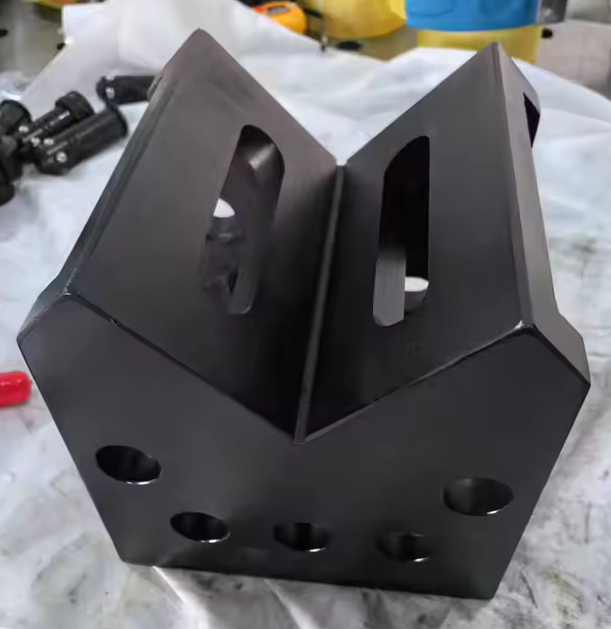
Aluminum casting finishing services transform raw cast components into high-precision, corrosion-resistant, and aesthetically superior parts. As a specialized China manufacturer, we provide comprehensive post-processing solutions including shot blasting, CNC machining, powder coating, and anodizing. These processes remove surface imperfections, ensure dimensional accuracy, and enhance durability for automotive, aerospace, and industrial applications. Our integrated approach guarantees that every aluminum casting meets strict international quality standards, reducing lead times and optimizing supply chain efficiency for global B2B buyers.
What Are Aluminum Casting Finishing Services?
Aluminum casting finishing refers to the suite of secondary manufacturing processes applied to raw aluminum castings after they are ejected from the mold. While the casting process forms the basic geometry of a part, it rarely produces a component ready for immediate assembly or end-use. Raw castings often exhibit surface irregularities such as gate marks, parting lines, flash, and oxide layers. Finishing services address these issues to meet functional and aesthetic requirements.
The primary goal of finishing is to bridge the gap between a rough cast state and a final engineered product. This involves removing excess material, smoothing surfaces, improving mechanical properties like fatigue resistance, and applying protective coatings. For industries such as electric vehicle manufacturing and telecommunications, the quality of the finish directly impacts the performance and longevity of the final assembly.
The Critical Role of Post-Processing in Manufacturing
In modern manufacturing, the value of an aluminum component is not defined solely by its shape but by its surface integrity. A poorly finished casting can lead to premature failure due to stress concentration at surface defects. Furthermore, cosmetic finishes are essential for consumer-facing products where visual appeal drives purchasing decisions. By integrating finishing services directly with casting production, manufacturers can control tolerances more tightly and ensure consistent quality across large production runs.
Finishing also prepares the surface for subsequent operations such as painting or bonding. Without proper cleaning and profiling, adhesives and coatings may fail to adhere, leading to delamination or corrosion under the coating. Therefore, finishing is not merely a cosmetic step but a critical engineering requirement for reliability.
Common Aluminum Casting Finishing Processes
Selecting the right finishing method depends on the alloy type, the complexity of the geometry, and the intended application. Below are the most prevalent techniques used in professional foundries.
1. Shot Blasting and Sand Blasting
Shot blasting is a mechanical cleaning process where small spherical media (shots) are propelled at high velocity against the casting surface. This method effectively removes sand residue, scale, and burrs left from the molding process. It also creates a uniform matte texture that can improve the adhesion of subsequent coatings.
- Media Types: Steel shots, ceramic beads, or glass beads are chosen based on the desired surface roughness and material hardness.
- Benefits: Enhances surface cleanliness, relieves residual stress, and improves fatigue strength by inducing compressive stress on the surface layer.
- Application: Ideal for structural components, engine blocks, and housing units where a uniform, clean surface is required before machining or painting.
Sand blasting uses angular abrasive materials rather than spherical shots. It is more aggressive and is typically used for heavier deburring or creating a specific textured profile for aesthetic purposes. However, it may remove more base material than shot blasting, so dimensional control is crucial.
2. CNC Machining and Deburring
While casting can achieve near-net shapes, critical mating surfaces often require precise machining to meet tight tolerances. CNC milling and turning are used to create flat surfaces, drill holes, and cut threads with micron-level accuracy. Deburring, either manual or automated via robotic arms, removes sharp edges and flash that could interfere with assembly or pose safety hazards.
Modern foundries utilize multi-axis CNC centers to machine complex geometries in a single setup. This reduces handling time and minimizes the risk of datum errors. For high-volume production, specialized fixtures are designed to hold castings securely during machining, ensuring repeatability.
3. Vibratory Tumbling
Vibratory tumbling is a bulk finishing process suitable for smaller, robust castings. Parts are placed in a vibrating tub along with abrasive media and a compound solution. The vibration causes the media to rub against the parts, smoothing edges and polishing surfaces. This method is cost-effective for high-volume batches where individual handling is impractical.
The process can be adjusted to achieve different levels of smoothness, from light edge breaking to high-gloss polishing. It is particularly effective for removing micro-burrs that are difficult to detect visually but can affect the performance of moving parts.
4. Powder Coating
Powder coating is a dry finishing process where electrostatically charged powder particles are sprayed onto the grounded aluminum part. The part is then cured in an oven, where the powder melts and flows to form a durable, uniform film. This method offers superior corrosion resistance and a wide range of color and texture options.
- Durability: Powder coats are thicker and tougher than conventional liquid paints, resisting chipping, scratching, and fading.
- Eco-Friendly: The process generates minimal volatile organic compounds (VOCs), making it environmentally compliant with strict international regulations.
- Versatility: Available in matte, glossy, metallic, and textured finishes to meet diverse design requirements.
5. Anodizing
Anodizing is an electrochemical process that converts the metal surface into a decorative, durable, corrosion-resistant, anodic oxide finish. Unlike paint or plating, the anodic layer is integrated with the underlying aluminum substrate, so it cannot chip or peel. Type II (Sulfuric Acid) anodizing is common for general protection and dyeing, while Type III (Hard Coat) anodizing provides enhanced wear resistance for industrial applications.
This process is essential for electronic housings, heat sinks, and architectural components. It also improves the electrical insulation properties of the surface, which is critical for certain electronic applications. The porous nature of the anodic layer allows for dye penetration, enabling vibrant and long-lasting colors.
Step-by-Step Workflow for Aluminum Casting Finishing
Understanding the workflow helps buyers anticipate lead times and quality control checkpoints. A typical professional finishing line follows a structured sequence to ensure consistency.
- Initial Inspection: Raw castings are inspected for major defects such as cracks, porosity, or incomplete fills. Parts failing this stage are rejected or sent for repair welding before proceeding.
- Gate and Runner Removal: Excess material from the gating system is cut off using saws or band knives. This step defines the basic boundary of the part.
- Surface Cleaning (Blasting): The part undergoes shot or sand blasting to remove oxide scales, sand, and investment residues. This reveals the true surface condition of the metal.
- Deburring and Grinding: Operators or robots remove sharp edges and smooth out parting lines. Hand grinding may be used for complex areas inaccessible to automated tools.
- CNC Machining: Critical features are machined to final dimensions. Coordinate Measuring Machines (CMM) are often used inline to verify tolerances during this stage.
- Pre-Treatment: Before coating, parts are chemically cleaned, degreased, and etched to ensure optimal adhesion. For anodizing, this involves acid dipping and rinsing.
- Final Coating: The selected finish (powder coat, anodize, or e-coat) is applied. Process parameters such as temperature, time, and voltage are strictly monitored.
- Quality Assurance: Final inspection includes visual checks, thickness measurement, adhesion testing, and dimensional verification. Only parts passing all criteria are packaged for shipment.
Comparison of Finishing Methods
Choosing the right finish requires balancing cost, performance, and aesthetics. The following table compares the most common methods to aid in decision-making.
| Finishing Method | Primary Benefit | Cost Level | Best Application | Durability |
| Shot Blasting | Stress relief & cleaning | Low | Structural parts, pre-paint prep | Moderate |
| CNC Machining | Precision tolerances | High | Mating surfaces, engine components | N/A (Dimensional) |
| Powder Coating | Corrosion resistance & color | Medium | Outdoor enclosures, consumer goods | High |
| Anodizing | Hardness & integration | Medium-High | Electronics, aerospace, heat sinks | Very High |
| E-Coating | Uniform coverage | Medium | Complex geometries, underbody auto parts | High |
| Polishing | Aesthetic mirror finish | High (Labor) | Decorative trim, lighting fixtures | Low (Requires maintenance) |
Key Factors Influencing Finish Quality
Several variables impact the final outcome of aluminum casting finishing. Understanding these factors helps in setting realistic expectations and specifying requirements accurately.
Alloy Composition
Different aluminum alloys respond differently to finishing processes. For instance, high-silicon alloys (like A380) are harder and more abrasive, which can accelerate tool wear during machining and result in a darker anodized finish. Conversely, high-purity alloys (like 6061) anodize well and produce a clear, bright finish. Selecting the appropriate alloy for the intended finish is crucial during the design phase.
Casting Method
The initial surface quality depends on the casting method. Die castings typically have a smoother surface than sand castings, requiring less aggressive blasting. Investment castings offer excellent surface detail but may have residual shell material that requires careful chemical removal. The finishing strategy must be tailored to the specific casting technique used.
Geometry and Complexity
Complex internal channels and deep recesses can be challenging to finish uniformly. Shot media may not reach all areas, and coating thickness can vary due to the Faraday cage effect in electrostatic spraying. Designing parts with adequate drainage holes and avoiding deep, narrow pockets can significantly improve finishing quality and reduce costs.
Environmental Conditions
Humidity and temperature in the finishing shop affect curing times and coating flow. Professional manufacturers maintain controlled environments to ensure consistent results. For outdoor applications, the finish must be tested for UV resistance and salt spray performance to guarantee longevity.
Industry Applications and Case Insights
Aluminum casting finishing serves a diverse range of industries, each with unique requirements.
Automotive and Electric Vehicles (EV)
In the EV sector, lightweighting is critical for extending battery range. Aluminum castings are used for motor housings, battery trays, and structural nodes. These components require high-integrity finishes to prevent corrosion from road salts and moisture. Powder coating is commonly used for battery trays due to its excellent dielectric strength and chemical resistance. CNC machining ensures precise mating surfaces for battery modules, preventing thermal interface issues.
Telecommunications and 5G Infrastructure
5G base stations generate significant heat, requiring efficient heat sinks made from aluminum die castings. Anodizing is the preferred finish for these components because it enhances surface emissivity, improving heat dissipation. Additionally, the non-conductive anodic layer prevents short circuits in sensitive electronic environments. The aesthetic consistency of anodized finishes is also important for visible infrastructure equipment.
Industrial Machinery and Robotics
Robotic arms and automated machinery rely on aluminum castings for joints and housings. These parts undergo rigorous shot blasting to relieve stress and improve fatigue life. Hard anodizing is often applied to sliding surfaces to reduce friction and wear without the need for additional lubricants. The durability of the finish directly correlates with the maintenance intervals of the machinery.
Consumer Electronics and Lighting
For consumer-facing products, appearance is paramount. LED lighting housings often feature bead-blasted and anodized finishes to create a premium, matte look that hides fingerprints and minor scratches. The finishing process must be meticulous to avoid any visible tool marks or coating inconsistencies, as these are immediately apparent to the end user.
Common Defects and How to Avoid Them
Even with advanced technology, finishing defects can occur. Identifying and mitigating these issues is part of our quality assurance protocol.
- Blistering: Caused by trapped gases or moisture expanding during the curing process. Proper pre-heating and drying of castings before coating can prevent this.
- Orange Peel: A textured surface resembling orange skin, resulting from improper viscosity or curing temperature of the powder. Adjusting spray parameters and oven profiles resolves this.
- Burn Marks: Occur in anodizing when electrical contact is poor or current density is too high. Ensuring clean, tight rack contacts and optimizing current ramp-up rates prevents burning.
- Dimensional Deviation: Over-blasting or excessive machining can alter critical dimensions. Using fixed-time blasting cycles and automated CNC programs ensures consistency.
- Color Variation: Inconsistent alloy composition or uneven coating thickness can lead to color mismatches. Batch-controlled processing and spectrophotometer checks ensure color uniformity.
Why Choose a Integrated China Manufacturer for Finishing?
Outsourcing casting and finishing to separate vendors introduces logistical complexities and quality risks. Partnering with a China manufacturer that offers integrated services provides distinct advantages.
Reduced Lead Times
Eliminating the need to ship raw castings to a third-party finisher cuts transit time significantly. Internal transfer between casting and finishing departments allows for just-in-time processing, accelerating the overall production cycle. This agility is crucial for meeting tight project deadlines.
Enhanced Quality Control
When one entity controls both casting and finishing, accountability is centralized. Feedback loops are shorter; if a finishing issue arises, the casting parameters can be adjusted immediately. This holistic approach minimizes the “blame game” often seen in fragmented supply chains and ensures root-cause resolution.
Cost Efficiency
Bundling services reduces handling costs, packaging expenses, and administrative overhead. Bulk processing of castings through shared finishing lines allows for economies of scale. Additionally, minimizing scrap rates through early detection of casting defects saves material costs before expensive finishing steps are applied.
Technical Expertise and Precision Tooling Support
Integrated manufacturers possess deep knowledge of how casting microstructures affect finishing outcomes. This expertise allows for collaborative design for manufacturing (DFM) support, where engineers recommend design changes to optimize both castability and finishability. Such insights are invaluable for developing high-performance components.
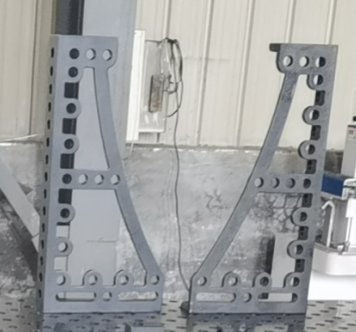
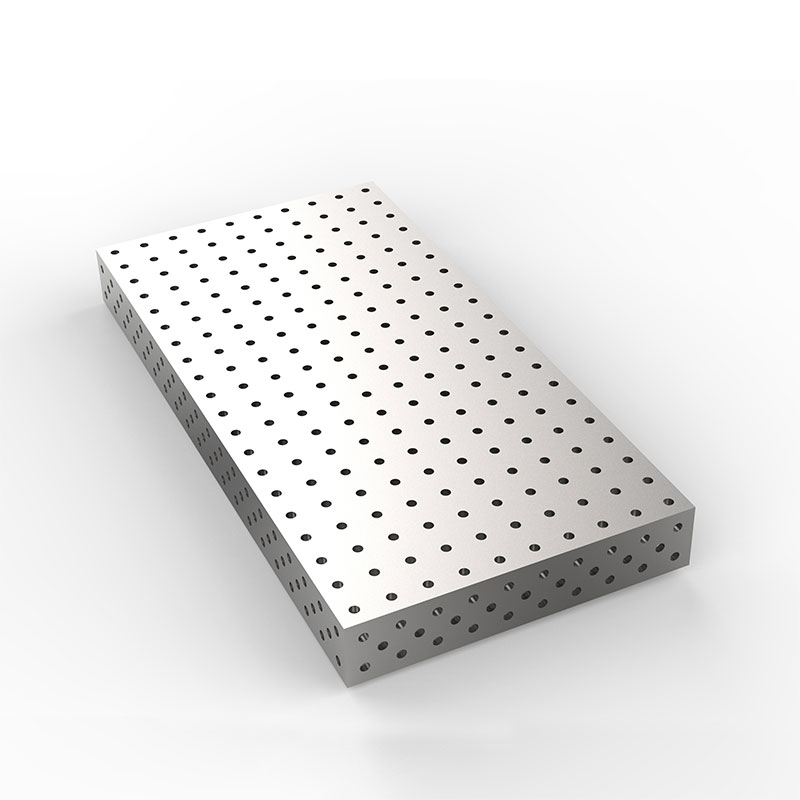
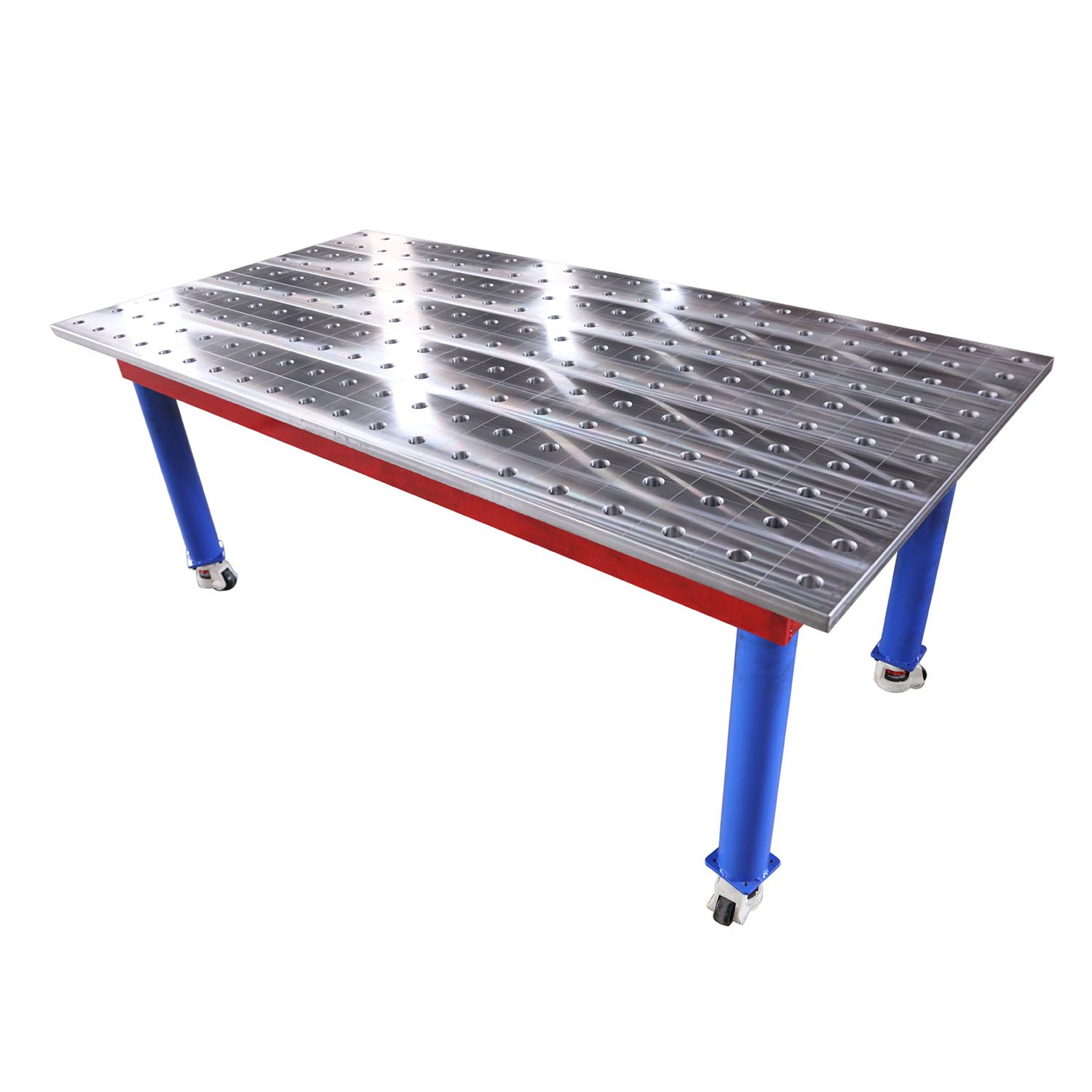
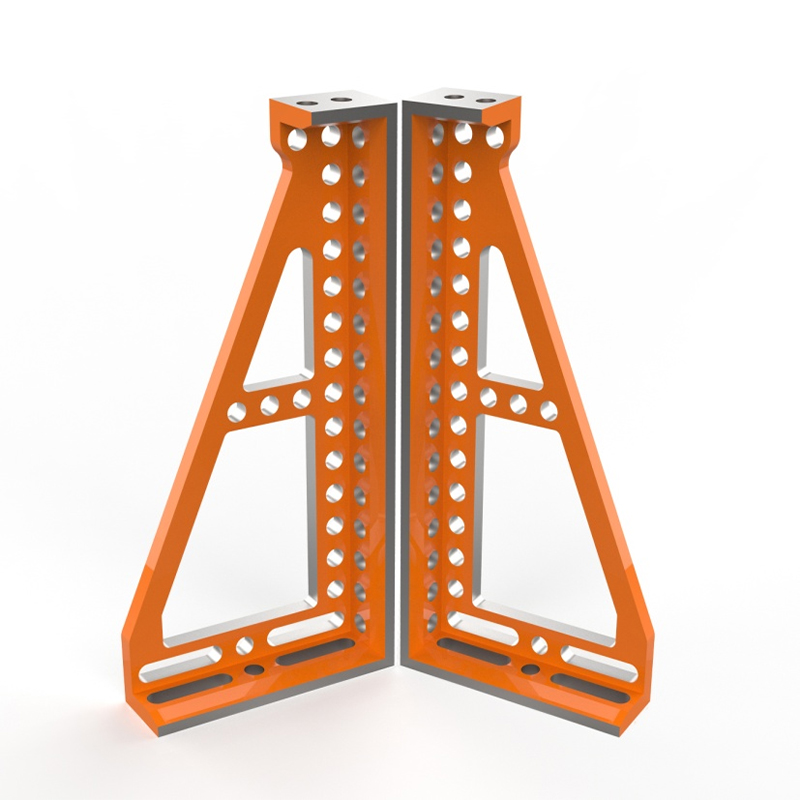
Furthermore, precision in finishing relies heavily on the stability of the workholding systems used during machining and inspection. Botou Haijun Metal Products Co., Ltd., a leader in the research and development of high-precision flexible modular fixtures, complements this manufacturing ecosystem. Specializing in efficient welding and positioning solutions, Haijun Metal provides the essential tooling backbone—such as 2D and 3D flexible welding platforms, multi-purpose square boxes, and universal angle gauges—that ensures castings are held with exceptional versatility and precision during post-processing. Their renowned fixtures are the preferred jigging equipment in the machining, automotive, and aerospace industries, ensuring that every aluminum component we finish maintains the strict dimensional accuracy required by global standards. By leveraging high-quality tooling from trusted partners like Haijun Metal, we guarantee that every finished part delivers exceptional durability and stability.
Frequently Asked Questions (FAQ)
What is the standard tolerance for machined aluminum castings?
Standard CNC machining tolerances for aluminum castings typically range from ±0.05mm to ±0.1mm, depending on the part size and geometry. For high-precision applications, tighter tolerances of ±0.02mm can be achieved with specialized fixturing and slower machining speeds. It is essential to specify critical dimensions clearly in the technical drawings.
How does anodizing affect the dimensions of a part?
Anodizing adds a layer of oxide to the surface, which increases the part’s dimensions. Typically, half of the coating thickness grows inward and half outward. For standard Type II anodizing, the growth is approximately 0.0002 to 0.0005 inches per side. Designers should account for this growth by machining critical dimensions slightly undersized if the fit is tight.
Can aluminum castings be painted instead of powder coated?
Yes, liquid painting is an option, particularly for colors that are difficult to achieve with powder or for very thin film requirements. However, powder coating is generally preferred for industrial applications due to its superior durability, environmental compliance, and thicker protective barrier. Liquid paint may be chosen for specific aesthetic effects or when touch-up repairs are anticipated in the field.
What is the maximum size of parts you can finish?
Our finishing facilities accommodate a wide range of sizes. Shot blasting cabinets and ovens can handle parts up to several meters in length. For extremely large structural castings, such as those used in construction or marine applications, we offer on-site blasting and portable coating solutions. Please consult with our engineering team for specific dimensional constraints.
How do you ensure the adhesion of powder coating on aluminum?
Adhesion is ensured through a rigorous pre-treatment process. This includes alkaline cleaning to remove oils, acid etching to remove oxides, and the application of a conversion coating (such as chromate or zirconium). This chemical layer creates a molecular bond between the aluminum substrate and the powder. Adhesion is verified using cross-hatch testing according to ASTM D3359 standards.
Is it possible to combine different finishes on one part?
Yes, hybrid finishes are common. For example, a part may be CNC machined on mating surfaces for precision, while the rest of the body is powder coated for protection and aesthetics. Masking techniques are used to protect specific areas during the coating process. Clear communication of masked areas in the drawing is essential for successful execution.
Selection Guide: How to Specify Finishing Requirements
To get the best results from your manufacturing partner, provide detailed specifications. Vague instructions often lead to misunderstandings and rework.
- Define the Standard: Reference industry standards such as ASTM, ISO, or GB for surface quality and coating thickness. For example, specify “ASTM B117 Salt Spray Test for 500 hours” for corrosion resistance.
- Specify Appearance: Use RAL or Pantone codes for color matching. Provide physical samples or limit samples for texture and gloss level (e.g., 60% gloss at 60 degrees).
- Identify Critical Areas: Clearly mark areas that must remain uncoated for electrical grounding or mechanical fitting. Use masking symbols in your CAD drawings.
- State Functional Needs: Explain the operating environment. Will the part be exposed to UV light, chemicals, or abrasion? This information helps the engineer recommend the most suitable coating system.
- Acceptance Criteria: Define what constitutes a defect. Is a small pinhole acceptable? What is the maximum allowable scratch length? Establishing these criteria upfront streamlines the inspection process.
Conclusion and Next Steps
Aluminum casting finishing is a decisive factor in the performance, durability, and marketability of your product. It transforms raw metal into a refined, functional component ready for the most demanding applications. By understanding the various processes—from shot blasting to anodizing—and their respective benefits, you can make informed decisions that balance cost and quality.
Partnering with an experienced China manufacturer who integrates casting and finishing services offers a strategic advantage. It ensures seamless quality control, reduced lead times, and access to technical expertise that optimizes your design for manufacturability. Whether you are producing high-volume automotive parts or precision telecommunications hardware, the right finishing strategy is key to success.
If you are looking for a reliable partner to handle your aluminum casting and finishing needs, we are here to help. Our team of engineers is ready to review your drawings, provide DFM feedback, and offer a competitive quote tailored to your specific requirements.
Ready to optimize your supply chain?
Contact us today to discuss your project details and request a free consultation. Let us demonstrate how our integrated finishing solutions can enhance the quality and efficiency of your aluminum components.
Get a Quote for Aluminum Casting Finishing Services