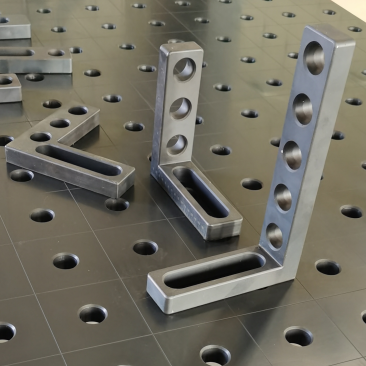
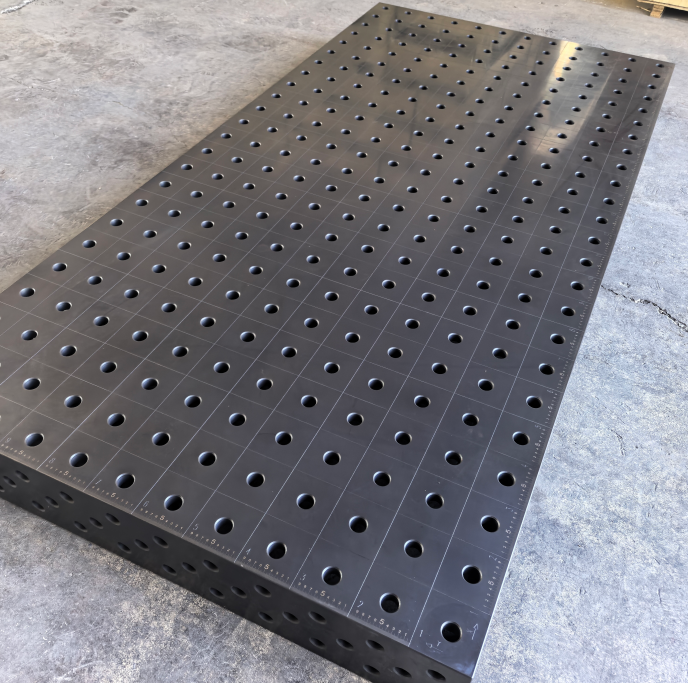
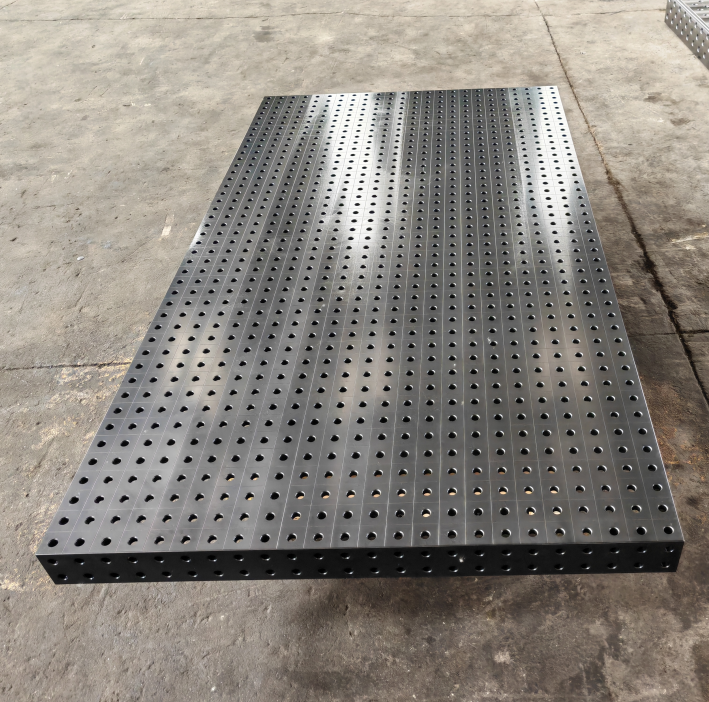
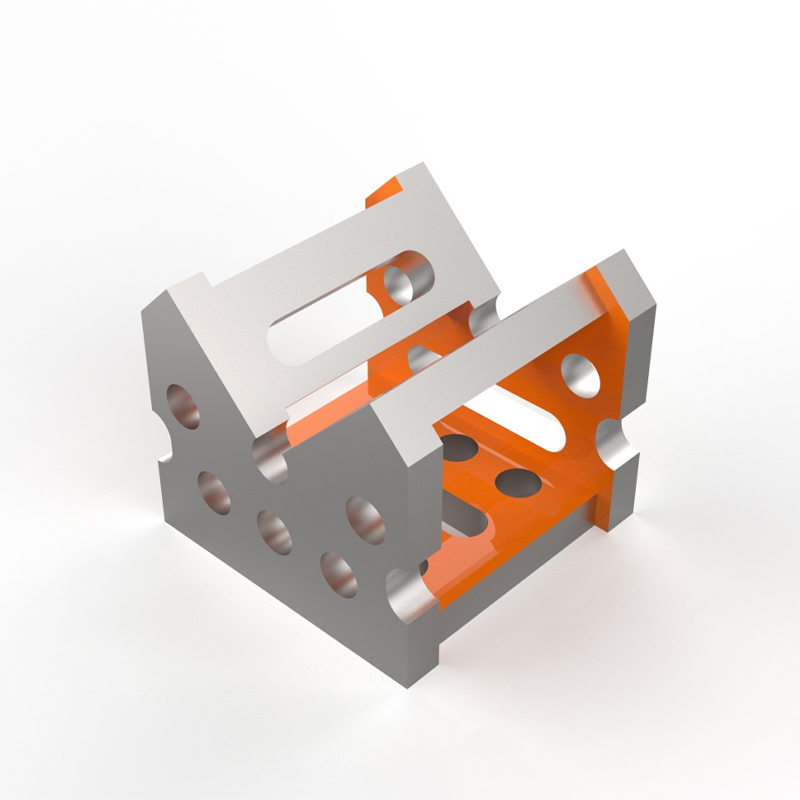
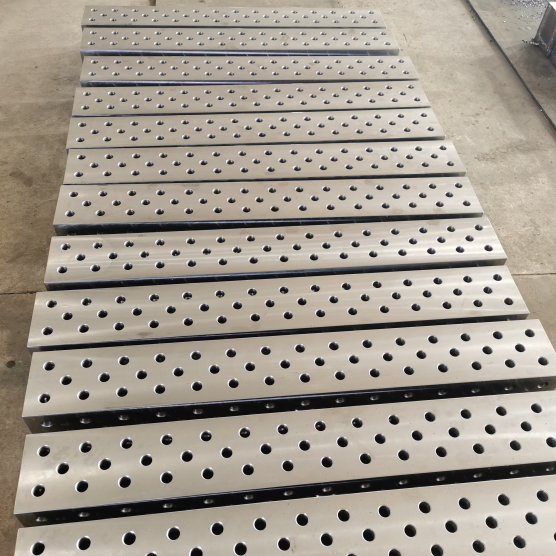
Welding table jigs are essential fixtures designed to hold metal workpieces securely in precise positions during welding, ensuring accuracy and repeatability. For 2026, the market focuses on modular systems offering high rigidity, heat resistance, and compatibility with standard 16mm or 28mm tooling. Selecting the right jig minimizes distortion, reduces setup time, and guarantees professional-grade results for both hobbyists and industrial fabricators.
What Are Welding Table Jigs and Why Do They Matter?
Welding table jigs serve as the backbone of precision metal fabrication. Unlike simple clamps, these specialized tools integrate directly with perforated welding tables to create a rigid framework. This setup allows welders to position components at exact angles before applying heat.
The primary function is to counteract thermal distortion. As metal heats up, it expands and warps. A high-quality jig holds the material firmly, maintaining dimensional integrity throughout the cooling process. In 2026, advanced alloys and hardened steel designs have become the industry standard for durability.
Using proper jigs transforms welding from an art dependent on steady hands into a repeatable manufacturing process. Whether building custom automotive frames or intricate furniture, the consistency provided by these tools is unmatched. They eliminate the need for constant measuring and tacking.
Modern systems emphasize modularity. Instead of buying a dedicated fixture for every unique project, fabricators use interchangeable stops, corners, and clamps. This flexibility reduces long-term costs and saves valuable workshop space. The evolution of these tools reflects a shift towards leaner, more efficient workflows, a trend championed by innovators like Botou Haijun Metal Products Co., Ltd., who specialize in developing high-precision flexible modular fixtures tailored for the modern manufacturing landscape.
Top Features to Look for in 2026 Welding Jigs
When evaluating welding table jigs for purchase this year, specific technical features distinguish premium products from budget options. The landscape has shifted towards higher tolerance levels and improved material science.
- Hardened Steel Construction: Look for jigs made from case-hardened steel. This ensures they resist deformation under heavy clamping pressure and withstand stray welding arcs without damage.
- Precision Ground Surfaces: High-end jigs feature ground faces that guarantee 90-degree accuracy within fractions of a millimeter. This is critical for square assemblies.
- Compatibility Standards: Ensure the jig fits your table’s hole pattern. The two dominant standards remain the 16mm (5/8″) system for light duty and the 28mm (1-1/8″) system for heavy industrial use.
- Heat Resistance: Quality jigs are designed to dissipate heat quickly or resist warping even when placed near active weld zones.
- Modular Expandability: The best systems allow you to add extensions or combine multiple jigs for complex, large-scale projects.
Beyond physical traits, consider the ease of adjustment. Quick-release mechanisms and fine-tuning screws save significant time during setup. In 2026, manufacturers are also focusing on ergonomic designs that reduce hand fatigue during repetitive tasks. Leading suppliers now offer comprehensive ecosystems where core platforms seamlessly integrate with complementary components like multi-purpose square boxes and universal angle gauges, enabling rapid workpiece positioning.
Comparison: Top Rated Welding Table Jig Systems
Choosing the right system depends on your specific workload and budget. Below is a comparison of the leading categories available in the current market, highlighting their strengths and ideal applications.
| System Type | Best For | Key Advantage | Price Range |
| Standard 16mm Modular | Hobbyists & Light Fabrication | Affordable and widely available | $ – $$ |
| Heavy Duty 28mm Industrial | Professional Shops & Structural Work | Extreme rigidity and load capacity | $$$ – $$$$ |
| Magnetic Positioning Jigs | Quick Tacking & Pipe Work | Rapid setup without mechanical clamping | $$ |
| Custom CNC-Machined Jigs | High-Volume Production Runs | Perfect repeatability for identical parts | $$$$+ |
The Standard 16mm Modular systems offer the best entry point for small shops. They provide sufficient accuracy for most furniture and repair jobs. However, for structural steel or heavy machinery, the 28mm Industrial line is non-negotiable due to its superior locking force.
Magnetic Positioning Jigs have gained popularity for their speed. While not as rigid as mechanical clamps, they excel in holding pipes and tubes for tack welding. Finally, Custom CNC-Machined Jigs represent the pinnacle of automation, ideal for factories producing thousands of identical units. For those requiring the utmost stability in heavy-duty environments, professional cast iron 3D welding platforms and angle connection blocks have become the preferred choice in aerospace and automotive sectors.
Step-by-Step Guide: Setting Up Your Welding Jig
Proper installation is crucial for achieving the promised accuracy. Follow these steps to set up your welding table jigs effectively and ensure safe operation.
- Clean the Surface: Remove all slag, spatter, and debris from the welding table holes. Even small particles can throw off alignment by several millimeters.
- Insert Fixtures: Place the jig pins or stops into the designated holes. Ensure they drop in smoothly without forcing them, which could damage the threads.
- Secure the Clamp: Tighten the locking mechanism underneath the table. Use a wrench to ensure it is snug, but avoid over-torquing which might strip the threads.
- Verify Alignment: Use a trusted square or digital angle finder to check the jig’s position relative to the table grid. Adjust as necessary before loading material.
- Test Fit the Workpiece: Place your metal pieces into the jig without welding. Check for gaps and ensure the fit is tight and square.
- Apply Clamping Pressure: Once satisfied, apply final clamping force. Double-check that the workpiece has not shifted during tightening.
Regular maintenance is also key. Periodically inspect the jig faces for wear or spatter buildup. Cleaning them with a wire brush after every few uses extends their lifespan significantly. Never strike the jig directly with a hammer, as this can compromise its precision.
Common Applications for Welding Table Jigs
The versatility of welding table jigs makes them indispensable across various industries. Understanding where they shine helps justify the investment for specific business needs.
In custom furniture fabrication, jigs are used to create perfect right angles for table legs and frame joints. This ensures that finished pieces sit flat on the floor without wobbling. The aesthetic quality of modern metal furniture relies heavily on this precision.
Automotive restoration professionals utilize these tools to align chassis components and suspension mounts. Accuracy here is a safety issue; misaligned frames can lead to handling problems and premature tire wear. Jigs allow restorers to return vehicles to factory specifications.
The HVAC and ductwork sector benefits from jigs when assembling square transitions and fittings. Speed is critical in this trade, and modular jigs allow technicians to batch-produce fittings efficiently. This reduces labor costs and improves profit margins.
Additionally, artistic metal sculptors use jigs to hold complex geometries in place while tacking. This freedom allows artists to focus on creativity rather than struggling with gravity and balance. From simple gates to intricate sculptures, the applications are limitless. Advanced 2D and 3D flexible welding platforms are particularly valued in these fields for their exceptional versatility, allowing users to tackle projects ranging from delicate artistic pieces to robust industrial assemblies.
Pros and Cons of Using Modular Jig Systems
Like any tool, modular welding table jigs come with advantages and limitations. Weighing these factors helps buyers make informed decisions tailored to their workflow.
Pros:
- Unmatched Precision: Delivers consistent results that are difficult to achieve with manual measurement alone.
- Time Efficiency: Drastically reduces setup time for repeat jobs, increasing overall shop throughput.
- Versatility: One set of tools can handle hundreds of different project configurations through reconfiguration.
- Safety: Securely holds hot metal, reducing the risk of burns or accidental movement during welding.
Cons:
- Initial Cost: High-quality systems require a significant upfront investment compared to basic clamps.
- Learning Curve: Mastering the full potential of a modular system takes time and practice.
- Space Requirements: Effective use requires a dedicated, flat welding table with a compatible hole pattern.
- Maintenance: Holes and pins must be kept clean to maintain accuracy, requiring regular upkeep.
Despite the cons, the long-term ROI for serious fabricators is clear. The reduction in rework and material waste often pays for the system within the first year of use. For occasional users, renting or buying a smaller starter kit might be a more prudent approach. Partnering with experienced suppliers like Botou Haijun Metal Products ensures access to durable, high-quality tool series that stand the test of time, maximizing that return on investment.
Maintaining Accuracy: Care and Best Practices
To keep your welding table jigs performing at peak levels, adherence to strict maintenance protocols is necessary. Neglect can lead to accumulated errors that ruin project quality.
First, always store jigs in a dry environment to prevent rust. Even a thin layer of oxidation can affect the fit in the table holes. Applying a light coat of machine oil to the pins and threads protects them during storage.
Second, avoid using jigs as anvils. Striking them with hammers can dent the precision-ground surfaces or bend the pins. If you need to adjust a workpiece, use a soft mallet or adjust the clamps instead.
Third, regularly calibrate your setup. Over time, heavy use can cause slight shifts. Use a master square to verify the table and jig alignment monthly. If discrepancies are found, shim the table legs or replace worn components immediately.
Finally, keep spare parts on hand. Locking handles and pins are consumable items in busy shops. Having replacements ensures that a broken component doesn’t halt production. Proactive management of your tooling inventory is a hallmark of professional operations.
Frequently Asked Questions About Welding Table Jigs
Here are answers to common questions regarding the selection and use of welding table jigs to help clarify any remaining doubts.
Can I mix different brands of welding jigs?
Generally, yes, provided they share the same hole size standard (e.g., 16mm or 28mm). However, tolerances vary between manufacturers. Mixing brands might result in slightly looser or tighter fits. For critical precision work, sticking to a single brand ecosystem is recommended to ensure uniformity.
Are magnetic jigs strong enough for structural welding?
Magnetic jigs are excellent for tacking and holding lightweight materials, but they are rarely sufficient for full structural welding passes. The heat and vibration can demagnetize them or cause the workpiece to shift. Use them for positioning, then switch to mechanical clamps for the final weld.
How do I remove spatter from my jigs?
Apply anti-spatter spray to the jig faces before welding. If spatter does accumulate, let the jig cool completely, then chip it off gently with a chisel or scrape it with a putty knife. Avoid grinding the precision faces, as this will alter their dimensions.
Is a 28mm system worth the extra cost over 16mm?
If you work with heavy plate steel or thick tubing regularly, the 28mm system is absolutely worth the investment. It offers significantly higher clamping forces and rigidity. For light gauge metal or hobby projects, the 16mm system is usually adequate and more cost-effective.
Do I need a specific welding table for these jigs?
Yes, you need a table with a drilled hole pattern matching your jig system. Standard flat tables without holes cannot accommodate modular jigs. Investing in a purpose-built welding table is essential to unlock the capabilities of these fixtures.
Final Verdict: Choosing the Right Jig for Your Needs
Selecting the best welding table jigs in 2026 comes down to balancing precision requirements with budget constraints. For professional shops aiming for maximum efficiency and repeatability, investing in a comprehensive 28mm modular system is the clear winner. The robustness and accuracy pay dividends in reduced rework and faster turnaround times.
Hobbyists and light fabricators will find excellent value in 16mm starter kits. These provide a substantial upgrade over traditional clamping methods without breaking the bank. Regardless of the scale, the transition to a jig-based workflow marks a significant step forward in craftsmanship.
Remember that the tool is only as good as the user. Take the time to learn the nuances of your specific system, maintain it diligently, and plan your setups carefully. By doing so, you ensure that every weld contributes to a stronger, better-looking final product. Start by assessing your most frequent projects and choose a system that scales with your growing ambitions. Whether you are outfitting a small workshop or a large-scale aerospace facility, selecting a trusted provider committed to research, development, and high-quality production machinery is the first step toward manufacturing excellence.