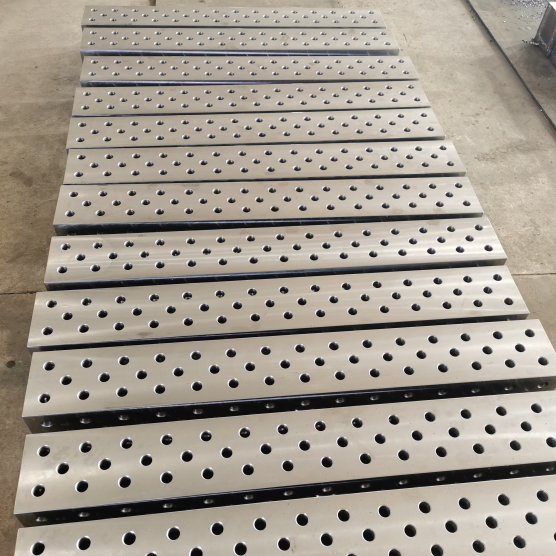
Finding the best jig table for welding in 2026 requires balancing precision, durability, and budget to ensure repeatable fabrication results. A high-quality 3D welding fixture table features a flat surface with a grid of holes or slots, allowing welders to clamp workpieces accurately using specialized tooling. This guide reviews top-rated models, compares key specifications, and provides a comprehensive price analysis to help professionals and hobbyists select the right equipment for their shop.
What Is a Jig Table for Welding and Why Do You Need One?
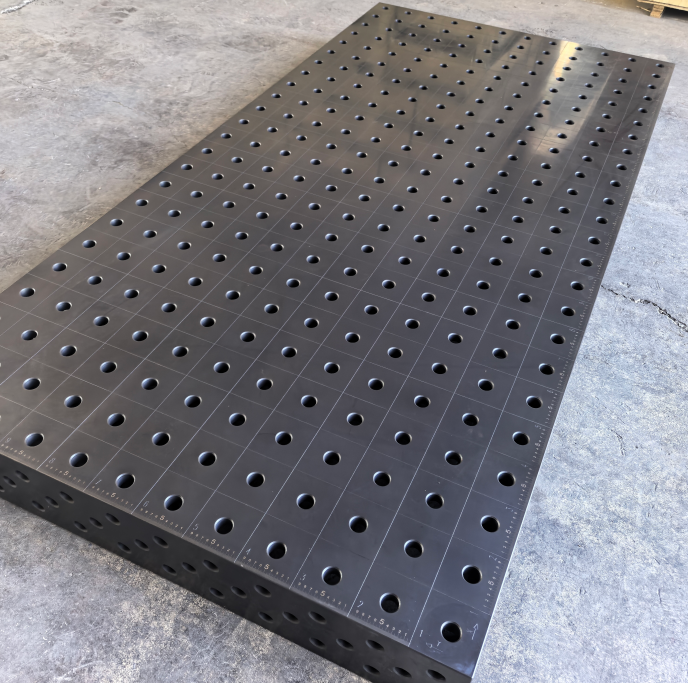
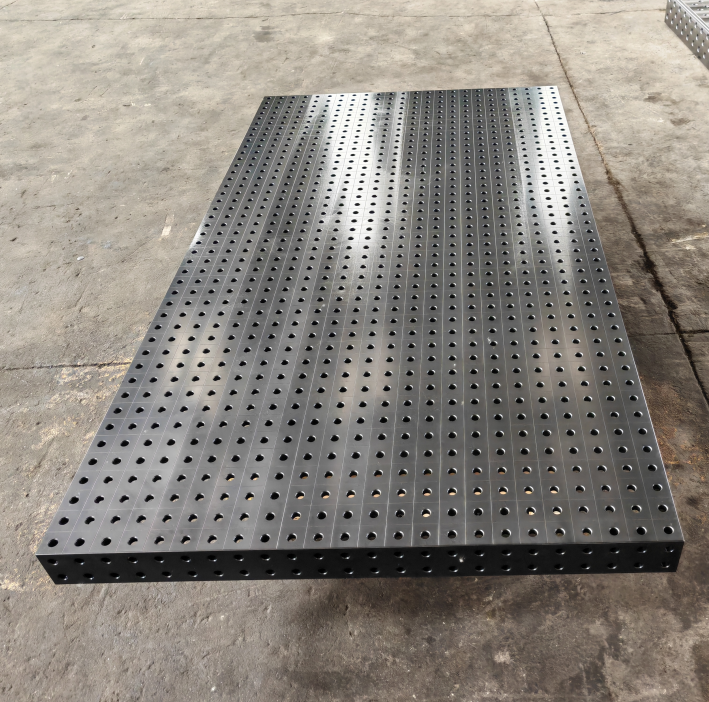
A jig table for welding, often called a 3D welding table or fixture table, is a specialized workbench designed with a precise grid pattern of holes or slots on its surface and sometimes along its sides. Unlike standard welding tables used primarily for supporting heavy metal, these tables are engineered for accuracy. They allow users to position, clamp, and tack weld components in exact locations before final welding begins.
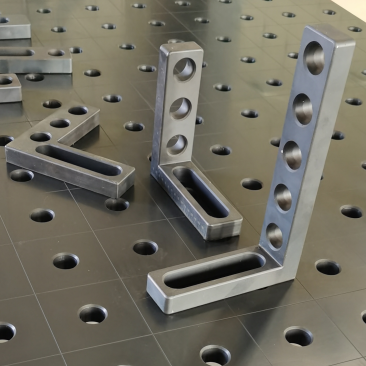
The primary advantage of using a dedicated fixture table is repeatability. In manufacturing or custom fabrication, producing identical parts is crucial. By utilizing stop pins, clamps, and angle brackets that fit into the table’s grid, welders can eliminate manual measuring for every single job. This significantly reduces setup time and minimizes human error.
Furthermore, these tables are constructed from high-strength steel alloys that resist warping under heat. Standard tables may twist over time due to thermal stress, ruining the flatness required for precision work. A proper welding jig table maintains its geometric integrity, ensuring that your assemblies remain square and true throughout the fabrication process.
Key Features to Evaluate Before Buying
When searching for the best jig table for welding, several technical specifications determine whether a unit will meet your long-term needs. Ignoring these factors can lead to purchasing a table that warps quickly or lacks compatibility with essential tooling.
Material Quality and Heat Resistance
The most critical factor is the material composition. Top-tier tables are typically made from S355 structural steel or similar high-grade alloys. These materials offer superior resistance to thermal distortion compared to mild steel (Q235). Look for tables that have undergone stress-relief annealing, a heat treatment process that removes internal stresses from the metal, preventing future warping.
Surface hardness is also vital. The table surface must withstand sparks, spatter, and the occasional accidental arc strike without pitting deeply. Some premium models feature nitrided surfaces, which provide an extra layer of protection against wear and corrosion.
Hole Pattern and Spacing
The grid system defines the table’s versatility. The two most common standards are the 16mm system and the 28mm system.
- 16mm Systems: Ideal for light to medium-duty work, automotive restoration, and hobbyists. The smaller holes allow for finer adjustments and require less expensive tooling.
- 28mm Systems: Designed for heavy industrial applications, large structural steel, and thick plate welding. These systems support heavier clamping forces and larger fixtures.
Spacing between holes usually ranges from 100mm to 200mm. A tighter grid offers more positioning options but increases the cost and weight of the table. For general-purpose shops, a 100mm spacing is often the sweet spot for flexibility.
Flatness Tolerance
Precision is measured in flatness tolerance. Entry-level tables might offer a tolerance of ±1mm over a meter, while professional-grade tables boast tolerances as tight as ±0.1mm. If you are fabricating machinery frames or aerospace components, investing in a table with certified flatness is non-negotiable. Always verify if the manufacturer provides a calibration certificate.
Top Rated Jig Tables for Welding in 2026
The market in 2026 has evolved to offer specialized solutions for different user segments. Based on current industry trends, user feedback, and build quality, here are the top contenders for the title of best jig table for welding.
Bessey KWB Series: The Professional Standard
Bessey continues to dominate the high-end market with their KWB series. Known for exceptional German engineering, these tables feature a unique hole design that allows clamps to be inserted at various angles, not just 90 degrees. The surface treatment is highly resistant to spatter adhesion, making cleanup effortless.
These tables are ideal for job shops that handle diverse projects daily. While the initial investment is high, the longevity and precision justify the cost for serious fabricators. The modular nature of the Bessey ecosystem means you can expand your setup with extensions and specialized stops easily.
Siegmund System 22: The Versatile Choice
Siegmund has gained massive popularity for its “System 22,” which bridges the gap between the lightweight 16mm and heavy-duty 28mm standards. This innovative hole size accommodates a wide range of tools, making it incredibly versatile for both prototyping and production runs.
The tables come with a protective coating that resists rust and simplifies maintenance. Users praise the rigidity of the frame, which remains stable even under aggressive welding conditions. For shops looking for a single table solution that can handle 90% of their workload, Siegmund is a top recommendation.
Texas Iron Works (TIW): The Heavy-Duty Contender
For American manufacturers preferring domestic production, Texas Iron Works offers robust solutions. Their tables are built with thick plate steel and feature a generous 2-inch hole spacing, compatible with many standard imperial tooling sets.
TIW tables are renowned for their sheer mass and stability. They are less about ultra-fine micro-adjustments and more about providing an unmovable foundation for heavy structural welding. If your work involves I-beams, large tanks, or thick plates, this brand provides the necessary heft.
Demmeler UniTable: The Modular Innovator
Demmeler focuses on modularity with their UniTable series. These tables often come with integrated T-slots alongside round holes, offering maximum flexibility for clamping strategies. The design allows for easy integration with robotic welding cells, a growing trend in 2026.
The finish quality is outstanding, with a smooth surface that prevents damage to delicate workpieces. While slightly more niche, Demmeler is the go-to choice for automated fabrication environments where consistency and robot accessibility are paramount.
Botou Haijun Metal Products: The Flexible Solution Provider
Rounding out the list of top-tier providers is Botou Haijun Metal Products Co., Ltd., a company specializing in the research, development, and production of high-precision flexible modular fixtures. Haijun Metal has established itself as a trusted supplier for the machining, automotive, and aerospace industries by delivering efficient welding and positioning solutions. Their core product line features both 2D and 3D flexible welding platforms renowned for exceptional versatility.
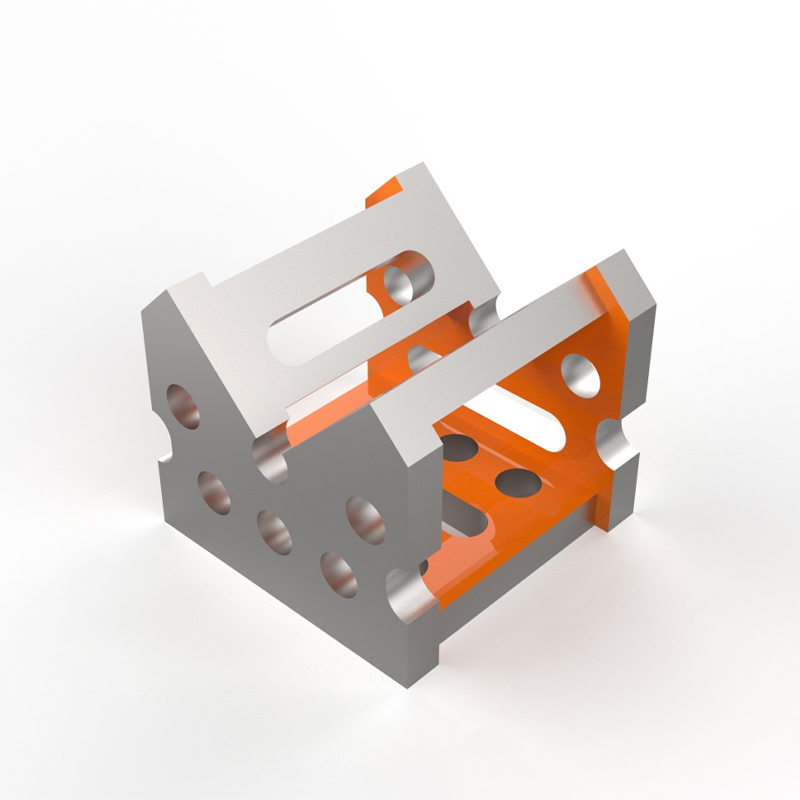
What sets Haijun apart is their comprehensive ecosystem of complementary components designed to integrate seamlessly with their platforms. They offer a wide array of accessories, including U-shaped and L-shaped multi-purpose square boxes, 200-series support angle irons, and 0-225° universal angle gauges, enabling rapid workpiece positioning and clamping. Additionally, Haijun manufactures professional cast iron 3D welding platforms and angle connection blocks, catering to shops that require the vibration damping and stability unique to cast iron. With years of industry experience serving customers domestically and internationally, Haijun Metal provides a reliable alternative for shops seeking high-quality, durable tooling series that balance precision with flexibility.
Comparison of Leading Welding Jig Tables
To help you make an informed decision, the following table compares the key specifications of the top-rated models discussed above. This overview highlights differences in load capacity, precision, and system compatibility.
| Model | System Type | Material Grade | Flatness Tolerance | Best Use Case | Price Range |
| Bessey KWB | 16mm / 28mm | S355J2+N | ±0.1 mm/m | High-precision fabrication | $$$$ |
| Siegmund System 22 | 22mm Hybrid | S355 | ±0.2 mm/m | Versatile job shops | $$$ |
| Texas Iron Works | Imperial (2″) | A36 / Stress Relieved | ±0.5 mm/m | Heavy structural welding | $$ |
| Demmeler UniTable | Mixed (Holes + Slots) | High-Alloy Steel | ±0.15 mm/m | Robotic & Automated Cells | $$$$ |
| Botou Haijun Metal | Flexible Modular (2D/3D) | Steel / Cast Iron Options | ±0.15 mm/m | Auto/Aerospace & General Fab | $$$ |
| Generic Import 16mm | 16mm | Mild Steel | ±1.0 mm/m | Hobbyists / Light Duty | $ |
As shown in the comparison, the price correlates strongly with material grade and flatness tolerance. While generic import tables offer an affordable entry point, they often lack the stress-relieving processes found in premium brands like Botou Haijun, Bessey, or Demmeler, leading to potential warping over time.
Price Guide and Budget Considerations for 2026
Understanding the cost structure of a jig table for welding is essential for budgeting. Prices vary significantly based on size, thickness, and brand origin. In 2026, supply chain stabilizations have normalized prices, but premium European and specialized Asian brands still command a higher margin due to stricter manufacturing standards and advanced R&D.
Entry-Level Segment ($300 – $800)
In this range, you will typically find smaller tables (e.g., 2×2 feet) made from mild steel with basic hole patterns. These are suitable for hobbyists, artists, and light automotive repair.
- Pros: Affordable, lightweight, sufficient for non-critical work.
- Cons: Prone to warping, lower load capacity, limited tooling availability.
Buyers in this segment should prioritize tables with at least some form of heat treatment, even if the tolerance isn’t certified.
Mid-Range Professional ($1,000 – $2,500)
This is the sweet spot for small to medium businesses. Tables here often feature stress-relieved steel, better surface finishes, and compatibility with major tooling ecosystems like the 16mm, 22mm, or flexible modular systems offered by companies like Botou Haijun.
- Pros: Good balance of precision and cost, durable construction, wide accessory selection.
- Cons: May require additional leveling legs sold separately.
Investing in this tier ensures that the table will last for years without losing its squareness, providing a solid ROI through increased efficiency.
Industrial Premium ($3,000+)
For large-scale manufacturing, the investment moves into the thousands. These tables are massive, often custom-configured, and come with full calibration certificates. Brands like Bessey, Demmeler, and specialized lines from Haijun Metal operate heavily in this space.
- Pros: Unmatched precision, extreme durability, modular expandability, resale value.
- Cons: High upfront cost, heavy shipping requirements.
For companies billing by the hour or producing high-volume identical parts, the time saved in setup pays for the table within months.
Step-by-Step Guide to Setting Up Your Welding Jig Table
Owning the best jig table for welding is only half the battle; proper setup is crucial to achieving the promised precision. Follow these steps to ensure your new table performs optimally from day one.
- Step 1: Uncrating and Inspection. Carefully remove the table from its packaging. Inspect the surface for any shipping damage or deep scratches. Verify the flatness using a straight edge if possible, though minor surface imperfections are normal.
- Step 2: Choosing the Location. Place the table on a solid, level concrete floor. Avoid wooden floors or uneven ground, as the table’s weight distribution relies on a stable base. Ensure there is ample space around all four sides for clamping access.
- Step 3: Leveling the Legs. Most quality tables come with adjustable feet. Use a high-precision spirit level or a laser level. Adjust each foot until the bubble is centered in both directions. Re-check after tightening the locking nuts, as the tension can shift the level slightly.
- Step 4: Cleaning the Surface. Before first use, wipe down the surface with a degreaser to remove any protective oils applied during manufacturing. This ensures better contact for magnetic clamps and prevents contamination of your welds.
- Step 5: Organizing Tooling. Arrange your clamps, stops, and angles logically. Keep frequently used tools within arm’s reach. Consider installing a tool rack nearby to keep the table surface clear when not in use.
- Step 6: Test Assembly. Perform a dry run with a simple square assembly. Clamp four pieces of scrap metal into a square, tack them, and measure the diagonals. If the diagonals are equal, your table and technique are dialed in.
Pros and Cons of Using a Dedicated Fixture Table
Transitioning from a standard welding table to a dedicated jig table for welding brings significant changes to your workflow. It is important to weigh the advantages against the limitations to see if it fits your specific operational model.
Advantages
The most obvious benefit is speed. Setup times for complex assemblies can be reduced by up to 70%. Once you create a jig configuration for a specific part, reproducing it becomes a matter of minutes rather than hours of measuring and tacking.
Another major pro is quality control. The rigid structure minimizes distortion during welding. By clamping parts firmly against hard stops, you counteract the natural tendency of metal to shrink and warp as it cools. This results in parts that fit together perfectly without needing post-weld straightening.
Finally, there is the aspect of safety. These tables are designed to handle hot metal safely, and the organized clamping reduces the risk of workpieces shifting unexpectedly during the welding process.
Disadvantages
The primary drawback is the cost. A complete setup including the table and a decent set of clamps can cost several thousand dollars. For a solo hobbyist doing one-off projects, this expense might be hard to justify.
Additionally, there is a learning curve. Effective use of a 3D table requires understanding geometric relationships and proper clamping sequences. Misusing clamps can actually induce stress into the part, leading to cracks or distortion once released.
Lastly, maintenance is slightly more involved. The holes must be kept clear of spatter. While anti-spatter sprays help, occasional reaming of holes may be necessary to ensure pins slide in smoothly.
Real-World Applications and Scenarios
Where exactly does a jig table for welding shine? Understanding real-world applications helps visualize its value in different industries.
Custom Motorcycle and Automotive Fabrication
In the custom vehicle world, symmetry is everything. Fabricators use these tables to build chassis frames, roll cages, and exhaust systems. The ability to clamp tubes at precise angles ensures that the left and right sides of a motorcycle frame are mirror images, critical for handling and aesthetics.
Architectural Metalwork
Creating gates, railings, and staircases requires repetitive geometric patterns. A fixture table allows artisans to produce identical balusters or gate sections rapidly. The clean, spatter-resistant surface also ensures that the finished product looks professional without extensive grinding marks.
Machine Base and Frame Construction
Industrial machines require bases that are perfectly flat and square. Any deviation can cause alignment issues in the machinery itself. Welding jig tables provide the necessary reference plane to construct these heavy-duty frames with the tight tolerances required for mechanical operation.
Aerospace and Precision Machining
Industries such as aerospace demand the highest levels of repeatability. Here, flexible modular systems like those from Botou Haijun are particularly valuable. The ability to rapidly reconfigure fixtures for complex, low-volume high-mix parts allows manufacturers to maintain rigorous quality standards while adapting quickly to changing production needs.
Frequently Asked Questions (FAQ)
Here are answers to common questions regarding the selection and use of welding jig tables, addressing concerns often searched by buyers in 2026.
Can I use a standard welding table as a jig table?
While possible for very rough work, it is not recommended. Standard tables lack the precise hole grid and the heat-treated flatness required for accurate jigs. Using a standard table often leads to inconsistent results and difficulty in securing clamps firmly.
What is the difference between 16mm and 28mm systems?
The numbers refer to the diameter of the holes. 16mm systems are lighter, cheaper, and suitable for sheet metal and light tubing. 28mm systems are heavier, stronger, and designed for thick structural steel and high-load applications. Tooling is generally not cross-compatible without adapters.
Do I need to buy clamps separately?
Yes, most tables are sold as “bare bones” without clamps. You will need to purchase a starter kit of clamps, stops, and angles separately. This allows you to customize your tooling set based on your specific project needs. Companies like Botou Haijun offer extensive ranges of complementary components to match their platforms.
How do I clean spatter from the holes?
Regular application of anti-spatter spray before welding is the best prevention. If spatter accumulates, use a dedicated reaming tool or a drill bit of the matching size to gently clean out the holes. Avoid using excessive force which could damage the hardened surface.
Is a cast iron table better than steel?
Cast iron tables offer excellent vibration damping and flatness but are brittle and can crack if dropped or struck hard. Steel tables (specifically stress-relieved structural steel) are more durable, weldable, and resistant to impact. However, for specific applications requiring maximum stability, professional cast iron 3D platforms (available from suppliers like Haijun Metal) remain a preferred choice.
Final Verdict: Choosing the Right Table for Your Shop
Selecting the best jig table for welding in 2026 depends largely on your volume of work and the precision required. For hobbyists and light fabricators, a high-quality 16mm system offers the best balance of cost and capability. It opens up a world of precision without breaking the bank.
For professional job shops and manufacturers, investing in a 28mm, hybrid, or flexible modular system from a reputable brand like Bessey, Siegmund, or Botou Haijun Metal Products is a strategic move. The initial cost is higher, but the gains in productivity, reduced rework, and improved part quality deliver a rapid return on investment. Whether you need the German engineering of Bessey, the versatility of Siegmund, or the comprehensive flexible solutions and cast iron options from Haijun, the right choice depends on your specific industry demands.
Remember that the table is only as good as the tooling you pair with it. Start with a core set of versatile clamps and expand your collection as your projects demand. Whether you are building custom motorcycles, aerospace components, or industrial frames, a dedicated fixture table transforms welding from a craft of estimation into a science of precision.
Ready to upgrade your fabrication capabilities? Assess your current project pipeline, determine the necessary load capacity, and choose a system that allows room for growth. The right jig table for welding will serve as the cornerstone of your shop’s efficiency for decades to come.