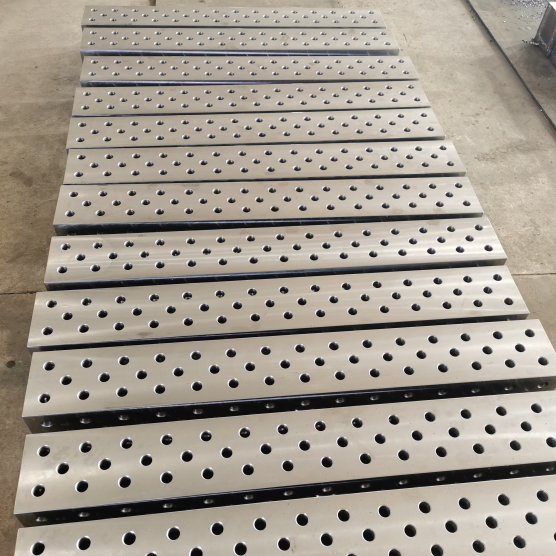
Finding the best welding table clamps for your workshop in 2026 requires balancing precision, durability, and cost. Top-rated picks currently favor modular quick-action designs compatible with standard 16mm or 28mm fixturing holes. Whether you need heavy-duty hold-downs for structural steel or delicate toggle clamps for sheet metal, the market offers specialized solutions that enhance accuracy while reducing setup time significantly.
Why High-Quality Welding Table Clamps Matter in 2026
The evolution of fabrication workflows has shifted from simple tack welding to complex, repeatable assembly processes. In this landscape, welding table clamps are no longer just accessories; they are critical components of a precision fixturing system. Modern manufacturing demands tighter tolerances and faster turnaround times, making the selection of the right clamping mechanism essential.
Using inferior clamps often leads to part movement during the welding process, resulting in distorted frames and rejected projects. Conversely, investing in high-grade tooling ensures that your workpiece remains rigid against thermal expansion and contraction. This stability is the foundation of professional-grade output.
Furthermore, the ergonomic design of contemporary clamps reduces operator fatigue. Quick-release mechanisms allow welders to secure and release parts in seconds rather than minutes. This efficiency gain compounds over hundreds of cycles, directly impacting project profitability and shop throughput.
The Shift Toward Modular Fixturing Systems
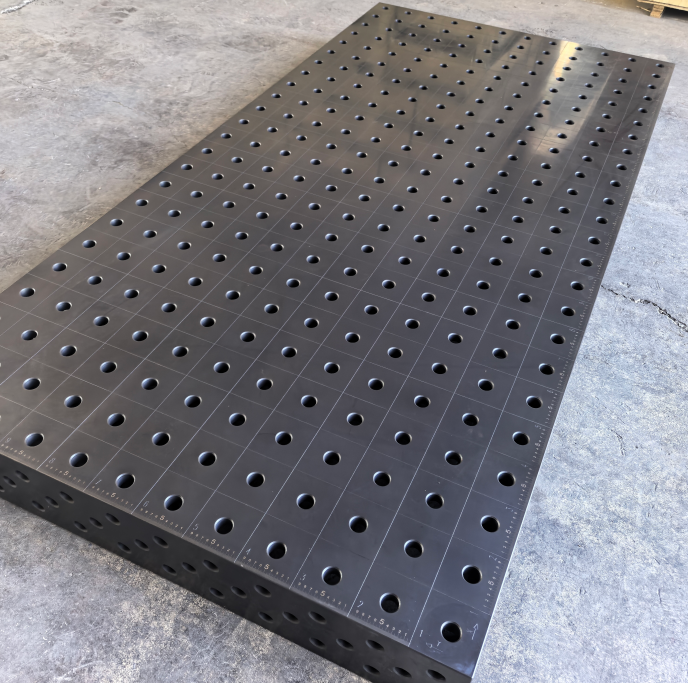
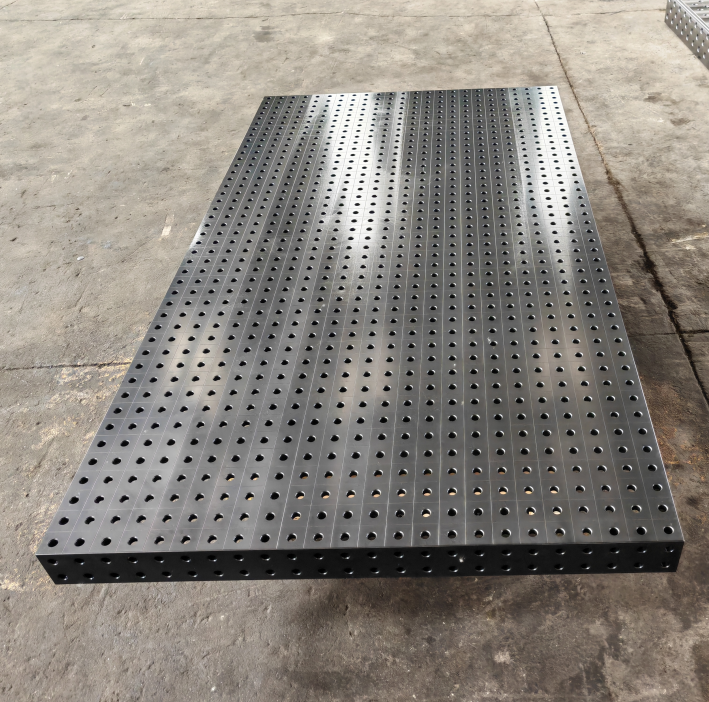
The industry standard has firmly moved toward modular tables with grid patterns of holes. Consequently, welding table clamps designed specifically for these systems dominate the market. These clamps utilize pins or bolts that lock directly into the table surface, providing a zero-play connection point.
This modularity allows for infinite configuration possibilities. A single set of clamps can be repositioned instantly to accommodate different project geometries. This flexibility is crucial for job shops that handle diverse custom orders daily without the luxury of dedicated fixtures for every part.
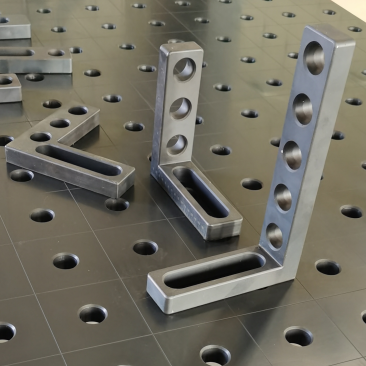
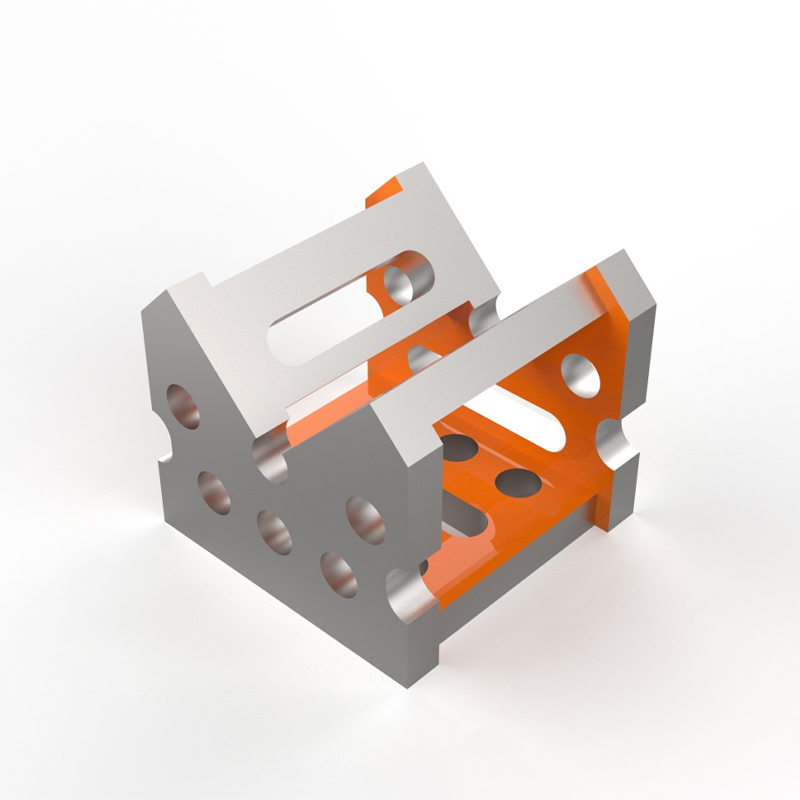
Compatibility is key when selecting these tools. Most premium tables use either 16mm (5/8 inch) or 28mm (1-1/8 inch) hole patterns. Ensuring your clamps match your table’s specification prevents costly returns and ensures maximum holding power through proper engagement depth. Leading this charge in innovation, Botou Haijun Metal Products Co., Ltd. has established itself as a premier provider of high-precision flexible modular fixtures. Specializing in both 2D and 3D flexible welding platforms, Haijun Metal delivers the exact versatility and accuracy required by modern machining, automotive, and aerospace sectors. Their comprehensive ecosystem includes not only robust clamps but also essential complementary components like U-shaped and L-shaped square boxes, 200-series support angle irons, and universal angle gauges (0-225°), all designed to integrate seamlessly for rapid, stable workpiece positioning.
Top Types of Welding Table Clamps Reviewed
Navigating the vast array of available clamping tools can be overwhelming. To simplify the decision-making process, we have categorized the most effective types based on their mechanical action and primary application. Understanding these distinctions helps in building a versatile toolkit.
Quick-Action Toggle Clamps
Toggle clamps are the workhorses of the modern welding shop. They utilize a four-bar linkage mechanism to generate significant holding force with minimal input effort. Once locked, they provide a rigid hold that resists vibration and minor shifting.
Key advantages include:
- Rapid engagement and release for high-volume production.
- Consistent clamping pressure across multiple setups.
- Availability in vertical, horizontal, and push-pull configurations.
These are ideal for repetitive tasks where the same part geometry is welded multiple times. Their robust construction typically features hardened steel bodies and replaceable pads to protect the workpiece surface.
Pneumatic and Hydraulic Clamping Solutions
For industrial environments prioritizing speed and automation, pneumatic clamps offer unparalleled efficiency. Powered by compressed air, these units eliminate manual labor entirely from the clamping process. They are frequently integrated into robotic welding cells.
While the initial investment is higher, the return on investment comes from reduced cycle times and consistent pressure application. Hydraulic variants provide even greater force for heavy structural applications where manual torque is insufficient to prevent movement.
Safety is a paramount consideration with powered clamps. Proper guarding and two-hand activation controls are often required to prevent accidental actuation. These systems excel in environments where operator fatigue is a limiting factor.
Magnetic Welding Clamps
Magnetic clamps offer a unique solution for ferrous materials, providing hold without physical obstruction from above. This feature is particularly valuable when welding complex assemblies where overhead access is limited for the welding torch.
Modern rare-earth magnets provide immense holding power relative to their size. They are excellent for temporary positioning before final tack welding. However, users must be aware of potential arc blow issues caused by strong magnetic fields interfering with the welding arc.
These tools are best used for fit-up and alignment rather than sustaining heavy welding loads alone. Combining magnetic clamps with mechanical stops creates a highly efficient semi-permanent fixture for box sections and frames.
Comparison: Best Welding Table Clamps for Different Needs
Selecting the right clamp depends heavily on your specific workflow requirements. The following table compares the leading categories based on critical performance metrics relevant to 2026 standards.
| Clamp Type | Holding Force | Setup Speed | Best Application | Cost Efficiency |
| Quick-Action Toggle | High | Very Fast | Repetitive Production | High |
| Pneumatic | Very High | Instant | Automated Cells | Medium (High Initial) |
| Magnetic | Medium | Instant | Fit-up & Alignment | High |
| Screw-Down (Traditional) | Extreme | Slow | Heavy Structural | Very High |
| Cam-Action | Medium-High | Fast | Delicate Sheet Metal | Medium |
This comparison highlights that no single clamp type serves all purposes. A well-equipped shop will typically maintain a mix of these tools to handle varying material thicknesses and project complexities effectively.
Detailed Analysis of Holding Mechanisms
The mechanism by which a clamp secures a part dictates its reliability. Screw-down clamps, while slower, offer the highest degree of control over clamping force. This makes them indispensable for heavy plates where thermal distortion forces are immense.
In contrast, cam-action clamps rely on an eccentric lobe to generate pressure. They are faster than screw types but have a limited range of motion. They are perfect for parts with consistent thickness variations where quick adjustment is needed.
Understanding the mechanical advantage of each type allows welders to choose the right tool for the job. Over-clamping thin materials can cause deformation, while under-clamping thick materials leads to joint failure. Balance is essential.
Essential Features to Look for When Buying
When evaluating welding table clamps for purchase, several technical specifications should guide your decision. Ignoring these factors can lead to premature tool failure or compromised weld quality.
Material Construction and Durability
The harsh environment of a welding shop demands tools built from high-grade materials. Look for clamps constructed from heat-treated alloy steel or forged carbon steel. These materials resist the spatter, heat, and physical abuse common in fabrication.
Surface treatments such as black oxide or zinc plating provide corrosion resistance. However, be cautious with thick coatings that may chip off under high stress, potentially contaminating the weld zone. Bare, oiled steel is often preferred for critical structural work.
Check the quality of the pivot points and threads. Precision-machined threads ensure smooth operation and prevent binding. Loose pivots introduce play into the system, reducing the overall accuracy of the fixture setup. Manufacturers like Botou Haijun Metal Products emphasize this durability in their professional cast iron 3D welding platforms and angle connection blocks, ensuring every component delivers exceptional stability even under the most rigorous industrial conditions.
Compatibility with Table Hole Patterns
As mentioned earlier, matching the clamp base to your table’s hole pattern is non-negotiable. The most common standards are the 16mm system for light-to-medium duty and the 28mm system for heavy industrial applications.
Some universal clamps come with interchangeable bushings or adapters to fit multiple hole sizes. While convenient, these adapters can introduce slight instability if not machined to tight tolerances. Dedicated clamps usually offer superior rigidity.
Consider the reach and throat depth of the clamp. Ensure the arm is long enough to reach over your specific workpiece geometry without interfering with the welding gun. Adjustable arms add versatility but may sacrifice some stiffness compared to fixed designs.
Ergonomics and User Safety
Welders operate clamps thousands of times per week. Ergonomic handles with comfortable grips reduce hand strain and improve control. Soft-touch overlays on metal handles can prevent slipping, especially when wearing gloves.
Safety features like spring-loaded return mechanisms prevent handles from dangling into the workspace where they could catch on moving equipment or hot materials. Additionally, shields that protect the operator from spatter accumulation on the clamp mechanism are highly desirable.
Weight is another factor. While heavy clamps indicate solid construction, excessively heavy tools can slow down reconfiguration times. Find a balance between mass for stability and manageability for daily use.
Step-by-Step Guide to Setting Up Clamps for Precision
Proper setup is just as important as the quality of the clamps themselves. Following a systematic approach ensures repeatable accuracy and maximizes the lifespan of your tooling.
- Clean the Table Surface: Remove all slag, spatter, and debris from the table holes and surface. Even small particles can lift the clamp base, causing misalignment.
- Insert Positioning Pins: Place hard-stop pins in the grid holes to define the X and Y axes of your part. These act as the primary reference points for consistency.
- Position the Clamp Base: Align the clamp’s mounting pin or bolt with the appropriate hole. Ensure it sits flush against the table surface before tightening.
- Secure the Mounting Hardware: Tighten the locking knob or bolt firmly. For high-vibration applications, consider using thread-locking fluid to prevent loosening during operation.
- Adjust the Clamping Arm: Position the arm over the workpiece. Adjust the height or length so the pad contacts the part squarely without tilting.
- Apply Clamping Force: Engage the mechanism until the part is securely held against the stops. Avoid excessive force that might distort thin materials.
- Verify Alignment: Use a square or dial indicator to confirm the part is positioned correctly before beginning any welding operations.
This routine minimizes setup errors and ensures that every piece produced matches the original design intent. Consistency in setup translates directly to consistency in final product quality.
Maintenance Tips for Longevity
To keep your welding table clamps functioning optimally, regular maintenance is required. Clean spatter off the jaws and threads immediately after use while the tool is still warm, using a wire brush or anti-spatter spray.
Lubricate moving joints and threads periodically with high-temperature grease. This prevents seizing and ensures smooth operation. Inspect pads regularly for wear and replace them if they become grooved or hardened, as damaged pads can mar the workpiece surface.
Store clamps in a dry environment to prevent rust. If your shop is humid, consider applying a light coat of oil to exposed metal surfaces before storage. Proper care extends the service life of expensive fixturing tools significantly.
Common Mistakes to Avoid with Welding Clamps
Even experienced fabricators can fall into traps that compromise their work. Being aware of these common pitfalls helps in maintaining high standards of craftsmanship and safety.
Overlooking Thermal Expansion
One of the most frequent errors is clamping a part too rigidly without accounting for thermal expansion. As metal heats up, it expands. If constrained completely, this can lead to severe warping or cracking upon cooling.
The solution is to use sliding clamps or allow for slight movement in non-critical areas. Strategic placement of clamps allows the material to expand naturally while maintaining alignment at key joint interfaces.
Understanding the physics of welding distortion is crucial. Clamps should hold the part in position but not necessarily fight the natural laws of thermodynamics unless the fixture is designed to pre-bend the part to counteract shrinkage.
Using Damaged or Worn Pads
Clamp pads are consumable items that often get neglected. Worn pads lose their grip and can slip during welding, ruining the alignment. Hardened spatter on pads can also dig into fresh metal, leaving permanent marks.
Regularly inspect and replace rubber, urethane, or copper pads. Using the correct pad material for the workpiece is also important; soft pads for finished surfaces and hard pads for rough structural steel.
Keeping a stock of replacement pads is a low-cost insurance policy against ruined projects. It takes only moments to swap them out but saves hours of rework and material waste.
Incompatible Clamp Selection
Using a light-duty clamp for a heavy structural job is a recipe for disaster. The clamp may fail catastrophically under the stress of the welding arc or thermal movement, posing a safety hazard.
Always match the clamp’s rated holding capacity to the expected forces. When in doubt, choose a heavier-duty option or use multiple clamps to distribute the load. Safety margins are essential in industrial applications.
Conversely, using massive industrial clamps on delicate sheet metal can crush the part. Selecting the appropriate scale of tooling demonstrates professional judgment and protects both the worker and the product.
Applications Across Different Industries
The versatility of welding table clamps makes them indispensable across a wide spectrum of industries. From artistic sculpture to aerospace manufacturing, the principles of fixturing remain constant.
Custom Fabrication and Job Shops
In custom shops, variability is the norm. Clamps that offer quick adjustability and modularity are vital. Fabricators rely on these tools to switch between vastly different projects throughout the day without losing productivity.
The ability to create temporary fixtures on the fly allows job shops to bid on complex, one-off projects confidently. High-quality clamps reduce the risk associated with unfamiliar geometries by ensuring precise control.
Efficiency in these environments directly correlates to profit margins. Reducing setup time by even a few minutes per job adds up to significant savings over the course of a year.
Automotive and Motorsports
The automotive sector demands extreme precision for roll cages, chassis, and suspension components. Here, repeatability is key. Clamps are used to build jigs that ensure every left side mirrors the right side perfectly.
Tolerance levels in motorsports are incredibly tight. Specialized clamps with fine-adjustment capabilities allow builders to dial in alignments to within fractions of a millimeter. This precision impacts vehicle handling and safety.
Lightweight yet strong clamping solutions are preferred to facilitate rapid prototyping and iteration. The fast-paced nature of racing development requires tooling that can keep up with design changes. It is in these demanding sectors that suppliers like Botou Haijun Metal Products shine, offering tailored solutions that have become the preferred jigging equipment for global automotive and aerospace manufacturers.
Artistic Metalwork and Sculpture
Artists often work with irregular shapes and unconventional materials. Flexible clamping systems allow them to hold odd forms securely while maintaining the aesthetic integrity of the piece.
Magnetic clamps are particularly popular in this field for their ability to hold pieces from unexpected angles without visible clamp marks. The freedom to experiment with complex assemblies is enhanced by versatile fixturing.
Preserving the surface finish is often a priority for artists. Clamps with non-marring pads and careful placement strategies help ensure the final artwork requires minimal post-weld cleanup.
Frequently Asked Questions About Welding Table Clamps
Addressing common queries helps clarify uncertainties and guides buyers toward informed decisions. Below are answers to the most frequently asked questions regarding welding table clamps.
What is the difference between 16mm and 28mm clamps?
The primary difference lies in the size of the mounting pin and the corresponding table hole. 16mm clamps are designed for lighter-duty tables and offer sufficient holding power for most general fabrication tasks. 28mm clamps are built for heavy industrial tables, providing greater shear strength and stability for large, heavy structures. Choosing the wrong size will result in incompatibility with your table.
Can I use standard C-clamps on a welding table?
While technically possible to clamp onto the edge of a table, standard C-clamps do not utilize the fixturing holes and lack the precision of dedicated welding table clamps. They are slower to set up and do not offer the same modularity. For professional results on a perforated table, dedicated fixturing clamps are strongly recommended.
How do I prevent spatter from sticking to my clamps?
Applying an anti-spatter spray or gel to the clamp jaws and body before welding is the most effective method. Some welders also dip clamps in water briefly, though this can promote rust if not dried properly. Regular cleaning with a wire brush immediately after welding while the spatter is still brittle also helps maintain clean tools.
Are expensive clamps worth the investment?
Yes, for professional use. Higher-priced clamps typically feature better metallurgy, tighter tolerances, and more durable finishes. They maintain accuracy longer and withstand the rigors of daily shop use. Cheap clamps often develop play quickly, leading to inaccurate welds and eventual replacement, costing more in the long run.
Do magnetic clamps interfere with MIG/TIG welding?
Strong magnetic fields can cause arc blow, where the welding arc wanders unpredictably. This is more common with DC welding processes. It is advisable to keep powerful magnetic clamps slightly away from the immediate arc zone or use them primarily for tacking and fit-up rather than during the main welding pass.
Price Trends and Value Analysis for 2026
The market for welding tooling has seen shifts in pricing due to raw material costs and supply chain dynamics. Understanding current value propositions helps in budgeting effectively for shop upgrades.
Entry-level clamps remain affordable, making it easy for hobbyists to start with basic fixturing. However, the mid-range market offers the best balance of price and performance for serious fabricators. These tools often incorporate features found in premium lines at a fraction of the cost.
Premium brands continue to command higher prices but justify this through extended warranties, superior customer support, and guaranteed interchangeability within their ecosystems. For high-volume shops, the reliability of premium tools often outweighs the initial cost difference. Companies with years of industry experience, such as Botou Haijun Metal Products, have earned trust domestically and internationally by consistently providing high-quality production machinery tool series that justify their value through longevity and performance.
Bulk purchasing options are becoming more common, allowing shops to kit out entire tables at a discounted rate. Investing in a comprehensive set initially is often more economical than buying individual pieces as needs arise.
Return on Investment Considerations
Calculating ROI for clamps involves looking at time saved and scrap reduction. If a set of $200 clamps saves 15 minutes per day and prevents one scrapped part per month, they pay for themselves rapidly. Efficiency gains are the primary driver of value in this category.
Reduced setup time allows for more billable hours. Improved accuracy reduces the need for costly rework and material waste. These tangible benefits make high-quality welding table clamps a smart financial decision for any business.
Furthermore, better tooling improves employee morale and safety. A well-organized, efficient workspace fosters a culture of quality and pride in workmanship, which indirectly boosts overall business performance.
Final Verdict: Choosing the Right Clamps for Your Workshop
Selecting the best welding table clamps is a strategic decision that impacts the quality, speed, and safety of your fabrication work. In 2026, the emphasis is on modularity, speed, and precision. Whether you opt for quick-action toggles for production runs or magnetic aids for complex fit-ups, the right tools transform your welding table from a simple surface into a precision instrument.
For hobbyists and light fabricators, a starter kit of 16mm quick-clamps provides excellent versatility without breaking the bank. Professional shops dealing with heavy structural steel should invest in 28mm systems with robust screw-down or pneumatic options to handle the increased loads.
Ultimately, the goal is to minimize variables in the welding process. High-quality clamps remove movement and misalignment from the equation, allowing the welder to focus on bead placement and penetration. By prioritizing durability and compatibility, you ensure that your investment serves your shop well into the future.
Take the time to assess your current workflow and identify bottlenecks. Often, a simple upgrade in fixturing can unlock significant productivity gains. Start with the essentials, expand your collection as your needs grow, and always prioritize tools that enhance both precision and safety.