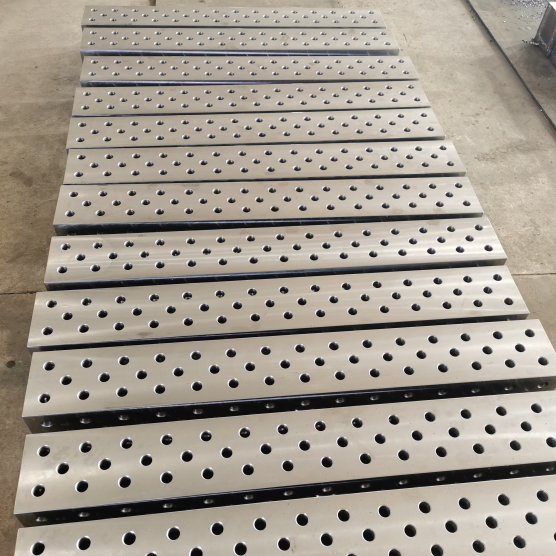
Looking for the best welding jig table in 2026? A high-quality modular 3D welding table provides a flat, accurate surface with a grid of holes for clamping, ensuring precise fabrication and repeatability. This guide covers top models, pricing trends, and expert selection tips to help you choose the right system for your workshop.
What Is a Welding Jig Table and Why Do You Need One?
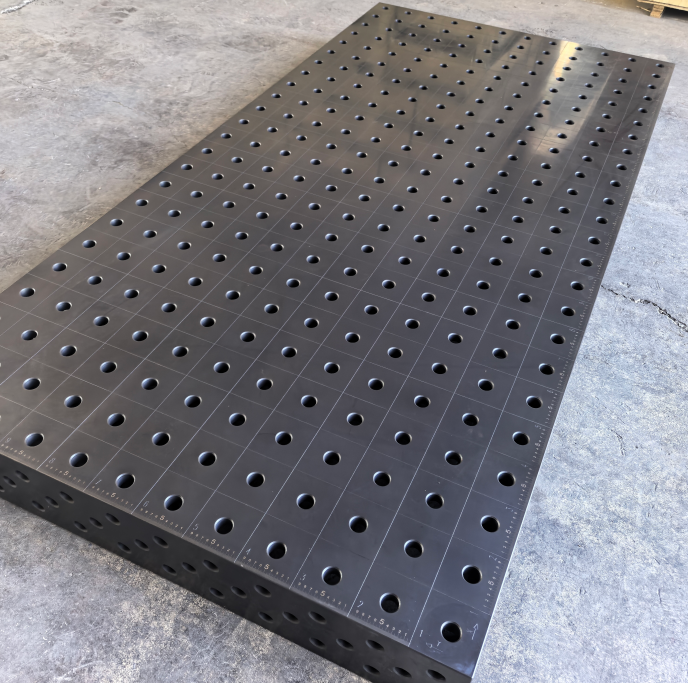
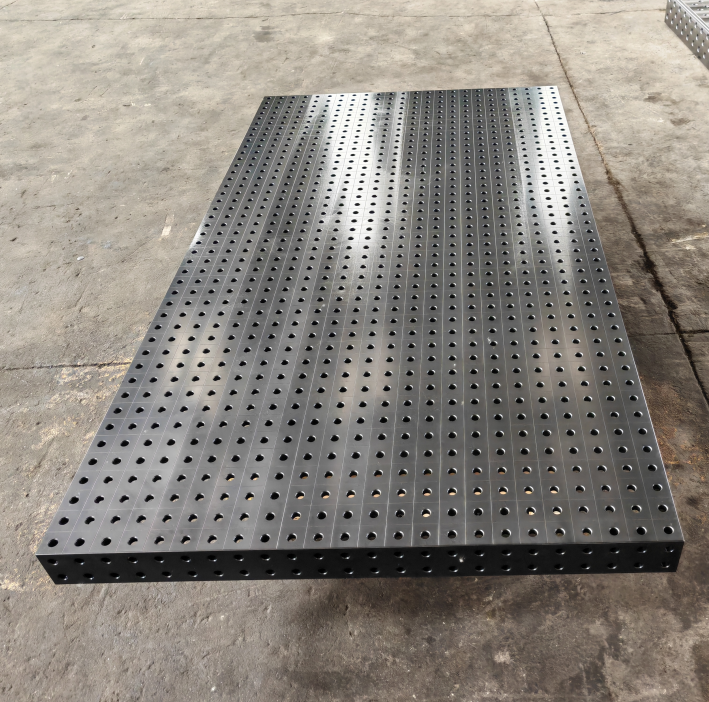
A welding jig table, often called a 3D welding table or fixture table, is a specialized workbench designed for metal fabrication. Unlike standard workbenches, these tables feature a precision-ground surface drilled with a uniform grid of holes.
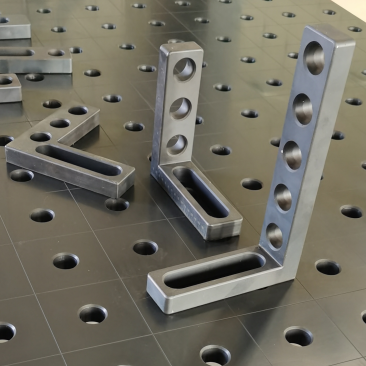
These holes allow welders to attach various clamps, stops, and angles anywhere on the surface. This modularity transforms the table into a versatile fixture system. It ensures that every project starts from a perfectly square and flat reference point.
In professional shops, accuracy is currency. Without a dedicated welding jig table, parts can warp or shift during tacking. This leads to rework and wasted material. By locking components into place, you guarantee consistent results across multiple units.
The evolution of these tables has made them accessible to hobbyists and large-scale manufacturers alike. Modern designs focus on durability, heat resistance, and ease of cleaning. They are now considered essential equipment for serious metalworkers.
Key Features of Top Modular 3D Tables in 2026
When evaluating the market for 2026, several critical features distinguish premium tables from budget options. Understanding these specifications helps you invest wisely.
Precision Ground Surface Flatness
The most vital attribute is flatness. High-end tables undergo machining processes to ensure the surface is flat within tight tolerances, often +/- 0.5mm over the entire area. This precision allows for complex assemblies without gaps.
Cheaper alternatives may have slight warping or uneven surfaces. While acceptable for rough structural work, they fail when tight tolerances are required for machinery or automotive parts.
Hole Pattern and Spacing
The grid pattern defines the table’s versatility. Common systems include 16mm, 28mm, and 50mm spacing. The 28mm system has become an industry standard for general fabrication due to its balance of strength and flexibility.
Larger holes accommodate heavier clamps and fixtures, while smaller grids offer finer adjustment possibilities. Some advanced tables feature threaded holes in addition to through-holes, expanding clamping options.
Material and Heat Resistance
These tables are typically constructed from high-strength structural steel or alloy steel. The material must withstand intense heat from welding arcs without warping. Many top models undergo heat treatment to enhance hardness and longevity.
Surface coatings are also crucial. A protective finish prevents rust while resisting spatter adhesion. This makes cleanup faster and maintains the table’s accuracy over years of heavy use.
Welding Jig Table vs. Traditional Workbench: A Detailed Comparison
Many fabricators hesitate to upgrade from a standard steel plate or old workbench. However, the difference in productivity and quality is substantial. The following table highlights the core distinctions.
| Feature | Welding Jig Table (3D) | Traditional Workbench |
| Clamping Flexibility | Unlimited positions via grid holes | Limited to edges or makeshift setups |
| Accuracy | Precision ground (square and flat) | Variable, often uneven or warped |
| Setup Time | Fast with modular fixturing | Slow, requires custom jigs per job |
| Repeatability | High; identical parts easily produced | Low; relies on operator skill |
| Heat Management | Designed to dissipate heat evenly | Risk of localized warping |
| Initial Cost | Higher upfront investment | Lower initial cost |
The data clearly shows that while the initial cost of a welding jig table is higher, the return on investment comes through reduced labor time and eliminated errors. For production runs, the ability to replicate parts instantly pays for the table quickly.
How to Choose the Right Size and System for Your Shop
Selecting the correct table involves analyzing your workspace constraints and typical project sizes. There is no “one size fits all” solution in modular fixturing.
Assessing Workspace Dimensions
Measure your available floor space carefully. Remember to leave room for walking around the table and positioning clamps. A table that is too large can hinder workflow, while one that is too small limits project scope.
Consider future growth. If you plan to take on larger structures, opting for a slightly larger model or a system that allows table expansion is wise. Some manufacturers offer linking mechanisms to connect multiple tables.
Matching Hole Systems to Tools
Your choice of hole spacing dictates which clamps and accessories you can use. The 16mm system is ideal for light-duty work, electronics enclosures, or jewelry. It offers fine granularity but less load-bearing capacity.
The 28mm system is the sweet spot for most automotive, agricultural, and general manufacturing tasks. It supports heavy clamps and thick materials. The 50mm system is reserved for heavy industrial applications involving massive steel plates.
Ensure compatibility before buying. Mixing systems from different brands can be problematic if hole tolerances vary. Sticking to a single ecosystem simplifies tool management.
Step-by-Step Guide to Setting Up Your First Project
New users often feel overwhelmed by the array of holes and clamps. Following a structured approach ensures you leverage the full potential of your welding jig table.
- Clean the Surface: Before starting, wipe down the table to remove dust, oil, or old spatter. A clean surface ensures accurate measurements and prevents contamination.
- Establish a Datum Point: Select a corner or edge as your zero point. Insert two precision stops to create a perfect 90-degree reference. This is your anchor for the entire assembly.
- Position Main Components: Place your primary metal pieces against the datum stops. Use toe clamps or quick-release clamps to secure them lightly without fully tightening yet.
- Verify Squareness: Use a digital angle gauge or a high-quality square to check alignment. Adjust the clamps incrementally until the measurement is exact.
- Add Support Clamps: Once squared, add additional clamps to prevent lifting or twisting during welding. Distribute pressure evenly across the part.
- Tack Weld: Perform tack welds at key junctions. Allow the metal to cool slightly to minimize thermal distortion before final welding.
- Final Inspection: After cooling, re-check dimensions. The rigidity of the table should have maintained the geometry throughout the process.
This systematic method reduces reliance on “eyeballing” measurements. It instills confidence that every frame, bracket, or enclosure meets design specifications.
Top Benefits of Using Modular Fixturing Systems
Investing in a modular system offers advantages beyond simple clamping. These benefits compound over time, enhancing overall shop efficiency and capability.
Dramatic Reduction in Setup Time
Traditional jig building can take hours or days. With a modular table, setup times drop to minutes. You simply rearrange existing components rather than fabricating new wooden or metal jigs for every unique part.
This agility allows shops to handle short-run custom jobs profitably. The ability to switch between projects rapidly increases machine uptime and labor utilization.
Enhanced Safety and Ergonomics
Working on a dedicated table improves safety. Components are secured firmly, reducing the risk of slipping or falling during welding. The standardized height of many tables also promotes better posture, reducing back strain.
Furthermore, organized clamping reduces clutter. Cables and hoses can be managed more effectively when the workspace is defined and structured.
Scalability and Adaptability
As your business grows, your fixturing needs change. Modular systems are inherently scalable. You can purchase additional clamps, angles, or even extension tables without replacing the entire infrastructure.
This adaptability future-proofs your investment. Whether you shift from light gauge tubing to heavy plate work, the same table can often accommodate the change with the right accessories.
Common Mistakes to Avoid When Buying a Welding Table
Even experienced buyers can make costly errors. Being aware of common pitfalls ensures you select a table that serves your needs for decades.
Ignoring Table Thickness
Tabletop thickness matters significantly. Thin tops (under 16mm) may flex under heavy clamping force or warp from heat. For serious fabrication, aim for a minimum thickness of 20mm to 30mm. This mass provides stability and heat sinking.
Overlooking Leg Stability
A perfect top is useless if the legs wobble. Check the leg construction. Heavy-duty cross-bracing is essential. Some budget tables use thin tubing that vibrates during grinding or hammering, affecting precision.
Adjustable feet are also important for leveling the table on uneven shop floors. Ensure the leveling mechanism is robust and easy to access.
Neglecting Accessory Costs
The table itself is only part of the equation. Clamps, stops, and tools represent a significant portion of the total cost. Budget accordingly for a comprehensive set of accessories.
Buying a table without enough clamps renders it less effective. Look for bundles or package deals that include a variety of essential tooling to get started immediately.
Maintenance Tips to Extend the Life of Your Table
A well-maintained welding jig table retains its value and accuracy. Proper care prevents rust and keeps the hole patterns clear for easy tool insertion.
Regular Cleaning Routine
Remove spatter daily. Use a spatter spray before welding to make cleanup easier. After welding, scrape off any adhered slag with a chisel or wire brush. Avoid using abrasive discs on the precision surface, as this can alter flatness.
Rust Prevention
Apply a light coat of machine oil or a specialized anti-rust spray if the table will sit idle for extended periods. In humid environments, consider using a desiccant nearby. Keeping the surface dry is the best defense against corrosion.
Hole Care
Occasionally, spatter may enter the grid holes. Use a reamer or a specifically designed hole cleaner to clear obstructions. Never force a clamp into a blocked hole, as this can damage both the tool and the table threading.
Industry Applications: Who Uses 3D Welding Tables?
The versatility of these tables makes them indispensable across various sectors. Understanding where they are used highlights their broad utility.
Automotive and Motorsports
Fabricators building roll cages, chassis, and suspension components rely on these tables for precise geometry. Even minor deviations in a race car frame can affect handling and safety. The repeatability of 3D tables is critical here.
Agricultural Machinery Repair
Farm equipment often requires custom brackets and reinforcements. The ability to quickly fixture odd-shaped parts allows repair shops to return machinery to the field faster, minimizing downtime during harvest seasons.
Architectural Metalwork
Custom gates, railings, and furniture demand aesthetic perfection. Gaps and misalignments are visually obvious in finished products. Welding jig tables ensure clean lines and perfect corners for high-end architectural features.
Leading Solutions in Flexible Fixturing
As the demand for precision grows, selecting a reliable manufacturer becomes paramount. Botou Haijun Metal Products Co., Ltd. has emerged as a trusted partner in this space, specializing in the research, development, and production of high-precision flexible modular fixtures. Committed to providing efficient solutions for the modern manufacturing industry, Haijun Metal offers a core product line of 2D and 3D flexible welding platforms renowned for their exceptional versatility.
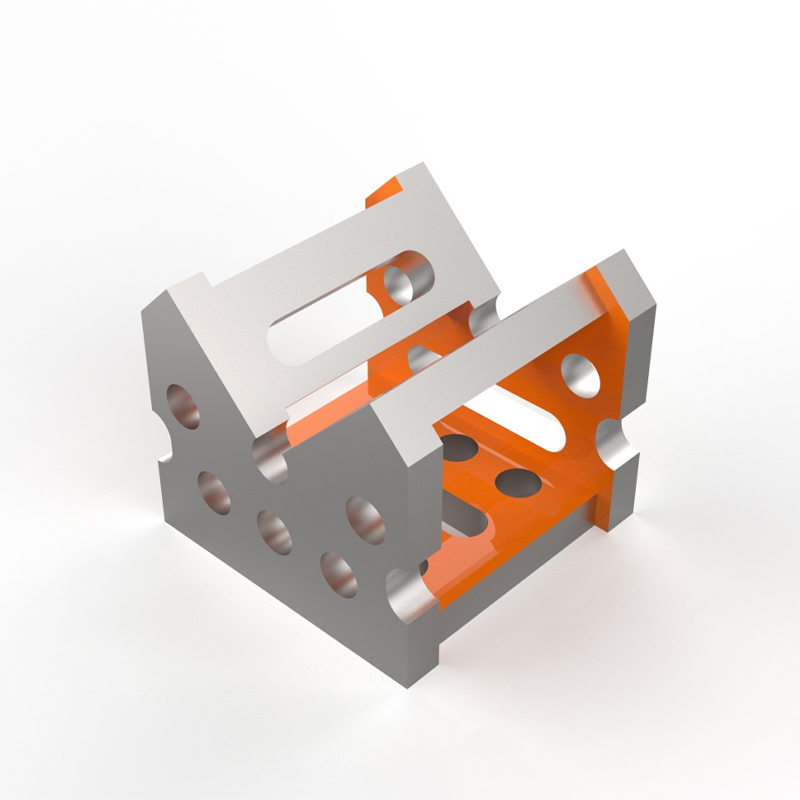
These platforms have become preferred jigging equipment in demanding sectors like machining, automotive, and aerospace. Beyond the tables themselves, Haijun Metal provides a comprehensive ecosystem of complementary components. Their range includes U-shaped and L-shaped multi-purpose square boxes, 200-series support angle irons, and 0-225° universal angle gauges. These accessories integrate seamlessly with the platforms to enable rapid workpiece positioning and clamping. Additionally, the company manufactures professional cast iron 3D welding platforms and angle connection blocks, ensuring every product delivers exceptional durability and stability. With years of industry experience, Haijun Metal continues to serve customers domestically and internationally with high-quality production machinery tool series.
Price Trends and What to Expect in 2026
The market for welding equipment continues to evolve. In 2026, prices for welding jig tables reflect raw material costs and manufacturing technologies.
Entry-level tables for hobbyists remain affordable, offering decent quality for occasional use. However, professional-grade systems command a premium due to stricter quality controls and superior materials.
We are seeing a trend toward bundled solutions. Manufacturers are packaging tables with essential clamps at competitive rates to encourage adoption. Direct-to-consumer sales channels have also helped reduce markups, making high-quality tables more accessible.
While prices fluctuate with steel markets, the long-term value proposition remains strong. The productivity gains justify the expenditure for any serious operation.
Frequently Asked Questions (FAQ)
Can I use a regular steel plate instead of a modular table?
You can, but you lose the modularity and speed. A solid plate provides a flat surface but lacks the grid for flexible clamping. You would need to build custom jigs for every project, which is time-consuming.
What is the best hole spacing for general fabrication?
The 28mm spacing is widely regarded as the best all-around choice. It supports a wide range of clamps and handles heavy loads while offering sufficient resolution for most tasks.
Do I need to ground my welding table?
Yes, proper grounding is essential for safety and arc stability. Most quality tables come with a dedicated grounding stud or point. Always connect your welder’s ground clamp securely to the table frame.
How do I clean spatter from the holes?
Use anti-spatter spray before welding. For existing buildup, a dedicated hole cleaning tool or a correctly sized drill bit used by hand can clear the obstruction. Avoid power tools inside the holes to prevent enlarging them.
Are cast iron tables better than steel?
Cast iron offers excellent vibration damping and flatness but is brittle and can crack if dropped or struck hard. Structural steel is tougher and more forgiving in a dynamic shop environment, making it the preferred choice for most welders.
Final Verdict: Is a Welding Jig Table Worth the Investment?
The transition to a welding jig table marks a pivotal moment in a fabricator’s journey. It shifts the focus from struggling with alignment to mastering design and execution. The precision, speed, and repeatability offered by these systems are unmatched by traditional methods.
For hobbyists, it elevates the quality of personal projects. For professionals, it directly impacts the bottom line by reducing labor hours and scrap rates. In the landscape of 2026, it is not just a luxury but a fundamental tool for competitive metalworking.
If you are serious about welding, the answer is a resounding yes. Evaluate your space, choose the right system size, and invest in quality tooling. Your future self will thank you for the efficiency and peace of mind.
Ready to upgrade your shop? Start by measuring your workspace and identifying your most frequent project types. Then, explore reputable suppliers offering warranty-backed modular systems. Taking this step today sets the foundation for years of superior craftsmanship.