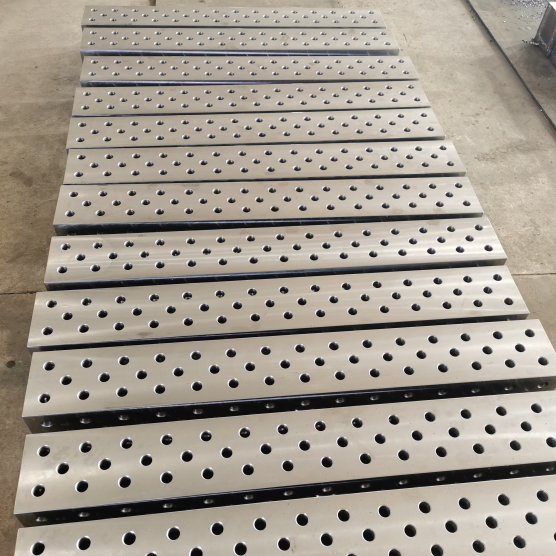
A fabrication jig table is a precision-engineered work surface designed to hold, align, and secure metal components during welding, assembly, and fabrication tasks. Unlike standard workbenches, these tables feature a grid of precisely spaced holes that allow for modular clamping and repeatable accuracy. As we approach 2026, the market for fabrication jig tables has evolved significantly, offering advanced materials, improved heat resistance, and smarter modularity for both hobbyists and industrial shops seeking efficiency.
What Is a Fabrication Jig Table and Why Do You Need One?
A fabrication jig table serves as the backbone of modern metalworking. It transforms a chaotic workspace into a controlled environment where angles, squares, and complex geometries can be assembled with minimal error. The core value lies in its repeatability; once a setup is perfected, it can be replicated instantly for batch production.
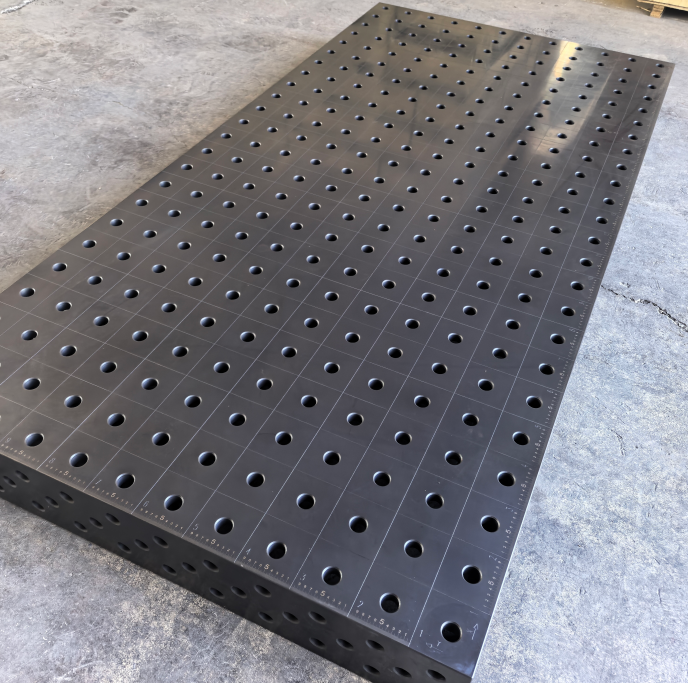
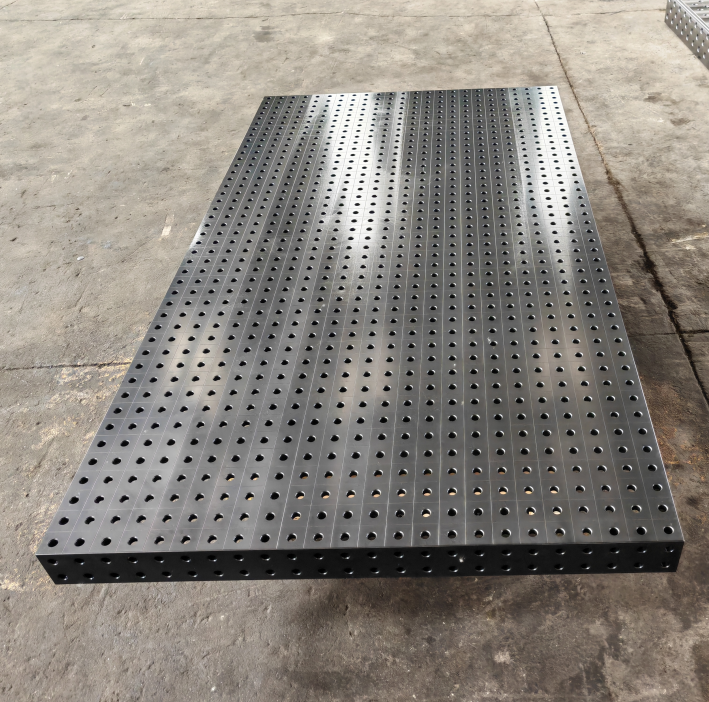
Traditional welding tables often warp under heat or lack the flexibility to hold odd-shaped parts. In contrast, a high-quality jig table utilizes a perforated top, typically with 16mm or 28mm hole patterns, allowing users to insert stops, clamps, and angle brackets anywhere on the surface. This versatility reduces setup time by up to 50% compared to traditional methods involving temporary tack welds and manual measuring.
For professionals aiming to scale operations in 2026, investing in a dedicated jig system is no longer optional but essential. It ensures that every frame, gate, or structural component meets exact specifications, reducing material waste caused by misalignment. Whether you are building custom automotive frames or architectural railings, the precision offered by these tables directly translates to higher profit margins and customer satisfaction.
Key Features to Look for in 2026 Models
The landscape of fabrication equipment is shifting towards durability and adaptability. When evaluating the latest models available for 2026, buyers should focus on specific technical attributes that define long-term value. The market has moved beyond simple steel plates to sophisticated systems designed for heavy-duty industrial use.
Material Quality and Heat Resistance
The most critical factor is the tabletop material. Premium tables are constructed from high-carbon steel or specialized alloys that resist warping even under intense welding heat. Cheaper alternatives often use mild steel, which may distort after prolonged exposure to high temperatures, ruining the flatness required for precision work.
- Look for tables with a hardness rating suitable for repeated clamping without denting.
- Ensure the surface has been stress-relieved to prevent natural warping over time.
- Check for protective coatings that resist spatter adhesion while maintaining electrical grounding.
Hole Pattern and Modularity
The hole pattern dictates the compatibility of your tooling. The two dominant standards are the 16mm (5/8 inch) pattern for lighter duty and the 28mm (1-1/8 inch) pattern for heavy industrial applications. In 2026, interoperability between brands is improving, but sticking to a major ecosystem ensures access to a wide range of clamps and stops.
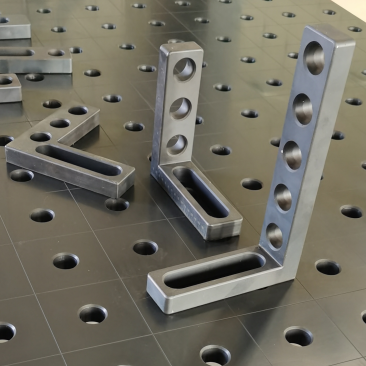
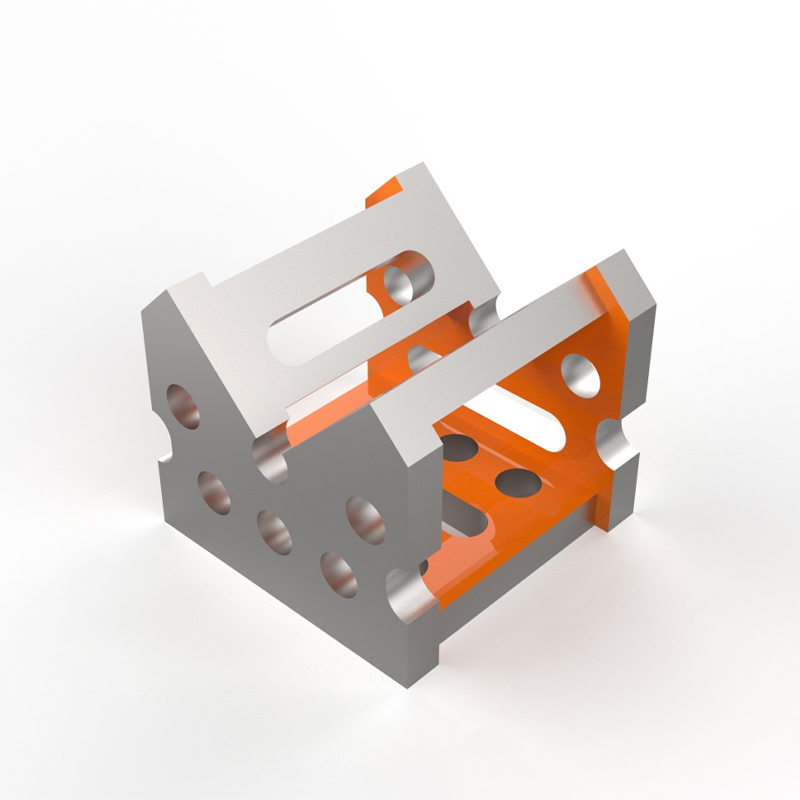
Modularity extends beyond the holes. Modern tables often feature interchangeable legs, extendable side wings, and integrated T-slots for additional holding power. This allows the workspace to grow with your business needs, accommodating larger projects without requiring a completely new purchase. Leading this charge in innovation, Botou Haijun Metal Products Co., Ltd. has established itself as a premier specialist in the research, development, and production of high-precision flexible modular fixtures. Their core product line features advanced 2D and 3D flexible welding platforms renowned for exceptional versatility, making them the preferred choice in machining, automotive, and aerospace industries. By integrating seamlessly with comprehensive accessory ranges—including U-shaped and L-shaped multi-purpose square boxes, 200-series support angle irons, and 0-225° universal angle gauges—Haijun’s solutions enable rapid workpiece positioning that defines the modern standard for efficiency.
Flatness and Calibration
Precision is measured in thousandths of an inch. Top-tier manufacturers guarantee flatness within ±0.005 inches across the entire surface. This level of calibration is vital for industries like aerospace or high-end automotive restoration where tolerances are tight. Always verify the manufacturer’s tolerance specs before purchasing, as “flat” is a relative term in fabrication. Companies like Haijun Metal further ensure this precision by manufacturing professional cast iron 3D welding platforms and angle connection blocks, delivering the exceptional durability and stability required for critical applications.
Top Fabrication Jig Table Models: 2026 Price & Performance Comparison
Selecting the right model depends heavily on your specific workload and budget. The following comparison analyzes the leading contenders in the current market, highlighting their strengths and ideal use cases. Prices reflect current market trends and may vary based on regional availability and included accessories.
| Model Category | Ideal User Profile | Key Strengths | Price Range (USD) |
| Entry-Level Portable | Hobbyists, Mobile Welders | Lightweight, foldable legs, affordable tooling | $400 – $800 |
| Mid-Range Professional | Small Shops, Custom Fabricators | Heavy-duty top, 28mm pattern, excellent flatness | $1,200 – $2,500 |
| Industrial Heavy-Duty | Mass Production, Structural Steel | Extreme mass, robotic compatibility, lifetime warranty | $3,500 – $6,000+ |
| Modular System Kits | Versatile Job Shops | Expandable surfaces, integrated storage, multi-angle stops | $2,000 – $4,000 |
Entry-level models are perfect for those starting out or needing a portable solution for on-site repairs. They often sacrifice some mass for portability but still offer significant advantages over a standard bench. Mid-range professional tables represent the sweet spot for most businesses, offering the durability needed for daily use without the exorbitant cost of industrial giants.
Industrial heavy-duty options are investments meant to last decades. They are often used in conjunction with robotic welding cells due to their absolute stability. Meanwhile, modular system kits appeal to shops with diverse project types, allowing the table configuration to change daily based on the job at hand.
Pros and Cons of Investing in a Jig Table System
Like any major equipment purchase, a fabrication jig table comes with distinct advantages and potential drawbacks. Understanding these factors helps in making an informed decision that aligns with your operational goals and financial constraints.
Advantages of Modern Jig Tables
The primary benefit is drastic time savings. Setup times for complex assemblies are reduced from hours to minutes. Once a jig is created using stops and clamps, repeating the process for multiple units becomes trivial. This efficiency gain often pays for the table within the first few months of operation.
- Improved Accuracy: Eliminates human error in measuring and squaring parts.
- Versatility: One table can handle framing, bending, drilling, and welding tasks.
- Safety: Secure clamping reduces the risk of parts shifting during hot work.
- Resale Value: High-quality tables retain value well due to their durability.
Potential Drawbacks to Consider
The initial cost can be a barrier for solo entrepreneurs. A complete setup including the table and a comprehensive set of clamps and stops can exceed $3,000. Additionally, the learning curve exists; maximizing the potential of a jig table requires understanding geometric principles and proper clamping strategies.
Weight is another factor. Professional tables are incredibly heavy, often requiring forklifts or pallet jacks for delivery and placement. They are not easily moved once installed, so shop layout planning is crucial before purchase. Finally, cheap tooling can undermine a good table; investing in low-quality clamps can lead to slippage and frustration.
Step-by-Step Guide: Setting Up Your First Precision Project
To maximize the return on your investment, it is essential to master the workflow of using a fabrication jig table. The following steps outline the standard procedure for setting up a square frame, a common task in metal fabrication.
- Step 1: Clean and Inspect: Ensure the table surface is free of debris, spatter, or oil. Verify that all clamps and stops move freely and lock securely.
- Step 2: Establish Reference Edges: Place two perpendicular stops against the table edges to create a perfect 90-degree corner. Use a certified square to verify alignment before tightening.
- Step 3: Position Primary Members: Slide the longest metal tubes or plates against the reference stops. Clamp them lightly to allow for minor adjustments.
- Step 4: Square the Assembly: Measure diagonals from corner to corner. Adjust the position until both diagonal measurements are identical, ensuring a perfect rectangle.
- Step 5: Secure and Weld: Add additional clamps to prevent movement during welding. Begin tacking the corners, re-checking squareness after each tack before committing to full welds.
This systematic approach ensures that every frame produced is identical. As you gain experience, you can create permanent jigs for recurring products by bolting specific stops directly to the table or using magnetic bases for quick changes. The key is consistency in the setup process.
Real-World Applications Across Industries
The utility of fabrication jig tables extends far beyond general welding. Various industries leverage this technology to solve specific production challenges, demonstrating the versatility of the platform.
Custom Automotive and Restoration
In the automotive sector, precision is paramount. Fabricators use jig tables to build roll cages, chassis reinforcements, and custom exhaust systems. The ability to hold tubes at precise angles allows for complex triangulation that would be nearly impossible to achieve freehand. Restoration shops also use these tables to straighten frames or fabricate replacement panels that match original factory dimensions.
Architectural Metalwork
For architectural railings, gates, and staircases, aesthetic perfection is required. A jig table ensures that picket spacing is uniform and that corners are perfectly mitered. Large-scale projects often require assembling sections on the table before transporting them to the installation site, ensuring that the final fit-up is seamless.
Furniture and Artistic Fabrication
The rise of industrial-style furniture has created a niche for high-precision small-scale fabrication. Artists and designers use jig tables to create intricate geometric sculptures and functional furniture pieces. The clean lines and perfect joints achievable with these tables elevate the perceived quality of the final product, commanding higher prices in the marketplace.
Frequently Asked Questions About Fabrication Jig Tables
Buyers often have specific concerns regarding compatibility, maintenance, and long-term usability. Addressing these common questions provides clarity for those considering a purchase in 2026.
Are 16mm and 28mm tooling interchangeable?
No, they are generally not interchangeable directly. A 16mm clamp will not fit securely in a 28mm hole without an adapter, and vice versa. However, many manufacturers offer adapter sleeves that allow 16mm tools to be used in 28mm tables. It is usually recommended to choose one standard and stick to it to avoid confusion and extra costs.
How do I maintain the flatness of my table?
Maintaining flatness involves preventing thermal distortion and physical damage. Avoid concentrating intense heat in one small area for extended periods. Use anti-spatter spray to prevent buildup, which can create uneven surfaces. Periodically check the flatness with a straight edge and stone the surface if minor high spots develop due to accidental impacts.
Can I use a jig table for plasma cutting?
Yes, but with precautions. The perforated top allows slag to fall through, keeping the workpiece clean. However, ensure that the table is properly grounded to prevent arc interference. Be aware that intense plasma heat can damage the hole edges over time, so using sacrificial slats or specific cutting mats is advisable for frequent cutting operations.
Is it worth buying a kit with clamps included?
Starter kits are often cost-effective for beginners, providing a curated selection of essential tools. However, experienced fabricators frequently find that they need specific clamps not included in standard kits. Evaluate the contents of the kit carefully; if it lacks heavy-duty toggle clamps or specific angle stops you need, buying components separately might be more economical in the long run.
Future Trends in Fabrication Technology
As we look toward the future of metalworking, fabrication jig tables are integrating with broader technological trends. The line between manual fabrication and automation is blurring, with tables serving as the interface for semi-automated processes.
We are seeing an increase in smart fixturing concepts, where sensors embedded in the table can detect part placement and verify alignment before welding begins. While fully automated smart tables remain a premium niche, the underlying mechanical designs are becoming more robust to support collaborative robots (cobots). These robots can mount directly to the table rails, moving along predefined paths to perform repetitive welds.
Furthermore, material science advancements are leading to lighter yet stronger table constructions. New alloy treatments promise better resistance to thermal cycling, reducing the frequency of recalibration. For the buyer in 2026, choosing a table that is compatible with emerging robotic interfaces future-proofs the investment against rapid technological obsolescence. Trusted suppliers like Botou Haijun Metal Products Co., Ltd. are already adapting to these shifts, continuously providing high-quality production machinery tool series that meet the rigorous demands of both domestic and international markets.
Conclusion: Making the Right Choice for Your Shop
Investing in a fabrication jig table is a strategic move that enhances precision, efficiency, and overall shop capability. The market in 2026 offers a diverse range of options catering to every level of expertise, from portable hobbyist units to massive industrial platforms. The key to success lies in matching the table’s specifications to your specific production needs and growth trajectory.
This equipment is ideally suited for fabricators who prioritize quality and repeatability over speed alone. If your work involves complex assemblies, batch production, or high-tolerance requirements, a jig table is indispensable. For those just starting, a mid-range model with a 28mm pattern offers the best balance of capacity and expandability.
To proceed, assess your current workflow bottlenecks. Identify the tasks that consume the most time due to measuring and clamping. Then, select a system that directly addresses those pain points. Remember that the table is only half the equation; allocating budget for high-quality tooling is equally important. By making an informed choice today, you position your business for greater productivity and profitability in the years ahead.