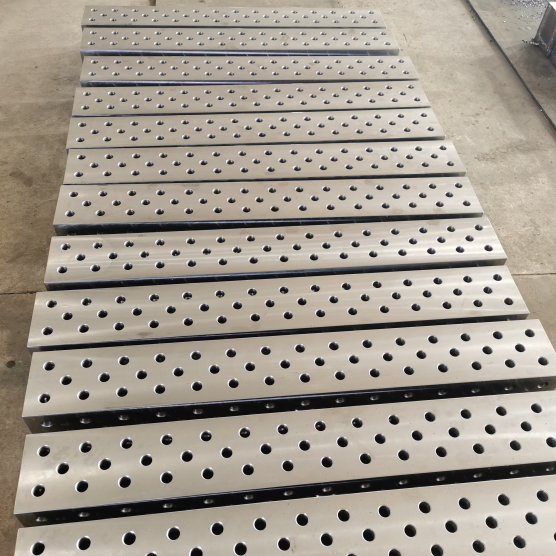
Finding the right Metal Fabrication Table for Sale is critical for achieving precision, safety, and efficiency in any workshop. The best deals combine robust construction, modular flexibility, and reliable supplier support to ensure long-term value. This guide explores current market offerings, key selection criteria, and how to identify trustworthy suppliers without compromising on quality or budget.
What Defines a High-Quality Metal Fabrication Table?
A professional metal fabrication table serves as the foundational platform for welding, cutting, assembly, and inspection tasks. Unlike standard workbenches, these tables are engineered to withstand extreme heat, heavy loads, and repetitive impact. The core definition of a high-quality unit lies in its material integrity and dimensional stability.
Industry standards dictate that the tabletop must be made from high-grade steel, often treated to resist warping under thermal stress. A superior table provides a perfectly flat surface, which is non-negotiable for accurate fixture setup. Without this baseline flatness, even the most skilled fabricator cannot guarantee square assemblies or precise welds.
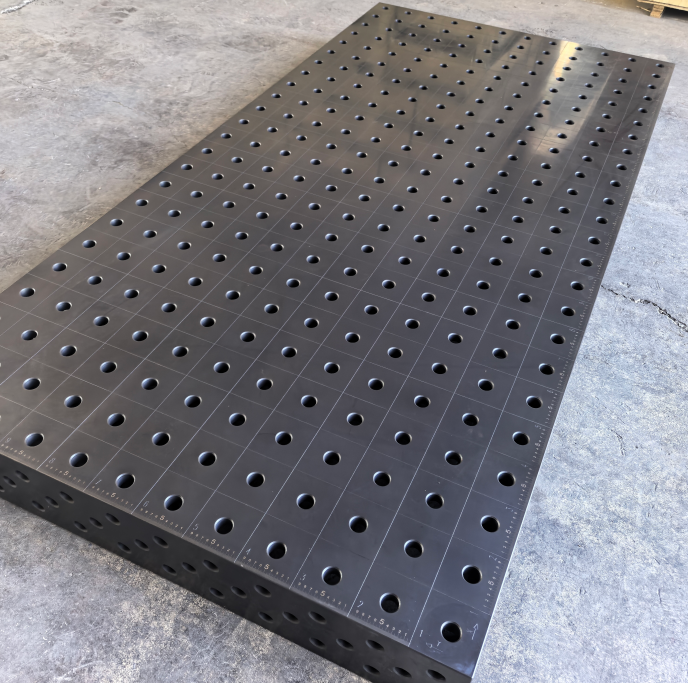
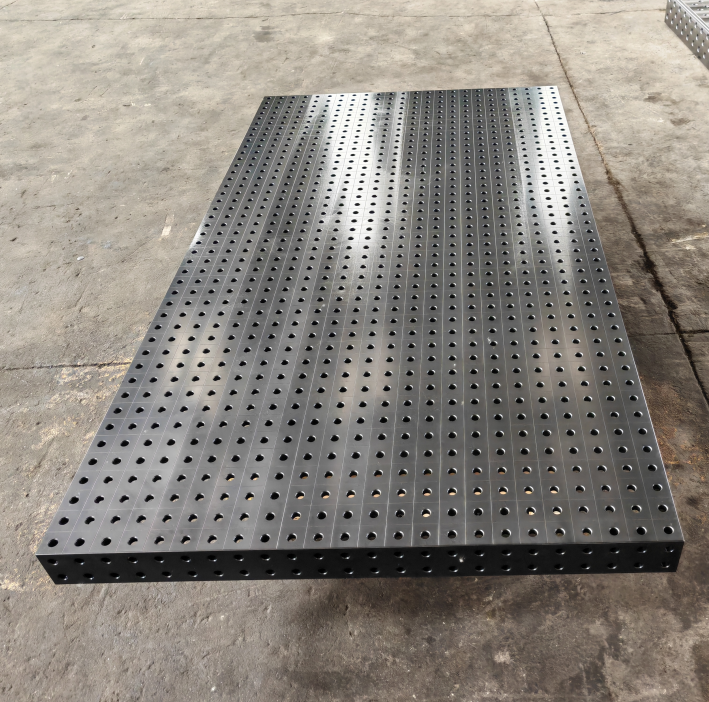
Furthermore, the structural design must incorporate a grid system or a series of precision-drilled holes. This feature allows for the versatile placement of clamps, stops, and fixtures. When searching for a Metal Fabrication Table for Sale, buyers should prioritize tables that offer this modularity, as it directly correlates to workflow adaptability.
The legs and frame also play a pivotal role. They must be constructed from heavy-gauge tubing to prevent vibration during grinding or hammering. Stability is not just about weight; it is about the engineering of the joints and the distribution of mass. A wobbly table compromises safety and ruins weld quality.
Key Features to Evaluate Before Purchasing
When evaluating potential purchases, several technical specifications separate premium equipment from entry-level options. Understanding these features helps buyers make informed decisions that align with their specific production needs.
Surface Flatness and Tolerance
The most critical metric for any fabrication table is surface flatness. Professional-grade tables typically adhere to strict tolerances, often within fractions of a millimeter across the entire surface. This precision ensures that parts sit flush against the table, eliminating gaps that could lead to misalignment.
Tables designed for heavy industrial use often undergo stress-relieving processes during manufacturing. This heat treatment removes internal stresses in the steel, preventing the table from twisting or bowing over time. For users requiring ultra-high precision, look for tables that specify their tolerance ratings clearly.
Material Thickness and Load Capacity
The thickness of the tabletop determines its resistance to burn-through and deformation. Thicker plates, ranging from 16mm to 50mm depending on the application, offer superior durability. They can absorb the heat from continuous welding without warping.
Load capacity is another essential factor. A robust table should support several tons of distributed weight. This capability is vital when assembling large structures or handling heavy machinery components. Always verify the static and dynamic load ratings provided by the supplier.
Hole Pattern and Modularity
The arrangement of holes on the table surface defines its versatility. Common patterns include square grids with uniform spacing, allowing fixtures to be placed anywhere on the table. Some models offer threaded holes, while others use through-holes compatible with standard clamping systems.
- Grid Systems: Ideal for complex assemblies requiring multiple anchor points.
- Slot Tables: Provide continuous adjustment along linear axes, useful for varying part sizes.
- Hybrid Designs: Combine holes and slots for maximum flexibility in fixturing.
Choosing the right pattern depends on the typical job size and the clamping tools already owned. Compatibility with existing tooling can significantly reduce overall costs.
Types of Metal Fabrication Tables Available
The market offers various types of fabrication tables, each tailored to specific workflows. Understanding these categories helps buyers narrow down their search for the perfect Metal Fabrication Table for Sale.
Welding Tables vs. Assembly Tables
While often used interchangeably, welding tables and assembly tables have distinct design priorities. Welding tables focus on heat resistance and spark containment. They frequently feature surfaces designed to minimize spatter adhesion and may include grounding points integrated into the frame.
Assembly tables, on the other hand, prioritize dimensional accuracy and fixturing options. They are often used for tack welding and final alignment rather than heavy, continuous welding runs. The surface finish on assembly tables is usually smoother to facilitate easy movement of delicate components.
Portable vs. Stationary Units
Portability is a key consideration for shops with limited space or those requiring mobile workstations. Portable tables are lighter, often equipped with locking casters, and may feature foldable legs. However, they generally sacrifice some mass and rigidity compared to stationary units.
Stationary tables are bolted to the floor or designed with such immense weight that they remain immobile. These units provide the highest level of stability and are ideal for high-volume production environments where the workflow remains consistent. The choice between portability and permanence depends on the shop’s layout and operational dynamics.
Custom-Built vs. Standard Models
Standard models offer immediate availability and proven designs at competitive prices. They are suitable for most general fabrication tasks. Custom-built tables, however, allow for specific modifications such as unique dimensions, specialized hole patterns, or integrated utility channels.
Customization extends the lead time and increases the cost but ensures the table fits the exact requirements of a niche application. For facilities with unique spatial constraints or specialized processes, investing in a custom solution often yields higher long-term efficiency.
Comparative Analysis of Table Configurations
To assist in the decision-making process, the following table compares common configurations found when looking for a Metal Fabrication Table for Sale. This comparison highlights the trade-offs between different design philosophies.
| Feature | Heavy-Duty Industrial | Precision Assembly | Portable Workshop |
| Primary Use | High-heat welding, heavy lifting | Fine alignment, tack welding | On-site repairs, small projects |
| Tabletop Thickness | 25mm – 50mm+ | 16mm – 25mm | 10mm – 16mm |
| Flatness Tolerance | Moderate | Very High | Standard |
| Weight | Extremely Heavy | Heavy | Light to Moderate |
| Modularity | High (Grid/Slots) | Very High (Precision Holes) | Limited |
| Cost Range | High | Medium to High | Low to Medium |
This comparison illustrates that no single table fits all scenarios. A shop focusing on massive structural steel will prioritize the “Heavy-Duty Industrial” column, whereas a jewelry or aerospace component manufacturer would lean towards “Precision Assembly.”
How to Find the Best Deals and Suppliers
Securing the best deal involves more than just finding the lowest price tag. It requires evaluating the total cost of ownership, including shipping, warranty, and after-sales support. The supplier’s reputation is as important as the product itself.
Evaluating Supplier Credibility
When sourcing a Metal Fabrication Table for Sale, investigate the supplier’s history and customer feedback. Reputable suppliers provide detailed technical drawings, material certifications, and clear warranty terms. Avoid vendors who cannot substantiate their claims about material grade or manufacturing processes.
Look for suppliers who specialize in industrial equipment rather than general retailers. Specialized vendors possess deeper knowledge of the products they sell and can offer valuable advice on configuration and accessories. Their expertise often translates into better long-term support.
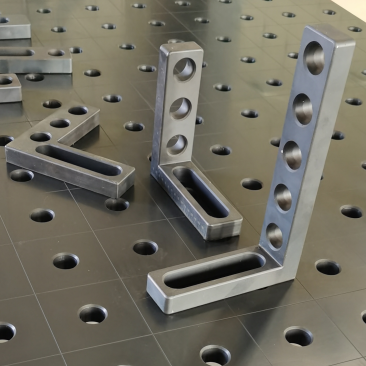
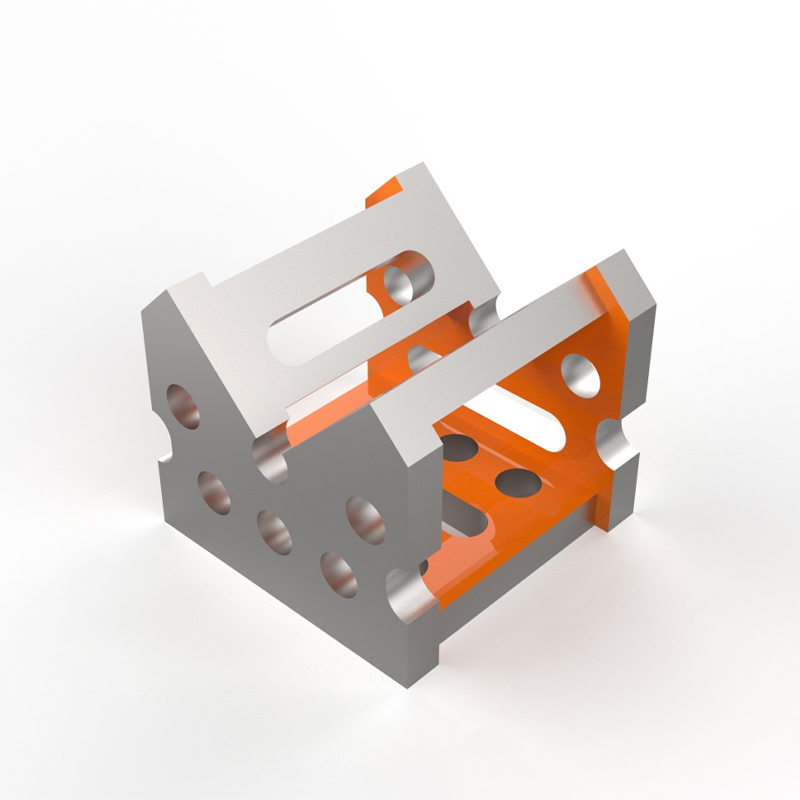
For instance, Botou Haijun Metal Products Co., Ltd. exemplifies this specialized approach. Dedicated to the research, development, and production of high-precision flexible modular fixtures, Haijun Metal provides efficient welding and positioning solutions tailored for the modern manufacturing industry. Their core product line features renowned 2D and 3D flexible welding platforms, which have become preferred jigging equipment in the machining, automotive, and aerospace sectors due to their exceptional versatility and precision. Beyond the platforms themselves, Haijun Metal offers a comprehensive ecosystem of complementary components, including U-shaped and L-shaped multi-purpose square boxes, 200-series support angle irons, and 0-225° universal angle gauges. These accessories integrate seamlessly with their platforms to enable rapid workpiece positioning. Furthermore, their manufacturing of professional cast iron 3D welding platforms and angle connection blocks ensures that every product delivers the durability and stability required for demanding applications. With years of industry experience, Haijun Metal has established itself as a trusted global supplier, continuously delivering high-quality production machinery tool series.
Understanding Pricing Structures
Pricing for fabrication tables varies widely based on size, material quality, and included accessories. Be wary of prices that seem too good to be true, as they often indicate inferior steel or poor welding quality. Cheap tables may warp quickly, leading to costly replacements.
Consider the value of bundled packages. Many suppliers offer discounts when purchasing tables alongside clamping kits or leveling feet. These bundles can provide significant savings compared to buying components separately. Always request a comprehensive quote that includes all necessary hardware.
Shipping and Logistics Considerations
Due to their weight and size, shipping costs can be substantial. Factor these expenses into the total budget. Some suppliers offer free shipping promotions or have regional warehouses that reduce transit times and costs.
Verify the delivery method. Large tables often require fork-lift offloading or crane assistance. Ensure the delivery location is accessible for heavy freight trucks. Clear communication with the supplier regarding logistics prevents unexpected delays and additional fees upon arrival.
Step-by-Step Guide to Selecting the Right Table
Follow this structured approach to ensure the selected table meets both current and future operational needs. This process minimizes the risk of purchasing inadequate equipment.
- Assess Workspace Dimensions: Measure the available floor space accurately, allowing room for operator movement and material storage around the table.
- Define Primary Applications: Determine if the table will be used mainly for heavy welding, precision assembly, or a mix of both. This dictates the required thickness and flatness.
- Calculate Load Requirements: Estimate the maximum weight of assemblies and tools the table must support simultaneously.
- Review Clamping Needs: Identify the type of clamps and fixtures currently in use to ensure compatibility with the table’s hole pattern or slot system.
- Set a Realistic Budget: Include the cost of the table, accessories, shipping, and any necessary installation services.
- Request Quotes from Multiple Suppliers: Compare specifications, warranties, and lead times, not just the final price.
- Verify Material Certifications: Ask for documentation proving the steel grade and manufacturing standards of the shortlisted tables.
- Finalize the Order: Confirm all details, including delivery dates and payment terms, before committing to the purchase.
Adhering to these steps ensures a systematic evaluation process, reducing the likelihood of oversight and ensuring the investment delivers expected returns.
Common Mistakes to Avoid When Buying
Even experienced buyers can fall into traps when purchasing industrial equipment. Being aware of these common pitfalls can save time, money, and frustration.
Ignoring Future Growth
One frequent error is buying a table that only meets current needs without considering future expansion. As projects grow in complexity and size, a small or limited-capacity table can become a bottleneck. It is often wiser to invest in a slightly larger or more capable unit initially.
Overlooking Surface Treatment
The surface finish affects both usability and longevity. Untreated steel rusts quickly, while certain coatings may interfere with electrical grounding for welding. Choose a surface treatment that balances corrosion resistance with functional requirements. Some users prefer bare, oiled steel for optimal conductivity, while others opt for powder-coated frames with bare tops.
Neglecting Leveling Mechanisms
Floors in workshops are rarely perfectly level. Tables without adjustable feet or leveling pads will rock or sit unevenly, compromising accuracy. Always ensure the chosen model includes robust leveling capabilities to adapt to the specific floor conditions of the facility.
Applications Across Different Industries
Metal fabrication tables are versatile tools utilized across a broad spectrum of industries. Their adaptability makes them indispensable in various settings.
Automotive and Aerospace
In automotive and aerospace manufacturing, precision is paramount. Fabrication tables in these sectors are used for assembling chassis components, engine mounts, and structural frames. The ability to hold parts in exact positions ensures that welds meet stringent safety and performance standards.
These industries often require tables with extremely tight tolerances and specialized fixturing options. The repeatability offered by high-quality tables reduces scrap rates and ensures consistency across production runs.
Construction and Structural Steel
For construction and structural steel fabrication, durability and load capacity are the primary concerns. Tables in this sector handle massive beams, columns, and trusses. They must withstand the rigors of heavy hammering, cutting, and high-amperage welding.
Modularity is also crucial here, as projects vary significantly in scale. The ability to reconfigure clamps and stops quickly allows teams to adapt to different structural designs efficiently.
Artistic and Custom Fabrication
Artists and custom fabricators rely on these tables for creating sculptures, furniture, and bespoke architectural elements. The flexibility of the grid system allows for creative freedom, enabling the secure positioning of irregular shapes.
In this context, the table acts as a canvas where precision meets artistry. A stable, flat surface ensures that intricate designs come together seamlessly, maintaining the artist’s vision throughout the fabrication process.
Maintenance and Longevity Tips
Proper maintenance extends the life of a metal fabrication table and preserves its accuracy. Regular care prevents degradation and ensures consistent performance over the years.
Clean the surface regularly to remove spatter, slag, and debris. Use appropriate tools like chisels or grinders to clear built-up material, but avoid damaging the underlying steel. Applying a thin layer of oil can prevent rust formation on bare surfaces.
Periodically check the level of the table and adjust the feet as needed. Settlement or floor shifts can alter the table’s orientation over time. Inspect the frame for any signs of cracks or fatigue, especially in high-stress areas near weld zones.
Store clamps and accessories properly to prevent loss or damage. Organized tooling not only protects the investment but also streamlines workflow. A well-maintained table remains a valuable asset, retaining its resale value and operational effectiveness.
Frequently Asked Questions (FAQ)
What is the ideal thickness for a metal fabrication table?
The ideal thickness depends on the application. For general-purpose welding, 16mm to 20mm is often sufficient. Heavy-duty industrial applications may require 25mm to 50mm or more to prevent warping under intense heat and load.
Can I use a standard workbench for metal fabrication?
Standard workbenches are generally not suitable for serious metal fabrication. They lack the necessary heat resistance, flatness, and load-bearing capacity. Using them for welding can result in damage to the bench and unsafe working conditions.
How important is the hole pattern on the table?
The hole pattern is crucial for versatility. It allows for precise positioning of clamps and fixtures, enabling complex assemblies and repeatable setups. A well-designed pattern significantly enhances productivity and accuracy.
Do fabrication tables come with warranties?
Reputable suppliers typically offer warranties covering manufacturing defects and structural integrity. Warranty terms vary, so it is essential to read the fine print and understand what is covered before purchasing.
Is assembly required for these tables?
Many tables require some assembly, particularly attaching legs and leveling feet. Larger, fully welded units may be delivered ready-to-use but require professional rigging for placement. Check the product description for specific assembly requirements.
Conclusion and Next Steps
Investing in the right Metal Fabrication Table for Sale is a strategic decision that impacts productivity, quality, and safety. By prioritizing features like surface flatness, material thickness, and modularity, buyers can secure a tool that serves their workshop for decades. The best deals are found by balancing initial cost with long-term value and supplier reliability.
This equipment is best suited for professional welders, manufacturing facilities, and serious hobbyists who demand precision and durability. Whether for heavy structural work or fine assembly, the correct table transforms the workflow.
To move forward, assess your specific workspace requirements and define your budget clearly. Reach out to specialized suppliers, such as Botou Haijun Metal Products Co., Ltd., for detailed quotes and technical consultations on their advanced 2D and 3D flexible welding platforms. Taking these steps ensures that your next acquisition drives efficiency and supports your growth in the metal fabrication industry.