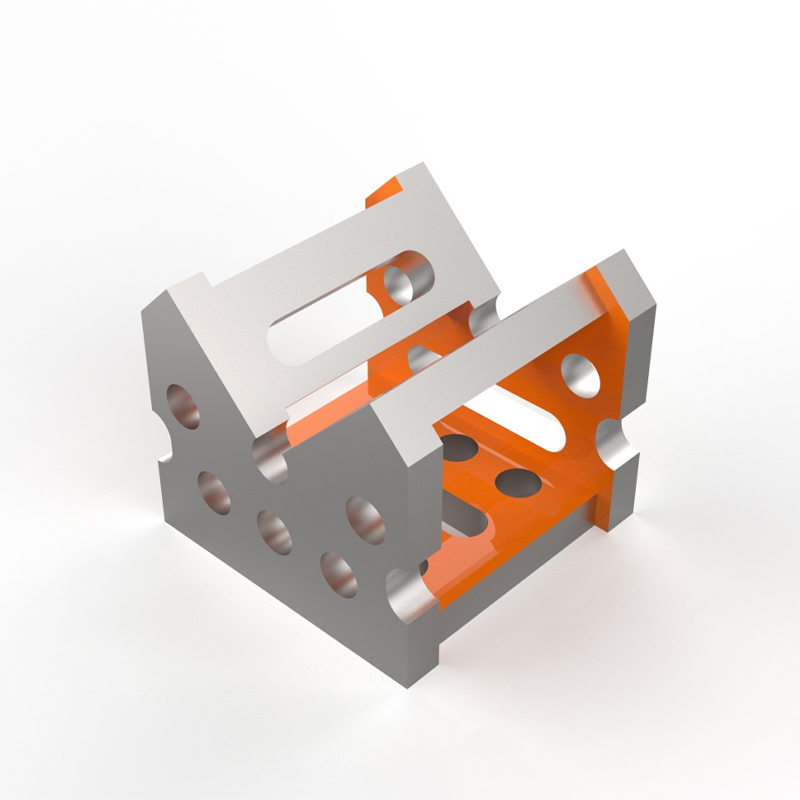
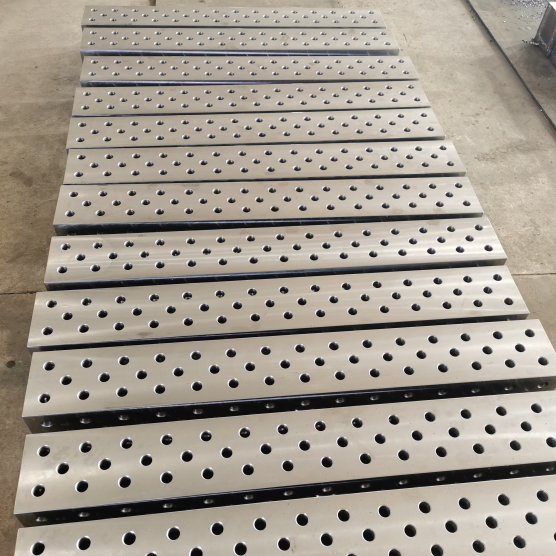
Cast aluminum parts are metal components produced by pouring molten aluminum into a mold to create complex, durable shapes for industrial applications. As a custom manufacturer in 2026, we specialize in high-volume wholesale production, offering precision die casting, sand casting, and permanent mold solutions. Our process ensures tight tolerances, superior surface finishes, and cost-effective scalability for automotive, aerospace, and machinery sectors requiring lightweight yet robust structural elements.
Why Choose Cast Aluminum Parts for Industrial Applications in 2026
The shift toward lightweighting and energy efficiency has made cast aluminum parts the standard for modern engineering. Unlike steel or iron, aluminum offers an exceptional strength-to-weight ratio, reducing overall system mass without compromising structural integrity. In 2026, advancements in alloy formulations and casting technologies have further enhanced corrosion resistance and thermal conductivity.
Industries ranging from electric vehicle manufacturing to heavy machinery rely on these components to meet strict performance standards. The ability to produce near-net-shape parts minimizes secondary machining, lowering total production costs. Furthermore, aluminum is infinitely recyclable, aligning with global sustainability mandates and reducing the carbon footprint of supply chains.
- Weight Reduction: Aluminum is approximately one-third the weight of steel, crucial for fuel efficiency and payload capacity.
- Corrosion Resistance: Natural oxide layers protect against environmental degradation, extending product lifespan.
- Thermal Management: High thermal conductivity makes it ideal for heat sinks and engine components.
- Design Flexibility: Casting allows for intricate geometries that are impossible or too expensive to machine from solid stock.
Advanced Casting Processes: Die Casting vs. Sand Casting vs. Permanent Mold
Selecting the right casting method is critical for balancing cost, precision, and production volume. Each technique offers distinct advantages depending on the part complexity and alloy requirements. Understanding these differences ensures optimal project outcomes and budget adherence.
High-Pressure Die Casting (HPDC)
Die casting is the preferred method for high-volume production runs requiring tight tolerances and smooth surface finishes. Molten aluminum is injected into a steel mold under high pressure, resulting in rapid solidification. This process is ideal for thin-walled components used in consumer electronics and automotive housings.
The speed of HPDC allows for thousands of parts per day, significantly driving down unit costs. However, the initial tooling investment is higher compared to other methods. Modern 2026 equipment utilizes real-time monitoring to detect porosity issues instantly, ensuring consistent quality across large batches.
Sand Casting for Large and Complex Geometries
Sand casting remains the most versatile method for producing large, heavy, or highly complex parts that cannot be easily ejected from a metal die. Using bonded sand molds, this process accommodates a wide range of alloy types and part sizes. It is particularly effective for low-to-medium volume production where tooling costs must be minimized.
While surface finish is generally rougher than die casting, sand casting excels in creating internal cavities and thick sections. Post-casting machining is often required to achieve final dimensions. This method is widely used in pump housings, valve bodies, and heavy equipment frames.
Permanent Mold Casting for Superior Mechanical Properties
Permanent mold casting, also known as gravity die casting, uses reusable metal molds without high-pressure injection. This results in a finer grain structure and improved mechanical properties compared to sand casting. It serves as a middle ground between the high cost of die casting tooling and the lower precision of sand casting.
This process is frequently chosen for components requiring pressure tightness and moderate volumes, such as automotive wheels and manifolds. The slower cooling rate allows for better feeding of the molten metal, reducing shrinkage defects and enhancing overall part density.
| Feature | Die Casting | Sand Casting | Permanent Mold |
| Production Volume | High (10,000+ units) | Low to Medium | Medium to High |
| Tolerance Level | Very Tight (±0.05mm) | Moderate (±0.5mm) | Tight (±0.15mm) |
| Surface Finish | Smooth (Ra 1-2 µm) | Rough (Ra 6-12 µm) | Semi-Smooth (Ra 3-5 µm) |
| Tooling Cost | High | Low | Medium |
| Best For | Thin walls, complex details | Large parts, low volume | Strength, pressure tightness |
Key Aluminum Alloys and Material Selection Guide
The performance of cast aluminum parts depends heavily on the specific alloy selected. Different compositions offer varying levels of fluidity, strength, and corrosion resistance. Engineers must match the alloy properties to the operational environment of the final product.
A380 Alloy: The Industry Standard for Die Casting
A380 is the most widely used aluminum alloy for die casting due to its excellent combination of castability and mechanical properties. It offers good fluidity for filling thin sections and strong resistance to hot cracking. This alloy is typically specified for electrical enclosures, power tools, and automotive transmission cases.
While A380 provides adequate strength for most applications, it is not suitable for environments requiring high impact resistance or extensive welding. Its popularity stems from its cost-effectiveness and reliable performance in mass production scenarios.
A356 and A357: High-Strength Solutions for T6 Temper
For applications demanding superior mechanical properties, A356 and A357 alloys are the preferred choices. These materials respond well to heat treatment (T6 temper), significantly increasing tensile strength and elongation. They are commonly used in aerospace components, suspension parts, and structural brackets where safety is paramount.
These alloys exhibit excellent corrosion resistance and can be anodized for enhanced surface protection. Although they require more careful control during the melting and pouring process, the resulting part quality justifies the additional processing steps for critical applications.
Specialty Alloys for Extreme Environments
Certain industries require alloys designed for specific challenges, such as high-temperature exposure or cryogenic conditions. Silicon-modified alloys improve wear resistance for engine pistons, while magnesium-enhanced variants offer better shock absorption. Selecting the correct specialty alloy prevents premature failure and reduces maintenance costs over the product lifecycle.
- Fluidity: Essential for filling intricate mold details without cold shuts.
- Hot Tearing Resistance: Prevents cracks during solidification in constrained geometries.
- Machinability: Determines the ease of post-casting finishing operations.
- Pressure Tightness: Critical for components holding fluids or gases under pressure.
Step-by-Step Manufacturing Process for Custom Cast Parts
Understanding the manufacturing workflow helps clients anticipate lead times and quality checkpoints. Our facility follows a rigorous protocol to ensure every cast aluminum part meets international standards. From design validation to final inspection, each stage is optimized for efficiency and precision.
Step 1: Design Optimization and Mold Flow Analysis
Before any metal is poured, engineers perform comprehensive mold flow simulations. This digital prototyping identifies potential defects like air traps, shrinkage porosity, or incomplete filling. By optimizing gate locations and runner systems virtually, we reduce trial-and-error cycles and accelerate time-to-market.
Collaboration at this stage allows for design-for-manufacturability (DFM) adjustments. Minor changes to wall thickness or corner radii can dramatically improve casting yield and reduce material waste. This proactive approach saves significant costs compared to correcting issues after tooling fabrication.
Step 2: Precision Tooling Fabrication
Once the design is finalized, high-grade steel molds are machined using CNC technology. The quality of the tooling directly influences the dimensional accuracy and surface finish of the cast parts. We utilize hardened steels for long-life production runs, ensuring consistency over hundreds of thousands of cycles.
Tooling maintenance is scheduled proactively to prevent wear-related defects. Regular polishing and inspection of mold surfaces guarantee that every shot produces parts within specification. For sand casting, pattern plates are crafted with precise shrinkage allowances to compensate for metal contraction.
Step 3: Melting, Degassing, and Pouring
Raw aluminum ingots and recycled scrap are melted in induction furnaces under controlled atmospheres. Rigorous degassing processes remove hydrogen and oxides, which are primary causes of porosity. Spectrometers analyze the melt composition in real-time to ensure strict adherence to alloy specifications.
The molten metal is then transferred to the casting machine or pouring station. Temperature control is critical; too hot causes soldering to the die, while too cool leads to misruns. Automated systems monitor thermal profiles to maintain optimal pouring conditions throughout the shift.
Step 4: Trimming, Heat Treatment, and Finishing
After solidification, parts undergo trimming to remove gates, runners, and flash. Depending on the alloy and application, components may be solution heat-treated and aged to enhance mechanical properties. Surface finishing options include shot blasting, powder coating, anodizing, or precision machining.
Final inspection involves coordinate measuring machines (CMM) and X-ray analysis to verify internal integrity. Only parts passing all quality gates are packaged for shipment. This multi-stage verification ensures that customers receive defect-free components ready for immediate assembly.
Common Defects in Aluminum Casting and Quality Control Measures
Even with advanced technology, casting defects can occur if process parameters drift. Identifying and mitigating these issues is central to maintaining high EEAT standards in manufacturing. Our quality assurance team employs statistical process control (SPC) to detect anomalies before they affect batch quality.
Porosity and Gas Inclusions
Porosity is the most common defect, caused by trapped gas or shrinkage during solidification. It weakens the part and can lead to leakage in pressure applications. We mitigate this through vacuum-assisted die casting and rigorous melt degassing. X-ray inspection is routinely used to verify internal soundness.
Shrinkage porosity often occurs in thick sections where cooling is uneven. Optimizing the gating system and adding chill inserts helps direct solidification away from critical areas. Proper riser design ensures a continuous feed of molten metal to compensate for volume reduction.
Cold Shuts and Misruns
Cold shuts happen when two streams of molten metal meet but fail to fuse properly, often due to low temperature or slow injection speeds. Misruns occur when the metal solidifies before filling the entire cavity. Both defects compromise structural continuity and aesthetic quality.
Prevention involves maintaining optimal melt temperatures and increasing injection velocity. Mold heating systems ensure the cavity remains warm enough to prevent premature freezing. Simulation software predicts flow fronts to adjust parameters before physical trials begin.
Dimensional Instability and Warpage
Warpage results from uneven cooling rates or residual stresses locked into the part. This leads to parts falling out of tolerance after ejection. Fixturing during cooling and stress-relief heat treatments are effective countermeasures. Consistent cycle times are essential to maintain thermal equilibrium in the mold.
- Visual Inspection: Detects surface cracks, blisters, and incomplete fills.
- Dimensional Checking: Uses CMM and laser scanners for geometric verification.
- Non-Destructive Testing: Dye penetrant and radiography for subsurface flaws.
- Mechanical Testing: Tensile and hardness tests to validate material properties.
Applications of Cast Aluminum Parts Across Industries
The versatility of cast aluminum enables its use in diverse sectors. From microscopic components in medical devices to massive structures in construction, the material adapts to varied functional requirements. Understanding these applications helps buyers specify the right grade and process for their needs.
Automotive and Electric Vehicle Components
The automotive industry is the largest consumer of cast aluminum parts, driven by the need for fuel efficiency and electrification. Engine blocks, cylinder heads, and transmission housings benefit from aluminum’s thermal properties and light weight. In EVs, battery enclosures and motor housings are increasingly cast to reduce vehicle range anxiety.
Structural die casting is revolutionizing chassis design, allowing manufacturers to replace dozens of stamped steel parts with single large aluminum castings. This “giga-casting” trend reduces assembly complexity and improves crashworthiness. Our facilities are equipped to handle these large-format projects with precision.
Aerospace and Defense Systems
In aerospace, every gram counts. Cast aluminum parts are used in avionics housings, landing gear components, and engine accessories. The stringent certification requirements demand traceable materials and flawless execution. Alloys like A356-T6 are standard for their high strength-to-weight ratios and fatigue resistance.
Defense applications leverage aluminum’s durability for ruggedized equipment cases and weapon system components. The ability to withstand extreme temperatures and harsh environments makes it indispensable for military hardware. Strict ITAR compliance and security protocols govern our production lines for these sectors.
Industrial Machinery and Fluid Handling
Pumps, valves, and compressors rely on cast aluminum for housings and impellers. The material’s corrosion resistance handles aggressive chemicals and water efficiently. Hydraulic manifolds benefit from the ability to cast complex internal passages, reducing leak points and assembly time.
Robotics and automation equipment utilize aluminum casts for arms and bases to minimize inertia and increase speed. The stiffness of the material ensures precise positioning repeatability. Custom casting allows for integrated cable management and mounting features that simplify robot integration.
Wholesale Pricing Factors and Cost Optimization Strategies
Pricing for cast aluminum parts is influenced by multiple variables beyond raw material costs. Understanding these drivers empowers buyers to negotiate better terms and optimize their supply chain expenses. We offer transparent pricing models based on volume, complexity, and value-added services.
Impact of Production Volume on Unit Cost
Economies of scale play a significant role in casting economics. High-volume orders amortize the fixed costs of tooling and setup over more units, drastically reducing the price per piece. Long-term contracts allow for strategic raw material purchasing, shielding clients from market volatility.
For lower volumes, we recommend modular tooling approaches or sand casting to keep upfront investments low. Balancing order quantity with inventory carrying costs is essential. Just-in-time delivery programs can further optimize cash flow by aligning production schedules with consumption rates.
Design Complexity and Secondary Operations
Part geometry directly affects cycle time and yield rates. Complex undercuts or thin walls may require specialized tooling or slower cycling, increasing costs. Simplifying designs to eliminate unnecessary machining steps yields substantial savings. We provide DFM feedback to streamline part features for manufacturability.
Secondary operations like CNC machining, tapping, and surface finishing add to the total cost. Consolidating these services under one roof reduces logistics overhead and handling damage risks. Our integrated facility model ensures seamless transitions between casting and finishing departments.
Raw Material Market Trends in 2026
Aluminum prices fluctuate based on global energy costs and trade policies. In 2026, the push for green aluminum produced via renewable energy has introduced premium tiers for sustainable sourcing. Clients seeking carbon-neutral supply chains may opt for these certified materials at a slight premium.
Recycled content usage is increasing, offering a cost-effective alternative without sacrificing performance. Our foundry incorporates high percentages of post-industrial scrap, verified through spectral analysis. This circular economy approach supports corporate sustainability goals while managing budget constraints.
Frequently Asked Questions About Custom Cast Aluminum Parts
Addressing common inquiries helps clarify technical uncertainties and accelerates the decision-making process. Below are answers to frequent questions regarding capabilities, lead times, and quality assurances.
What is the typical lead time for custom cast aluminum parts?
Lead times vary based on part complexity and order volume. Prototype samples can often be delivered within 2-3 weeks using rapid tooling methods. Full production runs typically require 4-6 weeks after tooling approval. Expedited options are available for urgent projects, subject to capacity availability.
Can you produce parts with embedded inserts or threads?
Yes, we specialize in insert molding where brass bushings, steel studs, or threaded inserts are placed into the mold before casting. This creates a permanent bond between the metal insert and the aluminum housing. It eliminates the need for post-casting assembly and enhances pull-out strength.
What certifications does your manufacturing facility hold?
Our facility operates under ISO 9001:2015 quality management standards. We are also compliant with IATF 16949 for automotive supply chains and AS9100 for aerospace applications. All materials come with mill test reports (MTRs) verifying chemical composition and mechanical properties.
Do you offer design assistance for new projects?
Absolutely. Our engineering team provides comprehensive DFM services to optimize your designs for casting. We review CAD files to suggest wall thickness adjustments, draft angles, and radius modifications that improve fill rates and reduce defects. This collaborative approach ensures a smoother transition from concept to production.
How do you handle quality disputes or non-conforming parts?
We maintain a zero-defect policy and stand behind our quality guarantees. In the rare event of non-conformance, our quality team conducts a root cause analysis using 8D methodology. Corrective actions are implemented immediately, and replacement parts are shipped at no cost to the customer.
Future Trends in Aluminum Casting Technology
The casting industry continues to evolve with innovations aimed at sustainability and precision. Staying ahead of these trends ensures that your products remain competitive in a rapidly changing market. We invest continuously in R&D to integrate next-generation technologies into our production lines.
Vacuum-Assisted High-Pressure Die Casting
Vacuum systems remove air from the mold cavity before injection, significantly reducing porosity levels. This allows cast parts to be heat-treated and welded, expanding their application scope. The technology is becoming standard for structural automotive components requiring high ductility.
Simulation-Driven Process Optimization
Advanced computational fluid dynamics (CFD) simulations now predict microstructure formation and residual stresses with high accuracy. This virtual commissioning reduces physical trial runs and shortens development cycles. Data-driven insights enable predictive maintenance of molds and machinery.
Sustainable Foundry Practices
Energy-efficient melting furnaces and closed-loop water cooling systems minimize environmental impact. The adoption of bio-based binders in sand casting reduces volatile organic compound (VOC) emissions. Our commitment to sustainability aligns with the growing demand for eco-friendly manufacturing partners.
Conclusion: Partnering for Precision and Performance
Cast aluminum parts represent a cornerstone of modern industrial design, offering unmatched benefits in weight reduction, durability, and cost-efficiency. As we advance through 2026, the synergy between advanced alloys, precise tooling, and rigorous quality control defines the standard for excellence. Whether you require high-volume die casting for automotive applications or bespoke sand casting for heavy machinery, selecting the right manufacturing partner is crucial.
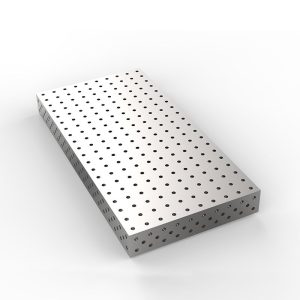
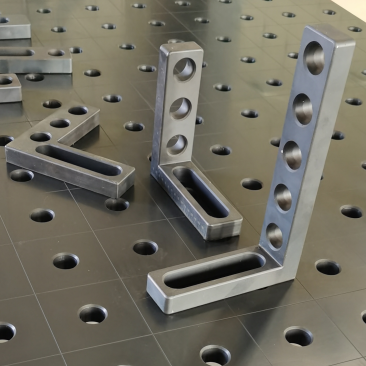
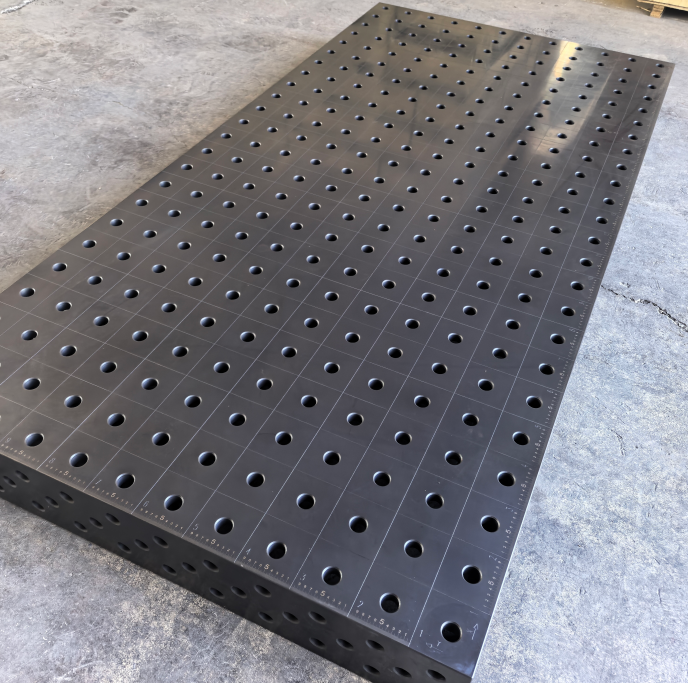
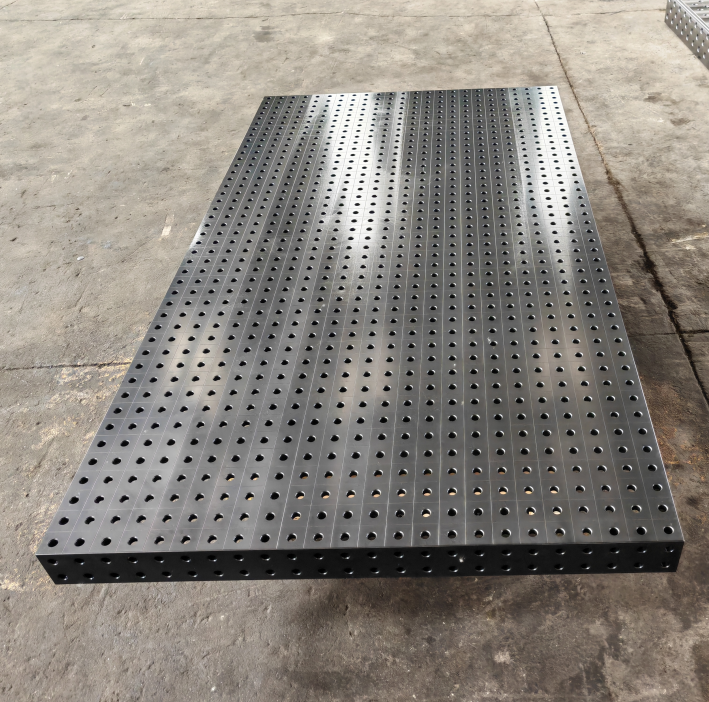
At Botou Haijun Metal Products Co., Ltd., we bring decades of expertise in metalworking to support your casting projects from prototype to mass production. While renowned globally for our high-precision flexible modular fixtures—including 2D/3D welding platforms, universal angle gauges, and cast iron connection blocks—we have expanded our capabilities to serve as a comprehensive partner for the modern manufacturing industry. Our deep understanding of positioning stability and tooling durability, honed by supplying the automotive and aerospace sectors, directly informs our approach to casting. We recognize that the quality of a cast component is only as good as the precision of the molds and fixturing used to create and assemble it. By integrating our legacy of producing robust metalworking tools with advanced casting technologies, Haijun Metal offers a unique, end-to-end solution. We don’t just supply parts; we provide the engineering depth to ensure your assemblies fit perfectly, perform reliably, and stand the test of time.
If you are looking for a reliable manufacturer that combines casting excellence with unparalleled tooling knowledge, we invite you to explore our capabilities further. Our team is ready to discuss your specific requirements, provide detailed quotations, and guide you through the prototyping process.
Ready to optimize your supply chain with high-quality cast aluminum solutions? Contact our engineering team today to request a quote or schedule a technical consultation. Let us help you bring your designs to life with precision and reliability.
View Our Full Range of Casting Services and Technical Specifications