Summary Selecting the right welding fixture table is critical for maintaining dimensional accuracy and production efficiency in precision manufacturing. This guide details essential criteria for choosing a welding fixture table, including material stability, modular flexibility, tolerance control, and integration with automated workflows. It also highlights how partnering with experienced manufacturers like Botou Haijun Metal Products Co., Ltd. ensures that custom fixtures meet rigorous ISO-compliant quality standards, supporting both prototyping and high-volume production.
Introduction: The Critical Role of Welding Fixture Tables in Precision Manufacturing
In the realm of modern industrial fabrication, consistency is not just a goal; it is a requirement. Whether producing automotive subsystems, agricultural machinery components, or complex sheet metal assemblies, the integrity of the final product depends heavily on the precision of the assembly process. At the heart of this process lies the welding fixture table, a foundational tool that determines the positional accuracy, repeatability, and overall quality of welded structures.
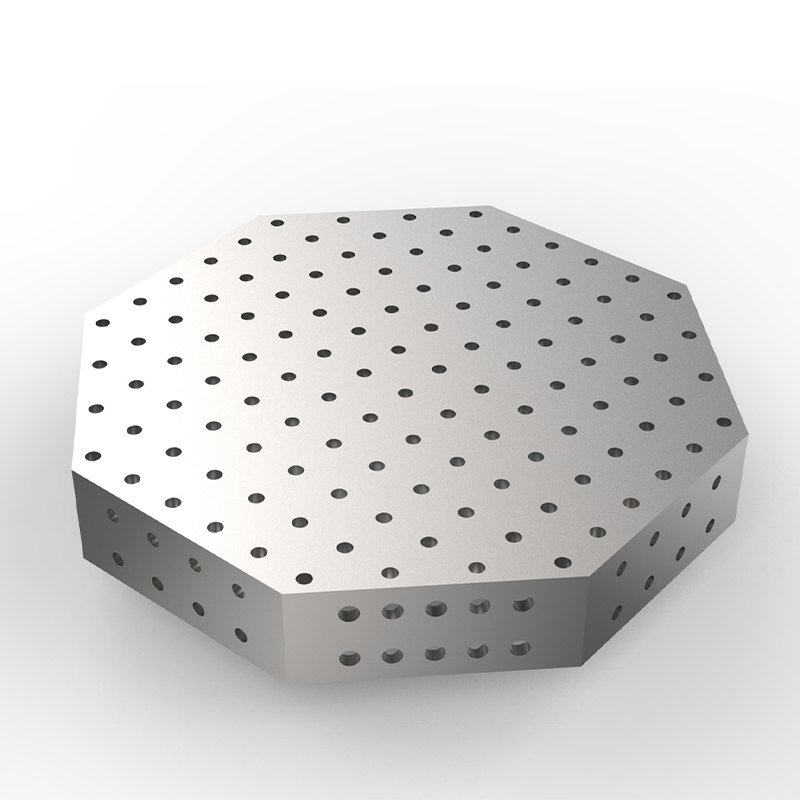
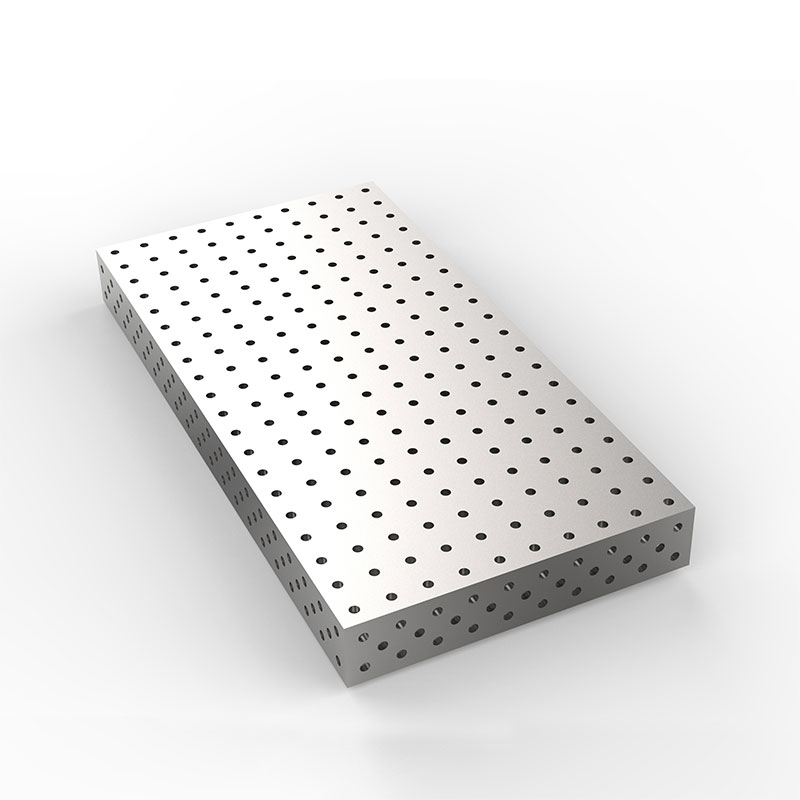
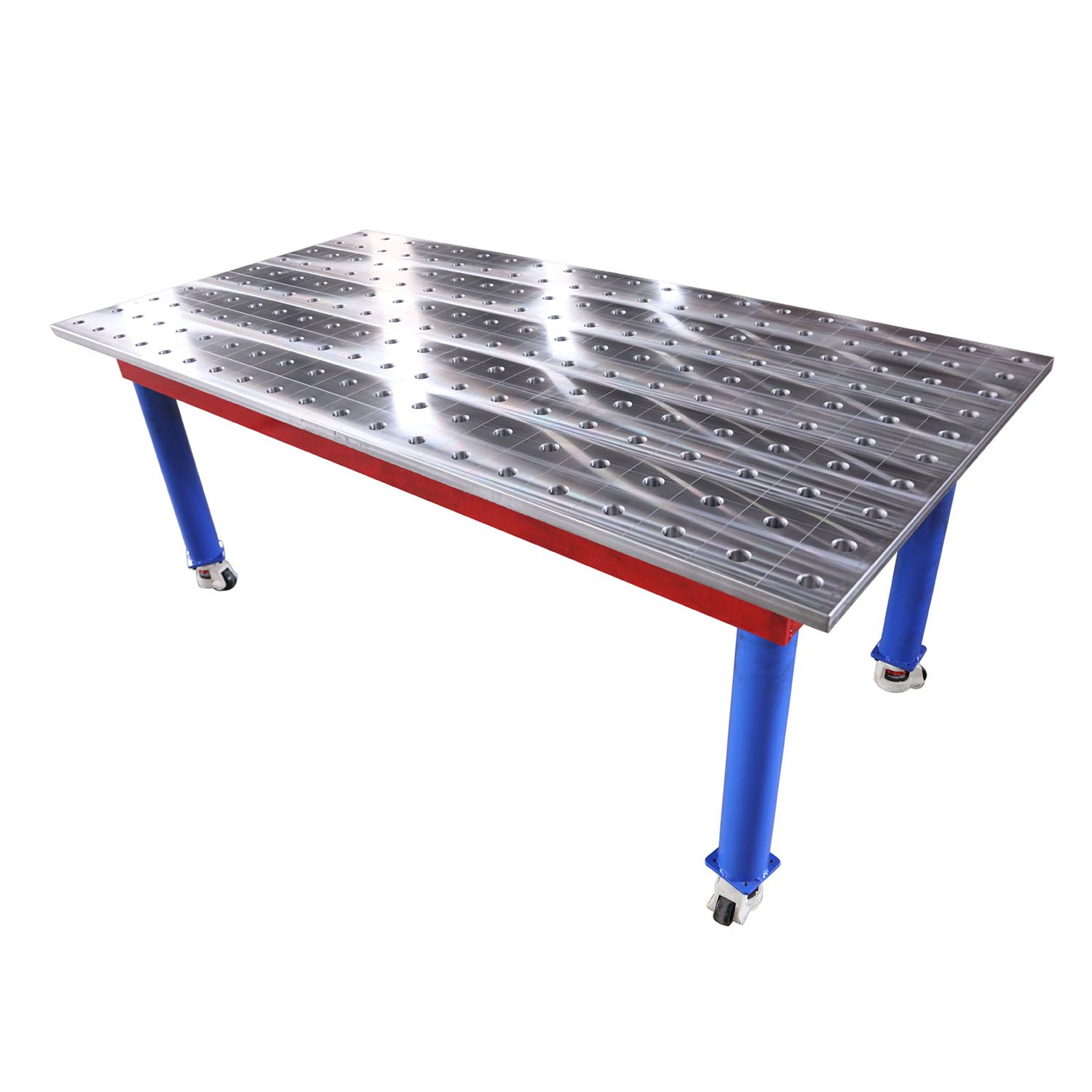
A welding fixture table is more than just a work surface; it is a engineered system designed to hold workpieces in a specific orientation and position during the welding operation. By restraining movement and compensating for thermal distortion, these tables ensure that every unit produced meets strict geometric tolerances. For B2B manufacturers and engineering teams, selecting the appropriate welding fixture table is a strategic decision that impacts cycle times, labor costs, and defect rates.
This article provides a comprehensive guide on how to choose the right welding fixture table for your precision manufacturing needs. We will explore key selection criteria, compare modular versus dedicated systems, discuss material considerations, and examine how integrated manufacturing partners can support custom fixture development. By understanding these factors, procurement specialists and engineers can make informed decisions that align with their production goals and quality standards.
Understanding the Core Functions of a Welding Fixture Table
Before diving into selection criteria, it is essential to understand what a high-quality welding fixture table must achieve. In precision manufacturing, particularly in sectors like automotive and construction equipment, the primary functions include:
- Positional Accuracy: Ensuring that components are aligned exactly according to CAD designs before welding begins.
- Repeatability: Allowing operators to load and unload parts quickly while maintaining consistent positioning across thousands of cycles.
- Distortion Control: Restraining workpieces to minimize warping caused by the intense heat of the welding arc.
- Ergonomics and Safety: Providing a stable, accessible workspace that reduces operator fatigue and enhances workplace safety.
The choice of table directly influences these outcomes. A poorly selected table may lead to cumulative errors, increased rework, and delayed shipments. Conversely, a well-engineered solution streamlines the workflow, supports Design for Manufacturability (DFM) principles, and enhances the overall reliability of the production line.
Key Criteria for Selecting the Right Welding Fixture Table
When evaluating potential solutions, several technical and operational factors must be considered. These criteria help ensure that the selected table aligns with your specific application requirements.
1. Material Stability and Construction Quality
The base material of the welding fixture table determines its longevity and resistance to thermal deformation. High-quality tables are typically constructed from stress-relieved steel or cast iron, which offers superior damping properties and stability.
- Stress-Relieved Steel: Ideal for heavy-duty applications where rigidity is paramount. Look for tables that have undergone annealing processes to remove internal stresses, preventing future warping.
- Cast Iron: Offers excellent vibration damping, which is beneficial for precision machining and welding operations that require minimal movement.
- Surface Treatment: The table surface should be treated to resist spatter adhesion and corrosion. Hardened surfaces or specialized coatings can significantly reduce maintenance time and extend the tool’s lifespan.
For manufacturers dealing with diverse materials such as cold-rolled steel, stainless steel, or aluminum alloys, the table must be compatible with various clamping systems without causing galvanic corrosion or surface damage to sensitive parts.
2. Modular Flexibility vs. Dedicated Fixturing
One of the most significant decisions in fixture selection is choosing between modular and dedicated systems. Each approach has distinct advantages depending on production volume and product variety.
| Feature | Modular Welding Fixture Tables | Dedicated Welding Fixtures |
| Flexibility | High; components can be reconfigured for different parts. | Low; designed for a single specific part or assembly. |
| Setup Time | Longer initial setup; faster changeovers once configured. | Fast loading/unloading for the specific part. |
| Cost Efficiency | Higher upfront cost but lower long-term cost for mixed batches. | Lower initial cost per unit but high cost for multiple products. |
| Best For | Small-to-medium batch production, prototyping, R&D. | High-volume mass production of identical parts. |
In today’s agile manufacturing environment, many companies prefer modular tables that support rapid prototyping and iterative design validation. This flexibility allows manufacturers to respond quickly to engineering changes without investing in new hard tooling for every revision.
3. Tolerance Control and Precision Features
Precision manufacturing demands tight tolerances. When selecting a welding fixture table, examine the following features:
- Hole Pattern Accuracy: Modular tables often feature a grid of precision-drilled holes. The accuracy of this pattern (e.g., ±0.05mm) is critical for positioning locators and clamps.
- Flatness Specifications: The overall flatness of the table surface ensures that large assemblies do not twist or bow during welding.
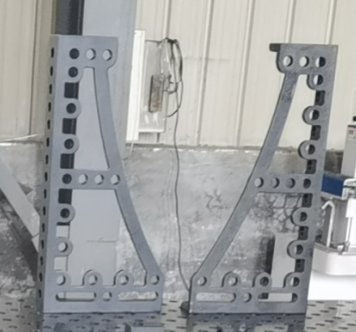
- Locator Compatibility: Ensure the table supports standard locating pins, stops, and clamps that match your existing tooling inventory.
For applications in automotive subsystems or general industrial automation, where geometric tolerance management is crucial, the table must maintain its precision over years of use. Regular calibration and robust construction are non-negotiable requirements.
4. Integration with Automation and Robotics
As manufacturing facilities increasingly adopt automated welding cells, the compatibility of the fixture table with robotic systems becomes a key consideration. Modern welding fixture tables should offer:
- Robot Access Points: Open designs that allow robotic arms to reach all weld joints without obstruction.
- Sensor Integration: Provisions for mounting proximity sensors or vision systems to verify part presence and position before welding begins.
- Quick-Change Mechanisms: Features that enable rapid swapping of fixture plates or modules, minimizing robot downtime during product changeovers.
Partnering with a manufacturer that understands automated welding lines can help optimize the fixture design for seamless integration, ensuring that the table enhances rather than hinders automation efficiency.
The Importance of Custom Engineering and DFM Support
While off-the-shelf modular tables offer great versatility, complex assemblies often require custom-engineered solutions. This is where the expertise of a specialized manufacturing partner becomes invaluable. A professional manufacturer does not just supply hardware; they provide technical support that bridges the gap between design intent and manufacturability.
Design for Manufacturability (DFM) Feedback
Effective fixture design begins early in the product development cycle. Experienced engineers can review CAD models and provide DFM feedback to identify potential clamping issues, accessibility problems, or distortion risks. By addressing these challenges before production starts, companies can avoid costly redesigns and delays.
For instance, when working with thin-gauge sheet metal or deep-drawn components, standard clamping methods may cause deformation. A knowledgeable partner can suggest specialized clamping strategies or vacuum hold-down systems that secure the part without compromising its geometry.
Rapid Prototyping and Iterative Validation
In fast-paced industries, speed to market is a competitive advantage. Manufacturers with flexible small-to-medium batch production capabilities can produce prototype fixtures quickly, allowing for iterative design validation. This agility enables engineering teams to test different fixture configurations, refine welding sequences, and optimize cycle times before committing to full-scale production.
Botou Haijun Metal Products Co., Ltd., for example, leverages its vertically integrated capabilities to support this process. With in-house stamping, bending, and welding lines, along with CNC-controlled machining, they can fabricate custom fixture components rapidly. This integrated approach ensures that the fixture design is not only theoretically sound but also practically viable within the constraints of the production environment.
Quality Assurance and Compliance Standards
In B2B procurement, especially for international OEMs, adherence to quality standards is a primary decision factor. The manufacturing process of the welding fixture table itself must reflect the same level of precision expected from the parts it produces.
ISO-Compliant Production Facilities
Look for suppliers who operate in ISO-compliant facilities. Certification such as ISO 9001 indicates that the manufacturer has documented internal procedures for quality management, continuous improvement, and customer satisfaction. Regular third-party audits further validate these claims, providing assurance that the supplier maintains consistent operational standards.
Key quality indicators include:
- Calibrated Inspection Equipment: Use of coordinate measuring machines (CMM), tensile testers, and surface roughness analyzers to verify fixture dimensions and material properties.
- Material Traceability: Strict verification of incoming raw materials against mill test reports ensures that the steel or aluminum used in the table meets specified grades and performance criteria.
- In-Process Controls: Defined control plans at critical manufacturing stages prevent defects from propagating through the production line.
Documentation and Transparency
Transparency in documentation builds trust. Reliable suppliers provide comprehensive inspection reports with final shipments, including dimensional checks, visual assessments, and functional testing results. This level of accountability is essential for maintaining traceability and resolving any quality-related concerns promptly.
Botou Haijun Metal Products Co., Ltd. exemplifies this commitment to transparency. Their service philosophy emphasizes responsiveness and accountability, with engineering feedback provided within three working days and quotations delivered within 48 hours. Post-shipment support includes traceable documentation, ensuring that customers have full visibility into the quality and origin of their fixtures.
Evaluating Suppliers: Beyond the Product
Choosing the right welding fixture table is also about choosing the right partner. In the global supply chain, factors such as delivery performance, technical collaboration, and ethical operations play a significant role in long-term success.
Delivery Performance and Supply Chain Reliability
On-time delivery is critical for maintaining production schedules. Evaluate suppliers based on their historical delivery performance and their ability to handle urgent orders. A structured production planning system and buffer capacity are indicators of a resilient supply chain.
For companies serving markets in North America, Europe, Southeast Asia, and the Middle East, logistical efficiency is paramount. Suppliers with experience in export operations and a track record of exceeding 95% on-time delivery rates can significantly reduce supply chain risks.
Technical Collaboration and Support
The best suppliers act as extensions of your engineering team. They offer CAD-based design reviews, material certification documentation, and ongoing technical support. This collaborative approach ensures that the welding fixture table is optimized for your specific application, whether it involves automotive brackets, agricultural machinery frames, or industrial automation components.
Botou Haijun’s deep domain expertise in cold-forming metallurgy and geometric tolerance management allows them to provide valuable insights beyond simple fabrication. Their ability to support both prototype development and sustained production runs, with no minimum order quantity restrictions for qualified projects, makes them a flexible partner for businesses of all sizes.
Ethical Operations and Long-Term Partnership
Increasingly, B2B buyers prioritize suppliers who adhere to ethical business practices. Look for partners who demonstrate transparency in their operations, fair labor practices, and a commitment to environmental responsibility. Long-term partnerships are built on trust, and ethical operations are the foundation of that trust.
By choosing a supplier like Botou Haijun, which aims to become a trusted Tier-2 supplier for international OEMs, companies align themselves with a partner focused on stable, technically capable, and ethically operated manufacturing services.
Common Mistakes to Avoid When Choosing a Welding Fixture Table
Even with careful planning, pitfalls can occur. Being aware of common mistakes can help you avoid costly errors.
- Ignoring Thermal Distortion: Failing to account for heat-induced warping can lead to out-of-tolerance parts. Ensure the fixture design includes allowances for thermal expansion and contraction.
- Overlooking Ergonomics: A fixture that is difficult to load or unload increases cycle times and operator fatigue. Prioritize designs that facilitate easy part placement and removal.
- Neglecting Maintenance Requirements: Complex fixtures require regular maintenance. Choose designs that are easy to clean and inspect, and ensure that replacement parts are readily available.
- Underestimating Setup Time: While modular tables offer flexibility, poor organization can lead to lengthy setup times. Implement standardized procedures and labeling systems to streamline changeovers.
FAQ: Frequently Asked Questions About Welding Fixture Tables
What is the difference between a welding jig and a welding fixture table?
While often used interchangeably, a “jig” typically guides the tool (such as a drill or welder), while a “fixture” holds the workpiece in place. A welding fixture table is a broader system that integrates various fixtures and clamps to secure the workpiece accurately during welding. In modern manufacturing, the term “welding fixture table” usually refers to the modular or dedicated platform that supports the entire assembly process.
How often should welding fixture tables be calibrated?
Calibration frequency depends on usage intensity and environmental conditions. However, best practices suggest annual calibration for high-precision applications, or more frequently if the table is subjected to heavy loads or frequent reconfiguration. Regular visual inspections and spot checks with precision measuring tools should be performed daily or weekly.
Can modular welding fixture tables handle heavy-duty welding applications?
Yes, provided they are constructed from high-strength, stress-relieved materials and designed with adequate support structures. Modular systems can be reinforced with additional bracing or heavier-duty clamping components to handle significant thermal and mechanical loads. It is essential to consult with the manufacturer to ensure the specific modular system is rated for your application’s weight and heat input.
Why is DFM feedback important in fixture design?
Design for Manufacturability (DFM) feedback helps identify potential production issues early in the design phase. By reviewing the fixture design alongside the part geometry, engineers can suggest modifications that simplify clamping, improve accessibility for welding torches, and reduce distortion. This proactive approach saves time and money by preventing costly redesigns and production delays.
Conclusion: Making the Right Choice for Your Manufacturing Needs
Selecting the right welding fixture table is a pivotal step in optimizing your precision manufacturing operations. It requires a balanced consideration of material stability, modular flexibility, tolerance control, and integration capabilities. By prioritizing these factors, you can enhance product quality, improve production efficiency, and reduce overall manufacturing costs.
Moreover, partnering with a reputable manufacturer like Botou Haijun Metal Products Co., Ltd. adds significant value to this process. With their vertically integrated capabilities, ISO-compliant quality standards, and commitment to technical collaboration, they provide not just products, but comprehensive solutions tailored to your specific needs. Whether you require rapid prototyping for a new design or sustained production support for high-volume orders, their expertise ensures that your welding fixtures meet the highest standards of precision and reliability.
Investing in the right welding fixture table is an investment in the future of your manufacturing excellence. By making informed, strategic choices, you position your company to deliver superior products, meet tight deadlines, and maintain a competitive edge in the global market.