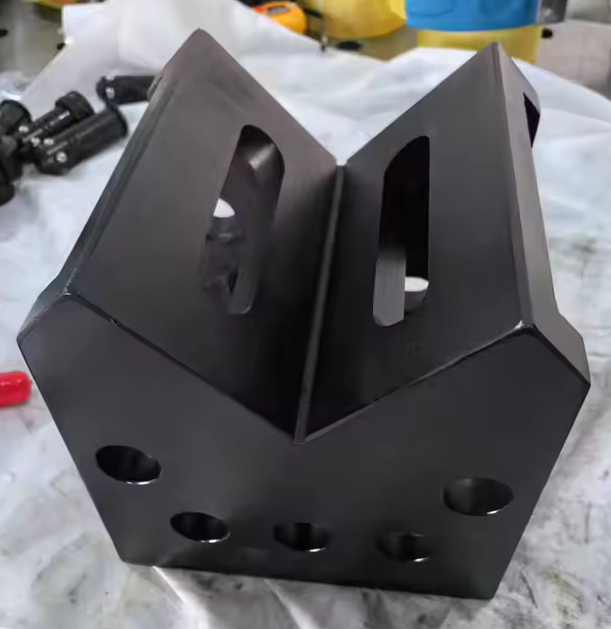
The primary difference between a glass cutting table and a fabrication table lies in their structural design, surface material, and intended load-bearing capabilities. A glass cutting table features a flat, smooth, and often cushioned surface designed to prevent breakage during the scoring and snapping of brittle materials. In contrast, a fabrication table—specifically modular welding or assembly tables—is engineered with heavy-duty steel or cast iron surfaces, grid patterns, and clamping points to secure metal components for welding, machining, and assembly. While glass tables prioritize surface integrity and vibration dampening, fabrication tables prioritize rigidity, heat resistance, and precise positional locking.
Understanding the Core Distinctions: Glass Cutting vs. Metal Fabrication
In industrial manufacturing and workshop environments, the terminology surrounding work surfaces can often lead to confusion. Users frequently search for “glass cutting table vs fabrication table” to determine which equipment suits their production line. The distinction is not merely semantic; it represents a fundamental divergence in engineering physics and operational workflow.
Glass processing requires a surface that supports the material uniformly without creating stress points that could cause spontaneous fracture. The focus is on surface flatness and friction control. Conversely, metal fabrication involves high-heat processes like welding, heavy mechanical forces from grinding, and the need for rigid fixturing. Here, the focus shifts to structural stability, thermal dissipation, and modular adaptability.
For manufacturers involved in mixed-material production, understanding these differences is critical for optimizing workflow efficiency and ensuring worker safety. Using a glass-oriented table for heavy steel welding can damage the surface and compromise precision, while using a standard fabrication table for delicate glass cutting may result in material waste due to uneven support.
What Is a Glass Cutting Table?
A glass cutting table is a specialized workstation designed specifically for the glazing industry. Its primary function is to provide a stable, level platform for measuring, marking, scoring, and breaking sheet glass. Key characteristics include:
- Smooth Surface Material: Typically made from tempered glass, laminated wood, or specialized composite materials that offer low friction.
- Cushioning Layers: Many professional tables include a felt or rubber underlayer to absorb shock and prevent micro-cracks during the breaking process.
- Integrated Measurement Systems: Built-in rulers, T-squares, and air flotation systems (in high-end models) to facilitate the movement of heavy glass sheets.
- Breaker Bars: Integrated mechanisms to apply even pressure along the score line for clean breaks.
The engineering priority here is preservation of material integrity. Any imperfection on the table surface can translate directly into a defect in the glass product.
What Is a Fabrication Table?
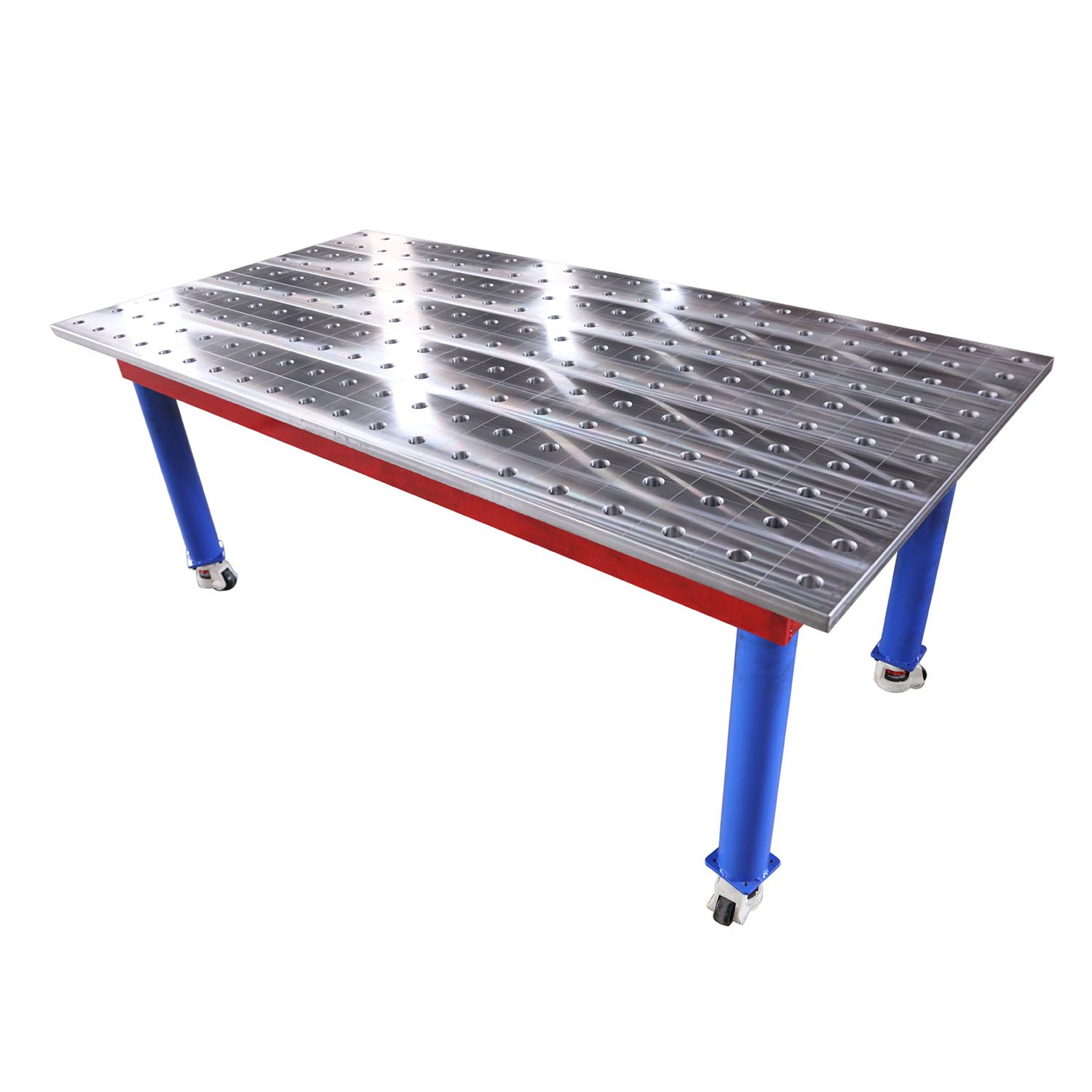
A fabrication table, particularly in the context of modern manufacturing, refers to a robust workbench designed for metalworking, welding, and assembly. At Botou Haijun Metal Products Co., Ltd., we specialize in the advanced evolution of this concept: the flexible modular fabrication table. Unlike static benches, these tables are dynamic systems.
Key characteristics of professional fabrication tables include:
- Heavy-Duty Construction: Made from high-grade steel or cast iron to withstand heavy loads and thermal stress.
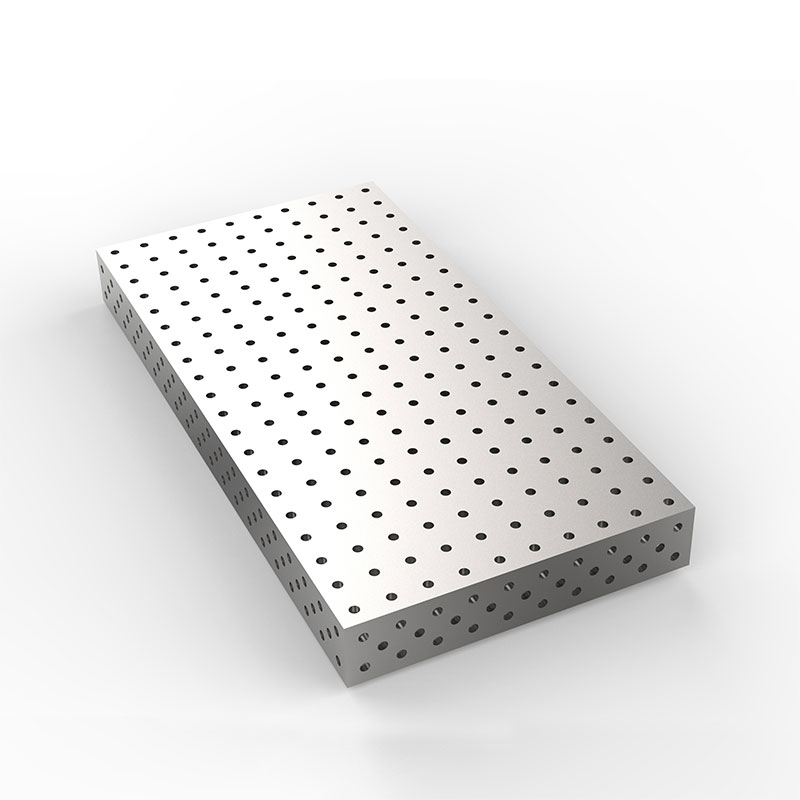
- Modular Grid System: A pattern of holes (square or round) that allows for the attachment of various clamps, stops, and squares.
- Grounding Points: Essential for welding operations to ensure electrical safety and arc stability.
- High Precision Flatness: Critical for assembling complex geometries where angular accuracy is paramount.
These tables serve as the backbone of jigging and fixturing in industries such as automotive, aerospace, and machinery manufacturing. They transform a simple workspace into a precise positioning system.
Detailed Comparison: Glass Cutting Table vs. Fabrication Table
To assist procurement managers and workshop supervisors in making informed decisions, the following table outlines the technical and operational differences between these two types of workstations.
| Feature | Glass Cutting Table | Fabrication Table (Modular/Welding) |
| Primary Material | Tempered glass, MDF, Composite | Steel, Cast Iron, Aluminum Alloy |
| Surface Texture | Smooth, Low-friction, Soft-touch | Textured, Grid-patterned, Hard |
| Load Capacity | Moderate (Distributed weight) | High (Point loads and heavy impacts) |
| Thermal Resistance | Low (Sensitive to heat shock) | High (Designed for welding sparks/heat) |
| Fixturing Capability | Minimal (Relies on gravity/friction) | Extensive (Clamps, magnets, stops) |
| Precision Focus | Linear measurement & scoring | Angular positioning & 3D alignment |
| Maintenance | Cleaning surface, replacing felt | Checking flatness, cleaning slag |
| Typical Industry | Glazing, Architecture, Automotive Glass | Metalworking, Robotics, Aerospace |
Deep Dive: Why Fabrication Tables Require Modular Precision
While glass cutting tables are relatively standardized, fabrication tables have undergone a significant technological shift. Traditional welding benches were static slabs of steel. Modern manufacturing demands flexibility, leading to the rise of flexible modular fixtures.
Botou Haijun Metal Products Co., Ltd. has pioneered solutions in this sector by developing high-precision flexible modular fixtures that redefine what a fabrication table can achieve. Our core product line includes 2D and 3D flexible welding platforms that are renowned for their exceptional versatility and precision. These platforms are not just tables; they are comprehensive positioning ecosystems.
The Role of 2D and 3D Flexible Welding Platforms
In many fabrication scenarios, especially in the machining, automotive, and aerospace industries, workers deal with complex assemblies. A standard flat table is insufficient for holding irregular parts at specific angles. This is where Haijun Metal’s 2D and 3D platforms excel.
- 2D Platforms: Ideal for flat panel assembly, sheet metal work, and frame construction. They provide a perfectly flat reference plane with a grid of holes for clamping.
- 3D Platforms: Designed for complex, multi-dimensional assemblies. These tables allow for vertical and horizontal positioning, enabling welders to access joints from multiple angles without re-fixturing the part.
The precision of these tables ensures that every welded component meets strict tolerance requirements. In aerospace applications, where millimeter deviations can lead to catastrophic failures, the stability provided by a high-quality cast iron 3D welding platform is non-negotiable.
Complementary Components for Enhanced Functionality
A fabrication table’s utility is defined by its accessories. A bare table offers limited value without the right tooling. Haijun Metal provides a comprehensive range of complementary components that integrate seamlessly with our platforms:
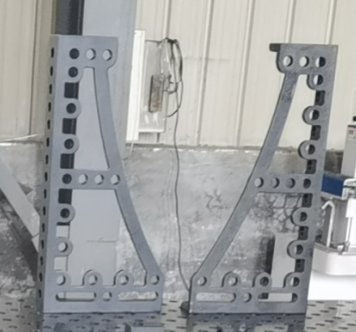
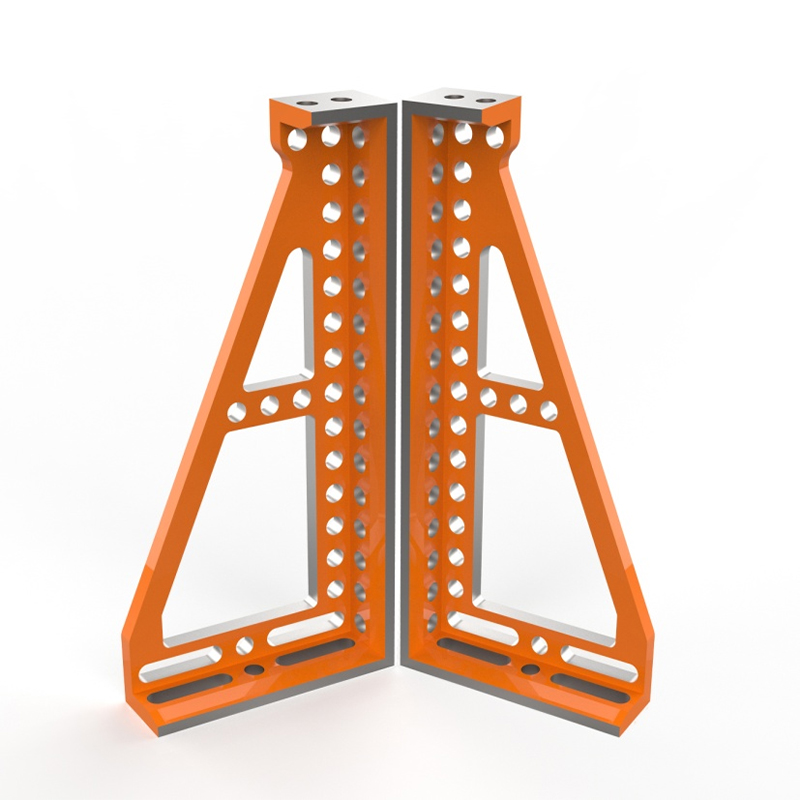
- U-shaped and L-shaped Multi-purpose Square Boxes: These tools allow for rapid 90-degree positioning of workpieces, essential for frame building.
- 200-series Support Angle Irons: Provide sturdy support for angled joints, ensuring consistent weld quality.
- 0-225° Universal Angle Gauges: Enable precise angular setup for non-standard joints, expanding the table’s versatility beyond simple orthogonal connections.
- Angle Connection Blocks: Facilitate the creation of custom jigs directly on the table surface.
These accessories enable rapid workpiece positioning and clamping, significantly reducing setup time. In high-mix, low-volume production environments, this speed translates directly to increased profitability.
Application Scenarios: Choosing the Right Table
Selecting between a glass cutting table and a fabrication table depends entirely on the material being processed and the operations being performed. Misapplication can lead to equipment damage and poor product quality.
When to Use a Glass Cutting Table
You should invest in a dedicated glass cutting table if your primary operations involve:
- Architectural Glazing: Cutting large panes for windows and doors.
- Automotive Glass Replacement: Precise cutting of windshields and side windows.
- Mirror Production: Where surface scratches must be completely avoided.
- Artistic Glasswork: Stained glass projects requiring intricate scoring.
In these scenarios, the softness and flatness of the table are critical. A metal fabrication table would scratch the glass and provide uneven support, leading to high breakage rates.
When to Use a Fabrication Table
A modular fabrication table is the correct choice for:
- Structural Steel Welding: Building frames, gates, and supports.
- Precision Machining Fixturing: Holding parts steady for drilling or milling.
- Robotic Welding Cells: Providing a repeatable base for automated arms.
- Prototype Development: Rapidly assembling and modifying jigs for new products.
For these applications, the durability and modularity of Haijun Metal’s platforms are indispensable. The ability to clamp parts securely prevents movement during welding, which is the primary cause of distortion and misalignment.
Technical Considerations for Fabrication Table Selection
When evaluating fabrication tables, several technical parameters must be considered to ensure long-term value and performance.
Material Durability and Stability
The base material of the table determines its lifespan. Cast iron is preferred for high-precision applications due to its natural vibration damping properties and resistance to warping. Steel offers high strength and is cost-effective for general-purpose welding. Haijun Metal manufactures professional cast iron 3D welding platforms that ensure exceptional durability and stability, even under continuous industrial use.
Grid Pattern and Hole Tolerance
The arrangement of holes on the table surface dictates the flexibility of fixturing. Common patterns include square grids (e.g., 50mm x 50mm or 100mm x 100mm). The tolerance of these holes is critical; if the holes are not precisely machined, clamps and stops will not fit tightly, leading to play and inaccuracies. High-quality tables maintain tight tolerances to ensure repeatability.
Surface Flatness Standards
For precision assembly, the table surface must be flat within specified limits (e.g., ±0.5mm over the entire surface). Over time, heavy impacts can distort a table. Premium tables are designed to resist deformation and can be resurfaced if necessary. The rigorous quality control at Haijun Metal ensures that every product delivers consistent flatness, crucial for maintaining Topical Authority in precision manufacturing.
Common Mistakes in Workspace Setup
Even with the right equipment, improper setup can hinder productivity. Here are common errors to avoid:
- Ignoring Grounding on Fabrication Tables: Failing to properly ground the table can lead to poor weld quality and safety hazards. Always ensure a dedicated grounding point is accessible.
- Overloading Glass Tables: Placing heavy metal objects on a glass cutting table can crack the surface. Keep these stations dedicated to glass only.
- Neglecting Maintenance: Slag and spatter from welding can clog the grid holes of a fabrication table. Regular cleaning is essential to maintain the functionality of the modular system.
- Using Incorrect Clamps: Using clamps that do not match the hole pattern or size can damage the table. Stick to compatible accessories like the 200-series support angle irons offered by Haijun Metal.
FAQ: Frequently Asked Questions
Can I use a fabrication table for cutting glass?
No, it is not recommended. Fabrication tables are typically made of metal or hard composite materials that are too rough for glass. They can scratch the surface and lack the uniform support needed to prevent breakage during scoring. Additionally, metal debris on a fabrication table can act as stress concentrators, causing the glass to shatter.
What is the advantage of a modular fabrication table over a traditional welding bench?
Modular fabrication tables offer superior flexibility and precision. Traditional benches are static, requiring custom jigs for each project. Modular tables, like those from Botou Haijun Metal Products Co., Ltd., allow for rapid reconfiguration using standardized clamps and stops. This reduces setup time, improves accuracy, and eliminates the need for storing numerous single-use jigs.
How do I maintain the flatness of my fabrication table?
To maintain flatness, avoid dropping heavy objects onto the table surface. Regularly clean out grid holes to prevent buildup that can lift workpieces. Periodically check the surface with a straight edge and dial indicator. If minor distortions occur, professional resurfacing may be required. Using protective covers when not in use can also extend the table’s life.
Why are cast iron tables preferred for precision work?
Cast iron has excellent vibration damping characteristics, which is crucial for precision machining and welding. It is also less prone to thermal expansion compared to steel, maintaining its shape better under varying temperatures. Furthermore, cast iron is highly durable and resistant to wear, ensuring long-term stability.
What industries benefit most from Haijun Metal’s flexible welding platforms?
Industries that require high precision and frequent changeovers benefit the most. This includes the automotive sector for frame assembly, the aerospace industry for complex component jigging, and general machinery manufacturing for prototype development and small-batch production. The versatility of the 2D and 3D platforms makes them ideal for any application demanding accurate positional locking.
Conclusion: Optimizing Your Production Workflow
Choosing between a glass cutting table and a fabrication table is a decision that impacts both product quality and operational efficiency. For glass processing, the priority is a smooth, supportive surface that protects brittle materials. For metalworking and assembly, the priority is a rigid, modular, and heat-resistant platform that enables precise fixturing.
As manufacturing demands evolve towards greater flexibility and precision, the role of the fabrication table has expanded from a simple workbench to a central node in the production process. Botou Haijun Metal Products Co., Ltd. stands at the forefront of this evolution. With years of industry experience, Haijun Metal has become a trusted supplier of tools and gauges to customers both domestically and internationally. Our commitment to providing efficient and flexible welding and positioning solutions ensures that your fabrication processes are not just functional, but optimized for peak performance.
Whether you need 2D platforms for sheet metal work or 3D systems for complex aerospace assemblies, our high-precision flexible modular fixtures deliver the reliability your business needs. By integrating our U-shaped square boxes, universal angle gauges, and cast iron platforms into your workflow, you can reduce setup times, improve weld quality, and enhance overall productivity.
Ready to upgrade your fabrication capabilities?
Evaluate your current workspace needs. If you are dealing with complex metal assemblies, consider the long-term ROI of a modular system. For specialized requirements or to discuss how our flexible welding platforms can integrate into your existing line, contact our technical team today.
Explore Haijun Metal’s Flexible Welding Solutions and Catalog