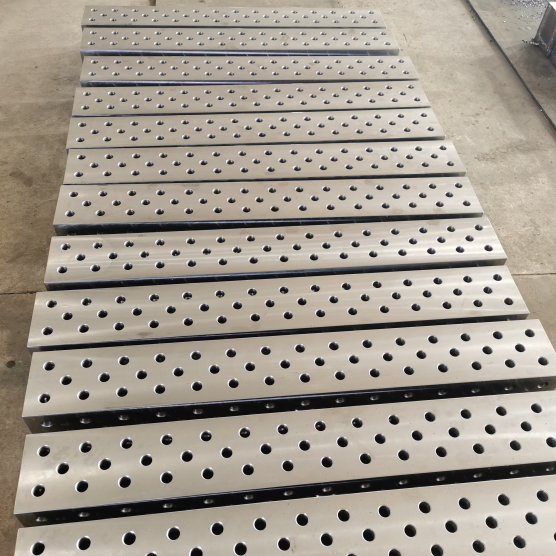
Electrical aluminum castings are precision-engineered components manufactured specifically for power transmission, distribution, and electrical infrastructure applications. Unlike standard industrial castings, these parts demand exceptional electrical conductivity, thermal stability, and corrosion resistance to ensure grid reliability. As a specialized manufacturer, we produce high-integrity aluminum alloy components—including busbar supports, transformer housings, switchgear enclosures, and connector bodies—using advanced high-pressure die casting (HPDC) and gravity casting processes. Our solutions meet rigorous international standards such as IEC, ASTM, and ANSI, providing OEMs and utility providers with lightweight, durable, and cost-effective alternatives to copper or steel components. This guide details the manufacturing capabilities, material science, and quality assurance protocols essential for sourcing reliable electrical aluminum castings in 2026.
What Are Electrical Aluminum Castings?
Electrical aluminum castings refer to metal components formed by pouring molten aluminum alloy into a mold, specifically designed for use in electrical systems. These components serve critical functions such as conducting electricity, housing sensitive electronic equipment, dissipating heat, or providing structural support for heavy electrical infrastructure.
The primary advantage of using aluminum over other metals lies in its favorable strength-to-weight ratio and natural corrosion resistance. In the context of electrical engineering, specific aluminum alloys are selected for their ability to maintain structural integrity under thermal cycling and electromagnetic stress. These castings are not merely structural; they are integral to the safety and efficiency of power grids, renewable energy systems, and industrial machinery.
Key Characteristics Defining Quality
- High Conductivity: While not as conductive as copper, specific aluminum alloys offer sufficient electrical performance for many structural and conductive applications, especially when cross-sectional areas are optimized.
- Thermal Management: Aluminum’s high thermal conductivity allows castings to act as heat sinks, dissipating heat generated by electrical currents away from sensitive components.
- Corrosion Resistance: Natural oxide layer formation protects components in outdoor substations, marine environments, and humid industrial settings without extensive coating requirements.
- Dimensional Precision: Modern casting techniques ensure tight tolerances, reducing the need for secondary machining and ensuring seamless assembly with other electrical components.
Why Choose Aluminum for Electrical Applications?
The shift toward aluminum in electrical infrastructure is driven by both economic and technical factors. In 2026, supply chain volatility and the global push for lightweight, energy-efficient materials have solidified aluminum’s position as the preferred metal for many electrical applications.
Cost-Efficiency and Weight Reduction
Aluminum is significantly lighter than copper and steel. For large-scale infrastructure projects, such as high-voltage transmission towers or mobile substations, weight reduction translates directly into lower transportation and installation costs. Furthermore, aluminum prices are generally more stable and lower than copper, offering a predictable cost structure for long-term projects.
Sustainability and Recyclability
Modern procurement policies prioritize sustainability. Aluminum is infinitely recyclable without loss of quality. Producing recycled aluminum requires only 5% of the energy needed for primary production. For companies aiming to meet ESG (Environmental, Social, and Governance) goals, sourcing aluminum castings contributes positively to their carbon footprint metrics.
Performance in Harsh Environments
Electrical infrastructure is often exposed to extreme weather. Aluminum castings resist rust and degradation from UV exposure, rain, and salt spray. This durability reduces maintenance frequency and extends the lifecycle of electrical assets, a critical factor for utility companies managing remote or hard-to-access installations.
About Botou Haijun Metal Products Co., Ltd.
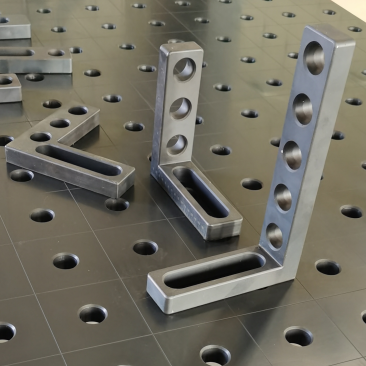
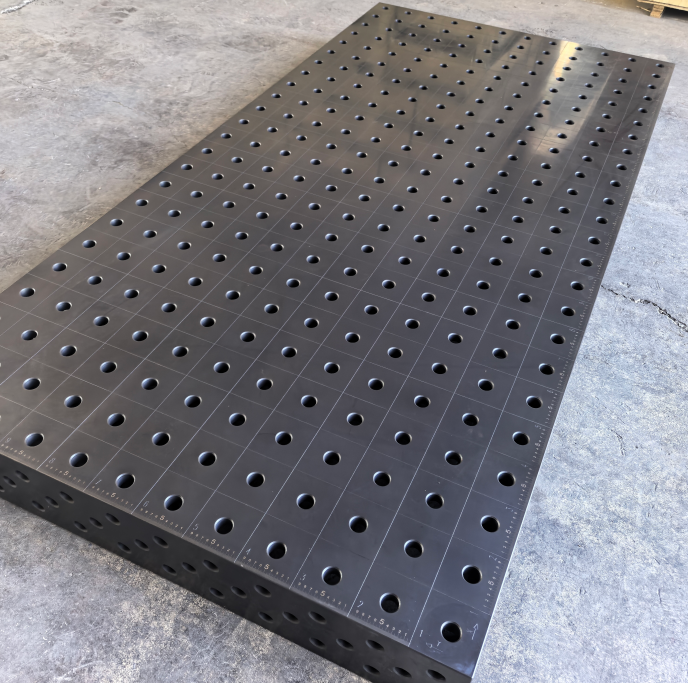
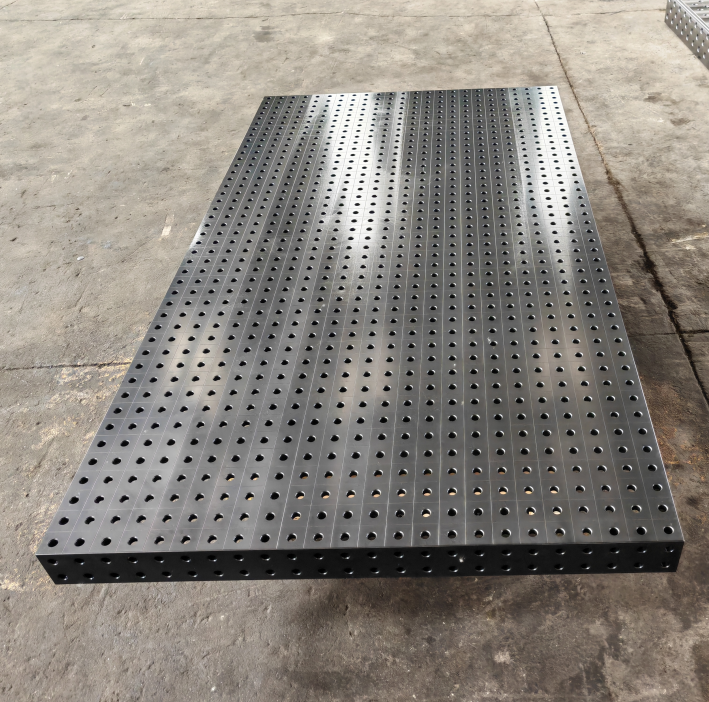
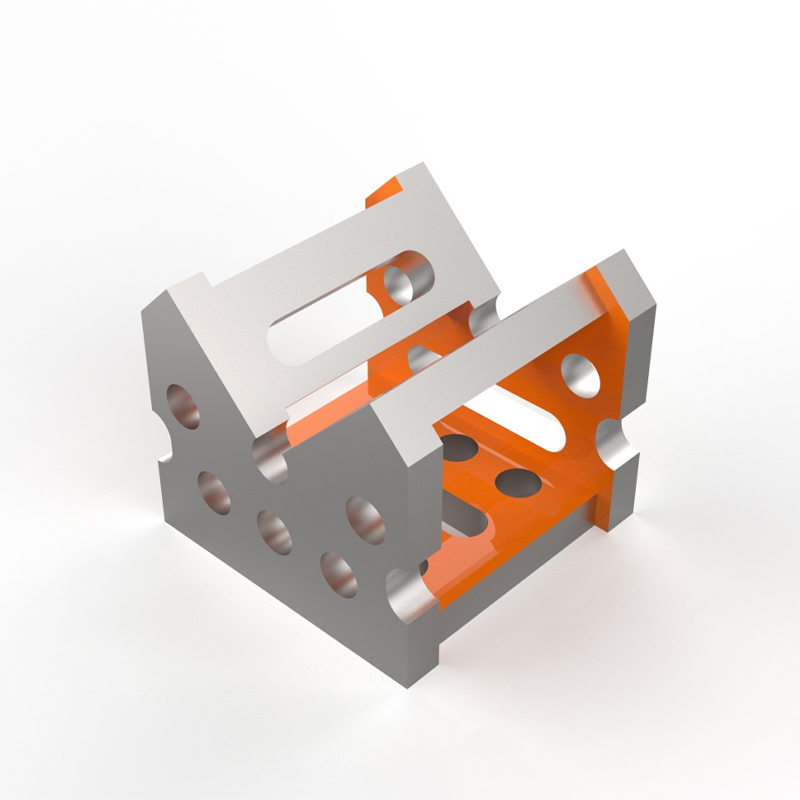
While our core expertise at Botou Haijun Metal Products Co., Ltd. has long been recognized in the research, development, and production of high-precision flexible modular fixtures and metalworking tools, our mastery of metallurgy extends deeply into precision casting. Known globally for providing efficient welding and positioning solutions—such as our renowned 2D and 3D flexible welding platforms, multi-purpose square boxes, and universal angle gauges—we leverage the same rigorous standards of durability and stability in our electrical casting division.
Our experience in serving the machining, automotive, and aerospace industries has honed our ability to deliver exceptional dimensional accuracy and material integrity. Whether it is a cast iron 3D welding platform requiring absolute flatness or an aluminum switchgear enclosure demanding precise tolerances, Haijun Metal applies its years of industry experience to ensure every product meets the highest quality benchmarks. This cross-industry expertise allows us to offer electrical aluminum castings that are not only compliant with international standards but also engineered for optimal performance in demanding environments.
Common Applications of Electrical Aluminum Castings
Our manufacturing capabilities cover a broad spectrum of electrical sectors. Understanding the specific application helps in selecting the right alloy and casting process. Below are the primary categories where our electrical aluminum castings are deployed.
Power Transmission and Distribution
In high-voltage networks, aluminum castings are used for:
- Insulator Caps and Pins: Components that secure ceramic or composite insulators to transmission towers. These must withstand mechanical tension and environmental exposure.
- Clamps and Connectors: Used to join conductors. Precision casting ensures low contact resistance and secure mechanical grip.
- Cross-arm Brackets: Structural supports that hold insulators and conductors in place on utility poles.
Transformer and Switchgear Components
Transformers and switchgears require robust housings and internal supports. Aluminum castings provide:
- Housings and Enclosures: Protecting internal coils and switches from dust, moisture, and physical impact. IP-rated enclosures are common here.
- Cooling Fins: Cast directly onto transformer tanks to increase surface area for heat dissipation.
- Busbar Supports: Insulating and securing heavy copper or aluminum busbars within switchgear assemblies.
Renewable Energy Systems
The solar and wind sectors rely heavily on aluminum due to its lightweight nature. Applications include:
- Inverter Housings: Protecting power electronics while dissipating heat efficiently.
- Mounting Structures: Cast nodes and joints for solar panel racks and wind turbine nacelles.
- Junction Boxes: Weather-resistant enclosures for connecting solar arrays to the grid.
Electric Vehicle (EV) Infrastructure
As EV adoption grows, so does the demand for charging infrastructure. Aluminum castings are used in:
- Charging Station Housings: Durable, vandal-resistant enclosures for public chargers.
- Internal Heat Sinks: Managing thermal loads in high-power DC fast chargers.
- Connector Bodies: Precision-cased components for charging plugs and sockets.
Manufacturing Processes: Ensuring Precision and Integrity
The quality of an electrical aluminum casting is determined by the manufacturing process. We utilize three primary methods, each suited to different volume, complexity, and precision requirements.
High-Pressure Die Casting (HPDC)
HPDC is ideal for high-volume production of complex, thin-walled components. Molten aluminum is injected into a steel mold at high pressure.
- Advantages: Excellent surface finish, high dimensional accuracy, and fast cycle times.
- Best For: Small to medium-sized components like connector bodies, sensor housings, and intricate heat sinks.
- Technical Note: HPDC can trap air, leading to porosity. For electrical applications requiring vacuum tightness or high structural integrity, vacuum-assisted HPDC is employed to minimize voids.
Gravity Die Casting (Permanent Mold)
This process uses gravity to fill reusable metal molds. It produces denser castings with better mechanical properties than HPDC.
- Advantages: Superior strength and consistency, reduced porosity, and better heat treatment response.
- Best For: Medium-volume parts requiring higher structural integrity, such as busbar supports and larger enclosure bases.
Sand Casting
Sand casting uses expendable sand molds, allowing for very large and complex shapes.
- Advantages: Cost-effective for low volumes and very large parts. No limit on part size.
- Best For: Large transformer tank covers, base plates for substations, and custom, low-volume prototype runs.
Material Selection: Aluminum Alloys for Electrical Use
Not all aluminum alloys are suitable for electrical applications. The choice of alloy impacts conductivity, strength, castability, and corrosion resistance. We primarily work with the following series:
| Alloy Series | Common Grades | Key Properties | Typical Electrical Application |
| A356 / A357 | AlSi7Mg | Excellent castability, good strength after heat treatment, moderate conductivity. | Structural housings, insulator caps, pump bodies. |
| A380 | AlSi9Cu3 | High fluidity, good pressure tightness, lower corrosion resistance than A356. | Complex thin-walled connectors, internal brackets. |
| 413.0 | AlSi11 | High silicon content provides excellent fluidity and wear resistance. | Components requiring tight seals and intricate details. |
| 6061 (Extruded/Cast hybrid) | AlMgSi | Higher conductivity, good corrosion resistance, weldable. | Busbars, structural frames requiring welding. |
The Role of Heat Treatment
For alloys like A356, T6 heat treatment is often applied. This process involves solution heat treatment, quenching, and artificial aging. It significantly increases the tensile strength and yield strength of the casting, ensuring it can withstand mechanical loads in demanding electrical environments without deforming.
Quality Control and Standards Compliance
In the electrical sector, failure is not an option. A defective casting can lead to power outages, equipment damage, or safety hazards. Our quality assurance protocol is designed to exceed industry standards.
International Standards Adherence
We manufacture in compliance with major global standards, including:
- ASTM B85: Standard Specification for Aluminum-Alloy Die Castings.
- IEC 61284: Requirements for fittings for overhead power lines.
- ISO 9001:2015: Quality Management Systems certification.
- RoHS & REACH: Compliance with environmental regulations regarding hazardous substances.
Advanced Inspection Techniques
To ensure every batch meets specifications, we employ a multi-stage inspection process:
- X-Ray Inspection: Detects internal porosity, shrinkage, and inclusions that are invisible to the naked eye. Critical for pressure-tight and high-stress components.
- CMM (Coordinate Measuring Machine): Verifies dimensional accuracy against CAD models with micron-level precision. Ensures fitment with mating parts.
- Spectrometry: Analyzes the chemical composition of each melt batch to ensure alloy purity and correct elemental balance.
- Leak Testing: For housings and enclosures, air decay or helium leak tests confirm IP ratings (Ingress Protection) against dust and water.
- Surface Finish Analysis: Checks for cracks, cold shuts, and flow marks that could compromise corrosion resistance or aesthetics.
Design Considerations for Electrical Aluminum Castings
Optimizing a design for casting can reduce costs and improve performance. Engineers should consider the following principles when designing electrical components.
Wall Thickness Uniformity
Varying wall thicknesses can lead to differential cooling rates, causing shrinkage defects and warping. Maintaining uniform wall thickness ensures consistent material density and structural integrity. Where thickness changes are necessary, gradual transitions (fillets) should be used.
Draft Angles
Draft angles are essential for ejecting the part from the mold without damage. Typically, a draft angle of 1-2 degrees is recommended for external surfaces and 2-3 degrees for internal cores. Proper drafting reduces friction and prevents surface scratches.
Parting Lines and Gate Locations
The location of parting lines and gates affects the final appearance and structural strength. Gates should be placed in non-critical areas to avoid weak points. Parting lines should be positioned to minimize flash and simplify secondary finishing operations.
Integration of Features
Castings allow for the integration of multiple features into a single part. Threads, mounting bosses, and heat sink fins can be cast directly, eliminating the need for assembly and reducing potential failure points. This “part consolidation” strategy is a key benefit of aluminum casting.
Comparison: Aluminum Castings vs. Alternatives
When selecting materials for electrical components, engineers often compare aluminum with copper, steel, and plastics. Understanding these differences is crucial for making informed decisions.
| Feature | Aluminum Castings | Copper Components | Steel Castings | Engineering Plastics |
| Weight | Light (Low Density) | Heavy (High Density) | Very Heavy | Lightest |
| Electrical Conductivity | Moderate (Good for structural/bus) | Excellent (Best for conductors) | Poor | Insulator |
| Thermal Conductivity | High (Excellent for heat sinking) | Very High | Moderate | Low |
| Corrosion Resistance | High (Natural oxide layer) | Moderate (Tarnishes/Oxidizes) | Low (Requires coating) | High (Chemical dependent) |
| Cost | Moderate (Cost-effective) | High (Volatile pricing) | Moderate | Low to Moderate |
| Strength-to-Weight | Excellent | Poor | Good | Poor |
Verdict: Aluminum offers the best balance of weight, cost, and performance for structural and thermal management roles. Copper remains superior for pure conductivity, but aluminum is often used as a cost-effective alternative for busbars and large conductors where size can be adjusted. Steel is reserved for high-load structural roles where weight is less critical. Plastics are used for insulation but lack the thermal and structural capabilities of metal.
Common Challenges and Solutions in Electrical Castings
Even with advanced manufacturing, challenges can arise. Here is how we address common issues in electrical aluminum casting production.
Porosity and Gas Traps
Challenge: Air trapped during casting creates voids, weakening the part and potentially causing leaks.
Solution: We use vacuum-assisted die casting and optimized gating systems to allow air to escape. X-ray inspection identifies any remaining porosity, ensuring only dense parts are shipped.
Galvanic Corrosion
Challenge: When aluminum contacts copper or steel in the presence of an electrolyte (moisture), galvanic corrosion can occur.
Solution: We recommend proper design isolation, use of bimetallic connectors with protective platings, or application of anti-corrosion coatings at contact points. Our team provides guidance on compatible material pairings.
Thermal Expansion Mismatch
Challenge: Aluminum expands more than steel or ceramics when heated, potentially loosening connections.
Solution: Designs incorporate spring-loaded contacts or flexible joints to accommodate thermal cycling. Material selection is adjusted to match expansion coefficients where possible.
How to Select the Right Manufacturer for Electrical Aluminum Castings
Choosing a supplier is a strategic decision. In 2026, the market is filled with options, but few meet the stringent requirements of the electrical industry. Here are the key criteria to evaluate.
1. Technical Expertise and Engineering Support
Look for a manufacturer that offers Design for Manufacturability (DFM) feedback. They should be able to analyze your CAD files and suggest improvements to reduce cost and enhance performance before production begins. This collaborative approach prevents costly errors downstream.
2. Certified Quality Systems
Verify certifications such as ISO 9001 and IATF 16949 (if automotive-related). Ask for their quality control manual and inspection reports. A transparent QA process is a sign of a trustworthy partner.
3. Production Capacity and Scalability
Ensure the manufacturer can handle your volume requirements, from prototyping to mass production. Check their lead times and ability to scale up quickly if demand increases. Supply chain resilience is critical in today’s market.
4. Industry-Specific Experience
Experience in the electrical sector matters. A manufacturer familiar with IEC standards, IP ratings, and electrical safety requirements will deliver products that comply with regulations, reducing your certification burden.
5. Post-Processing Capabilities
Electrical castings often require secondary operations like CNC machining, tapping, powder coating, or anodizing. A one-stop-shop with integrated post-processing reduces logistics complexity and ensures quality consistency across the entire component.
Frequently Asked Questions (FAQ)
What is the typical lead time for electrical aluminum castings?
Lead times vary based on complexity and volume. Prototype samples can often be produced within 2-3 weeks. Mass production tooling typically takes 4-6 weeks, followed by production runs of 2-4 weeks depending on order size. Rush options may be available for urgent projects.
Can aluminum castings be used for high-voltage applications?
Yes, aluminum castings are widely used in high-voltage applications, primarily for structural supports, housings, and connectors. However, for direct current conduction, proper sizing and surface treatment are essential to manage conductivity and prevent oxidation issues at contact points.
How do you ensure the corrosion resistance of outdoor electrical castings?
We use high-purity aluminum alloys with inherent corrosion resistance. Additionally, we offer surface treatments such as powder coating, anodizing, and chromating. For harsh marine environments, specific sealants and protective coatings are applied to extend service life.
What is the minimum order quantity (MOQ)?
MOQ depends on the casting process. For die casting, MOQs are typically higher due to tooling costs, often starting at 500-1,000 units. For sand casting or gravity casting, lower MOQs are possible, making them suitable for prototypes and small batches. Contact us for specific project quotes.
Do you provide custom tooling services?
Yes, we design and manufacture custom molds and dies in-house. This allows us to control tooling quality, lead times, and costs. We also offer tooling maintenance and storage services to ensure long-term production consistency.
How does aluminum compare to composite materials for electrical housings?
Aluminum offers superior thermal conductivity, making it better for heat-generating components. It is also more resistant to UV degradation and impact than many composites. Composites may be lighter and offer better electrical insulation, but aluminum provides a better balance of strength, thermal management, and recyclability for most industrial electrical applications.
Conclusion: Partnering for Reliable Electrical Infrastructure
Electrical aluminum castings are foundational to modern power systems, renewable energy infrastructure, and advanced technological devices. Their unique combination of light weight, corrosion resistance, and thermal efficiency makes them indispensable in 2026’s engineering landscape. However, the quality of these components is paramount. Poorly manufactured castings can compromise safety and reliability, leading to costly failures.
By choosing a manufacturer with deep expertise in electrical applications, rigorous quality control, and advanced casting technologies, you ensure that your products meet the highest standards of performance and durability. At Botou Haijun Metal Products Co., Ltd., we bring our legacy of precision from the fixture and tooling industry to the world of electrical castings, ensuring every component delivers the stability and accuracy your projects demand. Whether you are developing next-generation EV chargers, upgrading grid infrastructure, or designing compact industrial electronics, precision aluminum castings provide the structural and functional integrity your projects demand.
Ready to optimize your electrical components?
Our engineering team is prepared to review your designs, offer DFM insights, and provide competitive quotes for high-quality electrical aluminum castings. From prototype to mass production, we are committed to delivering solutions that power your success.
Request a Quote & Technical Consultation