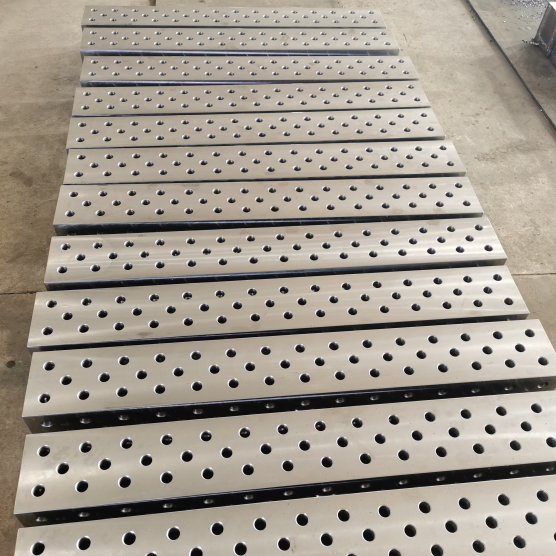
Construction machinery aluminum castings are precision-engineered structural and functional components manufactured through advanced casting processes, specifically designed to withstand the rigorous operational demands of heavy equipment. As a specialized manufacturer, we produce high-integrity parts such as engine blocks, transmission housings, hydraulic pump bodies, and structural brackets for excavators, loaders, and cranes. By utilizing alloys like A356 and A380 combined with High-Pressure Die Casting (HPDC) and Low-Pressure Die Casting (LPDC), these components offer a critical balance of weight reduction, thermal conductivity, and mechanical strength. This page details our manufacturing capabilities, quality assurance protocols, and engineering solutions for OEMs seeking reliable supply chains in 2026.
Why Aluminum Castings Are Critical for Modern Construction Machinery
The construction industry is undergoing a significant transformation driven by efficiency standards and emission regulations. In this context, construction machinery aluminum castings have shifted from optional alternatives to essential engineering solutions. Traditional steel components, while durable, add substantial mass to mobile equipment. This increased weight directly correlates with higher fuel consumption and reduced payload capacity.
Aluminum alloys provide a superior strength-to-weight ratio. For every kilogram of steel replaced by aluminum, manufacturers can reduce overall vehicle weight by approximately 40-50% without compromising structural integrity. This weight reduction is not merely about fuel savings; it enhances machine agility, reduces wear on undercarriage components, and allows for larger hydraulic systems within the same footprint.
Key Engineering Advantages
- Weight Reduction: Aluminum is roughly one-third the density of steel, enabling lighter booms, arms, and chassis components.
- Thermal Management: Superior heat dissipation properties protect sensitive hydraulic fluids and electronic control units (ECUs) in high-load operations.
- Corrosion Resistance: Natural oxide layers and surface treatments extend component life in harsh environments, including marine construction sites and chemical plants.
- Design Flexibility: Casting processes allow for complex geometries that integrate multiple functions into a single part, reducing assembly time and potential failure points.
Manufacturing Processes for Heavy-Duty Aluminum Components
Producing castings for construction machinery requires more than standard foundry techniques. The components must endure high vibration, shock loads, and extreme temperature variations. We employ three primary casting technologies, each selected based on the specific functional requirements of the part.
High-Pressure Die Casting (HPDC)
HPDC is ideal for producing large volumes of complex, thin-walled components with tight dimensional tolerances. In this process, molten aluminum is injected into a steel mold at high pressure. This method ensures excellent surface finish and minimal post-machining requirements.
Typical Applications:
- Hydraulic valve bodies
- Sensor housings
- Cover plates and brackets
- Transmission cases
The rapid cooling rate in HPDC results in a fine grain structure, enhancing tensile strength. However, for structural parts requiring maximum ductility, we often combine HPDC with vacuum-assisted systems to reduce porosity, ensuring the internal integrity required for safety-critical applications.
Low-Pressure Die Casting (LPDC)
For larger, thicker structural components where mechanical properties are paramount, LPDC is the preferred method. Molten metal is drawn into the mold under low pressure, allowing for controlled filling and reduced turbulence. This minimizes gas entrapment and oxide formation.
Benefits for Construction Equipment:
- Higher Ductility: Essential for parts subject to impact loads, such as wheel hubs and suspension arms.
- Heat Treatability: LPDC parts respond well to T6 heat treatment, significantly boosting yield strength.
- Structural Integrity: Lower porosity levels make these castings suitable for welding and high-stress mounting points.
Sand Casting for Large-Scale Structures
When dealing with massive components like engine blocks or large gearbox housings for mining equipment, sand casting offers the necessary flexibility. While surface finish may require more machining compared to die casting, sand casting allows for the production of very large, complex shapes that cannot be economically produced via metal molds.
Material Selection: Alloys for Durability and Performance
The choice of aluminum alloy determines the performance ceiling of the final component. In the construction machinery sector, we primarily utilize Al-Si (Aluminum-Silicon) and Al-Si-Mg (Aluminum-Silicon-Magnesium) series alloys due to their excellent castability and mechanical properties.
| Alloy Series | Key Characteristics | Common Applications in Construction Machinery |
| A356 / A357 | Excellent strength-to-weight ratio, good corrosion resistance, highly responsive to T6 heat treatment. | Wheel rims, suspension components, structural brackets, pump housings. |
| A380 | Superior fluidity, good pressure tightness, moderate strength. Ideal for complex thin walls. | Hydraulic manifolds, transmission housings, engine covers. |
| A413 | High fluidity and corrosion resistance, but lower mechanical strength than A356. | Non-structural covers, decorative trim, simple enclosures. |
| A360 | Enhanced corrosion resistance and strength compared to A380, with good castability. | Marine construction equipment parts, outdoor exposure components. |
Selecting the right alloy involves balancing cost, performance, and manufacturability. For instance, while A356 offers superior mechanical properties, A380 may be chosen for intricate hydraulic blocks where filling complex channels is the primary challenge. Our engineering team assists clients in optimizing material selection to meet specific load cases and environmental conditions.
Quality Assurance and Industry Standards
In the B2B industrial sector, consistency is non-negotiable. A single failed casting can lead to costly downtime for end-users and reputational damage for OEMs. Our quality management system is built around rigorous testing and international standards compliance.
Certifications and Compliance
We adhere to strict quality frameworks, including ISO 9001 for quality management systems. For automotive and heavy machinery supply chains, IATF 16949 principles are integrated into our production workflows. This ensures traceability from raw material ingestion to final shipment.
Non-Destructive Testing (NDT)
To guarantee internal integrity without damaging the part, we employ advanced NDT methods:
- X-Ray Inspection: Detects internal porosity, shrinkage, and inclusions. Critical for pressure-bearing components like hydraulic pumps.
- Dye Penetrant Testing: Identifies surface-breaking defects such as cracks or cold shuts. Used extensively on safety-critical structural parts.
- Ultrasonic Testing: Measures wall thickness and detects subsurface flaws in thick-section castings.
Mechanical Property Verification
Every batch undergoes tensile testing to verify yield strength, ultimate tensile strength, and elongation. Hardness testing (Brinell and Rockwell) ensures the material meets specified heat treatment conditions. These data points are documented in Material Test Reports (MTRs) provided with each shipment, ensuring full transparency and trustworthiness.
Key Applications of Aluminum Castings in Construction Equipment
Understanding where and how these components are used helps engineers design better systems. Below, we detail the primary subsystems in construction machinery that benefit from aluminum casting technology.
Hydraulic Systems
Hydraulics are the muscle of construction equipment. Aluminum castings form the backbone of these systems.
- Pump Housings: Must withstand high internal pressures while maintaining precise alignment for gears and pistons. Aluminum’s thermal conductivity helps dissipate heat generated by friction.
- Valve Blocks: Complex internal channels direct fluid flow. HPDC allows for intricate core designs that minimize pressure drops and improve efficiency.
- Cylinder Heads: Lightweight heads reduce reciprocating mass, improving response times and reducing energy consumption.
Powertrain and Transmission
The powertrain converts engine power into movement. Weight reduction here has a compounded effect on overall machine efficiency.
- Transmission Cases: Protect gears and bearings while acting as a structural member. Aluminum cases reduce rotational inertia.
- Torque Converter Housings: Require precise balancing and smooth surfaces to prevent fluid turbulence.
- Engine Blocks: For smaller auxiliary engines or hybrid systems, aluminum blocks offer significant weight savings over iron counterparts.
Structural and Undercarriage Components
While steel dominates the main boom structures, aluminum is increasingly used in secondary structural roles.
- Wheel Hubs and Rims: Reduced unsprung mass improves suspension performance and ride stability.
- Bracketry and Mounts: Engine mounts, cab supports, and accessory brackets benefit from aluminum’s ease of casting complex shapes, reducing the need for multiple welded assemblies.
- Cab Structures: Aluminum frames enhance operator safety through energy absorption while reducing overall upper-structure weight.
Design for Manufacturing (DFM): Optimizing Your Parts
Successful casting begins at the design stage. Many engineering challenges can be mitigated by adhering to Design for Manufacturing (DFM) principles. Our technical team collaborates with clients early in the development phase to optimize part geometry for castability.
Wall Thickness Uniformity
Varying wall thicknesses lead to differential cooling rates, causing shrinkage porosity and warping. We recommend maintaining uniform wall thickness wherever possible. Where transitions are necessary, gradual tapers should be used to avoid stress concentrations.
Draft Angles and Radii
Proper draft angles facilitate easy ejection from the mold, preventing surface damage. Internal and external radii reduce stress concentration and improve metal flow. Sharp corners are prone to cracking during thermal cycling; generous fillets enhance fatigue life.
Core Placement and Venting
Complex internal features require cores. Proper core placement ensures structural support during pouring. Adequate venting allows air and gases to escape, preventing gas porosity. Our simulation software predicts filling patterns and solidification fronts, allowing us to optimize gate and vent locations before tooling is cut.
Comparison: Aluminum Castings vs. Steel Fabrications
When deciding between aluminum castings and welded steel fabrications, engineers must consider total lifecycle costs, not just material price per kilogram. The following table highlights key differences relevant to construction machinery manufacturing.
| Feature | Aluminum Castings | Steel Fabrications |
| Weight | Lightweight (approx. 1/3 density of steel) | Heavy, increases fuel consumption |
| Complexity | High; complex geometries in single piece | Low; requires multiple parts and welding |
| Assembly Cost | Low; fewer fasteners and joints | High; labor-intensive welding and fitting |
| Corrosion Resistance | High; natural oxide layer | Low; requires painting or galvanizing |
| Tooling Cost | High initial investment for molds | Low initial investment |
| Production Volume | Cost-effective for medium to high volumes | Cost-effective for low volumes/prototypes |
| Damping Capacity | Good vibration damping | Lower damping, transmits more vibration |
For high-volume production runs typical of mainstream construction equipment models, aluminum castings offer a lower total cost of ownership due to reduced assembly labor, improved fuel efficiency, and lower maintenance needs. For low-volume specialty machines, steel may remain viable, but hybrid approaches are becoming common.
Surface Treatment and Finishing Options
Raw aluminum castings often require surface treatments to enhance appearance, corrosion resistance, or wear properties. The choice of finish depends on the operating environment and aesthetic requirements.
Powder Coating
A durable, decorative finish available in various colors. Powder coating provides excellent protection against UV radiation and moisture, making it ideal for exterior components like cab frames and covers. It is environmentally friendly and offers a uniform thickness.
Anodizing
An electrochemical process that thickens the natural oxide layer. Anodizing significantly improves corrosion and wear resistance. It is commonly used for hydraulic components and parts exposed to abrasive materials. Hard anodizing can achieve surface hardness comparable to some steels.
E-Coating (Electrophoretic Deposition)
Provides superior corrosion protection, especially in hard-to-reach areas and internal channels. E-coating is often used as a primer for subsequent paint layers or as a standalone finish for underbody components.
Machining and Deburring
Precision CNC machining ensures critical interfaces meet tight tolerances. Automated deburring removes sharp edges and flash, improving safety and fitment. Our facility integrates machining lines directly with casting cells to minimize handling and lead times.
Supply Chain Stability and Logistics
In 2026, supply chain resilience is a top priority for global OEMs. As a dedicated manufacturer, we have optimized our logistics to ensure consistent delivery schedules. We maintain strategic stockpiles of raw aluminum ingots to mitigate market volatility. Our production planning systems integrate with client forecasts, allowing for Just-in-Time (JIT) delivery where required.
We offer comprehensive packaging solutions designed for international shipping. Custom crates and pallets protect delicate machined surfaces during transit. Detailed labeling and documentation ensure smooth customs clearance and inventory management upon arrival.
Frequently Asked Questions (FAQ)
What is the maximum size of aluminum castings you can produce?
Our facility is equipped to handle a wide range of sizes. For High-Pressure Die Casting, we typically produce parts up to 50kg. For Low-Pressure and Sand Casting, we can manufacture structural components weighing over 200kg. Please consult our engineering team for specific project requirements.
How do you ensure the longevity of aluminum castings in harsh construction environments?
Longevity is achieved through a combination of material selection, design optimization, and surface treatment. We use high-purity alloys to minimize impurities that cause corrosion. Designs avoid water traps and stress concentrators. Surface treatments like hard anodizing or powder coating provide a barrier against moisture, chemicals, and abrasion.
Can you assist with prototyping before mass production?
Yes, we offer rapid prototyping services using soft tooling or 3D printing technologies to validate design concepts. This allows for functional testing and design iteration before committing to expensive hard tooling, reducing time-to-market and development risks.
What industries besides construction machinery do you serve?
While our core expertise lies in construction machinery, our casting capabilities are also applied in agricultural equipment, mining machinery, and industrial automation sectors. The fundamental requirements for durability and precision are similar across these heavy industries.
How does aluminum casting contribute to sustainability goals?
Aluminum is infinitely recyclable without loss of quality. Our production process incorporates a high percentage of recycled content, reducing energy consumption compared to primary aluminum production. Additionally, lightweight aluminum components reduce fuel consumption in end-use applications, contributing to lower carbon emissions over the machine’s lifecycle.
Common Defects and How We Prevent Them
Understanding potential defects demonstrates our commitment to quality. Here are common issues in aluminum casting and our preventive measures.
Porosity
Cause: Trapped air or shrinkage during solidification.
Prevention: Vacuum-assisted casting, optimized gating systems, and controlled cooling rates. X-ray inspection ensures detection.
Cold Shuts
Cause: Molten metal streams meeting before fully fusing.
Prevention: Increased injection speed, optimized mold temperature, and improved venting.
Hot Tears
Cause: Stress during solidification due to restricted shrinkage.
Prevention: Uniform wall thickness, adequate draft angles, and strategic placement of ribs and fillets.
Selection Guide: Choosing the Right Manufacturing Partner
Selecting a manufacturer for construction machinery aluminum castings involves evaluating several critical factors. Do not base your decision solely on unit price. Consider the following:
- Technical Capability: Does the supplier have experience with complex, structural parts? Can they provide DFM feedback?
- Quality Systems: Are certifications like ISO 9001 current? What NDT methods are used?
- Capacity and Scalability: Can they handle your volume requirements? What is their lead time?
- Communication: Is there a dedicated engineering support team? How transparent is their reporting?
- Track Record: Look for evidence of long-term partnerships with reputable OEMs.
A partner who invests in understanding your application will deliver components that enhance your machine’s performance and reliability.
About Botou Haijun Metal Products: Precision Beyond Casting
At Botou Haijun Metal Products Co., Ltd., our expertise extends beyond the creation of high-performance aluminum castings. We specialize in the research, development, and production of high-precision flexible modular fixtures and metalworking tools, committed to providing efficient and flexible welding and positioning solutions for the modern manufacturing industry.
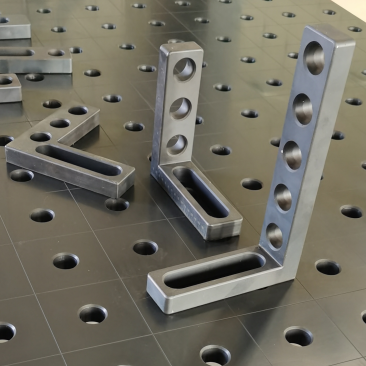
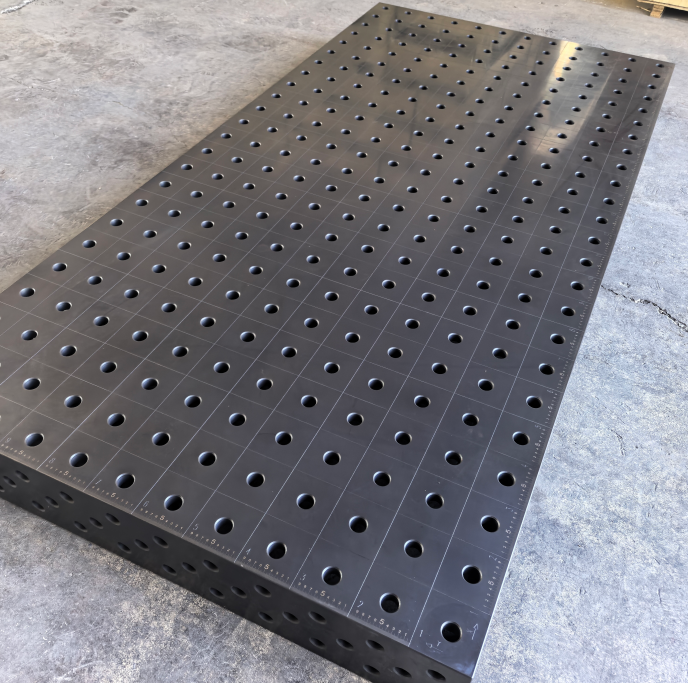
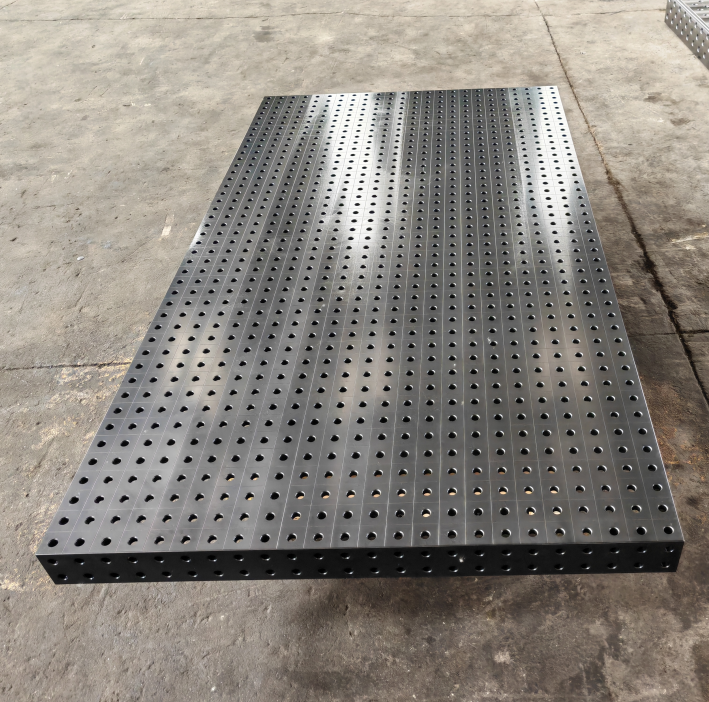
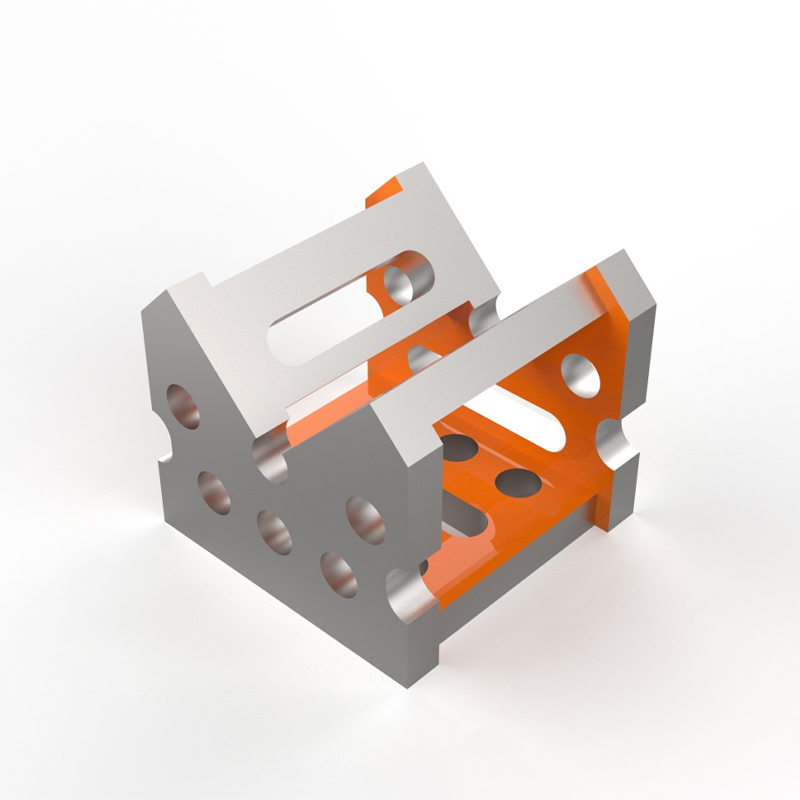
While we deliver robust cast components for heavy machinery, we also empower manufacturers with our core product line of 2D and 3D flexible welding platforms. Renowned for their exceptional versatility and precision, these platforms have become the preferred jigging equipment in the machining, automotive, and aerospace industries. To complement our casting services, we offer a comprehensive range of accessories—including U-shaped and L-shaped multi-purpose square boxes, 200-series support angle irons, and 0-225° universal angle gauges—that integrate seamlessly to enable rapid workpiece positioning and clamping. Additionally, our professional cast iron 3D welding platforms and angle connection blocks ensure exceptional durability and stability. With years of industry experience, Haijun Metal has become a trusted supplier of tools and gauges to customers both domestically and internationally, continuously providing high-quality production machinery tool series that support the entire lifecycle of manufacturing excellence.
Future Trends in Aluminum Casting for Construction Equipment
As we look beyond 2026, several trends are shaping the future of this industry. Electrification of construction machinery is driving demand for larger, more complex aluminum housings for batteries and electric motors. These components require exceptional dimensional accuracy and thermal management properties.
Advanced simulation software is enabling “first-time-right” tooling, reducing development cycles. Additionally, the integration of AI in quality control allows for real-time defect detection, further enhancing consistency. Manufacturers who adopt these technologies will lead the market in efficiency and quality.
Conclusion and Next Steps
Construction machinery aluminum castings are pivotal in achieving the next generation of efficient, durable, and sustainable heavy equipment. By leveraging advanced casting technologies, precise alloy selection, and rigorous quality control, manufacturers can significantly enhance machine performance while reducing operational costs.
Whether you need high-volume hydraulic components or large structural housings, partnering with an experienced manufacturer ensures your supply chain remains robust and your products competitive. Our commitment to engineering excellence and customer collaboration makes us the ideal partner for your upcoming projects.
Ready to optimize your component design?
Contact our engineering team today to discuss your specific requirements. We offer comprehensive DFM analysis, rapid prototyping, and scalable production solutions tailored to the construction machinery sector.
Explore our full range of aluminum casting solutions and technical specifications