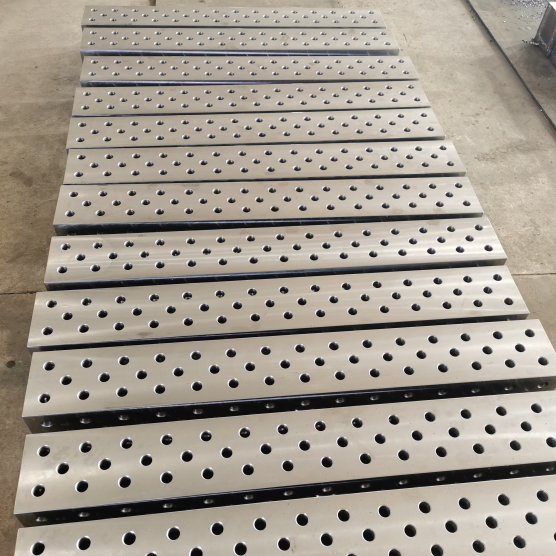
Industrial aluminum castings are precision-engineered metal components produced by pouring molten aluminum alloys into molds to create complex geometries for heavy-duty applications. As a leading China industrial aluminum castings manufacturer, we specialize in high-pressure die casting (HPDC), gravity casting, and sand casting processes that deliver superior strength-to-weight ratios, corrosion resistance, and thermal conductivity. These components are critical in automotive, aerospace, energy, and telecommunications sectors where dimensional accuracy and mechanical integrity are non-negotiable. Our manufacturing capabilities align with international standards such as ISO 9001 and IATF 16949, ensuring consistent quality for global B2B procurement.
What Are Industrial Aluminum Castings?
Industrial aluminum castings refer to metallic parts formed by solidifying molten aluminum within a pre-designed mold cavity. Unlike wrought aluminum products, which are shaped through mechanical deformation, castings allow for the creation of intricate shapes, internal channels, and varying wall thicknesses that would be impossible or prohibitively expensive to machine from solid stock.
In the context of modern engineering, these castings serve as structural backbones, heat dissipation units, and protective housings. The term “industrial” distinguishes these components from consumer-grade items, implying adherence to stricter tolerances, higher load-bearing capacities, and enhanced durability under extreme environmental conditions.
The Core Manufacturing Processes
Understanding the production method is essential for selecting the right casting for your application. The three primary methods used in our facility include:
- High-Pressure Die Casting (HPDC): Ideal for high-volume production of thin-walled, complex parts with excellent surface finish and tight dimensional tolerances.
- Gravity Die Casting (Permanent Mold): Offers superior mechanical properties and density compared to HPDC, suitable for medium-volume runs requiring higher structural integrity.
- Sand Casting: Best for large, low-volume components with complex internal geometries, offering flexibility in design changes and lower tooling costs.
Each process influences the final microstructure of the aluminum alloy, affecting its tensile strength, elongation, and fatigue resistance. Our engineering team assists clients in selecting the optimal process based on volume, complexity, and performance requirements.
Why Choose Aluminum for Industrial Applications?
Aluminum has become the material of choice for many industrial sectors, replacing steel and iron in numerous applications. This shift is driven by a combination of physical properties and economic factors that enhance overall system efficiency.
Superior Strength-to-Weight Ratio
One of the most significant advantages of industrial aluminum castings is their lightweight nature. Aluminum has a density approximately one-third that of steel. This reduction in mass is crucial in industries like automotive and aerospace, where every kilogram saved translates directly into improved fuel efficiency, reduced emissions, and enhanced payload capacity.
Despite being lightweight, modern aluminum alloys, such as A380, A360, and AlSi10Mg, offer impressive mechanical strength. Through heat treatment processes like T5 and T6 tempering, the yield strength of these castings can be significantly enhanced, making them viable for structural applications previously dominated by heavier metals.
Exceptional Corrosion Resistance
Aluminum naturally forms a thin, protective oxide layer when exposed to air. This passive layer prevents further oxidation, providing inherent resistance to corrosion. For industrial environments exposed to moisture, chemicals, or salt spray, this property reduces the need for additional coatings or maintenance.
In marine applications or outdoor telecommunications infrastructure, aluminum castings maintain their structural integrity and aesthetic appearance over long periods. This durability lowers the total cost of ownership for equipment manufacturers and end-users.
High Thermal and Electrical Conductivity
Aluminum is an excellent conductor of heat and electricity. In electronic enclosures, LED lighting systems, and power distribution units, aluminum castings act as effective heat sinks, dissipating heat away from sensitive components. This thermal management capability prevents overheating and extends the lifespan of electronic devices.
Furthermore, aluminum’s electrical conductivity makes it suitable for busbars, connector housings, and other electrical components where efficient current flow is required without the weight penalty of copper.
Design Flexibility and Integration
The fluidity of molten aluminum allows it to fill intricate mold details, enabling the production of complex shapes with integrated features. Engineers can design castings with built-in mounting points, cooling fins, and internal passages, reducing the need for secondary machining and assembly.
This integration simplifies supply chains and reduces assembly time. For example, a single aluminum casting can replace multiple stamped steel parts that would otherwise need to be welded or bolted together, resulting in a more robust and reliable final product.
Key Aluminum Alloys Used in Industrial Casting
Selecting the correct alloy is critical to achieving the desired performance characteristics. Different alloys offer varying levels of castability, strength, and corrosion resistance. Below are the most commonly used alloys in our industrial casting operations.
| Alloy Series | Common Designations | Key Characteristics | Typical Applications |
| Al-Si-Cu (3xx.x) | A380, A383, ADC12 | Excellent fluidity, good mechanical properties, moderate corrosion resistance. | Automotive engine blocks, transmission cases, power tool housings. |
| Al-Si-Mg (4xx.x) | A356, A357 | High ductility, excellent corrosion resistance, heat treatable. | Aerospace components, wheel rims, pump impellers, structural parts. |
| Al-Si (4xx.x) | A413, A360 | Superior pressure tightness, high corrosion resistance, good fluidity. | Marine hardware, hydraulic components, electrical enclosures. |
| Al-Mg (5xx.x) | A514, A535 | Highest corrosion resistance, good machinability, moderate strength. | Marine applications, chemical processing equipment, architectural fittings. |
A380 is arguably the most widely used aluminum die casting alloy due to its balanced properties. It offers good fluidity for filling complex molds and sufficient strength for general-purpose industrial use. However, for applications requiring higher ductility and impact resistance, A356 is often preferred, especially in gravity casting processes.
Our metallurgical team conducts rigorous spectral analysis to ensure alloy composition meets specified standards. This quality control step is vital for maintaining consistency across production batches and ensuring that each casting performs as expected in its intended environment.
Applications of Industrial Aluminum Castings
Industrial aluminum castings are ubiquitous across various sectors. Their versatility allows them to solve diverse engineering challenges, from weight reduction to thermal management.
Automotive and Electric Vehicles (EV)
The automotive industry is the largest consumer of aluminum castings. In traditional internal combustion engine vehicles, aluminum is used for engine blocks, cylinder heads, and transmission housings. The shift towards electric vehicles has accelerated the demand for aluminum castings, particularly for battery housings, motor casings, and structural chassis components.
Large-scale gigacasting, a technique pioneered by leading EV manufacturers, involves casting entire rear or front underbodies as single aluminum pieces. This approach reduces part count, weight, and assembly complexity, significantly improving manufacturing efficiency. Our facility is equipped to handle large-format castings that support this evolving automotive landscape.
Aerospace and Defense
In aerospace, weight savings are paramount. Aluminum castings are used in aircraft seating structures, interior panels, and certain engine components. The high strength-to-weight ratio of alloys like A356-T6 makes them ideal for these applications. Additionally, the defense sector utilizes aluminum castings for ruggedized electronics enclosures and vehicle components that must withstand harsh operational conditions.
Telecommunications and 5G Infrastructure
The rollout of 5G networks requires dense infrastructure, including base stations and small cells. These devices generate significant heat and require robust, weather-resistant enclosures. Aluminum castings provide an ideal solution, offering both structural protection and efficient heat dissipation. The ability to integrate cooling fins directly into the housing design simplifies thermal management and enhances reliability.
Industrial Machinery and Robotics
Heavy machinery and robotic arms require components that are both strong and lightweight to minimize inertia and improve movement precision. Aluminum castings are used for gearbox housings, motor mounts, and structural frames in industrial robots. The damping capacity of aluminum also helps reduce vibration, contributing to smoother operation and longer equipment life.
Energy and Power Generation
In the renewable energy sector, aluminum castings are used in solar panel mounting structures, wind turbine components, and power inverters. Their corrosion resistance ensures longevity in outdoor installations, while their thermal conductivity aids in managing heat in power electronics. For traditional power generation, aluminum castings are found in generator housings and cooling systems.
Our Manufacturing Capabilities and Quality Assurance
As a dedicated China industrial aluminum castings manufacturer, we combine advanced technology with rigorous quality control to deliver superior products. Our facility is designed to meet the demanding requirements of global B2B clients.
Advanced Casting Technologies
We utilize state-of-the-art die casting machines ranging from 180 tons to 3000 tons clamping force. This range allows us to produce components of various sizes, from small precision connectors to large structural beams. Our gravity casting lines employ automated pouring systems to ensure consistent fill rates and minimize turbulence, resulting in denser, higher-quality castings.
Our tooling department uses high-speed CNC machining centers to create precise molds. We employ simulation software to analyze mold filling and solidification patterns before production begins. This virtual prototyping helps identify potential defects such as air entrapment or shrinkage porosity, allowing us to optimize gate and runner designs for maximum efficiency.
Comprehensive Quality Control
Quality is embedded in every stage of our production process. Our quality assurance protocol includes:
- Incoming Material Inspection: Spectral analysis of raw aluminum ingots to verify alloy composition.
- Process Monitoring: Real-time monitoring of melting temperature, injection speed, and pressure during casting.
- Dimensional Inspection: Use of Coordinate Measuring Machines (CMM) and optical scanners to verify geometric tolerances against CAD models.
- Non-Destructive Testing (NDT): X-ray inspection to detect internal voids or inclusions, and dye penetrant testing to identify surface cracks.
- Mechanical Testing: Regular tensile, hardness, and impact tests to ensure mechanical properties meet specifications.
We hold ISO 9001 certification for quality management systems and IATF 16949 certification for automotive production. These certifications demonstrate our commitment to consistent quality and continuous improvement.
Secondary Processing and Finishing
Beyond casting, we offer a full suite of secondary services to deliver ready-to-assemble components. These include:
- CNC Machining: Precision milling and drilling to achieve tight tolerances on critical features.
- Surface Treatment: Powder coating, anodizing, e-coating, and shot blasting to enhance corrosion resistance and aesthetic appeal.
- Assembly: Integration of inserts, gaskets, and other components to provide sub-assemblies.
This vertical integration reduces lead times and minimizes logistical complexities for our clients, ensuring a seamless supply chain experience.
How to Select the Right Aluminum Casting Manufacturer
Choosing the right partner for your industrial aluminum casting needs is a strategic decision. Several factors should be considered to ensure a successful collaboration.
Technical Expertise and Engineering Support
Look for a manufacturer with strong engineering capabilities. The ability to provide Design for Manufacturability (DFM) feedback early in the development process can prevent costly redesigns later. A competent partner will analyze your CAD files and suggest modifications to improve castability, reduce material usage, and optimize cycle times.
Production Capacity and Scalability
Ensure the manufacturer has the capacity to meet your volume requirements, both for initial prototypes and full-scale production. Ask about their lead times for tooling and production runs. A scalable partner can grow with your business, accommodating increased demand without compromising quality or delivery schedules.
Quality Certifications and Standards
Verify that the manufacturer holds relevant industry certifications. For automotive suppliers, IATF 16949 is essential. For general industrial applications, ISO 9001 is a baseline requirement. Additional certifications, such as ISO 14001 for environmental management, indicate a responsible and sustainable operation.
Communication and Transparency
Effective communication is key to a successful partnership. Choose a manufacturer that provides regular updates, transparent pricing, and responsive customer support. Clear communication channels help resolve issues quickly and keep projects on track.
Common Challenges in Aluminum Casting and Solutions
Even with advanced technology, aluminum casting presents certain challenges. Understanding these issues and their solutions helps in setting realistic expectations and achieving optimal results.
Porosity
Porosity, or the presence of small voids within the casting, is a common defect caused by trapped air or gas shrinkage. High porosity can weaken the part and affect its pressure tightness.
Solution: Optimizing gate and vent design, controlling injection speed, and using vacuum-assisted die casting can significantly reduce porosity. Proper melt treatment and degassing also help minimize gas content in the molten aluminum.
Hot Tearing
Hot tearing occurs when the casting contracts during solidification and is restrained by the mold, causing cracks. This is more common in alloys with narrow solidification ranges.
Solution: Modifying the part design to ensure uniform wall thickness and adding fillets to sharp corners can reduce stress concentrations. Adjusting the ejection timing and mold temperature also helps prevent hot tearing.
Dimensional Instability
Aluminum castings can distort due to residual stresses from uneven cooling or ejection forces.
Solution: Implementing stress-relief heat treatments and optimizing the cooling channel design in the mold can minimize distortion. Using fixtures during machining can also help maintain dimensional accuracy.
FAQ: Frequently Asked Questions About Industrial Aluminum Castings
What is the typical tolerance for aluminum die castings?
Standard tolerances for aluminum die castings are typically around ±0.2 mm for the first 25 mm and ±0.05 mm for each additional 25 mm. However, tighter tolerances can be achieved with specialized tooling and process control, though this may increase costs. For critical features, CNC machining is recommended to achieve precise dimensions.
Can aluminum castings be welded?
Yes, aluminum castings can be welded, but the weldability depends on the alloy. Alloys with low silicon content, such as A356, are generally easier to weld than high-silicon alloys like A380. Specialized welding techniques, such as TIG or MIG welding, and appropriate filler materials are required to ensure strong, defect-free joints.
How does the cost of aluminum casting compare to steel casting?
While the raw material cost of aluminum is generally higher than steel, the total cost of ownership can be lower due to aluminum’s lighter weight and easier machinability. Aluminum casts faster than steel, reducing cycle times and energy consumption. Additionally, the reduced weight can lead to savings in shipping and handling. A detailed cost analysis should consider material, processing, and lifecycle factors.
What is the maximum size of aluminum casting you can produce?
The maximum size depends on the casting process and machine capacity. In high-pressure die casting, parts can weigh up to 50 kg or more, depending on the machine tonnage. Gravity casting and sand casting can produce much larger components, weighing hundreds of kilograms. Please consult our engineering team with your specific dimensions for a feasibility assessment.
Do you offer prototype services?
Yes, we offer rapid prototyping services using soft tooling or 3D printed sand molds. This allows for quick validation of design and fit before committing to hard tooling for mass production. Prototype lead times are typically shorter, enabling faster time-to-market for new products.
Sustainability in Aluminum Casting
Sustainability is increasingly important in manufacturing. Aluminum is highly recyclable, and recycling requires only 5% of the energy needed to produce primary aluminum. Our facility incorporates a high percentage of recycled aluminum into our production process, reducing the carbon footprint of our castings.
We also implement energy-efficient practices, such as waste heat recovery from melting furnaces and optimized machine cycles to reduce electricity consumption. By choosing our industrial aluminum castings, you contribute to a more sustainable supply chain.
Conclusion: Partnering for Precision and Performance
Industrial aluminum castings are pivotal in driving innovation across automotive, aerospace, telecommunications, and machinery sectors. Their unique combination of lightweight strength, corrosion resistance, and thermal conductivity makes them indispensable for modern engineering challenges. As a trusted China industrial aluminum castings manufacturer, we are committed to delivering high-quality, precision-engineered components that meet the rigorous demands of global industries.
Our comprehensive capabilities, from advanced die casting and gravity casting to rigorous quality control and secondary processing, ensure that your projects are executed with efficiency and excellence. Whether you require high-volume production or specialized prototypes, our team provides the technical expertise and manufacturing reliability you need.
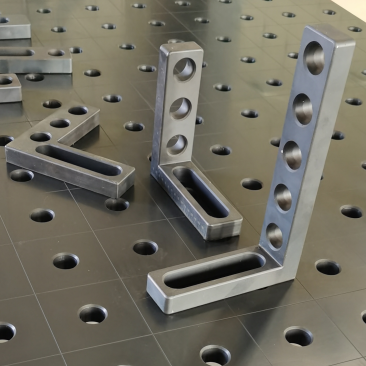
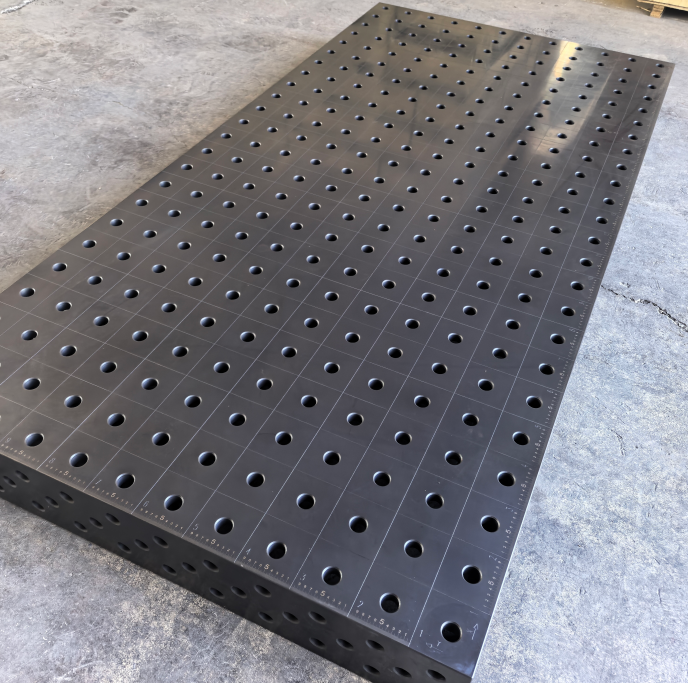
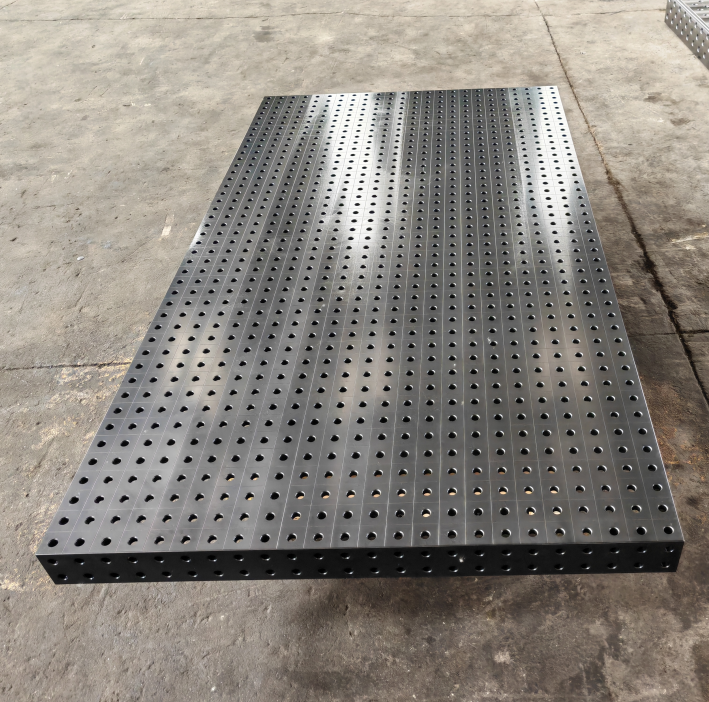
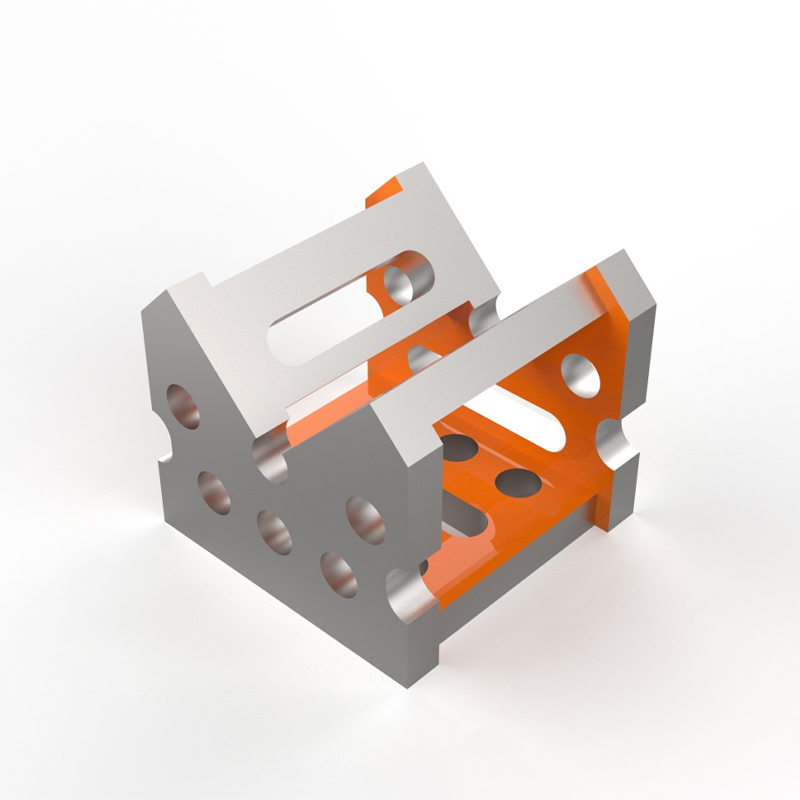
At Botou Haijun Metal Products Co., Ltd., our commitment to precision extends beyond just the casting itself. While we specialize in producing high-quality aluminum components, our deep roots in the manufacturing tooling industry—specifically in the research and development of high-precision flexible modular fixtures and metalworking tools—give us a unique advantage. We understand that the ultimate value of a casting is realized during assembly and welding. Therefore, our expertise in creating efficient and flexible welding and positioning solutions, such as 2D and 3D flexible welding platforms, informs our casting design process. We design our castings with downstream assembly in mind, ensuring they integrate seamlessly with jigs and fixtures for rapid workpiece positioning. This holistic approach, backed by years of experience supplying trusted tools and gauges to domestic and international markets, ensures that every component we deliver not only meets dimensional specs but also facilitates smoother, more efficient manufacturing workflows for our clients in the machining, automotive, and aerospace sectors.
Who is this suitable for?
- Automotive OEMs and Tier 1 suppliers seeking lightweight EV components.
- Telecommunications companies requiring durable, thermally efficient 5G infrastructure housings.
- Industrial machinery manufacturers needing robust, precision structural parts.
- Energy sector firms looking for corrosion-resistant solutions for renewable and traditional power systems.
To discuss your specific project requirements, request a quote, or learn more about our technical capabilities, please contact our engineering team today. Let us help you optimize your design and streamline your supply chain with superior industrial aluminum castings.
Explore our full range of industrial casting solutions and technical resources