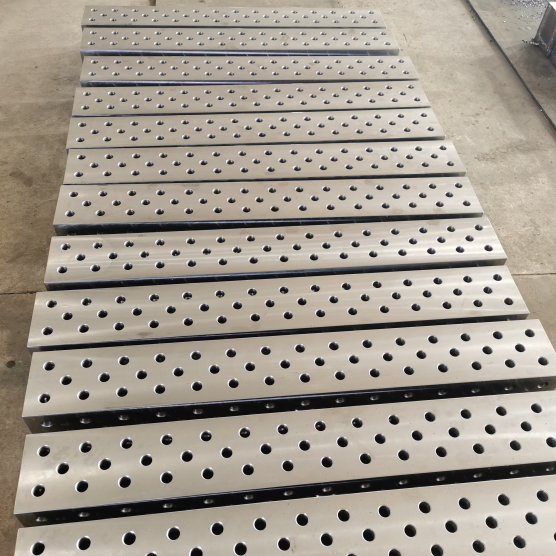
Compressor aluminum castings are precision-engineered components manufactured using advanced die-casting or sand-casting techniques, specifically designed for air compression systems. These parts, including cylinder heads, crankcases, and valve plates, leverage the lightweight, high thermal conductivity, and corrosion-resistant properties of aluminum alloys to enhance compressor efficiency and longevity. As a specialized manufacturer, we provide OEM and ODM solutions that meet strict ISO and ASME standards, ensuring optimal performance in industrial, automotive, and HVAC applications. Our production process integrates rigorous quality control, from raw material selection to final dimensional inspection, delivering reliable components that reduce energy consumption and maintenance costs for global B2B partners.
Why Aluminum Castings Are Critical for Modern Compressor Performance
The shift toward aluminum in compressor manufacturing is not merely a cost-saving measure; it is an engineering necessity driven by thermodynamic and mechanical requirements. In 2026, the demand for energy-efficient compression systems has intensified, pushing manufacturers to seek materials that offer superior heat dissipation and reduced moving mass.
Thermal Management and Efficiency
Aluminum alloys possess a thermal conductivity approximately three times higher than cast iron. In compressor applications, particularly in reciprocating and rotary screw types, heat generation is a primary enemy of efficiency. Excessive heat leads to thermal expansion, increased friction, and potential seizure of moving parts.
- Rapid Heat Dissipation: Aluminum castings allow heat to transfer away from the combustion or compression chamber quickly, maintaining optimal operating temperatures.
- Consistent Clearance Maintenance: Better thermal management ensures that piston-to-cylinder clearances remain stable under load, preventing blow-by and maintaining volumetric efficiency.
- Energy Savings: By reducing thermal losses, compressors equipped with aluminum housings and heads consume less energy per cubic meter of compressed air generated.
Weight Reduction and Dynamic Balance
In mobile applications such as automotive air conditioning compressors or portable industrial units, weight is a critical factor. Aluminum’s low density (approximately 2.7 g/cm³) compared to iron (7.8 g/cm³) significantly reduces the overall weight of the compressor assembly.
This reduction in mass has secondary benefits:
- Reduced Vibration: Lighter reciprocating masses result in lower inertial forces, leading to smoother operation and less vibration transmission to the mounting structure.
- Improved Fuel Efficiency: For vehicle-mounted compressors, reduced weight contributes directly to better fuel economy and lower emissions.
- Ease of Installation: Lighter components simplify handling and installation during maintenance or initial assembly.
Core Product Range: Precision Compressor Aluminum Castings
Our manufacturing facility specializes in producing a comprehensive range of compressor components. Each part is engineered to withstand high cyclic loads, pressure fluctuations, and thermal cycling. We utilize high-purity aluminum-silicon (Al-Si) alloys, often modified with copper or magnesium, to achieve the necessary tensile strength and hardness.
Cylinder Heads and Valve Plates
The cylinder head is arguably the most complex casting in a compressor. It houses the intake and exhaust valves, cooling fins, and often the discharge manifold. Our aluminum cylinder heads are produced using high-pressure die casting (HPDC) to ensure thin-wall accuracy and excellent surface finish.
Key Features:
- Complex Internal Passages: Precision core pins create intricate cooling channels and gas flow paths that are impossible to machine from solid stock.
- Valve Seat Integrity: The casting surface is optimized for flatness to ensure a perfect seal with the valve plate, preventing gas leakage.
- Heat Sink Fins: External fins are cast with high aspect ratios to maximize surface area for air cooling.
Crankcases and Housing Units
The crankcase serves as the structural backbone of the compressor, housing the crankshaft, connecting rods, and bearings. It must resist deformation under high torque and pressure loads. Our crankcase castings are designed with reinforced ribbing structures to enhance rigidity without adding excessive weight.
Engineering Highlights:
- Bearing Bore Precision: Main bearing bores are cast to near-net shape, minimizing machining time and preserving the metal’s grain structure for better fatigue resistance.
- Oil Passage Integration: Internal oil galleries are cast directly into the housing, ensuring consistent lubrication to all moving parts.
- Leak-Proof Design: Impregnation processes are applied to eliminate micro-porosity, ensuring the housing is completely airtight and oil-tight.
Pistons and Connecting Rods
While some high-load pistons use forged aluminum, many medium-duty compressors utilize cast aluminum pistons. Our casting process ensures a uniform microstructure that provides a balance of hardness and wear resistance.
- Skirt Coating Compatibility: The casting surface is prepared to accept anti-friction coatings, reducing break-in wear.
- Pin Boss Reinforcement: Areas around the wrist pin are reinforced to handle high shear stresses during operation.
Manufacturing Processes: Ensuring Quality and Consistency
As a leading manufacturer of compressor aluminum castings, we employ a multi-stage production workflow that integrates traditional foundry expertise with modern automation and digital quality control. This hybrid approach allows us to scale production while maintaining the tight tolerances required by global OEMs.
1. Alloy Selection and Melting
The quality of the final casting begins with the purity of the raw material. We primarily use A356 and A380 aluminum alloys, chosen for their excellent castability and mechanical properties.
- A356: Used for high-integrity parts requiring heat treatment (T6). It offers superior ductility and fatigue strength, ideal for cylinder heads and high-stress housings.
- A380: Preferred for complex, thin-walled die-cast parts where fluidity is critical. It provides good pressure tightness and surface finish.
Our melting furnaces are equipped with automatic temperature control and degassing units. Hydrogen gas removal is critical, as dissolved hydrogen leads to porosity, which compromises the pressure integrity of compressor parts.
2. Casting Techniques
Depending on the component geometry and volume requirements, we utilize two primary casting methods:
| Feature | High-Pressure Die Casting (HPDC) | Gravity Sand Casting |
| Best For | Complex, thin-walled parts (Heads, Covers) | Larger, thicker sections (Crankcases, Bases) |
| Surface Finish | Excellent (Smooth, minimal machining) | Good (Requires more machining) |
| Tolerance | Tight (±0.1mm) | Moderate (±0.5mm) |
| Production Speed | High Volume | Low to Medium Volume |
| Porosity Risk | Low (with vacuum assist) | Low (controlled cooling) |
3. Heat Treatment (T6 Process)
For critical components like cylinder heads, as-cast aluminum is not sufficient. We apply T6 heat treatment, which involves solution heat treating, quenching, and artificial aging. This process precipitates strengthening phases within the aluminum matrix, significantly increasing tensile strength and hardness.
- Solutionizing: Heating the casting to dissolve alloying elements into the aluminum matrix.
- Quenching: Rapid cooling to lock the elements in place.
- Aging: Reheating to a lower temperature to allow fine precipitates to form, enhancing strength.
4. CNC Machining and Finishing
Castings are rarely used in their “as-cast” state for compressor applications. Critical interfaces require precise machining. Our integrated CNC facilities perform milling, drilling, and tapping operations to achieve final dimensions.
Key Machining Operations:
- Deck Face Milling: Ensuring perfect flatness for gasket sealing.
- Bore Honing: Achieving the specific surface roughness required for piston ring sealing.
- Thread Tapping: Creating high-strength threads for bolt connections.
Quality Assurance and Certification Standards
In the compressor industry, failure is not an option. A failed casting can lead to catastrophic equipment damage and safety hazards. Therefore, our quality assurance protocol is rigorous and multi-layered, adhering to international standards such as ISO 9001:2015 and IATF 16949 for automotive-related components.
Non-Destructive Testing (NDT)
We employ advanced NDT methods to detect internal and surface defects without damaging the part.
- X-Ray Inspection: Used to identify internal porosity, shrinkage cavities, and inclusions. This is critical for pressure-bearing components like heads and housings.
- Dye Penetrant Testing: Detects surface-breaking cracks or leaks that are invisible to the naked eye.
- Leak Testing: Every pressure-containing casting undergoes air decay or helium leak testing to ensure zero permeability.
Dimensional Inspection
Using Coordinate Measuring Machines (CMM), we verify critical dimensions against CAD models. This ensures that every casting fits perfectly during assembly, reducing scrap rates and assembly time for our clients.
Material Certification
Each batch of castings is accompanied by a material certificate detailing the chemical composition and mechanical properties (tensile strength, yield strength, elongation). Spectrometry analysis is performed on every melt to verify alloy compliance.
Applications of Compressor Aluminum Castings Across Industries
The versatility of aluminum castings allows them to serve a wide array of industries. Our components are integral to systems that require reliable air or gas compression in diverse environments.
Automotive and Transportation
Modern vehicles rely heavily on compressed air and refrigerant systems. Our aluminum castings are found in:
- AC Compressors: Lightweight housings and heads for scroll and piston compressors, crucial for electric vehicle (EV) range optimization.
- Air Brake Systems: Heavy-duty trucks and buses use aluminum compressor heads for their air supply systems, benefiting from corrosion resistance in harsh road conditions.
- Turbocharger Components: While not strictly compressors in the traditional sense, turbochargers utilize similar casting technologies for compressor wheels and housings.
Industrial Manufacturing
Factories rely on compressed air for pneumatic tools, automation, and process control. Industrial compressors operate continuously, demanding high durability.
- Reciprocating Compressors: Used in small workshops and large plants. Aluminum heads dissipate heat effectively during continuous duty cycles.
- Rotary Screw Compressors: Aluminum housings encase the screw elements, providing structural support and oil containment.
HVAC and Refrigeration
The transition to eco-friendly refrigerants has increased the demand for high-integrity castings. Aluminum’s compatibility with various refrigerants and its ability to handle pressure spikes make it ideal for:
- Commercial Chillers: Large-scale cooling systems for buildings and data centers.
- Heat Pumps: Increasingly popular in residential and commercial heating, relying on efficient compression cycles.
Oil and Gas
In upstream and midstream operations, compressors are used for gas gathering and processing. While high-pressure stages often use steel, low-pressure stages and auxiliary systems utilize aluminum castings for their corrosion resistance against sour gases (when properly coated or alloyed).
How to Choose the Right Compressor Aluminum Casting Manufacturer
Selecting a manufacturing partner is a strategic decision. The quality of the casting directly impacts the performance and reputation of your final product. Here are the key factors to consider when evaluating suppliers.
1. Technical Capability and Engineering Support
Look for a manufacturer that offers more than just production. They should provide Design for Manufacturability (DFM) feedback. Can they optimize your design to reduce weight, improve fill, or minimize machining? A partner with strong engineering capabilities can help you reduce costs and improve performance before the first mold is cut.
2. Quality Control Infrastructure
Ask about their testing capabilities. Do they have in-house X-ray, CMM, and spectrometry? Reliance on external labs slows down the feedback loop and increases risk. In-house testing ensures immediate corrective action if deviations occur.
3. Production Scalability
Ensure the manufacturer can handle your volume requirements, both now and in the future. Do they have multiple die-casting machines of varying tonnages? Can they ramp up production quickly if demand spikes? Supply chain reliability is paramount in B2B relationships.
4. Industry Certifications
Verify their certifications. ISO 9001 is a baseline. For automotive clients, IATF 16949 is essential. For pressure vessels, ASME certification or PED (Pressure Equipment Directive) compliance may be required depending on the target market.
5. Material Traceability
In regulated industries, knowing the exact origin and composition of the aluminum is crucial. Ensure the supplier maintains robust traceability records for every batch of material used in your castings.
Common Challenges in Aluminum Casting for Compressors and Solutions
Even with advanced technology, casting aluminum presents challenges. Understanding these issues helps in setting realistic expectations and collaborating effectively with your manufacturer.
Porosity and Gas Entrapment
Problem: Air or gas trapped during the casting process creates voids, weakening the part and causing leaks.
Solution: Use of vacuum-assisted die casting, proper gating design, and thorough degassing of the molten metal. Impregnation with sealants can also rescue parts with minor porosity.
Thermal Cracking
Problem: Uneven cooling rates cause internal stresses, leading to cracks, especially in complex geometries like cylinder heads.
Solution: Optimized cooling channel design in the mold, controlled ejection timing, and appropriate heat treatment protocols to relieve residual stresses.
Dimensional Instability
Problem: Castings may warp or shrink unpredictably after machining or during service.
Solution: Precise control of alloy composition, consistent cooling rates, and stress-relief annealing. Using simulation software to predict shrinkage patterns during the design phase.
FAQ: Frequently Asked Questions About Compressor Aluminum Castings
What is the typical lifespan of aluminum compressor castings?
With proper maintenance and operating within design parameters, aluminum compressor castings can last the lifetime of the equipment, often exceeding 10,000 to 20,000 hours of operation. The key is maintaining proper lubrication and cooling to prevent overheating, which can degrade the aluminum’s mechanical properties over time.
Can aluminum castings be repaired if damaged?
Minor defects such as small pores or surface imperfections can be repaired via welding (TIG/MIG) followed by heat treatment and machining. However, for high-pressure components like cylinder heads, repair is often discouraged due to the risk of residual stress and potential failure. It is generally more cost-effective and safer to replace defective castings.
How does aluminum compare to cast iron for compressor blocks?
Aluminum is lighter and dissipates heat better, making it ideal for high-speed, air-cooled, and mobile applications. Cast iron is heavier, retains heat, but offers superior wear resistance and damping characteristics. For large, slow-speed industrial compressors, cast iron is still common. However, for modern, efficient, and compact designs, aluminum is the preferred choice.
What alloys are best for high-pressure compressor parts?
A356-T6 is widely regarded as the best alloy for high-pressure, high-integrity parts due to its excellent combination of strength, ductility, and fatigue resistance. A380 is suitable for lower-stress, complex shapes where fluidity is the primary concern.
Do you offer custom mold design services?
Yes, our engineering team works closely with clients to design molds that optimize filling, cooling, and ejection. We use advanced CAD and flow simulation software to predict and mitigate potential casting defects before tooling begins.
Maintenance Tips for Compressors with Aluminum Components
To maximize the life of your compressor and its aluminum castings, follow these maintenance guidelines:
- Monitor Operating Temperature: Ensure cooling fins are clean and fans are operational. Overheating is the primary cause of aluminum degradation.
- Use Correct Lubricants: Use oils specified by the manufacturer. Some additives can be corrosive to aluminum.
- Check for Leaks Regularly: Inspect gasket surfaces and bolt torques. Aluminum expands and contracts more than steel, so bolt retorquing may be necessary after initial break-in.
- Avoid Galvanic Corrosion: When connecting aluminum parts to steel or copper lines, use dielectric unions or appropriate coatings to prevent electrochemical corrosion.
Conclusion: Partnering for Precision and Performance
In the competitive landscape of 2026, the quality of compressor aluminum castings is a decisive factor in product success. Whether you are designing next-generation EV air conditioning systems, industrial pneumatic solutions, or efficient HVAC units, the integrity of your aluminum components dictates performance, efficiency, and reliability.
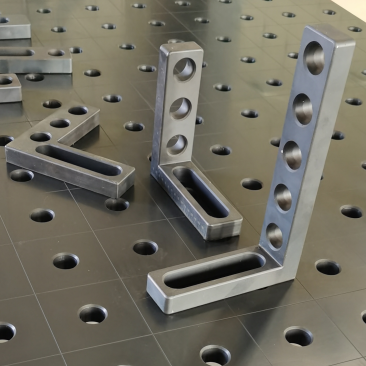
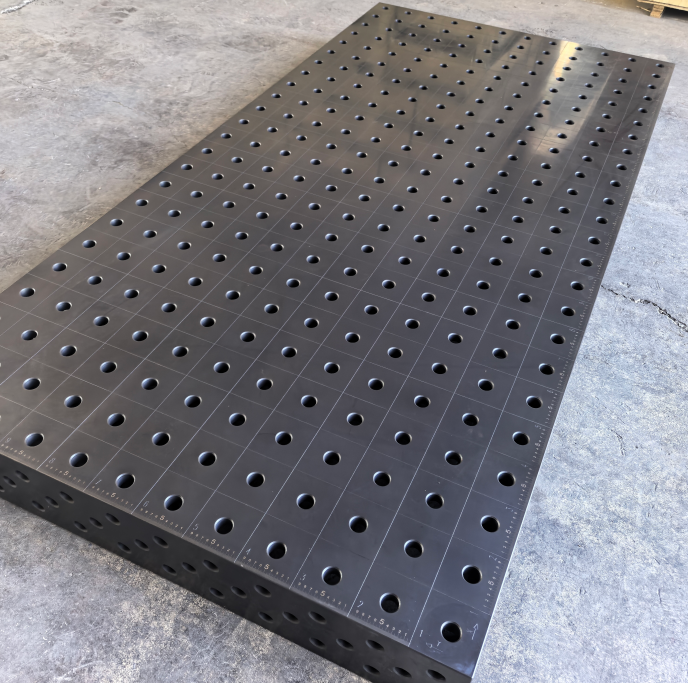
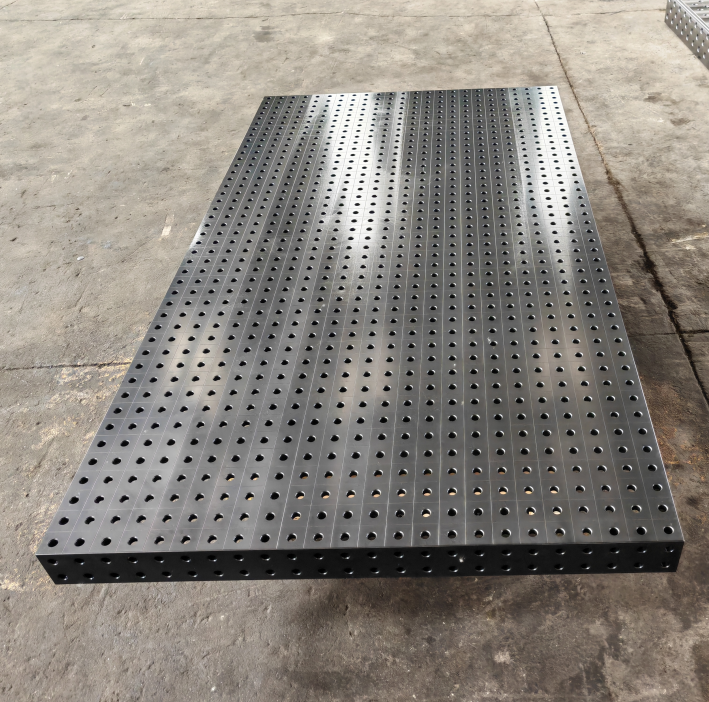
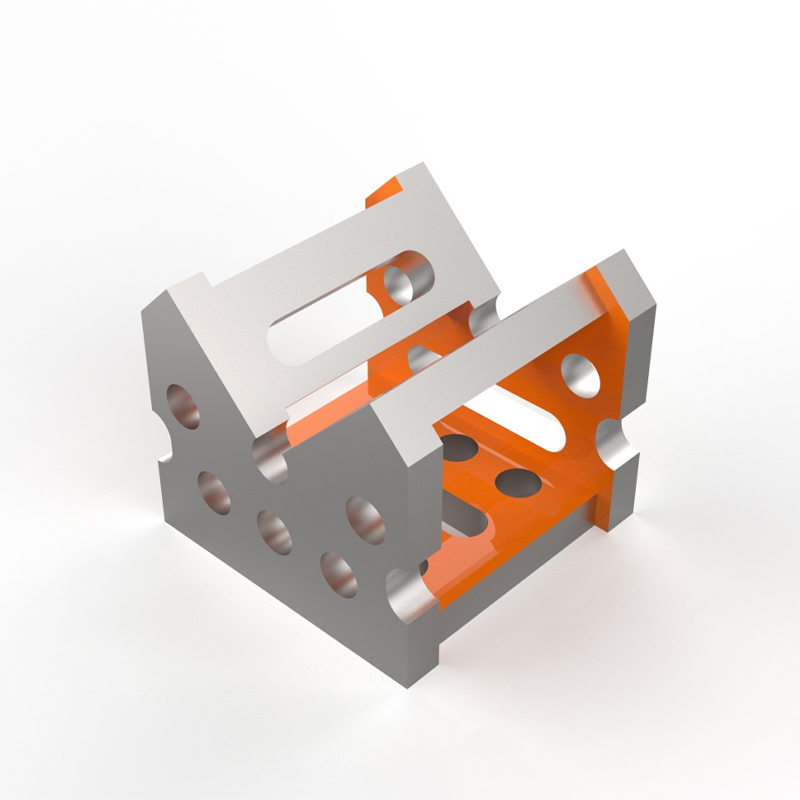
At Botou Haijun Metal Products Co., Ltd., we understand that precision extends beyond the casting itself—it encompasses the entire manufacturing ecosystem. While our primary expertise lies in the research, development, and production of high-precision flexible modular fixtures and metalworking tools, our deep understanding of metallurgical stability and positioning accuracy informs our approach to quality. Just as our renowned 2D and 3D flexible welding platforms provide exceptional versatility and precision for the machining, automotive, and aerospace industries, we apply that same rigorous standard to our partnerships in the compressor sector.
Our commitment to advanced manufacturing techniques, rigorous quality control, and engineering excellence ensures that every casting we produce meets the highest standards of the industry. We do not just supply parts; we deliver solutions that enhance your product’s value proposition, backed by the same reliability that makes Haijun Metal a trusted supplier of tools and gauges to customers both domestically and internationally.
Who is this suitable for?
- OEMs: Looking for reliable, high-volume production partners with strict quality adherence.
- Engineering Firms: Needing DFM support and rapid prototyping for new compressor designs.
- Maintenance Providers: Seeking high-quality replacement parts that match or exceed original specifications.
Ready to optimize your compressor supply chain? Contact our engineering team today to discuss your specific requirements, request a quote, or schedule a facility tour. Let us help you build better, more efficient compression systems.
Explore Our Full Range of Compressor Casting Solutions