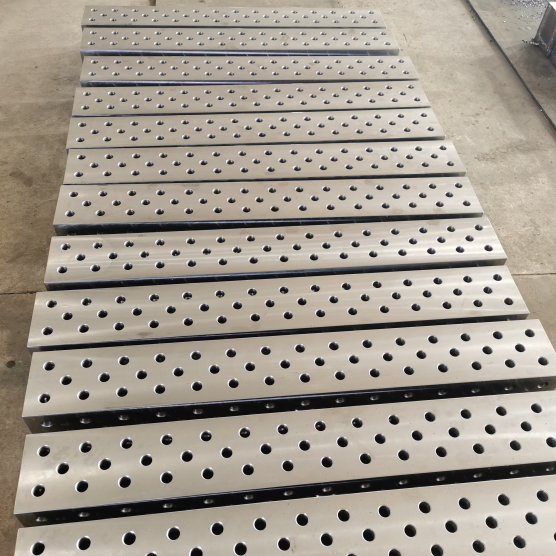
Welding table prices in 2026 vary significantly based on material, size, and features, typically ranging from $150 for basic DIY models to over $3,000 for industrial-grade precision fixtures. Current market trends show a shift toward modular designs with integrated clamping systems, driven by the growing demand for versatile fabrication setups among hobbyists and professional shops alike.
Understanding Welding Table Costs in 2026
The cost of a welding table is no longer just about the price of steel. In 2026, pricing structures reflect advanced manufacturing techniques, surface treatments, and the inclusion of sophisticated fixturing accessories. Buyers must navigate a complex landscape where entry-level options compete with high-end engineering platforms.
Price fluctuations are largely influenced by global raw material costs and supply chain stability. While carbon steel remains the standard, the premium for stainless steel or specialized alloy tables has increased due to their corrosion resistance and longevity in harsh environments.
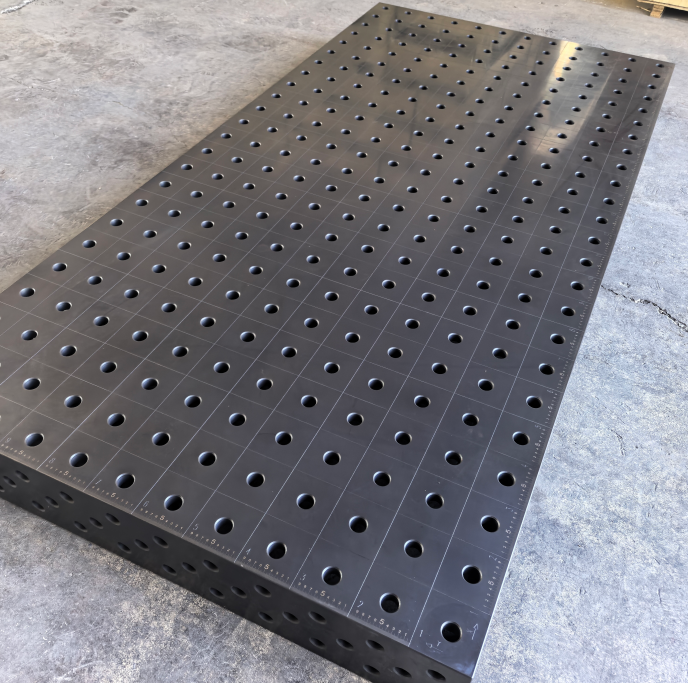
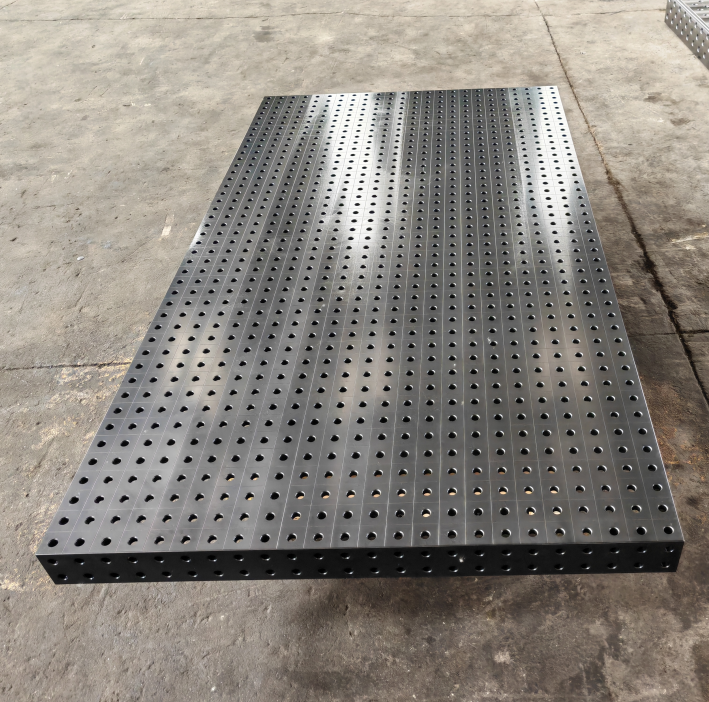
Consumers should expect to pay a premium for tables featuring laser-cut hole patterns. These precision openings allow for infinite positioning possibilities, a feature that was once exclusive to top-tier industrial equipment but is now becoming mainstream in mid-range consumer products.
Furthermore, shipping costs play a crucial role in the final landed price. Given the substantial weight of these units, freight charges can add hundreds of dollars to the purchase, making local sourcing or flat-pack assembly models increasingly attractive for budget-conscious buyers.
Key Factors Influencing Welding Table Prices
Several critical variables determine where a specific model falls within the price spectrum. Understanding these factors helps buyers distinguish between marketing fluff and genuine value propositions.
- Material Grade: High-tensile steel commands a higher price than mild steel due to its resistance to warping under extreme heat.
- Surface Finish: Tables with nitride coatings or specialized anti-spatter treatments cost more but reduce long-term maintenance and cleanup time.
- Flatness Tolerance: Industrial tables guaranteed to be flat within thousandths of an inch require expensive machining processes, driving up costs.
- Modularity: Systems compatible with extensive ecosystems of clamps, stops, and angles often carry a higher initial tag but offer better long-term versatility.
- Load Capacity: Heavy-duty frames designed to support multi-ton assemblies use thicker gauge steel and reinforced leg structures.
The thickness of the tabletop is another primary cost driver. A 16mm top offers excellent rigidity for heavy fabrication, whereas a 10mm top might suffice for lighter automotive work but comes at a lower price point.
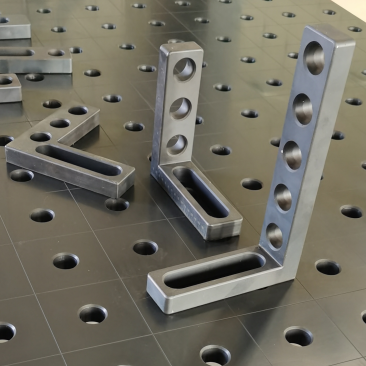
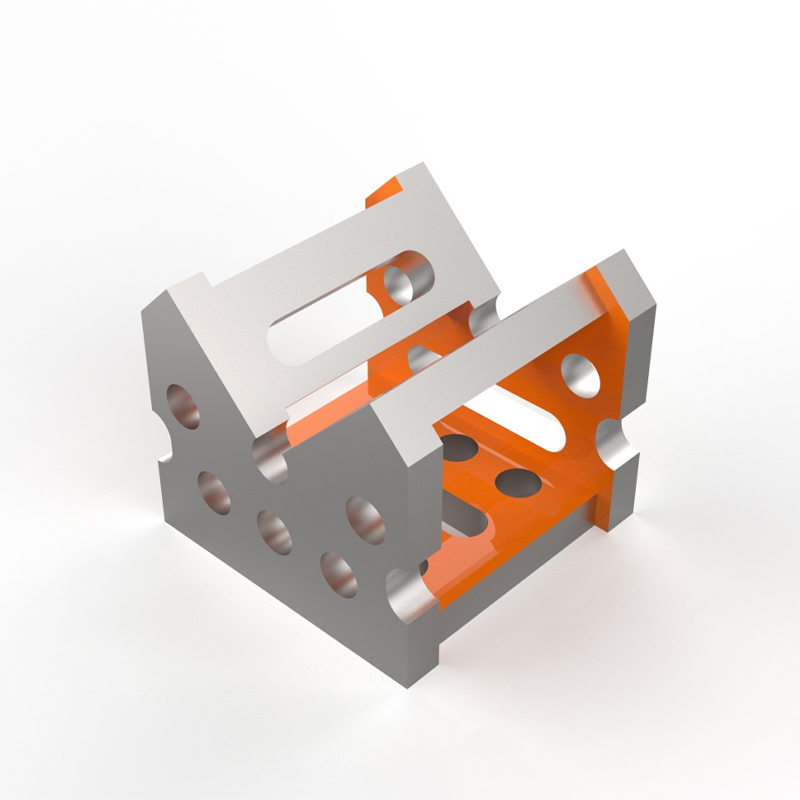
Brand reputation also impacts pricing. Established manufacturers with decades of experience in fixture tooling often charge more, backed by warranties and proven durability records that generic imports cannot match. For instance, companies like Botou Haijun Metal Products Co., Ltd. have built a strong reputation by specializing in the R&D and production of high-precision flexible modular fixtures. Their commitment to providing efficient welding and positioning solutions has made their 2D and 3D flexible welding platforms preferred choices in demanding sectors such as machining, automotive, and aerospace. When buyers invest in such established brands, they are paying not just for the metal, but for the engineered ecosystem—including seamless complementary components like multi-purpose square boxes, support angle irons, and universal angle gauges—that ensures exceptional durability and stability.
Market Price Ranges: From Hobbyist to Industrial
The market is clearly segmented into three distinct tiers, each catering to different user needs and budget constraints. Identifying your specific tier prevents overspending on unnecessary features or underinvesting in critical stability.
Budget Tier: $150 – $600
Entry-level welding tables are ideal for occasional home garage use. These units often feature thinner tops, around 8mm to 10mm, and may lack a uniform hole pattern. They are sufficient for light tacking and small repairs but may warp over time with heavy usage.
Models in this range frequently use bolt-together assembly rather than welded frames to save on shipping costs. While functional, they often lack the precise squareness required for complex jigging tasks.
Mid-Range Tier: $700 – $2,000
This segment represents the sweet spot for serious hobbyists and small professional shops. Tables here typically boast 12mm to 16mm tops with drilled and reamed hole patterns compatible with standard fixturing tools.
You can expect better flatness guarantees and heavier frame construction in this category. Many mid-range options now include casters for mobility and adjustable feet for leveling on uneven shop floors.
Premium Industrial Tier: $2,500+
At the top end, welding tables are engineered as precision measurement platforms. These units undergo stress-relieving processes to ensure they remain flat indefinitely, even under thermal cycling.
Prices in this tier reflect superior surface hardening, exacting tolerances, and comprehensive accessory compatibility. They are essential for aerospace, automotive racing, and high-volume production environments where repeatability is non-negotiable.
Comparison of Popular Welding Table Types
Selecting the right table requires comparing specific attributes against your workflow requirements. The following table outlines the differences between the most common types available in the 2026 market.
| Table Type | Avg. Price Range | Best Use Case | Key Pros | Key Cons |
| Solid Top | $200 – $800 | General fabrication, cutting | Durable surface, no holes to clog | Limited clamping options, heavier |
| Perforated (Fixture) | $800 – $3,500 | Precision assembly, jigging | Versatile clamping, high accuracy | Higher cost, requires cleaning |
| Portable/Lightweight | $150 – $400 | On-site repairs, mobile work | Easy to move, compact storage | Lower load capacity, less stable |
| Custom Modular | $2,000+ | Complex production lines | Tailored to specific workflows | Long lead times, very expensive |
Solid top tables remain popular for their simplicity and lower maintenance, especially in dirty environments where slag can easily fill perforations. However, the versatility of perforated tables continues to drive their adoption as the industry standard for precision work.
Portable options have seen innovation in 2026, with new lightweight alloys offering better strength-to-weight ratios, though they still cannot replace stationary tables for heavy structural welding.
Emerging Trends in Welding Table Design
The welding table market is evolving rapidly, with manufacturers introducing features that enhance ergonomics and efficiency. Staying aware of these trends ensures your investment remains relevant for years to come.
One significant trend is the integration of smart surfaces. Some high-end models now include embedded sensors to monitor temperature distribution or load stress, although these remain niche products for specialized industries.
Eco-friendly manufacturing is also influencing design choices. More companies are using recycled steel and powder-coating processes with lower VOC emissions, appealing to environmentally conscious businesses.
Modular expandability is another key focus. Users prefer systems where additional leaves or extensions can be seamlessly attached to the main table, allowing the workspace to grow alongside the business without replacing the entire unit. This aligns with the philosophy of leading suppliers who offer comprehensive ranges of complementary components, such as U-shaped and L-shaped square boxes and universal angle gauges, enabling rapid workpiece positioning that integrates seamlessly with the main platform.
Additionally, there is a surge in tables designed specifically for collaborative robots (cobots). These units feature pre-drilled mounting points and cable management channels to facilitate easy automation integration.
How to Choose the Right Welding Table for Your Needs
Making the right choice involves a careful assessment of your current and future projects. Rushing into a purchase without considering these factors can lead to costly upgrades down the line.
- Evaluate Project Size: Determine the maximum dimensions of the parts you will weld. Ensure the table provides adequate overhang support.
- Assess Frequency of Use: Daily professional use demands a premium industrial table, while weekend projects may only need a robust mid-range option.
- Consider Accessory Ecosystem: Check if the table’s hole pattern matches widely available clamps and tools to avoid being locked into a single proprietary brand.
- Check Floor Load Limits: Verify that your workshop floor can support the combined weight of the table, materials, and machinery.
- Plan for Mobility: Decide if you need the table to be stationary for precision or mobile for flexibility, and choose a model with appropriate locking casters.
It is also wise to consider the height of the table relative to your own stature. Ergonomic heights reduce fatigue during long welding sessions, improving both comfort and work quality.
Don’t overlook the importance of after-sales support. Manufacturers that offer replacement parts, detailed manuals, and responsive customer service provide added value that justifies a slightly higher upfront cost.
DIY vs. Buying Pre-Made: A Cost-Benefit Analysis
Many fabricators consider building their own welding table to save money. While feasible, this approach comes with hidden costs and challenges that must be weighed against purchasing a commercial unit.
Building a table allows for complete customization regarding size and hole placement. You can source scrap steel at a fraction of the cost, potentially keeping the total expense under $300 for a basic setup.
However, achieving true flatness without industrial milling equipment is extremely difficult. A warped table can ruin the accuracy of your projects, negating any initial savings. The time investment for design, cutting, welding, and grinding is also substantial.
Pre-made tables offer immediate usability and guaranteed specifications. The consistency of the hole pattern and the reliability of the finish are benefits that are hard to replicate in a home shop environment. Professional cast iron 3D welding platforms and angle connection blocks produced by experienced firms ensure a level of stability and durability that is nearly impossible to achieve through DIY methods.
For most professionals, the opportunity cost of time spent building a table outweighs the monetary savings. Buying a pre-made unit allows you to focus on revenue-generating work immediately.
Maintenance Tips to Extend Table Lifespan
Proper maintenance is essential to protect your investment and ensure the table performs optimally throughout its lifecycle. Neglecting care can lead to premature wear and reduced accuracy.
Regularly clean the surface to remove spatter and debris. Using a wire brush or scraper after each session prevents buildup that can interfere with clamping and positioning.
Apply a thin coat of oil or specialized protectant to prevent rust, especially if you work in a humid environment. Avoid painting the working surface, as paint can chip and contaminate welds.
Inspect the legs and frame periodically for signs of stress or damage. Tighten any loose bolts and ensure that adjustable feet are functioning correctly to maintain levelness.
If you notice significant warping or damage to the hole pattern, address it immediately. Minor issues can sometimes be corrected with shimming or resurfacing, but severe damage may require professional repair.
Frequently Asked Questions About Welding Tables
Addressing common queries helps clarify uncertainties and guides buyers toward informed decisions. These answers reflect the current consensus among industry experts in 2026.
What is the ideal thickness for a welding table top?
For most general applications, a thickness of 12mm to 16mm is recommended. This provides a good balance between rigidity and weight. Thinner tops may warp under heavy heat, while thicker tops are unnecessarily heavy for light duties.
Are perforated tables worth the extra cost?
Yes, if you perform precision assembly or frequent jigging. The ability to clamp workpieces anywhere on the surface significantly speeds up setup times and improves accuracy compared to solid top tables.
Can I use a standard workbench for welding?
While possible for very light tasks, standard workbenches lack the heat resistance and structural integrity required for serious welding. They can warp, catch fire, or fail under the weight of heavy metal pieces.
How do I prevent my welding table from rusting?
Keep the table dry and apply a light coat of machine oil regularly. Storing the table in a climate-controlled environment also helps. Some tables come with pre-treated surfaces that offer inherent rust resistance.
Is it better to buy a table with or without casters?
It depends on your workflow. Casters offer great flexibility for rearranging the shop or moving large assemblies. However, for high-precision work, a stationary table bolted to the floor provides superior stability.
Final Thoughts on Investing in a Welding Table
Navigating the welding table market in 2026 requires a clear understanding of your specific needs versus the available features. Prices reflect not just the raw materials, but the engineering precision and versatility embedded in modern designs.
For hobbyists, a mid-range perforated table offers the best balance of cost and capability, providing room to grow skills without breaking the bank. Professionals should prioritize industrial-grade units with guaranteed flatness to ensure consistent, high-quality output. Partnering with trusted suppliers who have years of industry experience ensures access to high-quality production machinery tool series that meet both domestic and international standards.
Ultimately, a welding table is a foundational tool that impacts every project you undertake. Investing in a high-quality unit pays dividends through improved efficiency, accuracy, and longevity. Take the time to evaluate your options carefully, considering both immediate requirements and future expansion plans.
Ready to upgrade your workshop? Start by measuring your available space and listing your most common project types. This simple preparation will guide you to the perfect welding table that fits both your budget and your ambition.