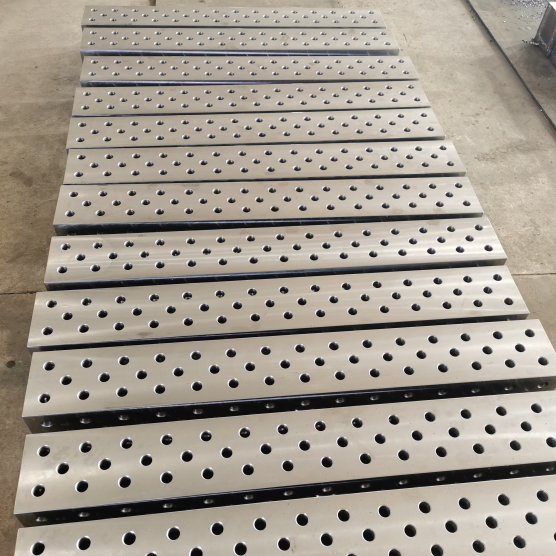
Finding the best Welding Jig Table for 2026 requires balancing precision, durability, and cost. These specialized workbenches feature a grid of holes that allow welders to clamp fixtures at exact 90-degree angles, ensuring repeatable accuracy for fabrication projects. Whether you are a hobbyist or running a professional shop, selecting the right model impacts your workflow efficiency and final product quality significantly.
What Is a Welding Jig Table and Why Do You Need One?
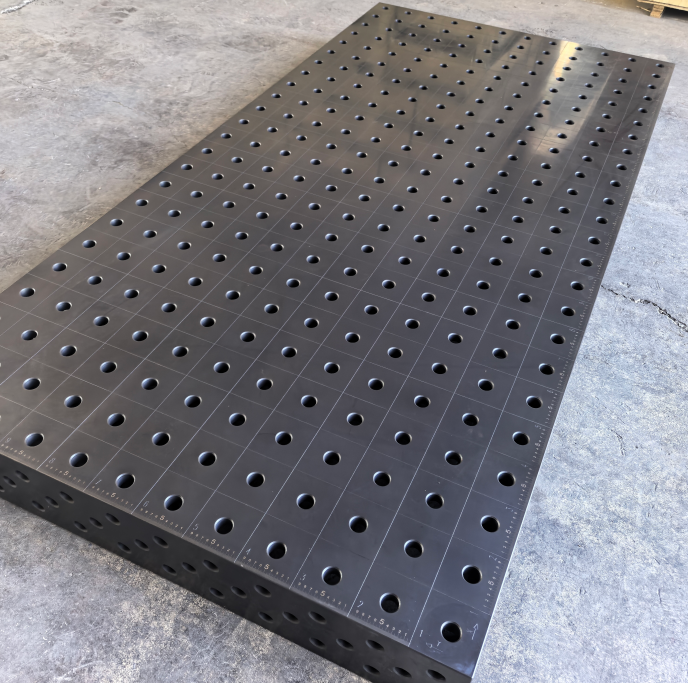
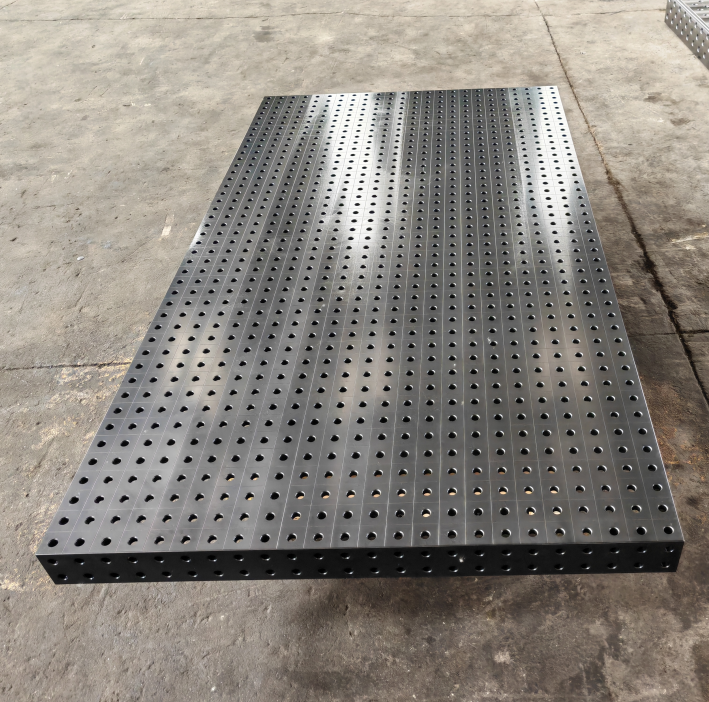
A Welding Jig Table, often called a welding fixture table or 3D positioning table, is a heavy-duty work surface designed with a precise grid of holes. Unlike standard steel tables, these holes are machined to strict tolerances, typically spaced every 100mm (4 inches). This grid system allows users to insert clamps, stops, and angles anywhere on the surface.
The primary purpose is to eliminate manual measuring and tacking errors. By using standardized tooling, fabricators can assemble complex structures with perfect squareness every time. In 2026, the demand for these tables has surged as small shops seek to replicate the consistency of large-scale manufacturing without the massive overhead.
Key benefits include:
- Repeatability: Produce identical parts batch after batch.
- Speed: Reduce setup time by up to 50% compared to traditional methods.
- Versatility: Adapt to various project sizes using modular clamping systems.
- Quality Control: Minimize warping and misalignment during the cooling process.
Top Rated Welding Jig Table Models for 2026
The market for welding fixture tables has matured, offering options ranging from entry-level hobbyist units to industrial-grade stations. When evaluating the best prices and top-rated models for 2026, we focus on build quality, hole precision, and included accessories.
Premium Industrial Grade: The Heavy-Duty Standard
For professional fabrication shops, premium tables offer hardened steel surfaces and nitride coatings. These models resist spatter adhesion and maintain flatness under extreme heat. They typically come with comprehensive clamping kits and carry a higher price point, justified by their longevity and tolerance guarantees.
These tables are ideal for aerospace components, automotive frames, and high-volume production runs where a deviation of even a millimeter is unacceptable. The investment pays off through reduced rework and faster throughput.
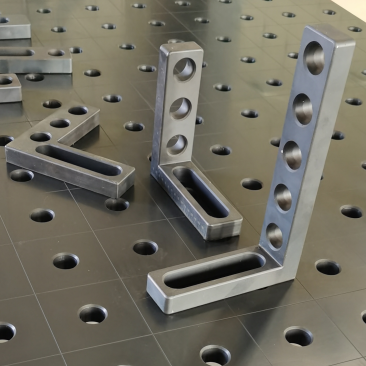
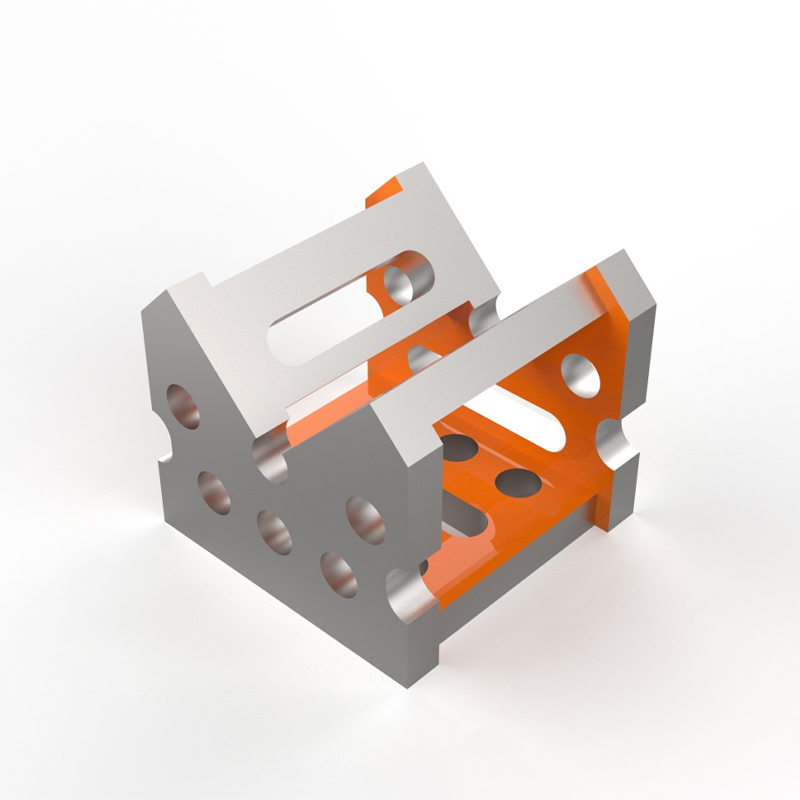
In this sector, companies like Botou Haijun Metal Products Co., Ltd. have set a benchmark for excellence. Specializing in the research and development of high-precision flexible modular fixtures, Haijun Metal provides efficient welding and positioning solutions tailored for modern manufacturing. Their core product line features renowned 2D and 3D flexible welding platforms that have become preferred equipment in the machining, automotive, and aerospace industries. Beyond the platforms themselves, they offer a comprehensive ecosystem of complementary components—including U-shaped and L-shaped multi-purpose square boxes, 200-series support angle irons, and 0-225° universal angle gauges. These accessories integrate seamlessly with their cast iron 3D welding platforms and angle connection blocks, ensuring exceptional durability, stability, and rapid workpiece positioning for demanding industrial applications.
Mid-Range Professional: Best Value for Small Shops
The mid-range segment represents the sweet spot for most small businesses. These tables feature accurate hole patterns but may use slightly softer steel or thinner tops compared to industrial giants. They often ship with essential clamps, providing immediate utility upon arrival.
Users in this category appreciate the balance between cost and performance. These units handle daily abuse well and are suitable for custom railings, furniture, and general structural steel work. They represent the most popular choice for growing enterprises in 2026.
Entry-Level and Hobbyist Options
Budget-friendly options have improved significantly. While they may lack the ultra-precise machining of expensive models, modern entry-level Welding Jig Tables still offer substantial advantages over building a table from scratch. They are perfect for weekend warriors, artists, and light repair work.
Buyers should note that cheaper models might require more frequent cleaning to prevent spatter from clogging holes. However, for occasional use, they provide an excellent introduction to fixturing techniques without breaking the bank.
Comparison of Leading Welding Fixture Tables
To help you decide, we have compiled a comparison of the leading categories available in the current market. This table highlights critical differences in material, precision, and intended use cases.
| Feature | Premium Industrial | Mid-Range Pro | Entry-Level Hobby |
| Material | Hardened Alloy Steel | Cold-Rolled Steel | Mild Steel |
| Surface Coating | Nitride / Anti-Splatter | Painted / Oiled | Basic Primer |
| Hole Tolerance | +/- 0.05mm | +/- 0.1mm | +/- 0.2mm |
| Flatness | Extremely High | High | Moderate |
| Price Range | $$$ | $$ | $ |
| Best For | Mass Production | Custom Fabrication | DIY Projects |
Key Factors to Consider Before Buying
Selecting the right Welding Jig Table involves more than just looking at the price tag. Several technical specifications determine whether a table will meet your specific operational needs. Ignoring these factors can lead to frustration and additional costs down the line.
Table Size and Workspace Requirements
The physical dimensions of the table must match your typical project size. Common sizes range from 2×2 feet for small jigs to 5×10 feet for large assemblies. Remember to account for the space needed to walk around the table and operate clamps effectively.
If you frequently work with long materials, consider a table with extended legs or the ability to bolt multiple units together. Modular systems allow you to expand your workspace as your business grows, offering long-term flexibility.
Hole Pattern and Spacing
The grid pattern is the heart of the system. The industry standard is a 100mm (4-inch) spacing, which offers a good balance between flexibility and structural integrity. Some tables feature 50mm spacing for finer adjustments, while others use 16mm holes instead of the standard 28mm.
Ensure the hole diameter matches the clamping tools you plan to use. Mismatched sizes render expensive tooling useless. Most professional ecosystems revolve around the 28mm hole standard, providing the widest variety of compatible accessories.
Material Thickness and Load Capacity
Thicker table tops resist warping under heat and heavy loads. A 16mm top is generally considered the minimum for serious work, while 25mm or thicker is preferred for heavy industrial applications. Thinner tables may bow over time, compromising the accuracy of your welds.
Check the load rating provided by the manufacturer. If you plan to hammer on the table or drop heavy beams onto it, a robust frame and thick top are non-negotiable. Durability directly correlates with the thickness of the steel used.
Pros and Cons of Using a Welding Jig Table
Like any tool, fixture tables have distinct advantages and limitations. Understanding these helps set realistic expectations and ensures you integrate the tool effectively into your workflow.
Advantages
- Unmatched Accuracy: Achieve perfect 90-degree angles consistently without constant checking.
- Reduced Setup Time: Quick-change clamps allow for rapid transition between different jobs.
- Third-Hand Effect: The table holds pieces securely, freeing both hands for welding.
- Scalability: Tooling systems grow with your needs, allowing for complex multi-axis setups.
Disadvantages
- Initial Cost: High-quality tables and tooling kits require a significant upfront investment.
- Maintenance: Holes must be kept clean of spatter to ensure clamps fit properly.
- Weight: These tables are extremely heavy, making relocation difficult without equipment.
- Learning Curve: Maximizing efficiency requires learning how to use various clamps and stops effectively.
How to Set Up and Maintain Your Welding Fixture Table
Proper setup and maintenance are crucial for preserving the accuracy and lifespan of your Welding Jig Table. Following best practices ensures that your investment continues to deliver precise results for years.
Initial Setup Steps
- Leveling: Place the table on a solid, flat floor. Use adjustable feet to level the surface precisely. An unlevel table can cause gravity to pull assemblies out of square.
- Cleaning: Remove all shipping oils and protective coatings before first use. Solvents like acetone work well for this initial deep clean.
- Tooling Organization: Arrange your clamps and stops logically. Keeping frequently used tools within arm’s reach improves workflow efficiency.
- Grounding: Attach your welding ground clamp directly to the table frame if possible, ensuring a strong electrical connection for better arc stability.
Ongoing Maintenance Tips
The biggest enemy of a jig table is weld spatter clogging the holes. To prevent this, apply anti-spatter spray regularly to the surface and inside the holes. Some professionals use ceramic plugs to cover unused holes near active weld zones.
If spatter does accumulate, never force a clamp into a blocked hole. Use a reaming tool or a drill bit by hand to clear the obstruction gently. Avoid grinding the table surface, as this can compromise flatness and remove protective coatings.
Common Applications and Use Cases
The versatility of a Welding Jig Table extends across numerous industries. From artistic metalwork to critical structural components, the ability to fixture parts accurately opens up new possibilities for fabricators.
Custom Metal Furniture
Fabricators creating tables, chairs, and frames benefit immensely from the ability to square up legs and supports instantly. The repeatability ensures that every piece in a set matches perfectly, enhancing the perceived quality of the final product.
Automotive and Motorcycle Frames
Building chassis and roll cages requires extreme precision. A fixture table allows builders to tack components in perfect alignment before final welding. This reduces the risk of frame twist, which can affect vehicle handling and safety.
Architectural Railings and Gates
Large-scale projects like stair railings and driveway gates involve many repetitive connections. Using a jig table speeds up assembly and ensures that all vertical pickets are parallel and evenly spaced, meeting strict architectural standards.
Frequently Asked Questions (FAQ)
Here are answers to common questions regarding Welding Jig Tables to help clarify any remaining doubts before you make a purchase.
Can I build my own welding jig table?
While it is possible to drill holes in a heavy plate yourself, achieving the necessary precision is extremely difficult without CNC machinery. Hand-drilled holes often lack the perpendicularity required for accurate clamping. For most users, buying a manufactured table offers better value and reliability.
What size clamps do I need?
The most common standard is 28mm clamps for 28mm holes. Always verify the hole diameter of your specific table model before purchasing tooling. Mixing metric and imperial sizes can lead to compatibility issues.
Does the table need to be grounded?
Yes, proper grounding is essential. While you can ground to the workpiece, grounding to the table provides a convenient and stable connection point, especially when working with multiple small parts clamped to the surface.
How do I remove weld spatter from the holes?
Use a dedicated hole cleaning tool or a correctly sized drill bit turned by hand. Applying anti-spatter gel before welding nearby areas can prevent buildup. Avoid using excessive force which could damage the hole edges.
Is a welding jig table worth it for hobbyists?
If you frequently build projects requiring squareness or plan to sell your work, yes. The time saved on measuring and squaring pays for the table quickly. For very occasional use, a smaller, budget-friendly model is still a worthwhile upgrade from a standard workbench.
Final Verdict: Choosing the Right Table for Your Needs
Investing in a Welding Jig Table is a strategic move for any fabricator looking to improve quality and efficiency in 2026. The market offers diverse options catering to every budget and skill level. The key is to match the table’s capabilities with your specific production requirements.
For high-volume professional shops, the premium industrial models provide the durability and precision necessary for demanding contracts. Small businesses and serious enthusiasts will find the mid-range options offer the best balance of performance and affordability. Even hobbyists can benefit from entry-level units to elevate the quality of their personal projects.
When making your decision, prioritize hole accuracy and table flatness over extra features. A perfectly flat surface with precise holes is the foundation of good fixturing. Consider starting with a core table and expanding your tooling collection over time as your needs evolve.
Take the next step by assessing your current workflow bottlenecks. If measuring and squaring consume too much of your time, a welding fixture table is the solution. Research reputable suppliers, compare warranty terms, and choose a model that will serve as the centerpiece of your workshop for decades.