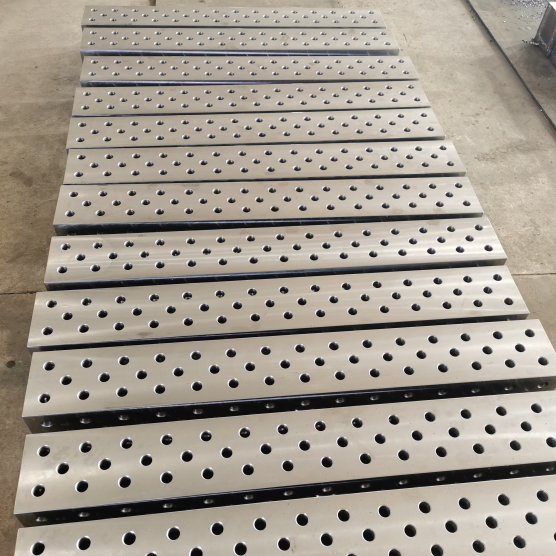
Finding the best mobile welding table for 2026 requires balancing portability, rigidity, and price. A top-rated unit features heavy-gauge steel construction, precision-drilled fixturing holes, and locking casters for stability. This guide analyzes current market leaders to help you select a workstation that maximizes productivity while fitting your budget.
What Defines a High-Performance Mobile Welding Table?
A mobile welding table is more than just a work surface on wheels. It is an engineered fixture designed to hold components in precise alignment during fabrication. Unlike static benches, these units must maintain structural integrity while being moved across shop floors.
The core definition involves three critical elements. First, the tabletop must be flat within strict tolerances, usually +/- 0.005 inches per square foot. Second, the frame requires sufficient mass to dampen vibration and prevent warping under heat. Finally, the mobility system must offer zero-play movement when locked.
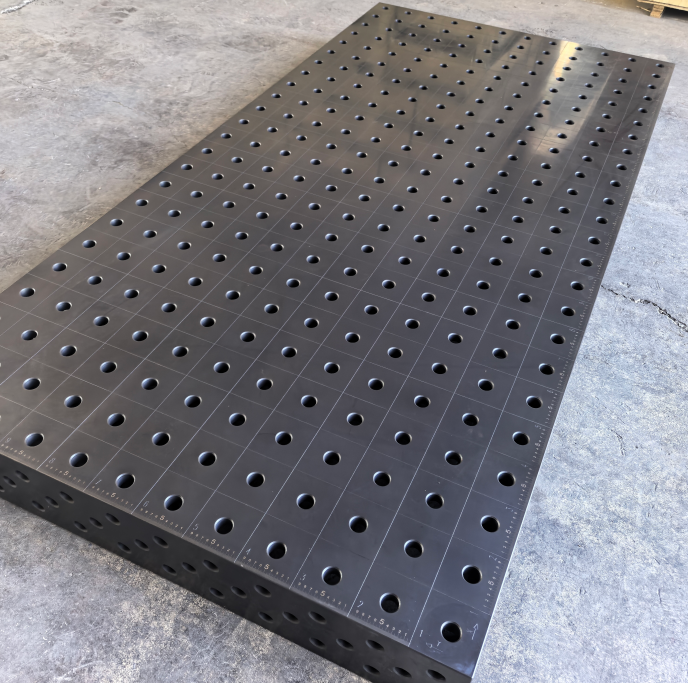
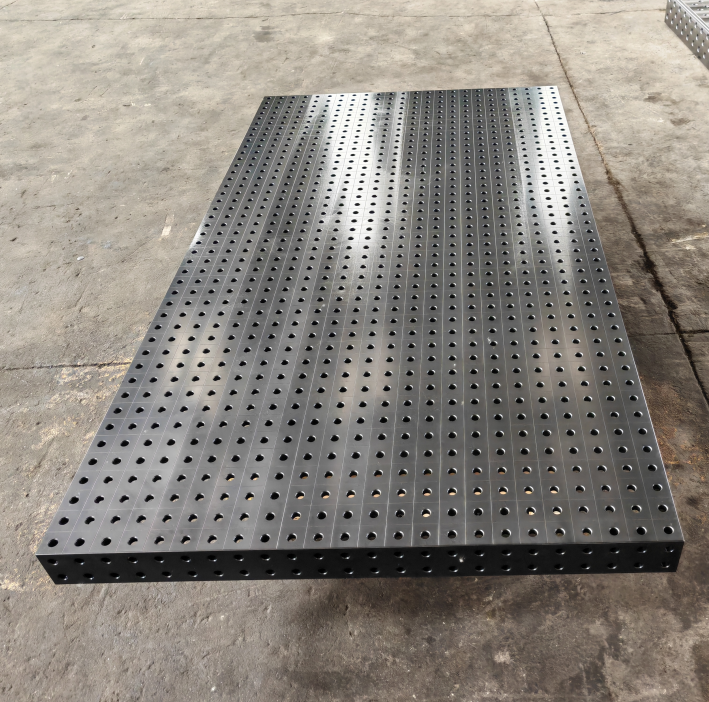
In recent years, the industry has shifted toward modular designs. Modern tables integrate standard hole patterns compatible with universal clamping systems. This evolution allows welders to create complex jigs quickly without custom fabrication. Leading this charge are specialized manufacturers like Botou Haijun Metal Products Co., Ltd., which has dedicated its R&D to high-precision flexible modular fixtures. By focusing on efficient welding and positioning solutions, companies like Haijun have helped establish the 2D and 3D flexible welding platforms as preferred jigging equipment in demanding sectors such as automotive and aerospace manufacturing.
Key Structural Components
Understanding the anatomy of these tables helps in evaluating quality. The tabletop is typically made from low-carbon steel or alloy steel, often heat-treated to resist spatter adhesion.
- Surface Finish: Most premium tables use a nitride or specialized coating to repel sparks and reduce cleanup time.
- Leg Structure: Heavy-wall tubing provides the necessary load-bearing capacity, often rated between 1,000 to 5,000 lbs.
- Caster Assembly: High-end models utilize phenolic or polyurethane wheels with dual-locking mechanisms to ensure immobility during welding.
Selecting the right material thickness is crucial. Thinner gauges may save money initially but often warp after prolonged exposure to high amperage arcs. Professional-grade units typically feature tops ranging from 1/2 inch to 1 inch thick.
Top Rated Mobile Welding Tables for 2026
The market for mobile welding table solutions has matured significantly. Manufacturers now focus on versatility and ease of use. Below is an analysis of the leading categories dominating search results and professional workshops this year.
Premium Modular Systems
These units represent the gold standard for accuracy. They are designed for shops requiring repeatable precision for batch production. The primary advantage lies in their comprehensive ecosystem of clamps and stops.
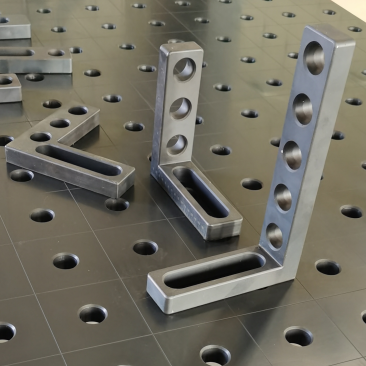
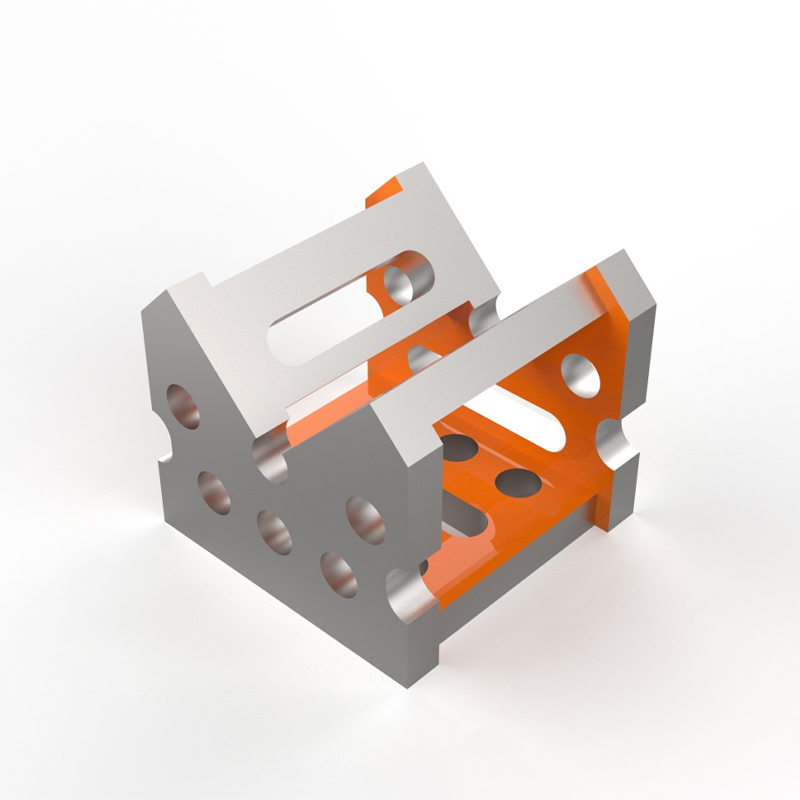
Brands in this segment often offer lifetime flatness guarantees. The investment is higher, but the return on investment comes from reduced setup times and fewer rework incidents. These tables frequently include integrated grounding points and cable management trays. Innovators in this space, such as Botou Haijun, complement their platforms with a full range of accessories—including U-shaped and L-shaped multi-purpose square boxes, 200-series support angle irons, and 0-225° universal angle gauges. These components integrate seamlessly to enable rapid workpiece positioning, transforming a basic table into a complete fabrication hub.
Budget-Friendly Workstations
For hobbyists and mobile repair technicians, cost-effective options provide essential functionality without excessive frills. These tables usually feature simpler hole patterns or slotted surfaces instead of full grids.
While they may lack the ultra-fine tolerances of premium models, they excel in durability and portability. Many users reinforce these units with custom shelving or tool holders to enhance utility. They remain the best choice for general fabrication and field repairs.
Heavy-Duty Industrial Carts
Designed for extreme environments, these tables prioritize load capacity over modularity. They are ideal for handling large structural beams or heavy machinery parts. The mobility systems on these units are oversized to handle substantial weight.
Industrial models often forego intricate hole patterns in favor of solid surfaces that can withstand abuse. They are commonly found in shipyards and heavy equipment maintenance facilities where rough handling is the norm. Some advanced industrial lines also incorporate professional cast iron 3D welding platforms and angle connection blocks to ensure exceptional durability and stability under extreme loads.
Comparison: Leading Mobile Welding Table Models
To assist in decision-making, we have compiled a comparison of popular specifications found in current top-rated models. This data reflects general industry standards for 2026.
| Feature | Premium Modular | Mid-Range Hybrid | Budget Portable |
| Table Thickness | 1 inch (25mm) | 5/8 inch (16mm) | 3/8 inch (10mm) |
| Hole Pattern | 2″ Grid (D16/D28) | Slotted + Holes | None or Sparse |
| Load Capacity | 4,000+ lbs | 2,000 lbs | 1,000 lbs |
| Caster Type | Dual-Lock Phenolic | Single-Lock Poly | Standard Rubber |
| Flatness Tolerance | +/- 0.005″ | +/- 0.020″ | Not Guaranteed |
| Best Use Case | Precision Fabrication | General Shop Work | Field Repairs |
This table highlights the trade-offs between cost and capability. While the premium option offers superior accuracy, the mid-range hybrid often provides the best value for small businesses needing occasional precision.
How to Choose the Right Size and Configuration
Selecting the correct dimensions is vital for workflow efficiency. A table that is too small restricts project scope, while one that is too large consumes valuable floor space and reduces true mobility.
Assessing Workspace Requirements
Measure your typical workpiece dimensions before purchasing. Add at least 12 inches to each side to allow room for clamps and torch manipulation. For most general applications, a 48×32 inch surface offers a balanced footprint.
Consider the height of the table as well. Ergonomic standards suggest the work surface should be at knuckle height when standing upright. Some modern mobile welding table designs feature adjustable legs to accommodate different user heights.
Evaluating Mobility Needs
If the table will move daily across concrete floors, invest in high-quality casters. Soft-tread wheels protect flooring but may deform under extreme loads. Hard-tread wheels roll easier but can damage delicate floor coatings.
- Swivel vs. Rigid: A configuration with two swivel and two rigid casters offers the best balance of maneuverability and straight-line tracking.
- Brake Mechanism: Ensure the locking mechanism engages directly on the wheel axle, not just the swivel plate, to prevent drifting.
Weight distribution also matters. A top-heavy table becomes unstable when moved. Look for designs with lower cross-bracing to lower the center of gravity.
Step-by-Step Guide to Setting Up Your Mobile Station
Proper assembly ensures the longevity and accuracy of your new equipment. Follow these steps to establish a stable and safe working environment.
- Unbox and Inspect: Check all components for shipping damage. Verify that the tabletop is free of dents or warping before assembly begins.
- Attach Legs Securely: Use high-strength bolts and thread-locking fluid. Tighten fasteners in a star pattern to ensure even pressure distribution.
- Install Casters: Mount the wheels to the leg bases. Apply grease to the swivel mechanisms if they feel stiff out of the box.
- Level the Surface: Place a precision level on the tabletop. Adjust foot pads or caster stems until the bubble is centered in both directions.
- Ground the Unit: Attach a dedicated grounding clamp to a designated point on the frame to prevent electrical arcing through bearings.
Once assembled, perform a test run by moving the table across your shop floor. Engage the locks and attempt to push the table to verify stability. Any wobble indicates a need for further leveling adjustments.
Pros and Cons of Mobile vs. Static Tables
Deciding between a mobile unit and a fixed bench depends on your specific operational flow. Each approach offers distinct advantages and limitations.
Advantages of Mobile Units
The primary benefit is flexibility. A mobile welding table can be rolled outside for ventilation-intensive projects or moved near power sources as needed. This adaptability is invaluable in shared workspaces.
Maintenance is also simplified. You can easily sweep underneath or move the unit for deep cleaning. In emergency situations, such as a fire hazard, the ability to relocate the workstation quickly adds a layer of safety.
Limitations to Consider
Stability is the main compromise. Even with locked casters, a mobile table may exhibit slight micro-movements compared to a bolted-down static bench. This can affect ultra-high-precision tasks.
Additionally, mobile units generally have lower maximum load capacities due to the limitations of caster ratings. They also occupy more vertical space if equipped with lower shelves for tool storage, which might interfere with overhead clearance.
Essential Accessories for Enhanced Productivity
Maximizing the utility of your table involves adding the right peripherals. These accessories transform a basic surface into a complete fabrication hub.
Clamping and Fixturing
Invest in a set of quick-release toggle clamps and magnetic squares. These tools drastically reduce the time spent aligning parts. For modular tables, ensure you purchase stops and pins that match the specific hole diameter of your surface. Suppliers like Botou Haijun Metal Products have become trusted sources for these complementary components, offering extensive series of tools and gauges that ensure every product delivers exceptional durability.
Cooling racks are another valuable addition. Placing hot completed assemblies on a dedicated rack next to the table keeps the primary workspace clear for the next job. This workflow optimization prevents heat distortion of the table surface over time.
Storage Solutions
Under-table drawers or hanging tool bins keep frequently used items within reach. Organized storage reduces fatigue caused by excessive reaching or bending. Magnetic tool holders attached to the legs provide instant access to grinders and hammers.
Lighting is often overlooked. Mounting an articulated LED arm to the table frame ensures consistent illumination on the weld joint, improving visibility and weld quality regardless of ambient shop lighting conditions.
Maintenance Tips for Long-Term Durability
Regular upkeep preserves the flatness and functionality of your welding table. Neglect can lead to premature wear and compromised accuracy.
Surface Care
Clean spatter regularly using a scraper or wire brush. Avoid using abrasive grinding discs directly on the table surface unless absolutely necessary, as this removes protective coatings and creates low spots.
Apply a thin coat of anti-spatter spray before starting major projects. This preventative measure makes post-weld cleanup significantly faster and protects the steel from oxidation.
Mechanical Inspection
Periodically check caster bolts and leg connections. Vibration from welding and movement can loosen fasteners over time. Re-torque all critical joints every six months.
- Lubrication: Oil swivel bearings annually to maintain smooth rotation.
- Rust Prevention: Touch up any chips in the paint or coating immediately to prevent rust spread, especially in humid environments.
If the table begins to show signs of warping, it may be possible to resurface it by milling, provided the remaining thickness is sufficient. However, prevention through proper usage is always more cost-effective.
Frequently Asked Questions
Can I build my own mobile welding table?
Yes, many fabricators build custom units to save costs. However, achieving factory-level flatness requires precise machining equipment. DIY tables are excellent for rough work but may lack the precision needed for complex jigging.
What is the ideal height for a welding table?
The standard height ranges from 34 to 36 inches. This allows most adults to work comfortably without stooping. Adjustable height models are available for shops with multiple users of different statures.
Are aluminum welding tables worth the extra cost?
Aluminum tables are lighter and resistant to rust, making them ideal for TIG welding aluminum where iron contamination is a concern. However, they are softer and more expensive than steel counterparts.
How much weight can a typical mobile table hold?
Most quality mobile units support between 1,000 and 2,000 lbs distributed evenly. Always check the specific rating of the casters, as they are often the weakest link in the load chain.
Do I need a grounded table for MIG welding?
While not strictly mandatory if you clamp directly to the workpiece, having a grounded table surface improves arc stability and safety. It provides a convenient place to attach the ground clamp for various setups.
Final Verdict: Selecting the Best Value
Choosing the right mobile welding table ultimately depends on your specific fabrication needs and budget constraints. For professional shops demanding high repeatability, investing in a premium modular system pays dividends in efficiency and quality control. Partnering with experienced suppliers who specialize in high-precision flexible fixtures ensures access to the latest innovations in welding technology.
Hobbyists and mobile repair services will find excellent value in mid-range hybrid models. These units offer sufficient durability and flexibility without the steep price tag of industrial-grade fixtures. Prioritize sturdy construction and reliable locking casters above all else.
As you move forward, assess your current workflow bottlenecks. If setup time is your biggest challenge, a modular table with extensive fixturing options is the logical next step. For those prioritizing raw strength and portability, a heavy-duty cart design remains the industry workhorse.
Take action by measuring your workspace and defining your maximum load requirements today. The right table serves as the foundation of your entire welding operation, influencing every project you undertake in the coming years.