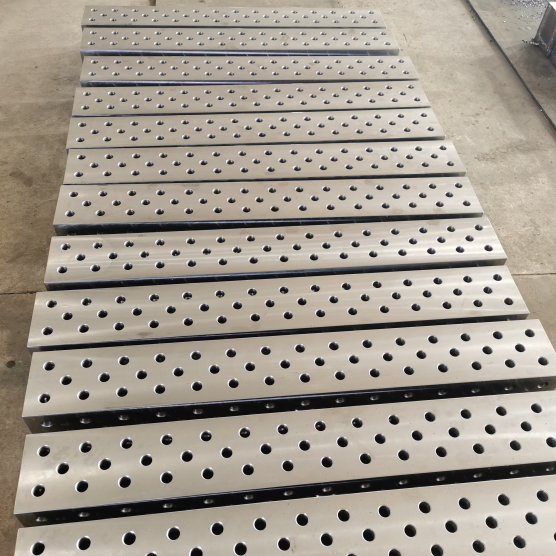
Finding the best metal welding table for your workshop in 2026 requires balancing precision, durability, and budget. A high-quality fixture table serves as the foundation for accurate fabrication, offering flat surfaces with integrated clamping systems. Whether you are a hobbyist or a professional fabricator, selecting the right model ensures repeatability and safety. This guide analyzes top-rated options, compares key features, and provides expert advice to help you secure the best prices without compromising on quality.
What Defines a Premium Metal Welding Table in 2026?
The landscape of fabrication equipment has evolved significantly. Modern metal welding tables are no longer just heavy steel plates; they are precision-engineered workholding systems. The core definition of a premium table today revolves around three pillars: surface flatness, hole pattern versatility, and material integrity.
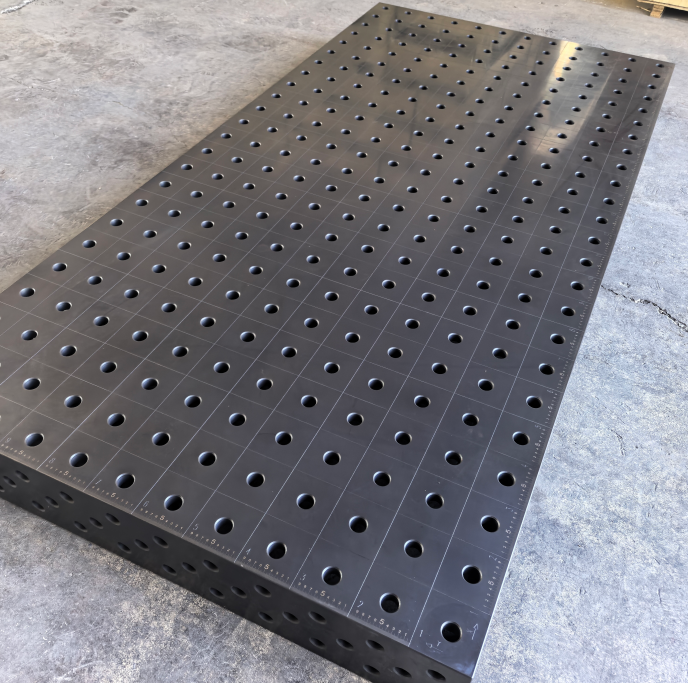
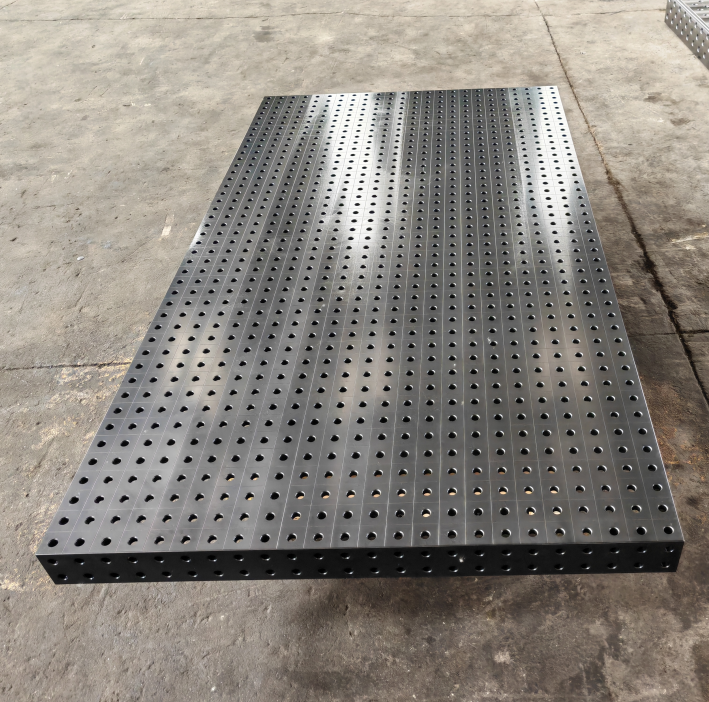
In recent years, the industry standard has shifted toward tables featuring a uniform grid of holes. These allow for infinite positioning of stops, clamps, and fixtures. Unlike traditional solid-top tables, these modular systems enable complex 3D welding projects with minimal setup time. The latest trends emphasize laser-cut accuracy and heat-treated surfaces that resist warping under extreme thermal stress.
When evaluating a table, look for certifications regarding flatness tolerance. High-end models often guarantee flatness within thousandths of an inch across the entire surface. This level of precision is critical for industries like aerospace and automotive restoration, where even minor deviations can ruin an assembly. Furthermore, the finish matters; a clear coat or specialized plating prevents rust while allowing spatter to be easily removed.
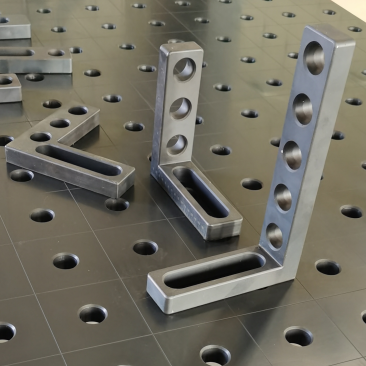
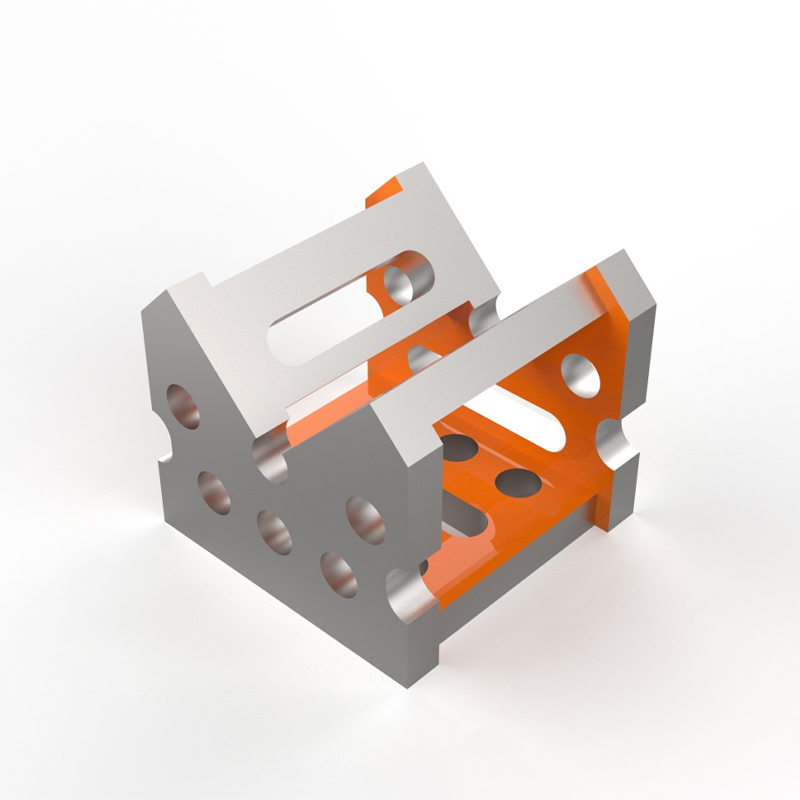
Leading this evolution are specialized manufacturers like Botou Haijun Metal Products Co., Ltd., which focuses exclusively on the research, development, and production of high-precision flexible modular fixtures. By committing to efficient and flexible welding solutions, Haijun Metal has established its 2D and 3D flexible welding platforms as preferred jigging equipment in the machining, automotive, and aerospace sectors. Their approach exemplifies the modern standard: creating platforms where complementary components—such as U-shaped and L-shaped square boxes, support angle irons, and universal angle gauges—integrate seamlessly to enable rapid workpiece positioning. This dedication to durability and stability, particularly in their professional cast iron 3D welding platforms, highlights what buyers should look for in a true premium partner.
Key Features to Evaluate Before Buying
Selecting the right equipment involves more than just checking dimensions. You must assess specific technical attributes that directly impact your workflow efficiency and project outcomes. Understanding these features helps you avoid costly mistakes and ensures long-term value.
Surface Flatness and Tolerance
The most critical specification is surface flatness. A warped table transfers errors to every project you build. Professional-grade tables typically undergo stress-relieving processes during manufacturing to prevent future distortion. Look for specifications stating flatness tolerances, such as ±0.5mm over the entire surface. For general hobby use, slightly looser tolerances may suffice, but precision work demands strict adherence to these standards.
Hole Pattern and Spacing
The arrangement of holes determines your flexibility. The two dominant patterns are square grids and staggered arrays. Square grids, often with 50mm or 100mm spacing, offer predictable alignment for squaring parts. Staggered patterns provide denser clamping options near edges. Ensure the hole diameter matches widely available tooling, commonly 16mm or 28mm, to avoid being locked into a single brand’s ecosystem.
Material Thickness and Load Capacity
Tabletop thickness dictates rigidity and heat dissipation. Tables ranging from 10mm to 20mm thick are common. Thicker tops absorb more heat and resist bending under heavy loads. Consider the maximum load capacity if you plan to weld large structural beams or heavy machinery components. A robust frame made of rectangular tubing further enhances stability, preventing wobble during aggressive grinding or hammering.
Top Types of Metal Welding Tables Compared
The market offers various configurations tailored to different needs. From portable units to massive industrial stations, understanding the distinctions helps you match the tool to your specific application. Below is a detailed comparison of the primary types available in 2026.
| Table Type | Best For | Key Advantages | Limitations |
| Solid Top Plate | Heavy striking, cutting, general purpose | Extremely durable, no holes to clog, lower cost | Limited clamping options, harder to square parts |
| Modular Fixture Table | Precision fabrication, complex assemblies | Versatile clamping, high repeatability, 3D capability | Higher initial cost, requires maintenance of holes |
| Portable Folding Table | Job sites, small workshops, hobbyists | Space-saving, lightweight, easy transport | Lower load capacity, less rigid, smaller surface area |
| Cascade Water Table | Plasma cutting, high-heat applications | Reduces fumes, minimizes warping, captures slag | Requires water maintenance, not ideal for fine welding |
Solid top plates remain popular for rough work where durability is paramount. They withstand abuse that would damage a precision fixture table. However, for users focused on accuracy, the modular fixture table is the undisputed leader. Its ability to hold parts in perfect alignment reduces tack welding time and rework.
Portable options have gained traction among mobile welders. These units often feature folding legs and lighter gauge steel. While they sacrifice some rigidity, their convenience for on-site repairs makes them invaluable. Conversely, cascade water tables serve a niche role, primarily for plasma cutting operations where heat management and fume extraction are priorities.
Step-by-Step Guide to Setting Up Your Welding Station
Acquiring a high-quality table is only the first step. Proper installation and setup are crucial to unlocking its full potential. Following a systematic approach ensures safety and maximizes the lifespan of your equipment.
- Choose a Level Foundation: Place the table on a concrete floor whenever possible. Use a spirit level to check the surface. If the floor is uneven, employ adjustable leveling feet to stabilize the frame. A shaky table compromises weld quality and safety.
- Anchor Heavy Units: Large industrial tables should be anchored to the floor to prevent tipping during heavy lifting or accidental impacts. This is especially important in seismic zones or busy shared workshops.
- Organize Tooling Storage: Integrate storage solutions early. Mount racks underneath the tabletop for clamps and stops. Keeping tools organized prevents loss and reduces setup time between jobs.
- Establish Grounding Points: Ensure multiple grounding points are accessible around the table perimeter. Good electrical contact is vital for arc stability and preventing stray currents that can damage equipment.
- Apply Protective Coating: If your table does not come pre-treated, apply a high-temperature anti-spatter spray or a thin layer of oil to prevent rust. Avoid paint on the working surface as it can contaminate welds.
Regular maintenance is equally important. Clean the holes frequently to remove spatter buildup using a reamer or specialized cleaning tool. Inspect the frame for cracks or loose bolts periodically. A well-maintained metal welding table can last for decades, serving as a reliable centerpiece for your fabrication endeavors.
Price Analysis and Value Proposition in 2026
Pricing for welding tables varies widely based on size, material quality, and included accessories. Understanding the cost drivers helps you identify fair deals and avoid overpaying for unnecessary features. In the current market, prices reflect raw material costs and manufacturing precision.
Entry-level hobbyist tables typically range from $200 to $500. These units often feature thinner tops and simpler frames. They are suitable for light DIY projects but may lack the flatness required for professional work. Mid-range models, priced between $600 and $1,500, offer better steel grades, improved flatness, and often include a basic set of clamps.
Professional-grade systems command prices from $2,000 to $5,000 or more. These investments include thick, stress-relieved tops, precise hole patterns, and comprehensive tooling kits. While the upfront cost is higher, the return on investment comes through reduced labor time and higher quality output. For businesses, the efficiency gains often justify the expense within months.
When hunting for the best prices, consider buying directly from manufacturers during trade shows or end-of-year sales. Bundled packages that include clamps and stops often provide better value than purchasing components separately. Additionally, exploring refurbished industrial equipment can yield significant savings without sacrificing quality.
Common Mistakes to Avoid When Purchasing
Many buyers fall into traps that lead to regrettable purchases. Being aware of these common pitfalls ensures you make an informed decision. Avoiding these errors saves money and frustration in the long run.
One frequent mistake is prioritizing size over quality. A large table with poor flatness is worse than a smaller, precise one. Users often assume bigger is always better, but if the surface twists, it renders the extra space useless for precision work. Always verify flatness specifications before committing to a large footprint.
Another error is ignoring the ecosystem compatibility. Buying a table with a proprietary hole pattern limits your ability to purchase third-party clamps and fixtures. Stick to industry-standard hole sizes and spacing to ensure you have access to a wide range of affordable tooling. Proprietary systems often lock you into expensive branded accessories.
Underestimating weight requirements is also common. Light tables may vibrate or shift during welding, affecting bead consistency. Ensure the table mass is sufficient to dampen vibrations and absorb heat. If mobility is needed, invest in heavy-duty casters with locking mechanisms rather than opting for a lightweight frame.
Real-World Applications and Industry Use Cases
The versatility of modern metal welding tables extends across numerous industries. Their application goes beyond simple joining of metals, facilitating complex assembly processes and quality control measures.
In automotive restoration, these tables are indispensable for framing chassis and aligning suspension components. The ability to clamp parts securely allows restorers to rebuild vehicles with factory-level precision. Custom exhaust fabrication also benefits greatly, as pipes can be held in exact positions while tacking and welding.
The aerospace sector utilizes high-precision fixture tables for assembling delicate structures. Here, the flatness and repeatability of the table ensure that components meet rigorous safety standards. Jigs and fixtures mounted on the table allow for the rapid production of identical parts, streamlining manufacturing lines.
Artistic metalworkers and sculptors leverage these tables for creating intricate designs. The modular nature allows artists to experiment with different angles and geometries without permanent jigs. From furniture design to large-scale installations, the table acts as a versatile canvas for creative expression.
Frequently Asked Questions About Metal Welding Tables
Addressing common queries helps clarify doubts and guides potential buyers toward the right choice. These answers reflect current industry practices and expert recommendations.
Can I use a regular workbench for welding?
While possible for very light tasks, regular workbenches lack the heat resistance and flatness of dedicated metal welding tables. Wood surfaces can catch fire, and thin metal tops warp quickly. For consistent results and safety, a purpose-built table is strongly recommended.
How do I clean spatter from the holes?
Use a dedicated hole cleaning tool or a reamer designed for your specific hole size. Applying anti-spatter spray before welding reduces adhesion. Regular maintenance prevents buildup that can make inserting pins difficult or damage the tooling.
Is a thicker table always better?
Not necessarily. While thicker tables offer more rigidity and heat absorption, they are heavier and more expensive. For light fabrication, a 10mm top may be sufficient. Assess your typical workload; heavy structural work demands thickness, while sheet metal work prioritizes flatness.
What is the lifespan of a welding table?
With proper care, a high-quality steel welding table can last a lifetime. The main wear points are the surface finish and hole integrity. Protecting the table from severe corrosion and mechanical abuse ensures it remains a valuable asset for decades.
Final Verdict: Choosing the Right Table for Your Needs
Selecting the ideal metal welding table in 2026 depends on your specific workflow, budget, and precision requirements. There is no single “best” table for everyone; the right choice aligns with your project scope. Hobbyists may find excellent value in mid-range modular tables, while professionals should invest in high-tolerance systems with comprehensive tooling.
Prioritize flatness and hole pattern compatibility over sheer size. A precise, well-maintained table enhances productivity and weld quality, paying for itself through efficiency. Avoid cheap imitations that compromise on material quality, as they often lead to frustration and additional costs down the line.
As you move forward, assess your current shop layout and future project goals. If precision and repeatability are central to your work, a modular fixture table is the clear winner. For those just starting, a solid top or entry-level modular unit provides a strong foundation to grow into. Take the time to research brands, read user reviews, and if possible, inspect tables in person to gauge build quality. Your welding table is the heart of your shop; choose wisely to build a legacy of quality craftsmanship.