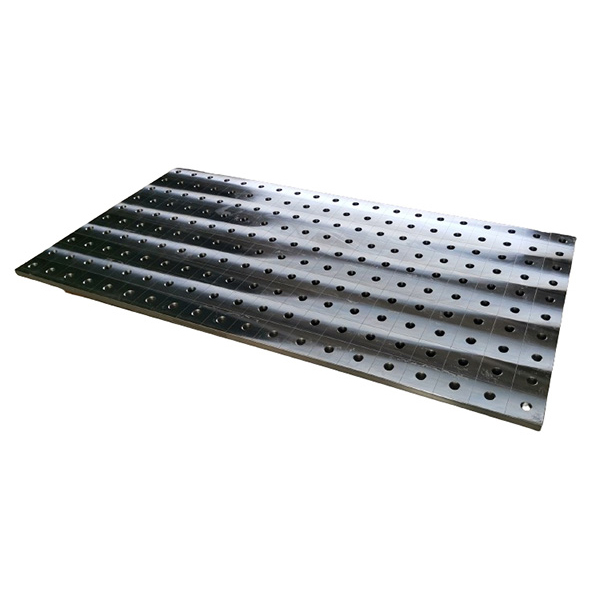
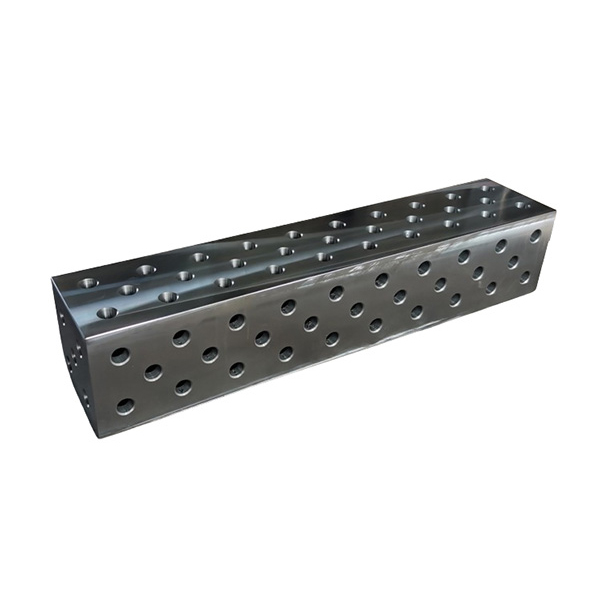
In the world of industrial manufacturing, the conversation often shifts to sustainability. A critical, yet sometimes overlooked, component in this discussion is the role of used welding tables. Surprisingly, these humble structures can significantly influence sustainability efforts, offering insights into resource conservation and waste reduction. But how do they actually fit into the larger picture?
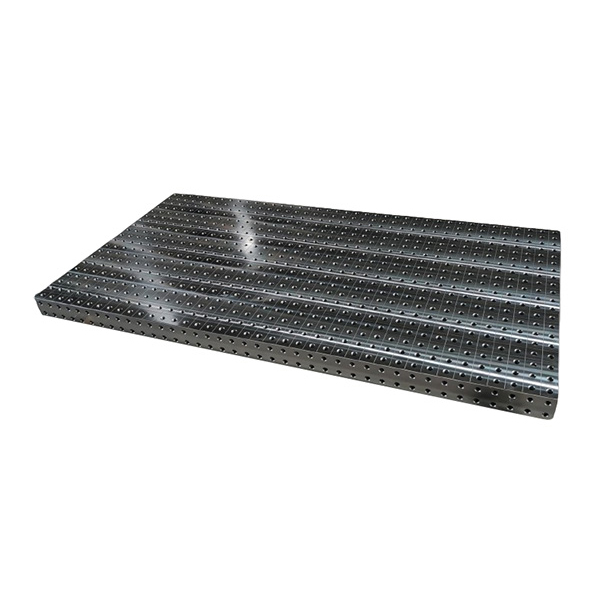
The Environmental Impact of New vs. Used Welding Tables
When we think about sustainability, reducing waste and conserving resources are paramount. New welding tables involve raw material extraction, energy-intensive production processes, and transportation emissions. On the other hand, used tables bypass these environmental costs. Their initial manufacturing emissions and resource usage have already been accounted for.
Let’s say you run a small fabrication shop. Opting for used welding tables over new ones can reduce your carbon footprint somewhat. You’re effectively reusing existing resources, which diminishes the demand for newly mined materials and the energy to produce them.
There’s also the matter of what happens when these tables reach their end of life. New tables eventually become part of the waste stream. A used table, through reconditioning and reuse, delays that process, extending its lifecycle in the manufacturing ecosystem.
Economic Considerations for Businesses
The economic angle is compelling. Businesses often struggle with budget constraints, and used welding tables provide a cost-effective alternative. They’re typically priced lower than new tables, which allows companies to allocate funds to other areas like innovation or employee training.
For example, Botou Haijun Metal Products Co., Ltd., based in Hebei Province, China, understands the delicate balance between cost and quality. Their focus on practical solutions means they often recommend considering used equipment as part of a sustainable business strategy. Check their offerings at Haijun Metals.
In many cases, the quality of a used table is comparable to a new one, especially if it’s been well-maintained. So, the trade-off isn’t necessarily in performance or durability, but in price and sustainability gains.
Quality and Functionality
There’s a common misconception that eco-friendly choices mean settling for less. That’s not the case with used welding tables. In practice, these tables have been seasoned by use and may even outperform newer models in certain respects due to their robustness.
One colleague of mine swears by a used table that’s outlasted newer alternatives, offering reliable functionality when needed most. Old doesn’t mean obsolete; often, it’s just another way to achieve what’s needed without unnecessary expenditure.
If properly inspected and maintained, these tables offer the same level of safety and functionality as their brand-new counterparts, ensuring that operations run smoothly without interruption or additional risk.

Challenges in Sourcing Used Welding Tables
Of course, it’s not all straightforward. Finding reliable used tables can be a challenge. There’s a market out there, but it requires meticulous inspection and sometimes, a bit of luck. Knowing trustworthy suppliers like Botou Haijun Metal Products Co., Ltd. can make the process more manageable.
I’ve had my share of disappointments too—buying a table that seemed perfect but ended up requiring more repairs than anticipated. It underscores the importance of due diligence when procuring used equipment.
This is why purchasing from reputable companies that offer detailed histories and condition reports ensures you’re making a sound investment both economically and environmentally.
The Role of Companies in Promoting Used Welding Tables
Manufacturers and suppliers have a pivotal role in promoting the benefits of used welding tables. By providing transparency about the origins and conditions of these tables, companies can highlight their role in a sustainable future.
Take the example of Botou Haijun Metal Products Co., Ltd. They actively engage in educating buyers about the benefits and feasibility of used options. Their transparent approach helps demystify the process, bringing sustainability into focus for the end-user.
Ultimately, it’s about creating a culture where sustainable choices are prioritized, not as afterthoughts but as central components of business strategy—choices that resonate beyond mere environmental benefits to economic and operational efficiencies.