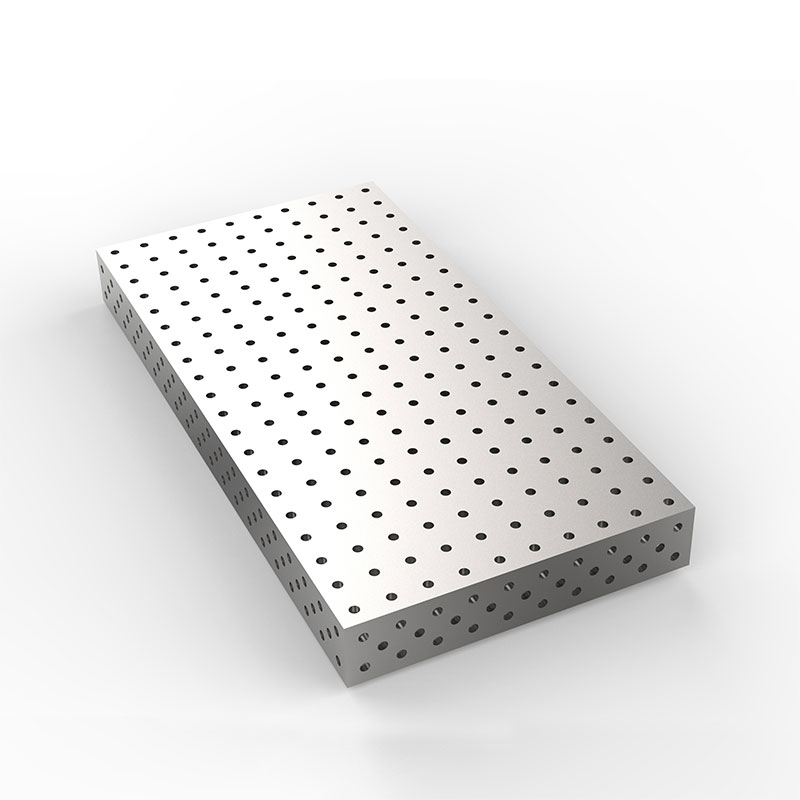
Granite fabrication tables are widely popular in precision manufacturing and metrology due to their exceptional dimensional stability, vibration damping capabilities, and resistance to thermal expansion. Unlike steel or cast iron surfaces, granite maintains flatness under varying environmental conditions, ensuring accurate measurements and consistent welding or machining results. This material’s natural hardness and non-magnetic properties make it the preferred choice for high-precision inspection, CMM (Coordinate Measuring Machine) bases, and modular fixture platforms in aerospace, automotive, and heavy machinery industries.
Why Granite is the Preferred Material for Precision Worktables
The popularity of granite fabrication tables stems from inherent physical properties that metal alternatives cannot easily replicate. In high-precision environments, even microscopic deviations can lead to significant quality control failures. Granite, specifically black granite often sourced from specialized quarries, offers a unique combination of rigidity and stability.
Superior Dimensional Stability
Granite has a low coefficient of thermal expansion. This means it expands and contracts minimally with temperature fluctuations compared to steel or aluminum. In a workshop where ambient temperatures may shift throughout the day, a steel table might warp slightly, affecting measurement accuracy. Granite remains stable, providing a reliable reference plane for critical operations.
Exceptional Vibration Damping
Vibration is the enemy of precision. Whether during high-speed machining or sensitive optical inspection, external vibrations can distort results. Granite possesses high internal damping capacity. It absorbs vibrational energy rather than transmitting it, ensuring that the workpiece remains steady. This characteristic is crucial for maintaining surface finish quality and measurement repeatability.
Non-Magnetic and Non-Conductive
In electronic manufacturing or environments involving sensitive magnetic instruments, ferrous metals like cast iron can interfere with operations. Granite is naturally non-magnetic and non-conductive. This eliminates the risk of magnetic interference with sensors or electronic components placed on the table, making it ideal for diverse industrial applications beyond traditional metalworking.
Corrosion and Chemical Resistance
Workshop environments often expose equipment to coolants, oils, and humidity. Cast iron requires regular maintenance and oiling to prevent rust. Granite is chemically inert and resistant to corrosion. It does not rust, rot, or absorb moisture, significantly reducing long-term maintenance costs and ensuring the surface remains pristine for years.
Granite vs. Cast Iron: A Comparative Analysis for Fabrication
When selecting a base for fabrication tables or inspection platforms, engineers often debate between granite and cast iron. While cast iron has been a traditional standard, granite has gained dominance in high-precision sectors. Understanding the differences helps in making an informed decision based on specific operational needs.
| Feature | Granite Tables | Cast Iron Tables |
| Thermal Stability | Excellent; minimal expansion with temperature changes. | Moderate; susceptible to thermal distortion. |
| Vibration Damping | Superior; absorbs vibration effectively. | Good; but can transmit resonance if not properly dampened. |
| Maintenance | Low; no rust, easy to clean, no oiling required. | High; requires regular oiling to prevent rust. |
| Weight | Heavy; provides inherent stability but harder to move. | Heavy; similar weight profile depending on design. |
| Durability | Hard surface; resistant to wear but brittle if impacted. | Tough; resistant to impact but prone to surface rust. |
| Cost | Higher initial cost due to material and processing. | Lower initial cost; widely available. |
For applications requiring the highest level of accuracy, such as CMM rooms or precision welding fixtures for aerospace components, granite is the superior choice. However, for rougher fabrication tasks where extreme precision is less critical, cast iron may suffice. The trend in modern manufacturing, however, leans heavily toward granite for its “set and forget” reliability.
Key Applications of Granite Fabrication Tables
The versatility of granite extends beyond simple inspection. Its robust nature allows it to serve as a foundational element in various complex manufacturing processes. Here are the primary sectors leveraging this technology.
Coordinate Measuring Machines (CMM)
CMMs require an absolutely stable base to ensure accurate 3D measurements of parts. Any movement or flex in the table translates directly into measurement error. Granite tables provide the rigid, vibration-free foundation necessary for these sensitive machines to operate within micron-level tolerances.
Precision Welding and Fixturing
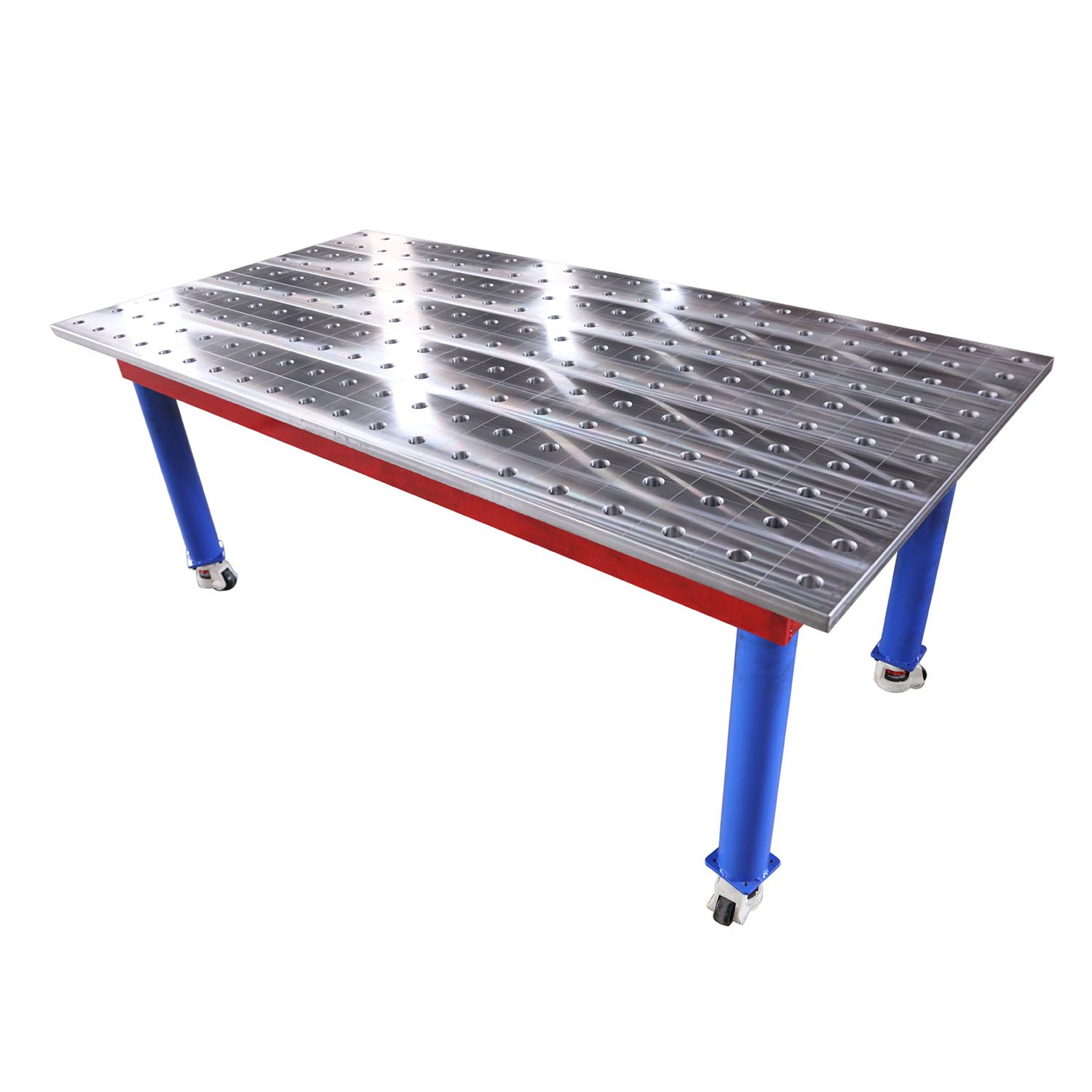
In high-end welding applications, particularly in the automotive and aerospace industries, part alignment is critical. Warped or unstable tables lead to misaligned welds and structural weaknesses. Granite tables offer a perfectly flat reference surface for positioning fixtures. When combined with modular clamping systems, they allow for rapid, repeatable setup of complex assemblies.
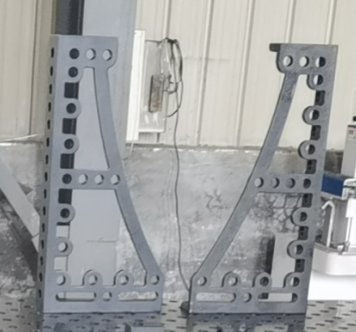
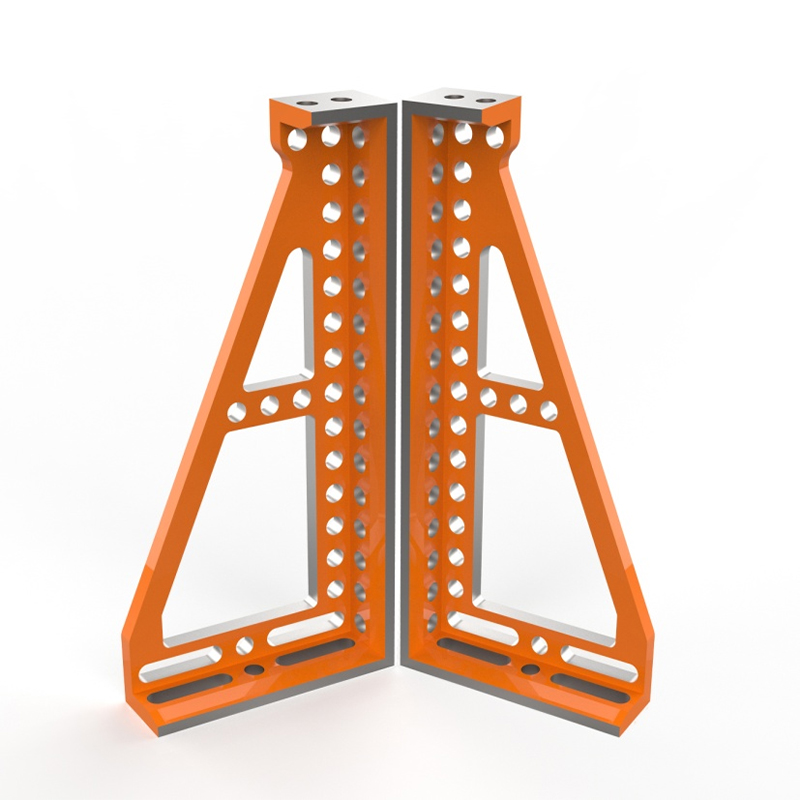
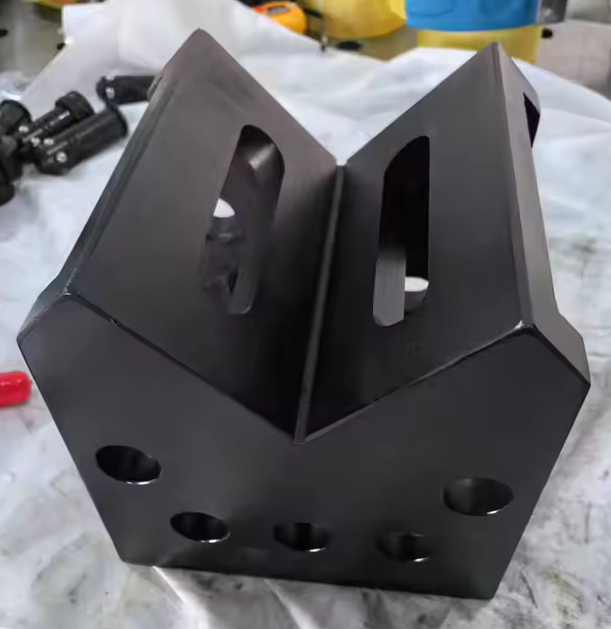
This is where integrated solutions become vital. For instance, Botou Haijun Metal Products Co., Ltd. specializes in high-precision flexible modular fixtures that complement such stable surfaces. While granite provides the flat base, Haijun’s 2D and 3D flexible welding platforms and accessories, such as U-shaped square boxes and universal angle gauges, enable rapid workpiece positioning. This synergy between a stable granite base and precise modular tooling ensures exceptional versatility and precision in machining and welding tasks.
Optical and Laser Inspection
Laser scanning and optical inspection systems are highly sensitive to vibration and tilt. Granite’s ability to remain level and dampen external noise makes it the ideal platform for these technologies. Manufacturers use granite tables to hold parts steady while laser scanners capture detailed geometric data for quality assurance.
Surface Plate Inspection
The most traditional use of granite is as a surface plate for manual inspection. Technicians use dial indicators, height gauges, and other tools directly on the granite surface to check part dimensions. The hardness of granite ensures that the surface does not wear down quickly, maintaining its calibration over time.
Technical Specifications and Selection Criteria
Choosing the right granite table involves understanding specific grades and technical parameters. Not all granite is created equal, and selecting the wrong grade can compromise project outcomes.
Granite Grades: A, B, and C
- Grade A: The highest precision level, typically used for laboratory settings and high-accuracy CMMs. Tolerance is extremely tight, often within microns per square meter.
- Grade B: Suitable for general inspection and precision manufacturing floors. It offers a balance between cost and accuracy, ideal for most industrial fabrication tasks.
- Grade C: Used for heavier, less critical applications where extreme flatness is not the primary concern, such as supporting heavy machinery or rough assembly.
Surface Finish and Hardness
The surface finish affects how easily parts slide across the table and how well they adhere during vacuum clamping. A finer finish reduces friction for manual inspection but may require specific treatments for vacuum hold-down. Granite hardness, measured on the Mohs scale, ensures resistance to scratching from metal parts. However, care must be taken to avoid dropping heavy tools, as granite can chip upon sharp impact.
Integration with Modular Tooling
A granite table is only as effective as the tooling used on it. Modern fabrication relies on speed and flexibility. Static tables are inefficient for high-mix, low-volume production. Therefore, integrating modular fixturing systems is essential.
Botou Haijun Metal Products Co., Ltd. addresses this need by providing comprehensive complementary components that integrate seamlessly with precision platforms. Their 200-series support angle irons and 0-225° universal angle gauges allow operators to quickly configure fixtures on stable bases. Whether using a granite surface or a cast iron 3D welding platform, the availability of high-quality angle connection blocks and multi-purpose square boxes ensures that every product delivers exceptional durability and stability. This approach transforms a static table into a dynamic workstation capable of handling complex geometries.
Common Mistakes to Avoid When Using Granite Tables
Even with the best materials, improper usage can lead to damage or inaccurate results. Avoiding these common pitfalls extends the life of the equipment and ensures consistent performance.
Ignoring Temperature Acclimatization
While granite is thermally stable, it is not immune to temperature changes. Moving a cold granite table into a warm room, or vice versa, can cause temporary distortion. Always allow the table to acclimatize to the workshop environment for 24-48 hours before performing critical inspections.
Using Improper Cleaning Agents
Granite is porous on a microscopic level. Using harsh chemicals or acidic cleaners can degrade the surface over time. Stick to mild, non-abrasive cleaners and soft cloths. Avoid leaving liquids standing on the surface for extended periods.
Overloading Beyond Capacity
Every table has a load limit. Exceeding this can cause structural stress, leading to cracks or permanent deformation of the supporting frame. Ensure the underlying structure is robust enough to support both the granite slab and the maximum intended workload.
Neglecting Leveling and Support
A granite slab must be supported evenly. Point loads or uneven support structures can cause the slab to flex or crack. Use adjustable mounting points and verify levelness regularly using precision spirit levels or electronic inclinometers.
Maintenance Best Practices for Longevity
One of the key reasons for the popularity of granite fabrication tables is their low maintenance requirement. However, “low maintenance” does not mean “no maintenance.” Implementing a simple routine ensures decades of reliable service.
- Regular Cleaning: Wipe down the surface daily to remove dust, oil, and debris. Use a lint-free cloth to prevent scratches.
- Periodic Calibration: Even though granite is stable, it should be recalibrated annually to ensure it meets required tolerance standards. This is critical for ISO-compliant quality control processes.
- Inspection for Damage: Regularly check for chips, cracks, or deep scratches. Minor chips can sometimes be repaired with epoxy fillers, but significant damage may require resurfacing or replacement.
- Protective Covers: When not in use, cover the table to protect it from airborne contaminants, spills, and accidental impacts. This is especially important in busy multi-use workshops.
Frequently Asked Questions (FAQ)
Why is granite better than steel for inspection tables?
Granite offers superior vibration damping, thermal stability, and corrosion resistance compared to steel. It does not rust, requires no oiling, and maintains flatness better under temperature fluctuations, making it more reliable for precision inspection.
Can granite tables be used for welding?
Yes, granite tables are excellent for precision welding fixturing because they provide a perfectly flat, stable base. However, direct welding sparks should be managed to prevent thermal shock or surface damage. Using modular fixtures, like those from Haijun Metal, keeps the actual welding activity slightly elevated or contained, protecting the granite surface.
How often should a granite surface plate be recalibrated?
Industry standards typically recommend annual recalibration for high-precision environments. However, frequency may increase based on usage intensity and environmental conditions. Regular checks with master squares or autocollimators can help determine if interim calibration is needed.
What is the lifespan of a granite fabrication table?
With proper care and avoidance of severe impacts, a granite table can last indefinitely. The material does not age or degrade over time like metals. Most failures are due to accidental damage rather than wear, meaning a well-maintained table is a lifelong investment.
Are granite tables heavy?
Yes, granite is dense and heavy. This weight contributes to its stability and vibration damping but makes mobility difficult. Most granite tables are designed as stationary units. If mobility is required, specialized heavy-duty casters with locking mechanisms and leveling feet are necessary.
Conclusion: Investing in Precision and Efficiency
The popularity of granite fabrication tables is not a fleeting trend but a reflection of their unmatched performance in precision manufacturing. Their ability to provide a stable, durable, and low-maintenance foundation makes them indispensable for industries where accuracy is paramount. From CMM rooms to high-precision welding stations, granite ensures that every measurement and every assembly meets strict quality standards.
However, the table is just one part of the equation. To fully leverage the stability of granite, manufacturers must pair it with high-quality, flexible tooling solutions. This is where expertise in modular fixturing becomes critical. Companies like Botou Haijun Metal Products Co., Ltd. play a pivotal role in this ecosystem. By offering high-precision flexible modular fixtures, 2D and 3D welding platforms, and a comprehensive range of accessories such as universal angle gauges and support angle irons, Haijun Metal enables manufacturers to maximize the potential of their stable work surfaces.
For businesses looking to enhance their production efficiency, reduce setup times, and improve product quality, the combination of a granite foundation and advanced modular tooling is the optimal strategy. Whether in the automotive, aerospace, or general machining sectors, investing in these technologies yields long-term returns through reduced waste, faster throughput, and superior product consistency.
If you are considering upgrading your fabrication setup or seeking reliable partners for precision tooling and fixtures, it is essential to choose suppliers with proven experience and a commitment to quality. Explore how integrated solutions can transform your manufacturing workflow.
Explore Related Products and Technical Solutions